A pregnancy test that works on saliva has been developed
A pregnancy test that uses saliva instead of urine could make early pregnancy checks simpler and more private. The technology is still developing, but one product has already brought this idea from research into consumer testing.
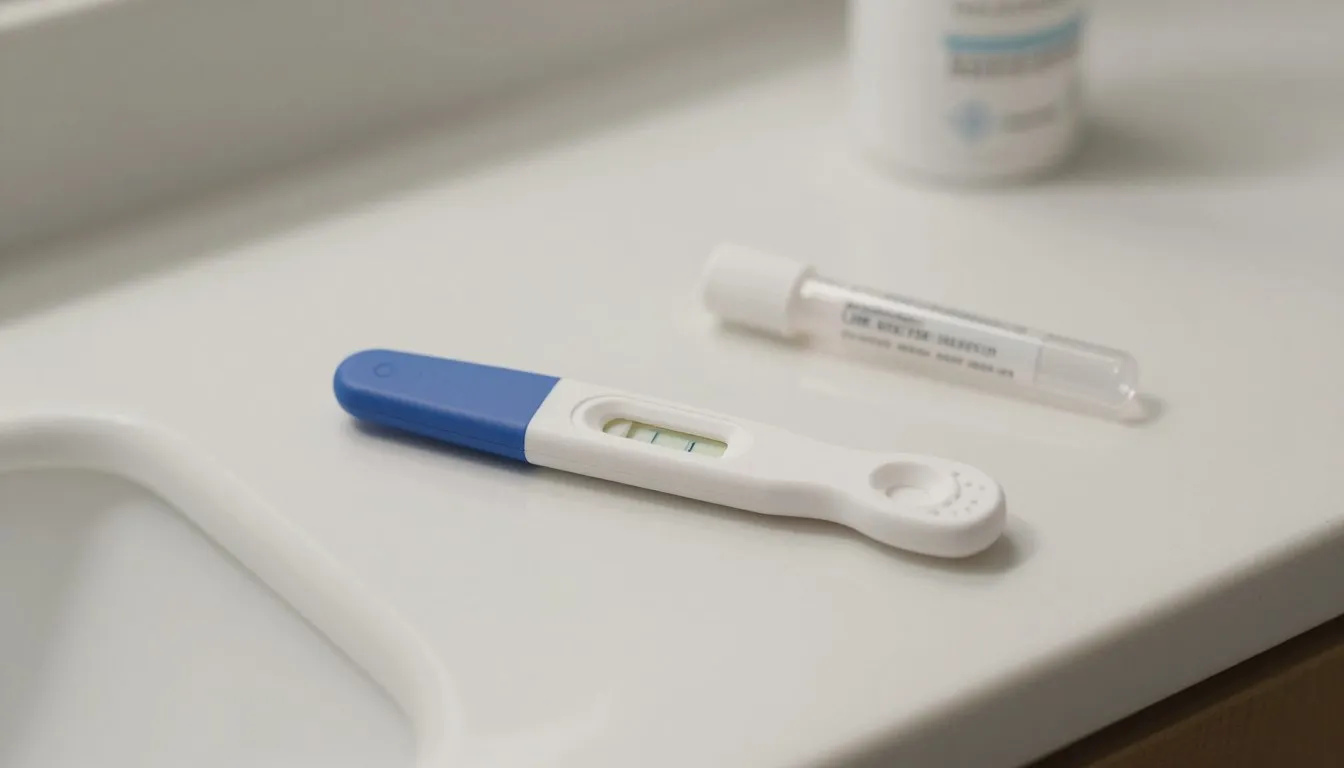
How a saliva-based pregnancy test works
Salistick uses a foam-tipped stick to collect saliva from the mouth. The user holds the stick in the mouth for a short time. The sample then moves into a plastic tube, where a biochemical reaction takes place.
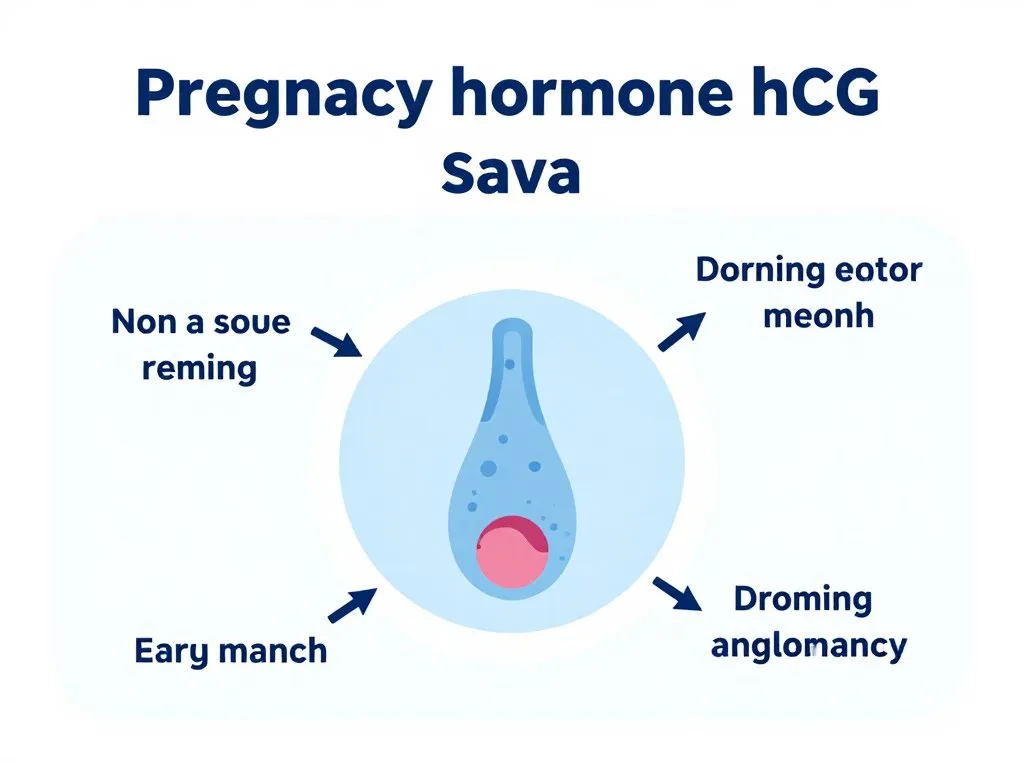
The test is designed to detect human chorionic gonadotropin, often called hCG. This is a pregnancy hormone made after an embryo attaches to the lining of the uterus. Its level generally rises during early pregnancy.
“Salistick offers women an alternative to classic urine-based pregnancy tests.” — Description reported by The Trendaholic, June 2023
The science is promising, but saliva is a more complex fluid than it may seem. Food, drink, oral products, and the way a sample is collected could affect the testing process. Clear instructions and controlled sampling are important for reliable results.
Timing, accuracy, and early pregnancy results
The reported product information states that early indications may appear in about three minutes. A complete result may be available within five to fifteen minutes. This time range is similar to many home pregnancy tests.
Clinical trials in Israel included more than 300 women before the product launch. The test received certification for marketing in the European Union. These facts show meaningful development, but they do not prove that every user will receive a perfect result in every situation.
| Factor | Saliva test | Urine test | Practical meaning |
|---|---|---|---|
| Sample | Saliva from the mouth | Urine | The collection method feels different for each user. |
| Reported reading time | Early signs near 3 minutes; full results in 5–15 minutes | Varies by brand | Follow the package timing rather than guessing. |
| Development status | EU-certified product reported in 2023 | Widely sold in the United States | Availability and approval must be checked locally. |
| Main uncertainty | Limited public information on broad use | Results can vary with timing and use | A negative result may need confirmation. |
Accuracy depends on several factors, including the day of testing, hormone levels, sample quality, and correct use. A product may detect pregnancy hormone hCG, yet still miss very early pregnancy when hCG levels are low.
Benefits, limits, and access in the United States
A saliva pregnancy test may offer a cleaner experience for people who dislike urine collection. It may also be useful where bathroom privacy is limited. Collecting a sample in the mouth could feel easier during travel, at work, or in a shared home.
- No urine cup is needed.
- The collection process may feel more discreet.
- Results could be available during the same short visit.
- The format may appeal to people seeking a different home testing experience.
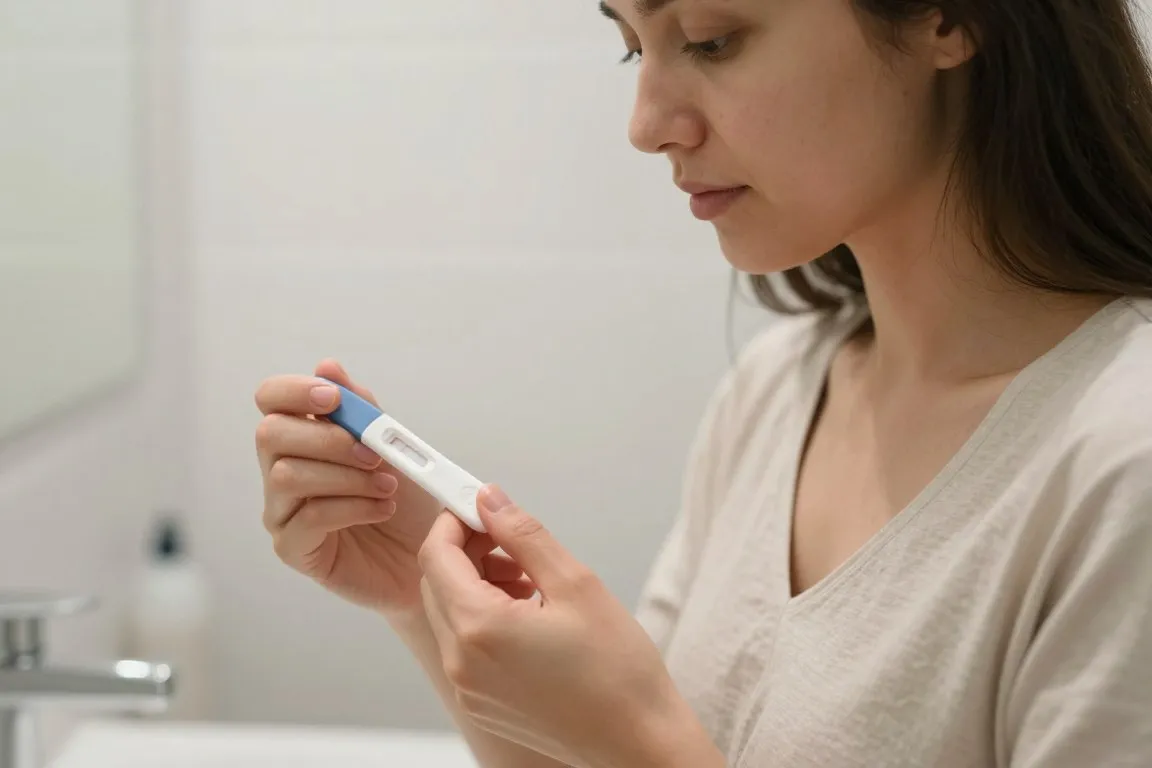
Availability, price, pack size, and shipping can change by country. A shopper in the United States should check current FDA status and local sellers before paying. Do not assume that a product sold overseas can be legally marketed or shipped for American use.
Privacy may improve at home, but digital privacy still matters. Online orders can create records through retailers, payment providers, or delivery services. Review seller policies, use secure websites, and avoid sharing health details on public pages.
Cost is another open question. A new technology may have a higher price than established urine tests at first. Insurance coverage is also unlikely to be clear until the product has a wider market and recognized United States status.
Potential advantages
- Simple saliva collection
- Short reported reading time
- Private home use
Current concerns
- Limited United States access
- Price may not be established
- More independent data may be needed