A psychologist analyzed why Kanye West is popular
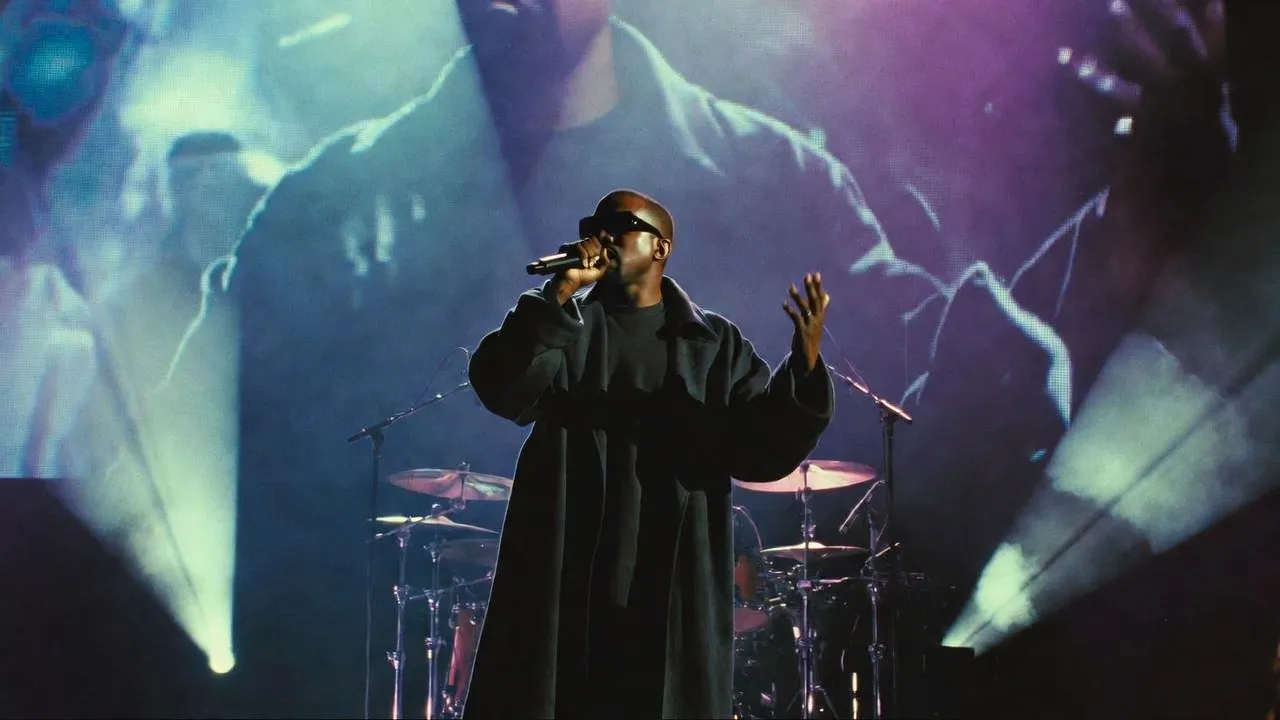
Twenty-four Grammy Awards mark Kanye West's total since 2004. That puts him among the ceremony's most decorated rappers. For two decades, his name has returned through headlines, boycotts, sold-out sneaker drops, and long silences.
Why Kanye West is popular has become a question worth studying. Researchers examine attention, identity, and social influence, not only album sales.
This article takes a psychology-informed view of that question. It is neither a fan profile nor a takedown. It focuses on mental and social forces that sustain interest in this widely discussed American figure.
West legally changed his name to Ye and has worked in music, fashion, and public debate since the mid-2000s. His audience stayed through commercial success, critical praise, and repeated controversy. Few careers survive that combination.
Here, Kanye West psychology means more than one man's inner life. It describes how audiences respond to boldness, contradiction, and constant visibility. Celebrity appeal grows through an exchange between a public figure and viewers.
The sections ahead examine the attention economy, perceived authenticity, parasocial bonds, fan communities, branding, and mental health discourse. Together, these topics show what one trending name reveals about modern audiences.
Kanye West fame explained through research offers more than gossip. The psychology of popularity reveals patterns beyond one artist, album, or news cycle.
Who Kanye West Is and Why His Name Keeps Trending
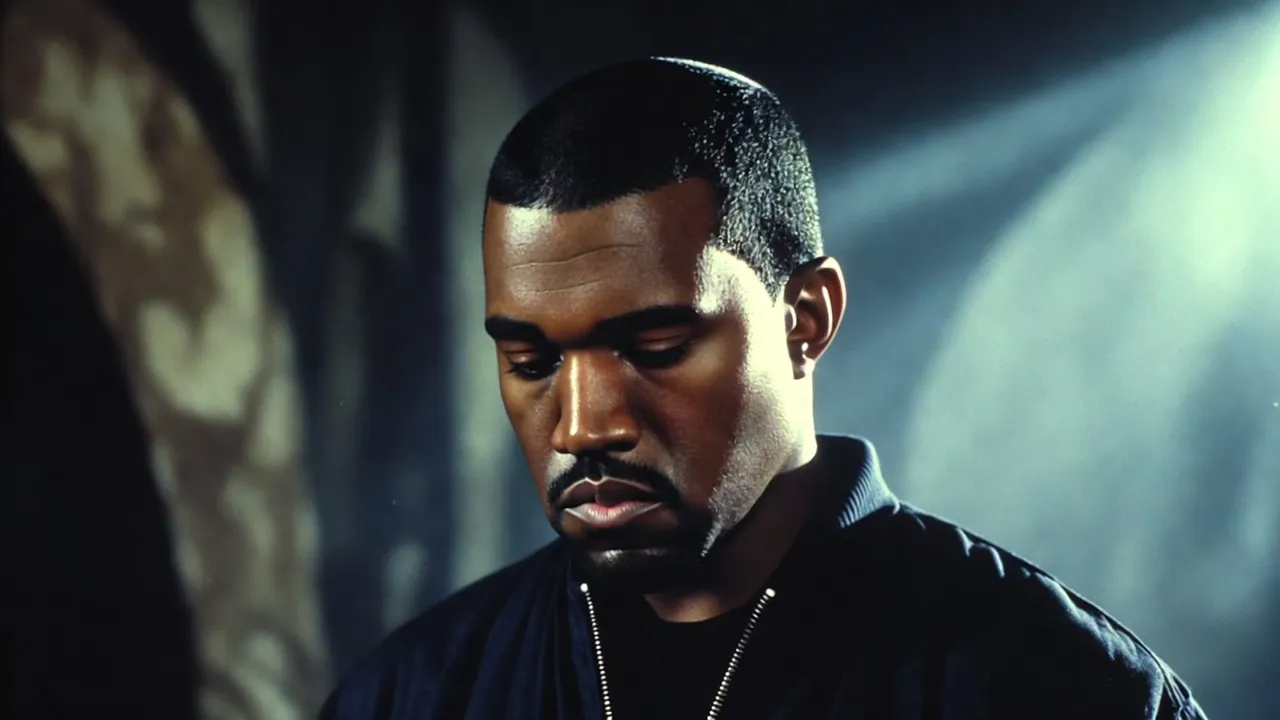
Anyone asking who is Kanye West may hear several answers. He began as a Chicago beatmaker, selling soul-sampled tracks to established artists before taking the microphone. That move from behind the board to center stage shaped the Ye rapper producer identity that still guides audiences.
His 2004 debut, The College Dropout, introduced a voice blending humor, faith, and insecurity. His career then took sharp turns instead of following a straight line.
A simplified Kanye West career timeline shows his frequent changes in direction:
| Album | Sonic Direction | Why It Mattered |
|---|---|---|
| Late Registration | Orchestral hip-hop | Expanded rap production with live strings |
| Graduation | Stadium synth-pop | Pushed rap toward arena-scale sound |
| 808s & Heartbreak | Auto-Tune and drum machines | Opened space for emotional, sung rap |
| My Beautiful Dark Twisted Fantasy | Maximalist, layered | Widely treated as a critical high point |
| Yeezus | Industrial, stripped down | Rejected polish for abrasion |
| The Life of Pablo | Collage-like, revised after release | Reframed albums as living files |
His work reaches beyond music. The Air Yeezy releases with Nike, followed by the Yeezy line with Adidas, made him a major footwear force.
Attention rarely arrives from output alone. It arrives when output meets unpredictability.
That mix explains why Kanye West trending remains a recurring event. Album rollouts, fashion drops, long interviews, social posts, and public disputes restart the cycle. His Kanye West cultural influence rests at the intersection of talent and volatility.
The Psychologist's Framework for Studying Celebrity Appeal
Before studying one artist, a psychologist needs a consistent lens. The psychology of celebrity views fame as a two-way exchange. Popularity exists between performers and the people watching, not within performers alone.
This analysis uses a celebrity appeal framework based on media psychology and social science. Each idea explains measurable parts of audience behavior.
| Concept | What It Explains | Observable Signal |
|---|---|---|
| Attention psychology | Why limited focus flows toward unpredictable figures | Search spikes, trending topics, headline volume |
| Novelty and surprise | Why unexpected events stick in memory | Recall of specific moments years later |
| Social identity theory | Why fandom feels like group membership | Fan labels, defensive online arguments |
| Parasocial interaction | Why strangers feel personally known | First-name references, emotional investment |
| Narrative construction | Why audiences turn careers into story arcs | "Comeback" and "downfall" framing in coverage |
Ethical limits matter in this work. Public behavior allows no remote diagnosis or guesses about private medical records. Analyzing audience response is valid, but analyzing someone never examined is not.
"Audiences rarely choose what captures their attention. They notice what breaks the pattern, and afterward they build reasons for the attention they already gave."
Social identity theory and attention psychology work together in the sections ahead. Each explains why certain names refuse to fade.
A Psychologist Explains Why Kanye West Is Popular
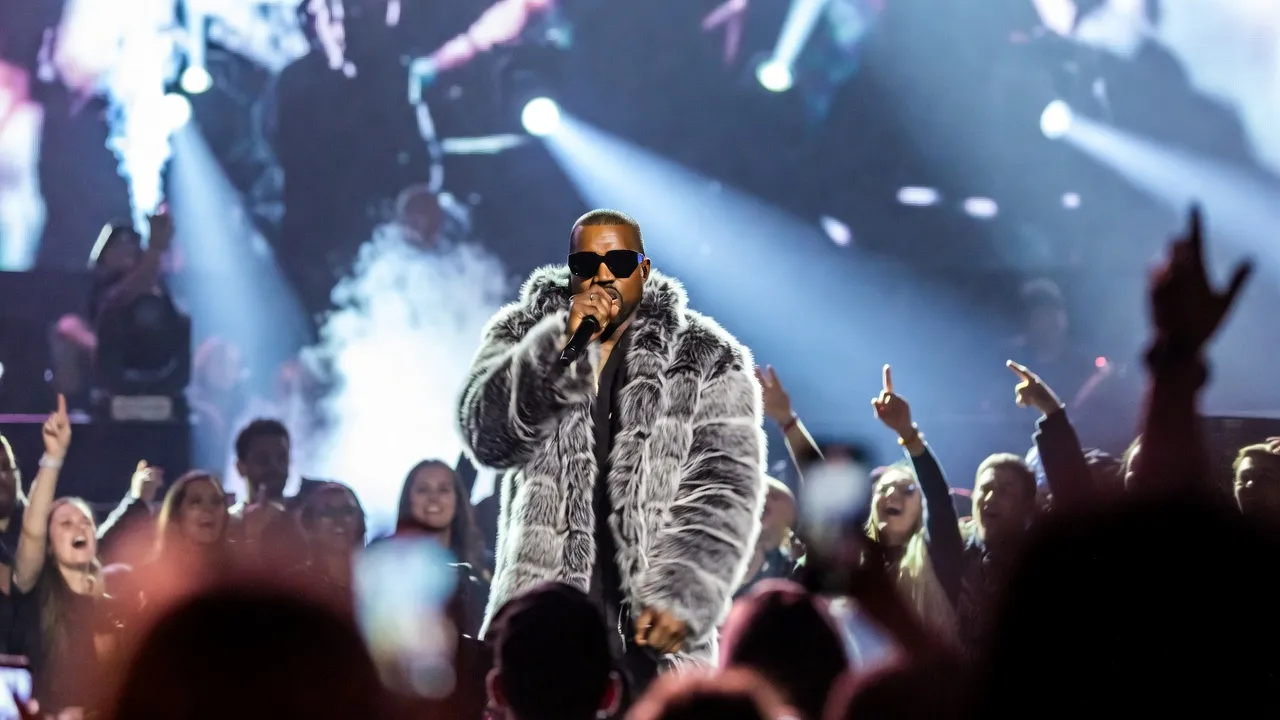
When a psychologist explains Kanye West, the answer rarely centers on one talent or moment. His popularity rests on several psychological drivers that reinforce each other over time. Each driver might fade alone, but together they create rare staying power.
Researchers who study celebrity attachment note that audiences bond with figures who seem extraordinary yet familiar. West occupies that rare middle space.
The reasons for Kanye West popularity also involve identity. Fans describe his work as validation for outsiders who feel misunderstood. This emotional payoff reveals much of Kanye West fanbase psychology.
Attachment strengthens when audiences see their own struggles reflected back at scale.
These patterns show the deeper logic behind his lasting appeal. Understanding why Kanye West is popular means tracking how these forces compound.
| Psychological Driver | Audience Response | Effect on Longevity |
|---|---|---|
| Musical innovation | Curiosity and anticipation | Renews interest with each release |
| Radical candor | Perceived authenticity | Builds trust among core fans |
| Rise-and-fall arc | Emotional investment | Sustains attention between projects |
| Fashion and design | Aspirational identification | Expands reach beyond music listeners |
| Unpredictable behavior | Shock and debate | Guarantees ongoing media visibility |
Music, Innovation, and the Psychology of Sound
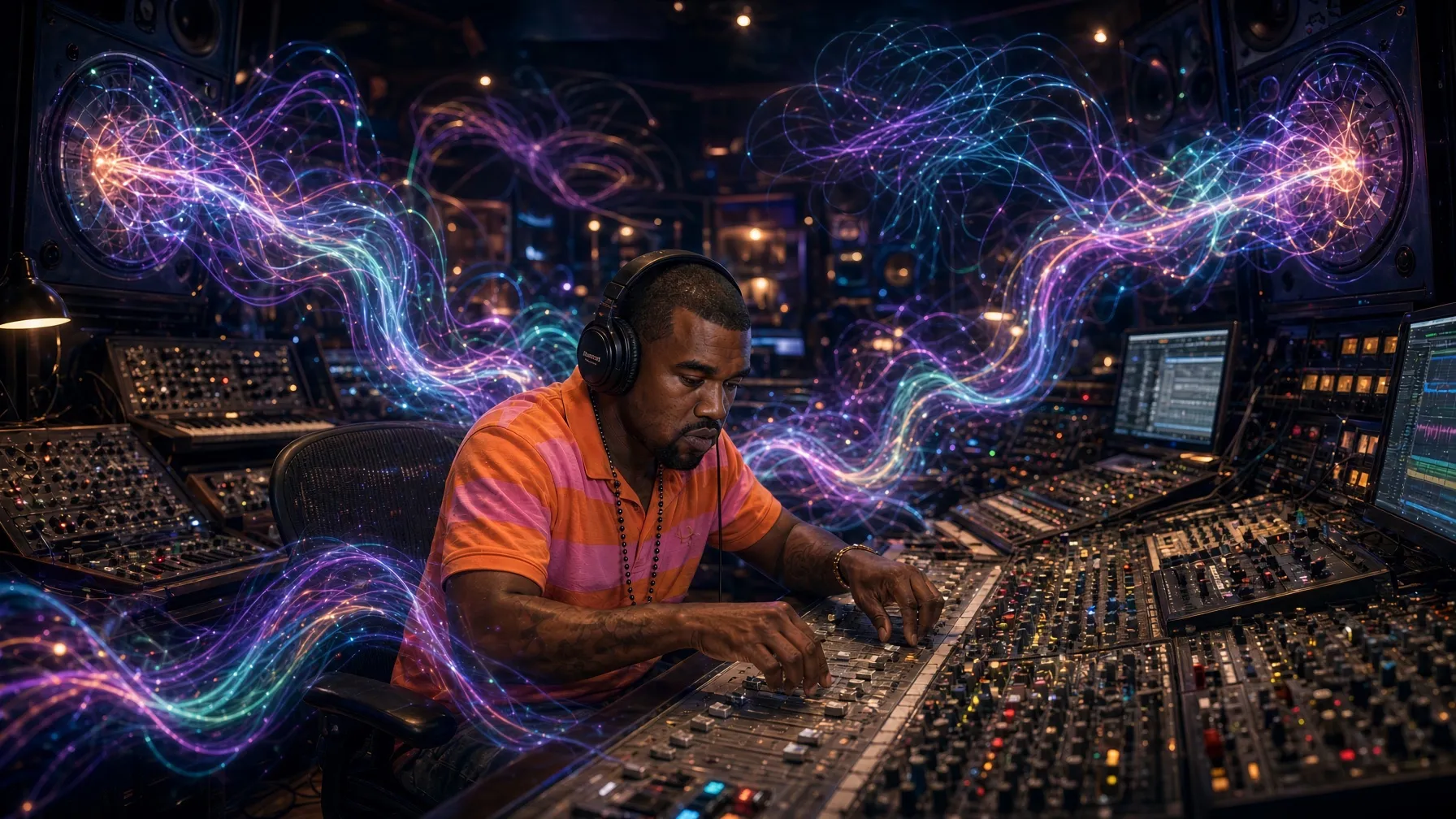
The records explain why his name endures. Kanye West music innovation changed shape roughly every few years, giving listeners sounds they had never heard before.
His early work used sampling soul music, speeding vocal snippets until they sounded urgent and slightly unreal. Late Registration added orchestral arrangements with co-producer Jon Brion. Graduation traded warmth for stadium-sized synths.
The 808s and Heartbreak influence paired Auto-Tune with grief, an approach few rap albums had attempted. My Beautiful Dark Twisted Fantasy pushed everything to maximum scale.
The psychology of music helps explain its pull. Brains reward familiar patterns, then respond more strongly when a pattern breaks in a satisfying way. A recognizable soul sample creates emotional recall by borrowing feelings listeners already have.
Repeated exposure can increase liking through the mere-exposure effect. That effect helps explain why radio saturation builds affection instead of fatigue.
| Album | Sonic Signature | Listener Effect |
|---|---|---|
| The College Dropout | Sped-up soul samples | Warm familiarity |
| Graduation | Arena synths | Collective energy |
| 808s & Heartbreak | Auto-Tune, sparse drums | Emotional identification |
Ask why Kanye West albums matter, and part of the answer lies in what followed. Melodic rap and confessional writing became standard tools for a generation of artists raised on those records.
Authenticity, Vulnerability, and Public Self-Disclosure
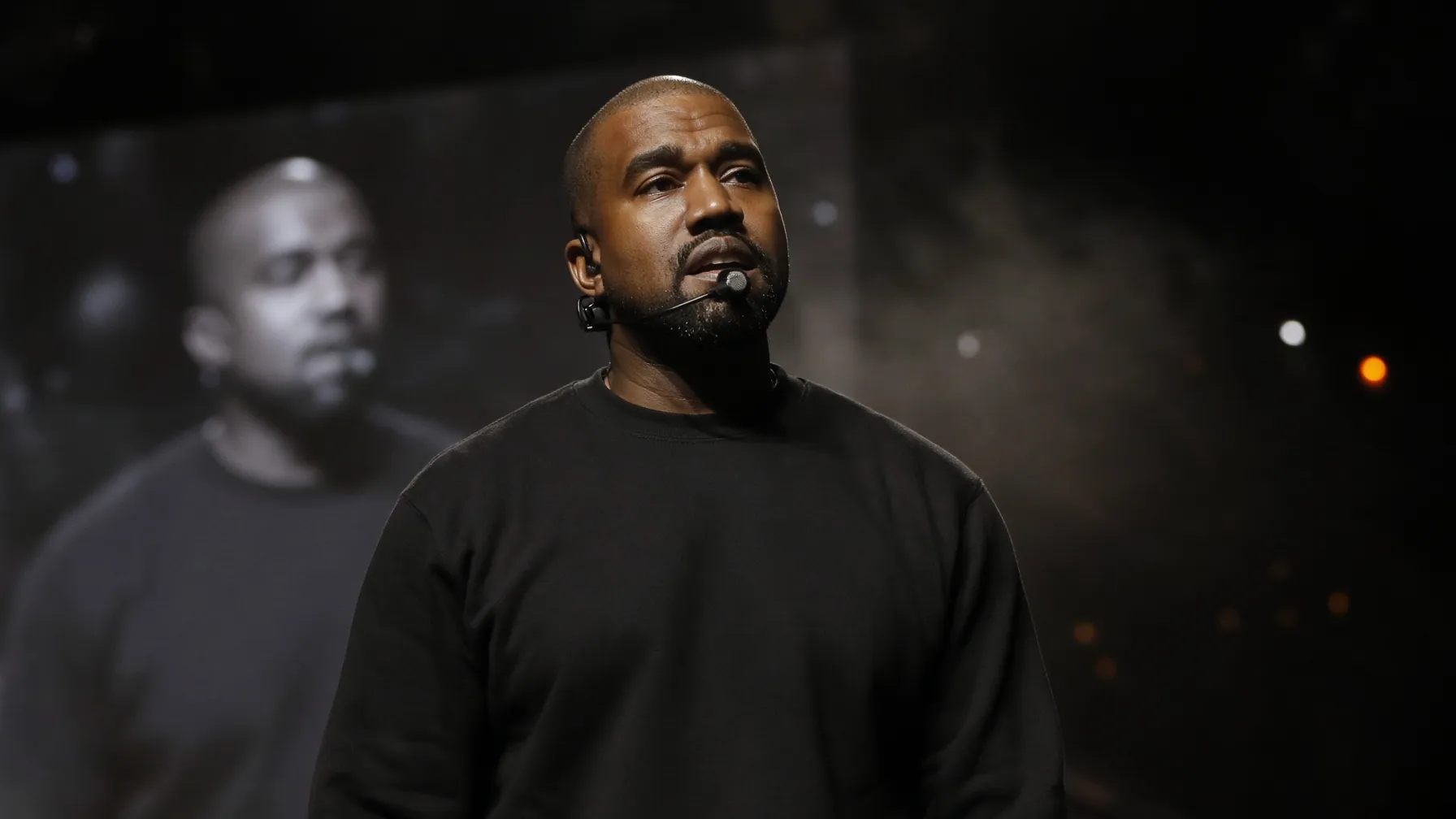
Audiences reward performers who seem to hide nothing. Kanye West authenticity rests on that impression: listeners hear thoughts before a publicist smooths them out.
Research on self-disclosure psychology helps explain this pull. Personal sharing can make listeners feel closer to the speaker. Social psychologists have documented this pattern for decades: disclosure creates perceived intimacy, even when the relationship runs one way.
His catalog offers steady material for this effect. 808s & Heartbreak arrived after his mother, Donda West, died, and replaced bravado with grief. Jesus Is King and Sunday Service performances shifted the focus toward faith and doubt.
Across both works, emotional honesty in rap became part of the product, not a detour.
Kanye West interviews reinforce this pattern. Long, unedited conversations often leave talking points behind. Many listeners read that departure from the script as sincerity.
Psychologists draw a careful line here:
- Perceived authenticity — the feeling that a person is unguarded and genuine.
- Accuracy — whether the statements themselves are true or defensible.
The two are not the same. Unfiltered speech that seems like celebrity vulnerability to one group may seem harmful to another. Several of his public remarks have cost him partnerships and listeners.
That tension—openness that attracts and repels at once—leads into controversy's role in holding attention.
Controversy as an Attention Mechanism
Conflict travels faster than praise. Psychologists call this negativity bias — the human tendency to notice threatening or shocking information first and remember it longer. A calm album review fades in a day, but a heated exchange lives for years through clips, screenshots, and commentary.
Each wave of Kanye West controversy follows a familiar pattern. A statement or public moment breaks, and outrage spreads across social platforms. News outlets cover the outrage itself, and critics respond to that coverage.
The cycle feeds on itself, and televised interruptions, award show disruptions, and polarizing political remarks resurface with every new headline.
The attention economy rewards volume, not virtue. Algorithms measure clicks, shares, and watch time. Emotional intensity performs well, whether people feel admiration or disgust.
"Being talked about and being liked are two different measurements. Fame tracks one. Trust tracks the other."
Visibility is not the same as endorsement. This distinction matters in controversial statements psychology, where celebrity backlash carries real costs.
| Outcome | Effect of Controversy |
|---|---|
| Media reach | Expanded — coverage spikes during outrage cycles |
| Brand partnerships | Narrowed — Adidas ended the Yeezy deal in 2022 |
| Public favorability | Declined sharply among general audiences |
| Core fan loyalty | Largely intact, though smaller and more divided |
Attention grew while commercial standing shrank. Both facts describe the same career.
Parasocial Relationships and the Illusion of Knowing Him
Psychologists use the term parasocial relationship for a one-sided emotional bond between an audience member and a media figure. The concept dates back to Donald Horton and Richard Wohl's 1956 research on television personalities. It also explains much about Kanye West fans psychology today.
West has released music for more than two decades. Long-form interviews, documentary footage, years of reality television through his former marriage, and unfiltered posts offer near-continuous access. Unfiltered posts lack a publicist's polish, helping create feeling like you know a celebrity, although you have never met him.
Social media intimacy raises the emotional stakes. Fans treat his career choices as personal news, while critics treat his statements as personal insults. Both reactions come from the same psychological source.
| Access Channel | Perceived Closeness | Common Fan Response |
|---|---|---|
| Albums and lyrics | Emotional and confessional | Identification with his struggles |
| Interviews and documentaries | Behind-the-scenes insight | Belief in understanding his motives |
| Reality television exposure | Domestic and everyday | Investment in his private life |
| Direct social posting | Unmediated and immediate | Instant praise or outrage |
Parasocial interaction celebrity dynamics carry real consequences. Loyalty turns defensive, and disappointment feels like betrayal rather than disagreement. Arguments about separating the artist from the art grow heated because the bond feels reciprocal, though it never was.
Intense parasocial attachment marks modern fame broadly. His unusually direct communication style amplifies an effect that already shapes audience relationships with public figures.
Fashion, Branding, and Aspirational Identity
His influence reached beyond the recording studio. Kanye West fashion turned sneakers and hoodies into cultural signals people wore in public.
The Air Yeezy line with Nike arrived in 2009 and proved musicians could drive sneaker demand. The Adidas Yeezy partnership launched in 2015 and scaled that idea into a global business. Yeezy Season runway shows brought muted tones, oversized silhouettes, and useful shapes into mainstream streetwear.
Psychologists point to several forces behind the pull of the Yeezy brand:
- Scarcity — limited drops raise perceived value and create urgency.
- Symbolic consumption — the product communicates taste, status, and belonging.
- Aspirational transfer — traits linked to the designer feel attached to the object.
This is where identity and consumer psychology overlap. Buyers purchase more than foam and knit; they buy a story about who they want to become. Aspirational branding works because the item becomes a shortcut for self-expression.
The model carried real risk. Adidas ended the collaboration in October 2022 after his antisemitic public statements. This documented business consequence erased billions in projected revenue and showed the brand’s close tie to one person.
| Partner | Years Active | Product Category | Signature Release |
|---|---|---|---|
| Louis Vuitton | 2009 | Luxury sneakers | Louis Vuitton Don |
| Nike | 2009–2012 | Performance-inspired sneakers | Air Yeezy 2 "Red October" |
| Adidas | 2015–2022 | Footwear and apparel | Yeezy Boost 350 |
| Gap | 2020–2022 | Mass-market basics | Round Jacket |
| Balenciaga | 2022 | Designer collaboration line | Yeezy Gap Engineered by Balenciaga |
The Role of Fan Communities in Sustaining Popularity
Aspirational branding draws people in, but groups keep them engaged. The Kanye West fanbase acts less like a passive audience and more like a volunteer publicity team. It never clocks out. Years may pass between major releases, yet conversation stays active.
Psychologists point to social identity theory fans as one explanation for this loyalty. Group membership offers belonging, status, and a shared story. Defending an artist can feel like defending the self, making debates over leaked tracks or ranked discographies more emotional.
Reddit music communities show these mechanics clearly. Members build tier lists, trade unreleased snippets, study production credits, and debate album order like graduate students. On X, TikTok, and YouTube, this energy appears through memes, fan edits, and hour-long video essays.
Debate itself provides fuel. Both criticism and praise count as engagement, keeping the artist visible to algorithms during quiet periods.
Ways online fan communities generate continuous visibility:
- Album rankings and rebuttal posts that spark long comment threads
- Leak tracking and speculation about unfinished projects
- Meme cycles that travel far beyond music circles
- Video essays that reframe old records for new listeners
- Anniversary reposts that revive back catalog streams
Stan culture does not speak with one voice. Many listeners separate the discography from the man, and communities fracture openly over his public conduct. Some moderators ban certain topics entirely, creating a steady stream of discussion.
Mental Health, Public Perception, and Responsible Discussion
Any honest look at Kanye West mental health must begin with his own words. West has publicly stated that he was diagnosed with bipolar disorder. He referenced it on the cover of his 2018 album ye and in interviews.
Psychologists follow a clear boundary here. Professional ethics discourage diagnoses or interpretations about people professionals have never evaluated. This principle often traces to long-standing American Psychiatric Association guidance about public figures. Speculation presented as analysis fuels celebrity mental health stigma instead of understanding.
"When we talk about a public figure's psychology, the goal should be accuracy and dignity — not entertainment. Careless commentary teaches millions of people what to expect when they disclose their own condition."
Audiences often combine two separate questions: accountability for public statements and compassion for health. Both can exist at once. A diagnosis does not explain, justify, or predict any specific remark or popularity. Millions of Americans live with bipolar disorder without global fame or cultural influence.
Careless framing shapes how ordinary people are treated at work, in families, and in clinics. Responsible reporting mental illness means separating fact from rumor.
| Approach | Responsible Framing | Harmful Framing |
|---|---|---|
| Source of information | Direct public statements by West | Rumors from social media threads |
| Language | "He has said he lives with bipolar disorder" | "He's clearly unstable" |
| Behavior analysis | Judges statements on their content | Blames the diagnosis for statements |
| Effect on readers | Supports informed bipolar disorder public discussion | Reinforces fear and silence |
What His Popularity Reveals About Modern Audiences
The psychologist shifts from West to the machinery around him. He says West's staying power reveals more about audiences than the artist.
His visibility fits the incentives of platforms people use each day.
Attention in the United States now flows toward whatever produces the strongest emotional reaction, not whatever earns the widest approval. That fact helps explain modern celebrity culture.
- Algorithmic amplification — anger and fascination both register as engagement, tightening the link between algorithm and fame.
- Collapsed privacy — audiences expect access to a star's marriage, health, and finances, treating personal life as content.
- Personality over product — narrative arcs hold attention longer than albums or sneakers do.
- Boycott fatigue — cancel culture limits show up quickly, since organized outrage rarely sustains itself past a news cycle.
Fragmentation matters here. A figure can lose Adidas, Gap, and Balenciaga yet keep millions of streams and devoted core followers. Corporate distance and audience loyalty no longer move together.
| Type of Support | Response to Scandal | Typical Duration |
|---|---|---|
| Brand partnerships | Contracts terminated, products pulled | Permanent in most cases |
| Radio and playlist placement | Reduced rotation, quiet removal | Months to years |
| Streaming by existing fans | Minimal decline, sometimes a spike | Days |
| Online fan communities | Defensive consolidation | Ongoing |
For students of American pop culture psychology, attention economy audiences make West a useful case study. His career shows how recognition, revenue, and respect have become three separate currencies.
Conclusion
Any honest Kanye West popularity summary points to four forces. These include decades of musical influence, a fashion and sneaker brand that reached global scale, direct self-presentation, and media attention.
Psychologists studying celebrity appeal see these forces as connected, because each one strengthens the others.
The question of why Kanye West stays relevant has less to do with approval and more to do with visibility. His name has continued to circulate through streaming platforms, resale markets, and social feeds. This continued after Adidas ended their partnership and major brands cut ties.
Those actions cost him billions in valuation and much of his commercial infrastructure.
Audience behavior tells the rest of the story. Parasocial attachment, fan communities, and algorithmic amplification keep his work before listeners who may never agree with his statements. That gap between personal opinion and public presence explains much of what researchers observe.
Additional photos are available in the gallery below.