Sam Altman, Head of OpenAI, has confirmed that the development of GPT-5 is currently on hold
In June 2023, Sam Altman said OpenAI had not started training GPT-5. The statement came after months of public debate about AI safety, regulation, and the speed of model development. For developers, the news raised a practical concern: should teams wait for a new model, or keep building with the tools available today?
GPT-5 development on hold in the confirmed record
The clearest source is a public statement attributed to Sam Altman, OpenAI’s chief executive at the time. He said the company was not yet training GPT-5 and was “not even close to starting” that development. He also explained that OpenAI still needed to complete additional work before moving toward a new model.
“We are not even close to starting” GPT-5 development, Sam Altman said in the public discussion reported in June 2023. — Sam Altman, as quoted in the source report
This wording matters. It confirms a delay or pause in training. It does not confirm cancellation. It also does not provide a release date, final feature list, or technical explanation for every internal decision.
The update followed an open letter signed by more than 1,100 technology leaders and public figures. The letter called for a six-month pause on training systems more advanced than GPT-4 until stronger safety practices were in place. The proposal focused on risks such as deceptive, biased, or abusive language.

Altman later appeared before the United States Senate in May 2023. He supported stricter oversight for powerful AI systems. His position showed that OpenAI’s model strategy was being shaped by both technical work and public policy.
OpenAI’s model strategy during the pause
A pause in GPT-5 training did not mean that all OpenAI research stopped. The company could improve existing models, expand ChatGPT features, test safer system behavior, and study new methods for reasoning and memory.
| Development stage | Confirmed position in 2023 | Practical meaning for teams |
|---|---|---|
| GPT-4 improvement | Active model work and product refinement remained possible | Continue testing prompts, code workflows, and quality reviews |
| GPT-5 training | Not started, according to Altman | Do not plan projects around an unconfirmed release |
| Safety research | Additional technical work was still needed | Add human review, tests, and risk controls to production systems |
| Regulatory engagement | OpenAI sought stronger rules for major AI companies | Track privacy, security, copyright, and sector rules |
Developers should separate confirmed facts from predictions. A future GPT model might improve reasoning, context handling, coding, hallucination control, or general intelligence. Those are possible research goals, not promises made by the source article.
Teams can still gain value from current models. They can use structured prompts, retrieval systems, code reviews, and automated tests to improve results. These steps often matter more than waiting for a larger model.
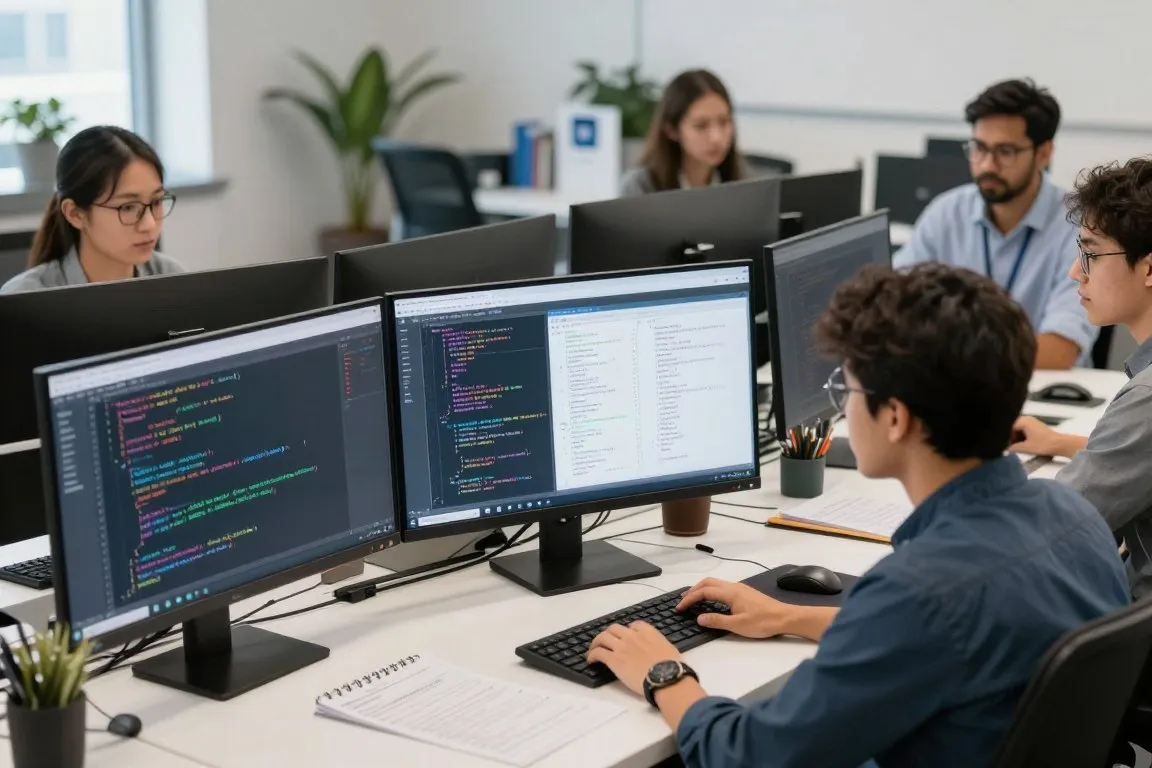
- Use small tests before connecting an AI system to production.
- Check generated code through human reviews and security scans.
- Store useful context without exposing private customer data.
- Track hallucinations, latency, cost, and response quality over time.
Practical direction for developers today
The best response to the pause is a measured development plan. Do not delay a project because of speculation about a future GPT release. Define the task, select the current model that meets the need, and measure its results against a clear baseline.
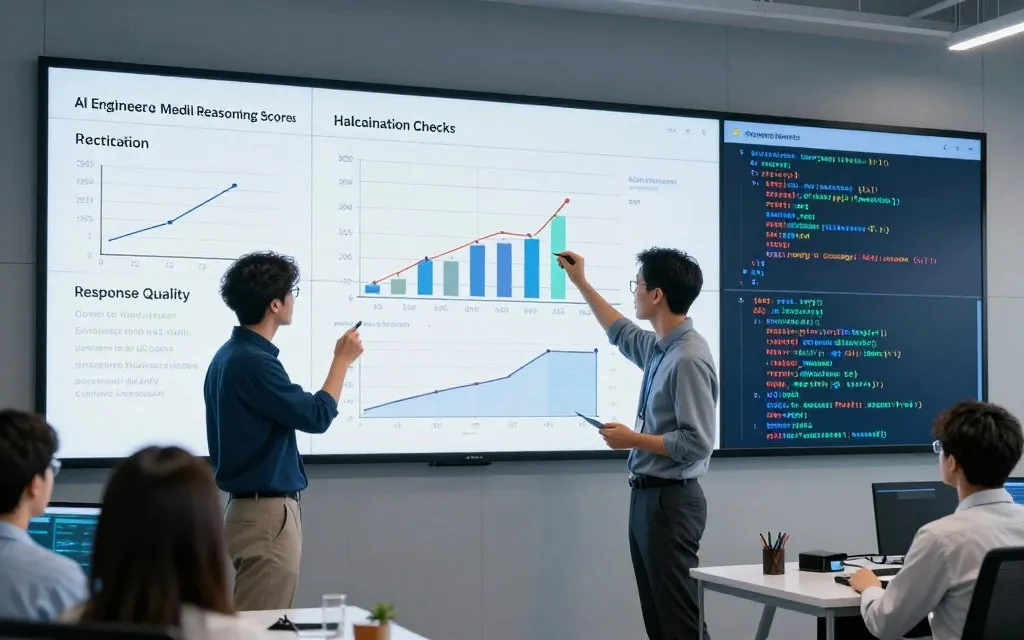
For writing code, use the model as an assistant rather than an authority. Ask for small functions, request explanations, and run tests after each change. For large codebases, provide limited context and clear file boundaries. This reduces confusion and makes debugging easier.
For business systems, create a review path before launch. Sensitive responses need approval. Customer data needs protection. Prompts should be versioned, and model changes should be tested before production use.
- Build a test set: Include common tasks, edge cases, and known failure points.
- Measure reasoning: Score accuracy, consistency, and the ability to follow context.
- Control hallucinations: Require citations, retrieval, or a refusal when data is missing.
- Review code: Check security, dependencies, performance, and licensing concerns.
- Track cost: Compare token use, response time, and human correction time.
Users with ChatGPT Plus may receive access to selected features before free users, but a subscription is not proof of GPT-5 access. The source does not confirm that GPT-5 was available through ChatGPT Plus, nor does it confirm a planned release.
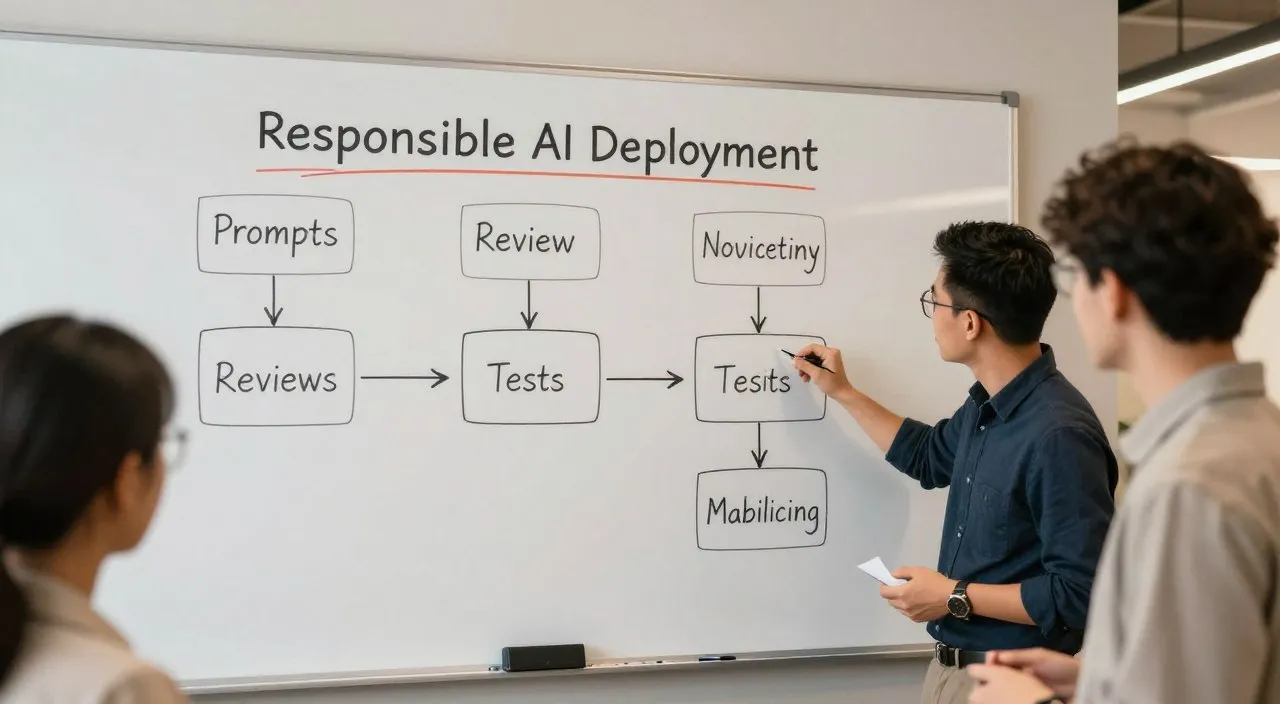
The central lesson is simple. GPT-5 development on hold described the status of one future model in 2023. It did not stop progress across AI, and it did not remove the need for careful coding, reasoning checks, or human judgment. Developers who focus on reliable systems can move forward while the next era of models takes shape.