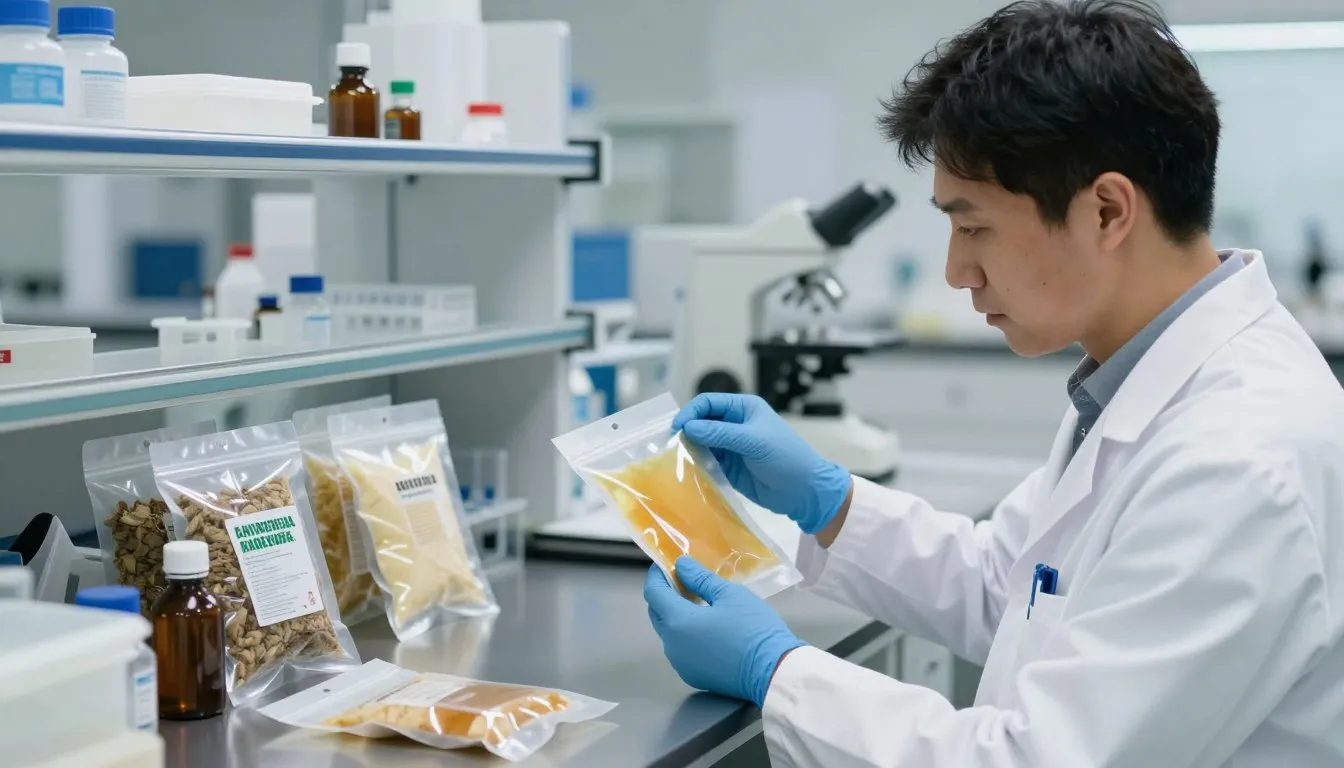
A packaging has been created to help prevent harmful bacteria in products

Fresh food can look safe while harmful bacteria are already growing inside the package. A new generation of packaging aims to slow that risk by placing antimicrobial agents in films, coatings, and other packaging materials. The goal is simple: protect food for longer without changing the way consumers store and use it.
Why Antimicrobial Packaging Matters for Food Safety
Food packaging does more than hold a product. It can limit exposure to oxygen, moisture, light, dirt, and microbes. Yet bacteria may enter during processing, transport, or handling. Once trapped inside a package, the right temperature and moisture can support microbial growth.
Antimicrobial packaging is designed to add another layer of protection. It uses antimicrobial agents that may slow or stop the growth of selected microorganisms on a package surface or near the food. This approach can support food safety and help extend shelf life when it is combined with good sanitation, refrigeration, and approved processing methods.
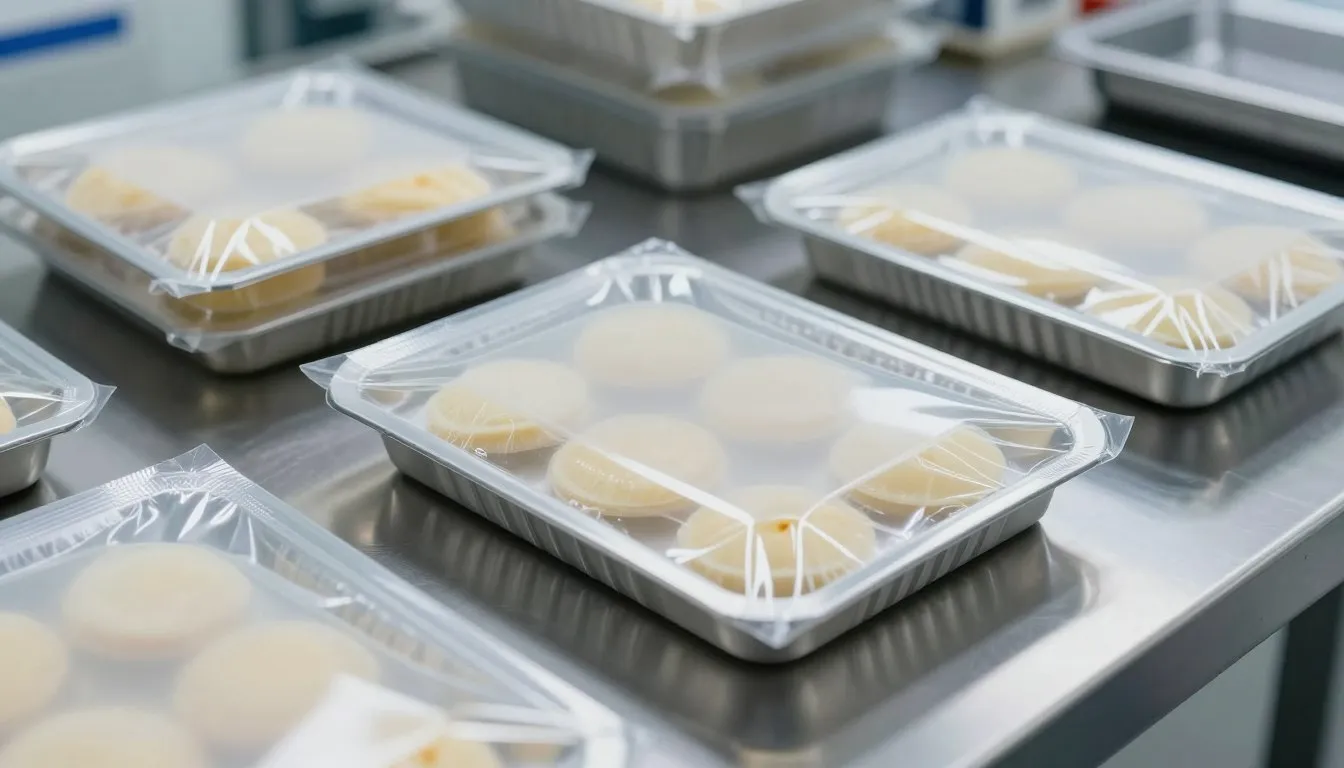
“Food safety is everyone’s business.” — World Health Organization
That principle is important because packaging cannot replace safe food handling. Consumers must still follow storage instructions, respect use-by dates, and avoid cross-contamination. Manufacturers must also validate antimicrobial activity under real conditions rather than assume that a laboratory result will work for every packaged food.
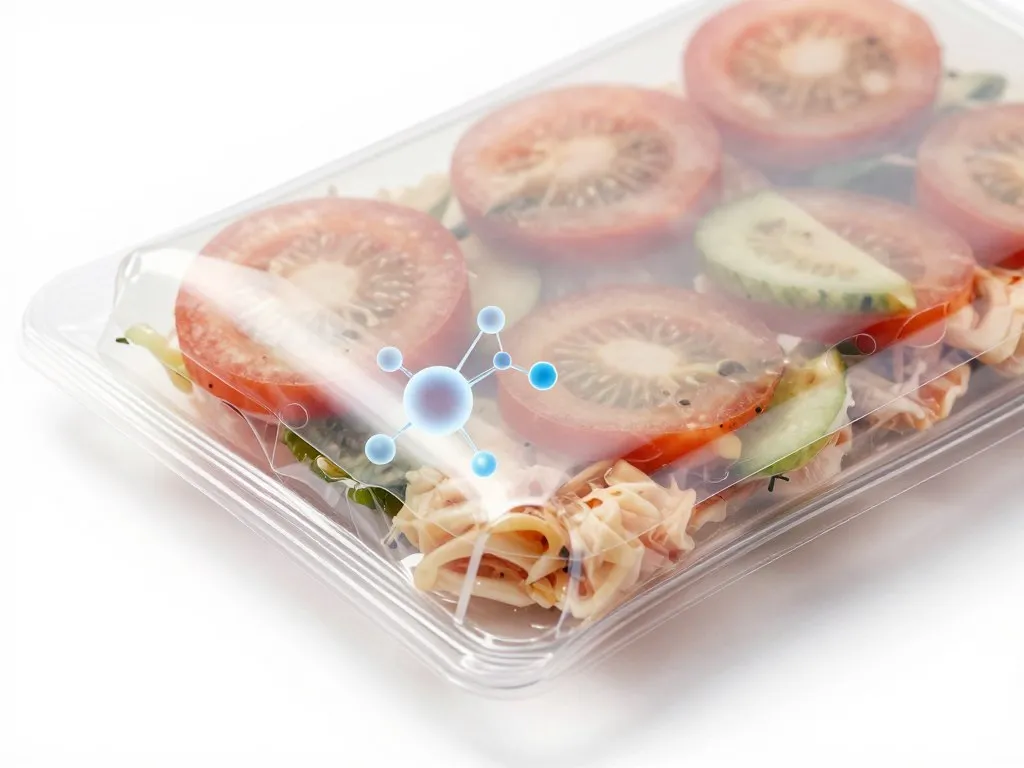
Packaging to Prevent Harmful Bacteria in Products Requires More Than a Special Film
Effective packaging antimicrobial action depends on the food, the package, and the storage environment. A material that performs well with dry bakery products may behave differently with meat, cheese, fruit, or minimally processed food. Moisture, acidity, fat content, temperature, and package permeability all affect performance.
- Antimicrobial agents must remain stable during production and storage.
- The release rate must match the product’s expected shelf life.
- Materials must meet applicable food-contact safety requirements.
- The package must preserve taste, aroma, texture, and appearance.
How Antimicrobial Packaging Works
Several designs are being studied and used across food applications. Some antimicrobial agents are blended into plastic or cellulose films. Others are applied as coatings to paper packaging, trays, labels, or inner package surfaces. The choice depends on whether the agent needs direct contact with food or only protection at the headspace and package surface.
One common method is controlled release. The antimicrobial agent moves slowly from the packaging material toward the food or the air inside the package. This can maintain antimicrobial activity over time. A second method uses an active surface that affects microorganisms when they touch the package.
| Technology approach | Best-fit use | Main benefit | Key limitation |
|---|---|---|---|
| Active film | Moist or chilled packaged food | Can support controlled release | Performance changes with moisture and fat |
| Surface coating | Paper packaging and trays | Uses existing packaging formats | Coating adhesion and durability require testing |
| Antimicrobial insert | Products needing headspace control | Limits direct contact with food | Adds components and recycling questions |
| Edible coating | Produce, cheese, and bakery products | May reduce additional packaging layers | Short durability and sensory concerns |
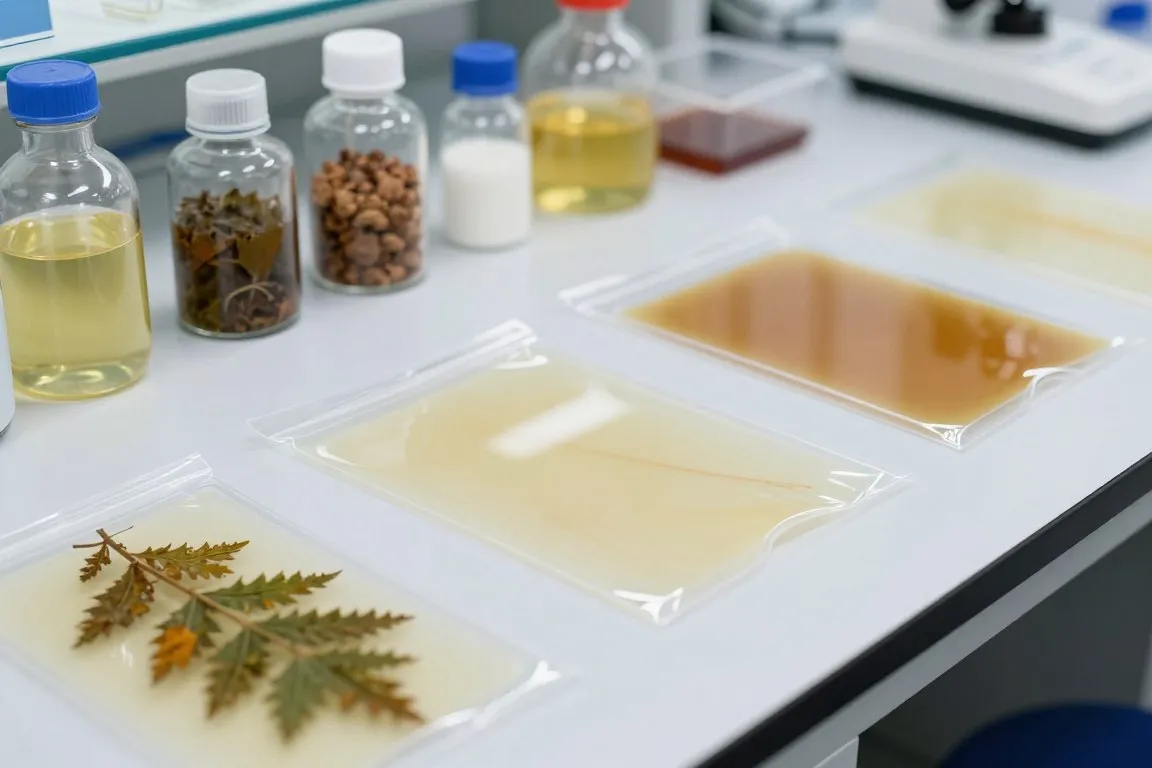
Potential antimicrobial agents include organic acids, plant extracts, essential oils, enzymes, minerals, and selected synthetic compounds. Sorbic acid, for example, is widely used as a preservative in some foods. Essential oils and plant extracts may provide useful antimicrobial properties, but strong aromas can affect consumer acceptance.
Applications, Benefits, and Limits Across the Food Industry
Antimicrobial packaging materials may support many food applications. Meat and seafood packages can benefit from systems designed to slow surface bacteria. Dairy products may use films or coatings that help manage microbial growth during chilled storage. Fruits and vegetables may use breathable packaging with active compounds that support quality without trapping excess moisture.
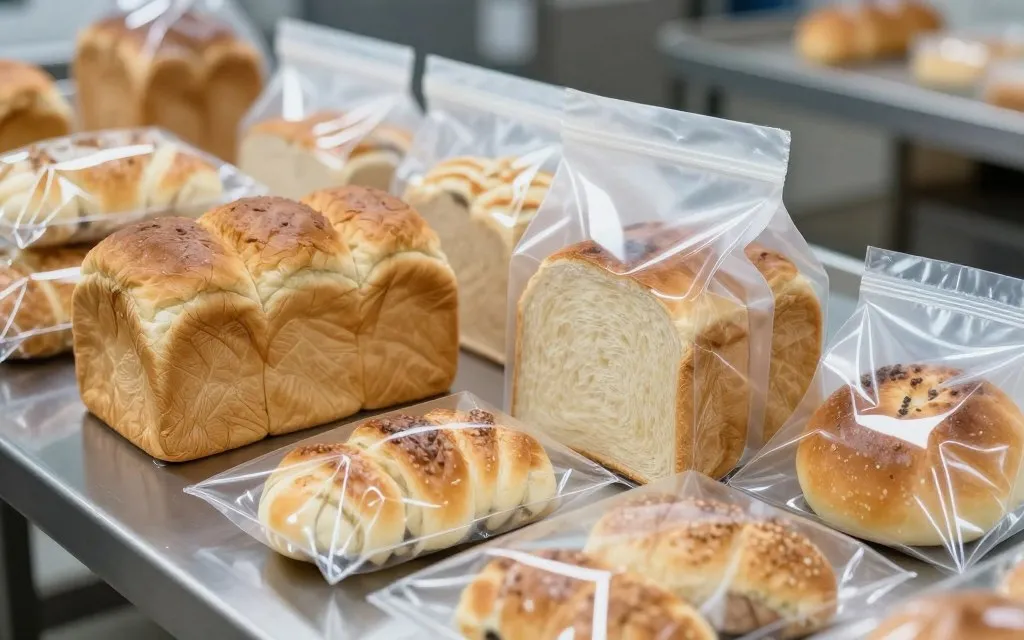
Bakery products are another promising area. Mold can reduce the shelf life of bread, cakes, and other baked goods. Antimicrobial films, paper packaging, or active inserts may help delay spoilage. However, the package must still control humidity. Too much moisture can soften the product, while too little can cause staling.
- Longer shelf life: Slower microbial growth may reduce premature spoilage.
- Less food waste: More usable days can help retailers and households.
- Better distribution: Products may have greater flexibility during transport.
- Added protection: Packaging can complement existing food preservation steps.
- Consumer convenience: Safer, fresher products can support ready-to-eat formats.
Despite these benefits, antimicrobial packaging has clear limits. It does not sterilize food, remove toxins, or correct poor manufacturing hygiene. Some agents may migrate into food, so exposure must be assessed. The packaging material must also be tested for odor, taste, recyclability, sealing performance, and compatibility with existing equipment.
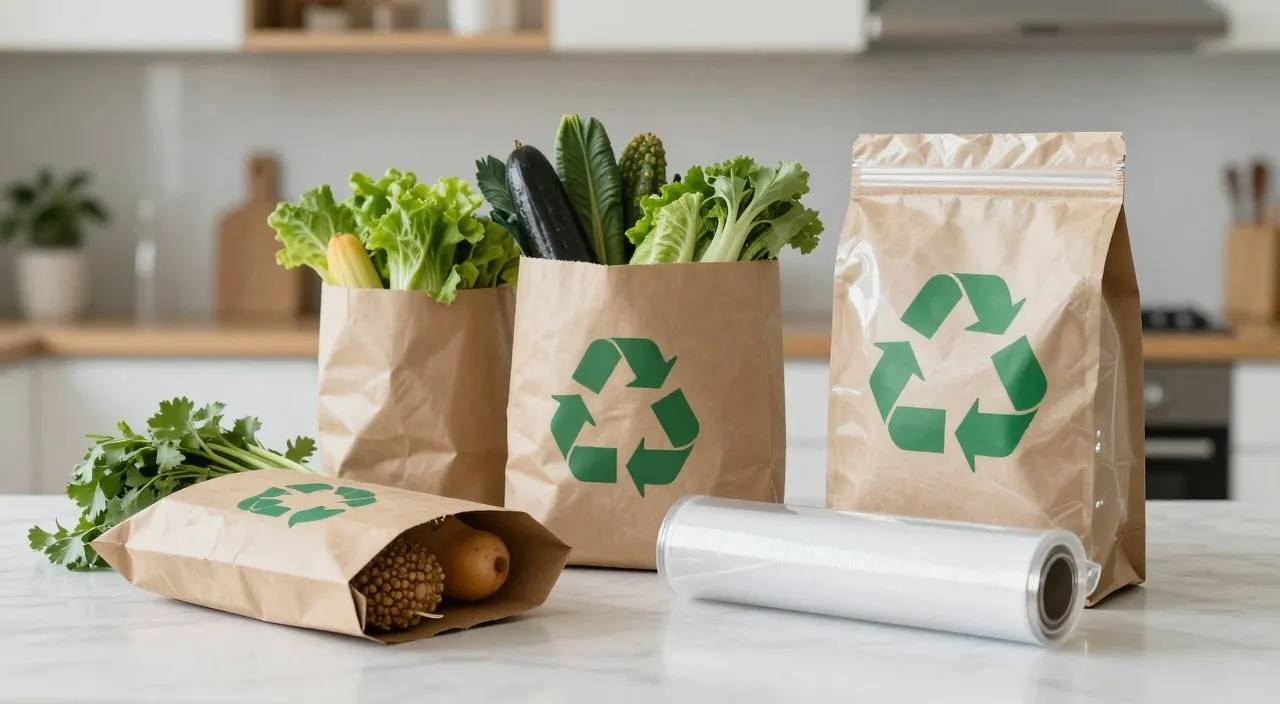
Environmental questions also matter. A multilayer package may perform well but be difficult to recycle. A coating may improve food preservation while complicating fiber recovery. The best solution must consider the full life cycle, including raw materials, manufacturing, transport, use, and disposal.
The Future of Antimicrobial Food Packaging
The next stage of antimicrobial packaging will likely focus on precision. Instead of releasing a large amount of an antimicrobial agent, future systems may respond to moisture, acidity, temperature, or signs of microbial activity. Controlled release could provide protection only when it is needed.
Researchers are also examining cellulose films, plant extracts, essential oils, organic acids, and combinations of antimicrobial agents. These materials may appeal to manufacturers seeking renewable inputs. Still, “natural” does not automatically mean safe, effective, or suitable for food contact. Every formulation requires careful testing and regulatory review.
For manufacturers, the strongest strategy is to evaluate packaging as part of the entire preservation system. The package should be matched to the product’s risks, supply chain, and disposal route. When the technology is validated and used responsibly, antimicrobial packaging can support food safety, reduce waste, and help products retain quality for longer.