The tilt of the Earth has shifted due to the pumping of groundwater
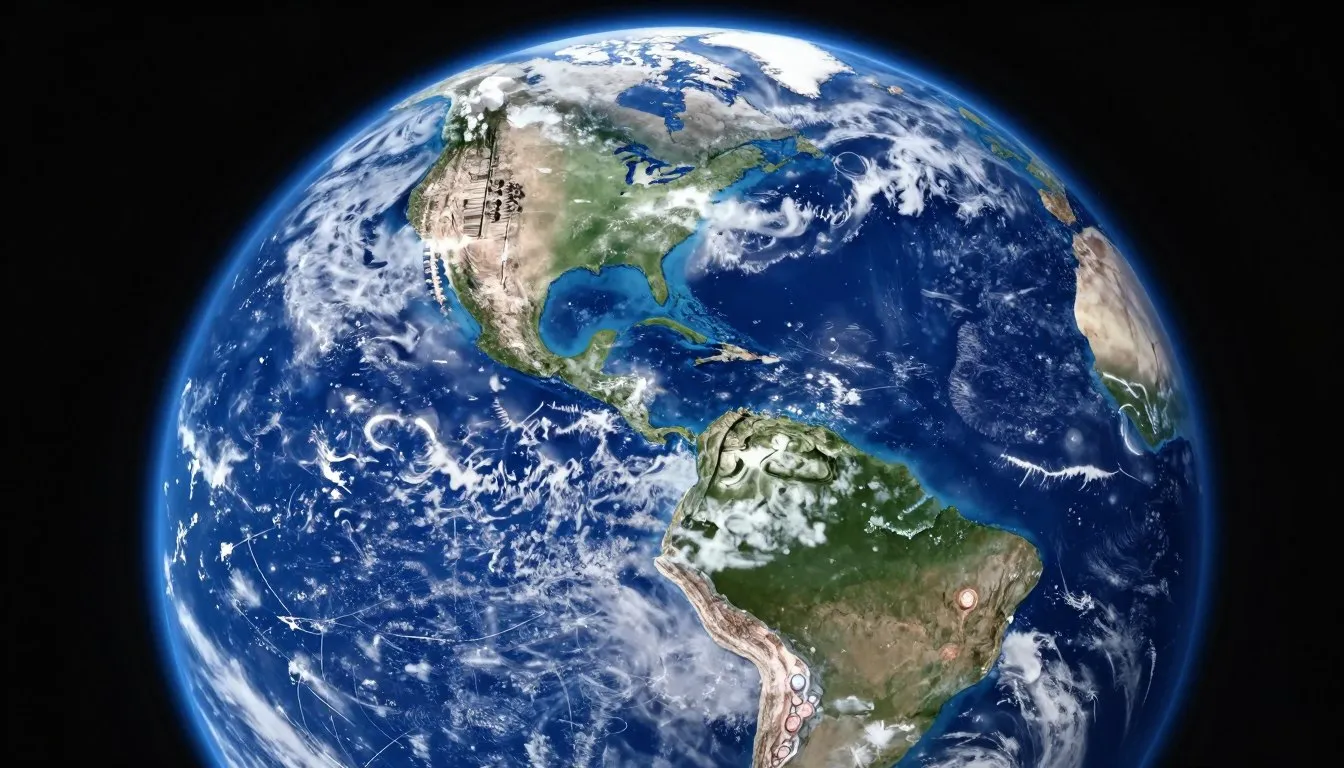
Human activity has changed more than rivers, coastlines, and aquifers. Scientists found that large-scale groundwater pumping also altered the way Earth spins. The effect is small in daily life, yet important in geophysical research.








Polar Motion Changes Linked to Groundwater Pumping
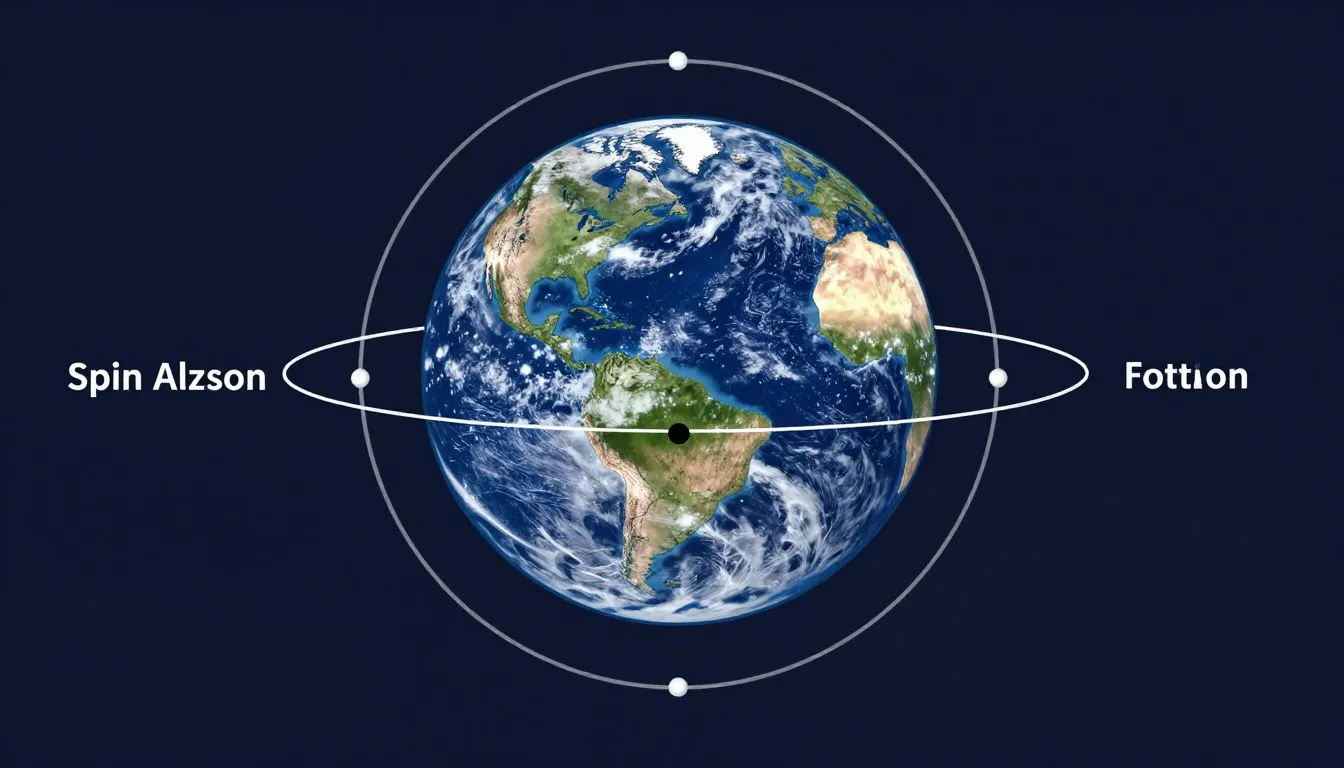
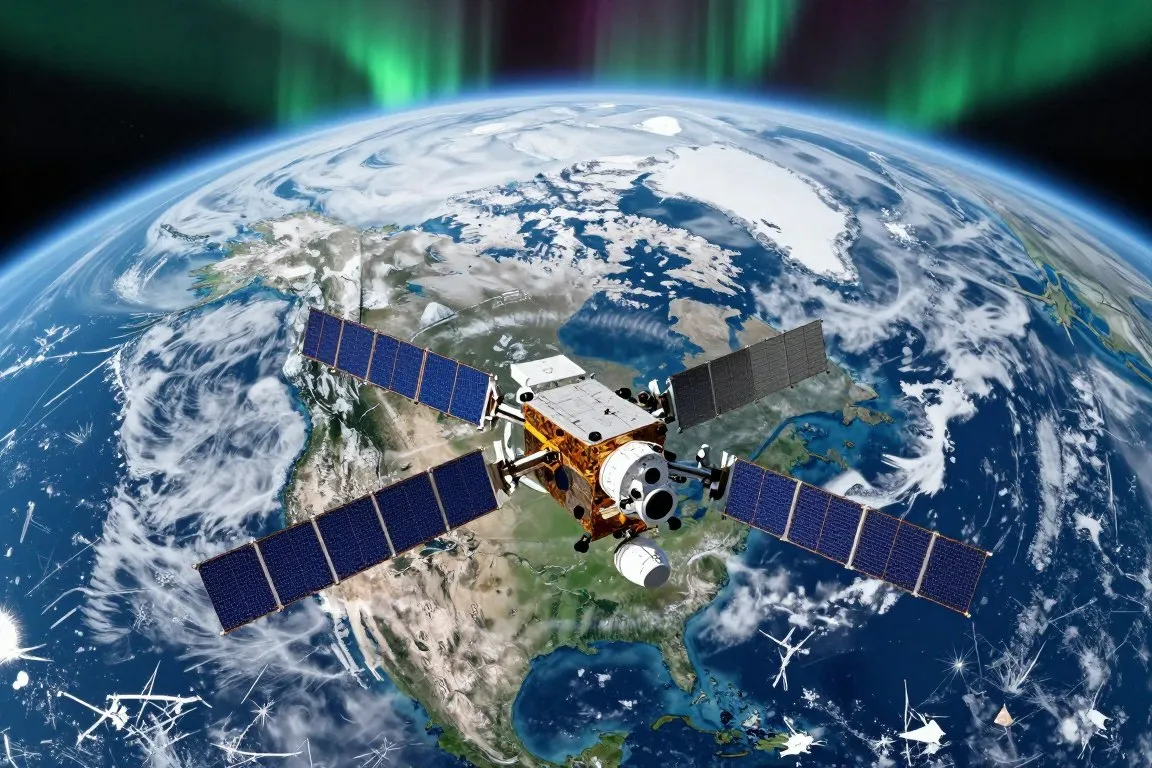
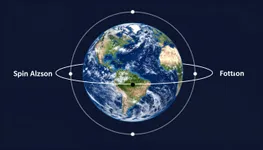
The headline can sound more dramatic than the science. The finding concerns polar motion: the movement of Earth’s rotational pole across the surface. This pole is the point where the planet’s spin axis intersects the crust.
It is not the same as the geographic North Pole. The geographic axis is a reference line based on Earth’s shape and rotation. It is also not a change in Earth’s orbital tilt, which describes the planet’s angle as it travels around the Sun. Earth’s seasonal angle relative to the Sun did not suddenly change because of pumping.
Earth’s rotation responds to the distribution of mass. A figure skater spins faster when pulling in their arms and slower when extending them. Earth follows the same physical principle. Moving a large amount of water from underground storage to the surface changes the planet’s balance, even though the change is too small to feel.
“The rotational pole actually changes a lot,” said geophysicist Ki-Weon Seo of Seoul National University, whose team studied the effect. The important question is which processes explain that motion. — Ki-Weon Seo, Seoul National University
How groundwater pumping affects Earth’s rotation
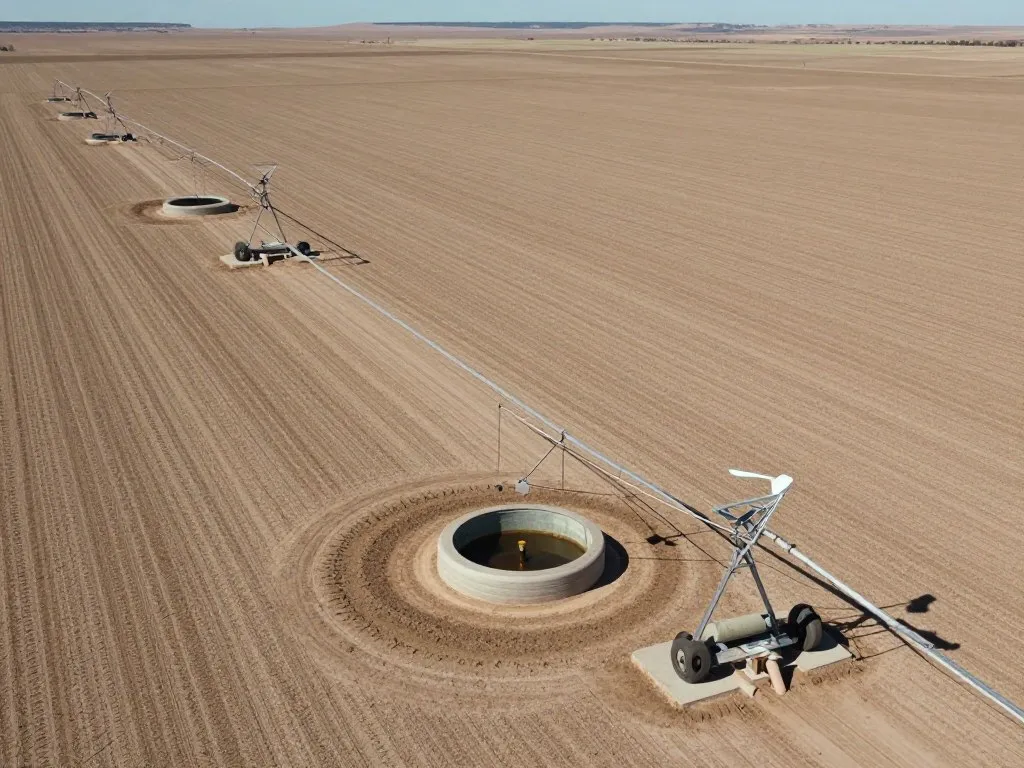
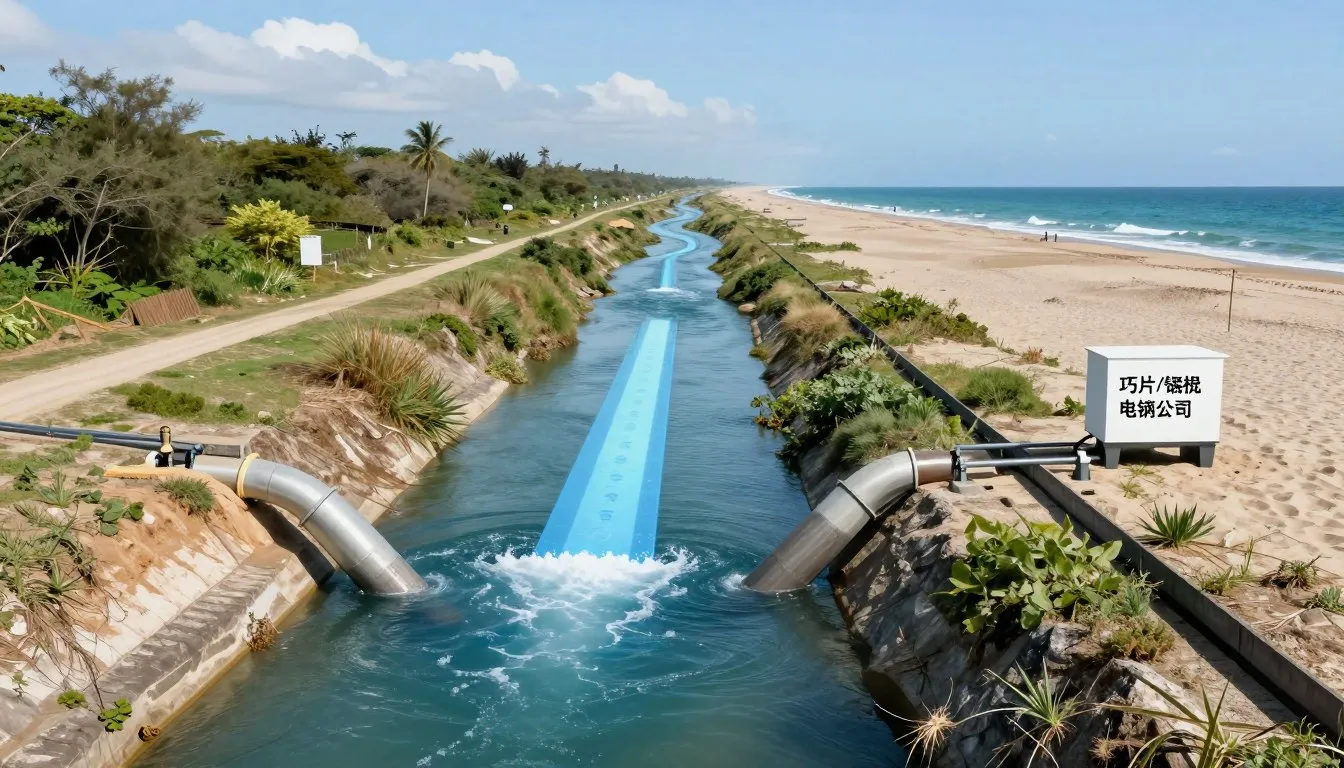
Between 1993 and 2010, researchers estimate that humans pumped about 2,150 gigatons of groundwater. One gigaton equals one billion metric tons. Much of that groundwater was used for farms, cities, and industry.
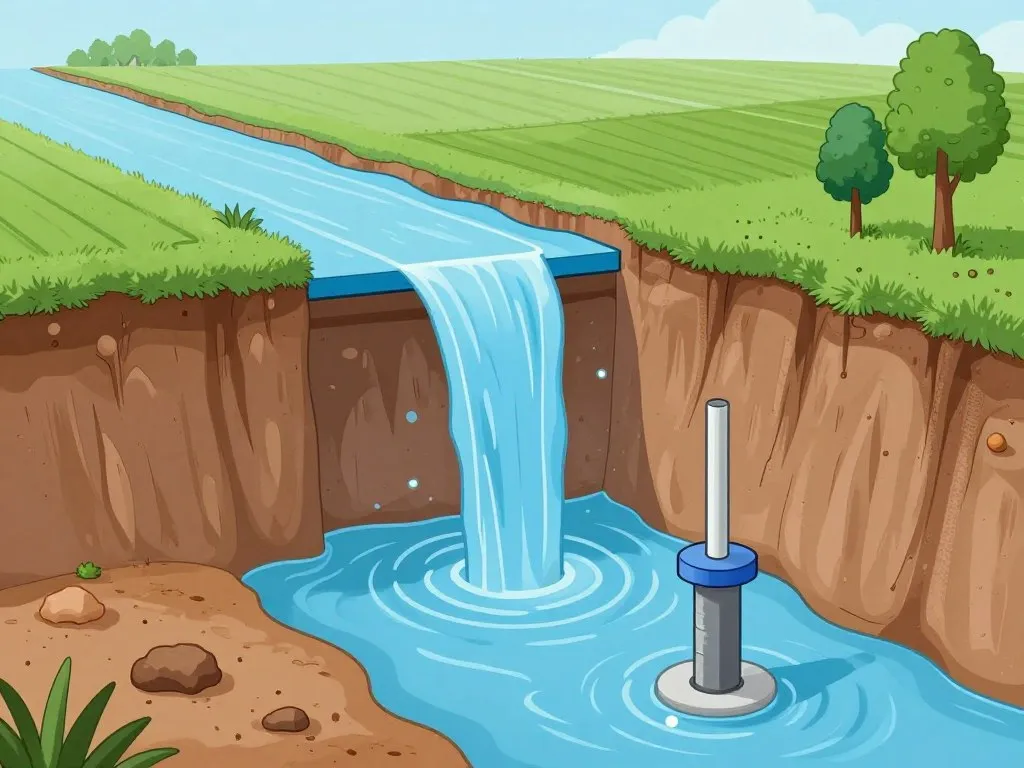
Some extracted water evaporated. Much of it eventually flowed into rivers and oceans. That redistribution moved mass away from underground reservoirs and toward the surface, especially toward the oceans. The change affected the planet’s moment of inertia and contributed to a drift in the rotational pole.
The study concluded that groundwater depletion contributed about 80 centimeters of eastward drift in the pole during 1993–2010. This was not the only cause. Melting ice sheets, glaciers, ocean circulation, and processes within Earth also influence polar motion.
| Phenomenon | Main cause | Typical timescale | What it changes |
|---|---|---|---|
| Polar motion | Water, ice, atmosphere, and interior mass shifts | Seasonal to decades | Location of the rotational pole |
| Geographic poles | A reference based on Earth’s shape and coordinates | Long-term geological change | Mapping and geographic reference points |
| Orbital tilt | Long-term gravitational interactions | Thousands of years | Seasonal geometry around the Sun |
| Length of day | Tides, atmosphere, oceans, and mass movement | Milliseconds to centuries | Earth rotation speed |
Implications of Groundwater Use for Earth Rotation Studies
The direct shift is not a climate disaster. The pole’s motion does not change weather or make the planet visibly lean. Its importance lies in what the measurement reveals about water use and Earth-system accounting.
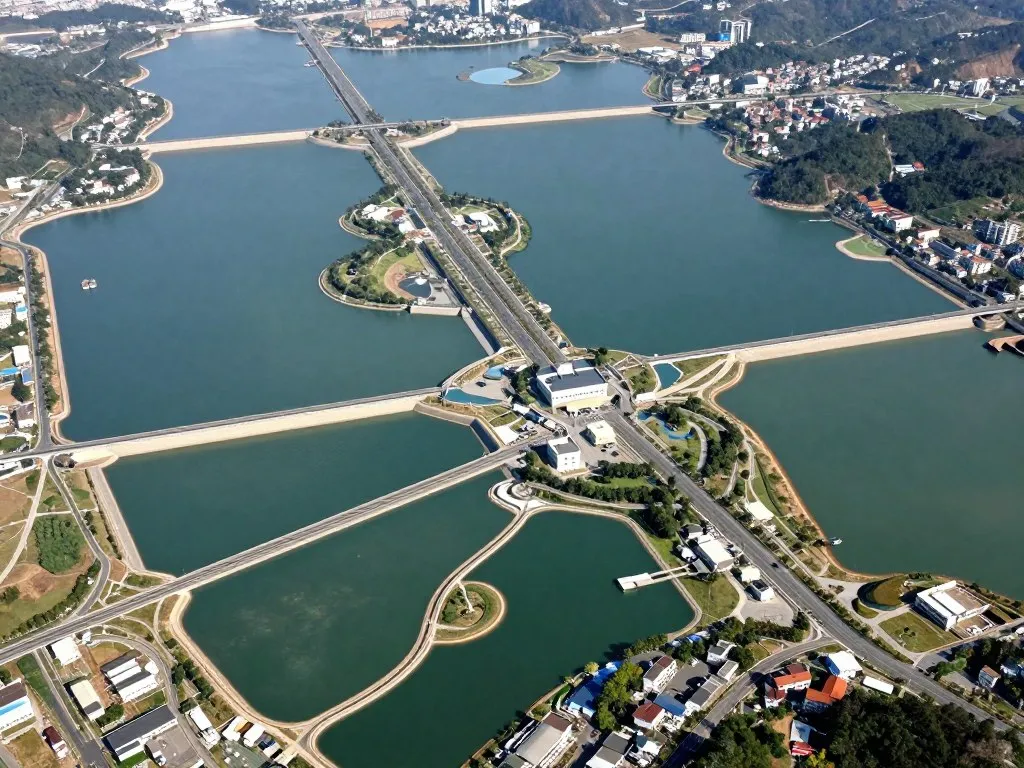
Groundwater depletion is already a serious concern. Aquifers can support food production and drinking water for years, but pumping faster than natural recharge creates a hidden loss. Tracking that loss helps scientists connect local water decisions with global changes.
- Sea-level rise: Water transferred from land to oceans adds to ocean volume. Groundwater use is therefore one contributor to observed sea-level rise.
- Geodesy: Precise measurements of Earth rotation help maintain navigation, satellite positioning, and global reference systems.
- Climate science: Polar motion offers another way to test models of ice loss, ocean movement, reservoirs, and groundwater depletion.
- Water policy: The result shows that aquifer use has effects beyond the basin where pumping occurs.
Researchers can use Earth rotation as a broad accounting tool. If models fail to explain observed motion, scientists can investigate missing water transfers or inaccurate estimates of depletion.
The study was a model-based analysis, not a direct measurement of every well on Earth. Groundwater pumping records are incomplete in many regions. Estimates also vary because scientists must determine how much extracted water remains on land, enters rivers, evaporates, or reaches oceans.
The 80-centimeter estimate describes a contribution to pole drift over 1993–2010. It does not mean the entire axis moved 80 centimeters in space, and it does not mean Earth’s orbital tilt changed by a comparable amount. The result is one part of a larger pattern of Earth rotation.
Even with those limits, the study is valuable. Work reported through Geophysical Research Letters and associated research by Seoul National University shows how a familiar human activity can appear in planetary measurements. Groundwater pumping is local in practice, but its effects can become global in the mathematics of a spinning planet.
The broader lesson is simple: water storage is part of Earth rotation. Better monitoring of aquifers, reservoirs, ice, and oceans will make future models more accurate and help communities manage groundwater before depletion becomes irreversible.