Can you beat sports betting? a psychologist and two losing players answer
The question sounds simple, but the answer depends on what “beat” means. A person may win a game, a weekend, or even a season of bets. Consistently earning more than the amount lost is a different test.
A psychologist and two losing players offer three views of the same activity. The psychologist focuses on judgment and reinforcement. The players describe how small decisions became repeated action. Together, their accounts point to a difficult distinction: winning individual bets is possible, while overcoming the long-term structure of sports betting is much harder.
Can sports betting be beaten over time?
The answer changes with the time frame. A bettor can select a winning outcome, and a series of favorable results can produce a profit. That short-term result does not establish a repeatable advantage. Sports betting is built around odds that reflect an expected outcome and a price offered by the sportsbook.
The sportsbook does not need every customer to lose every bet. It needs the total money accepted and paid out to produce a favorable margin over time. That margin is included in the odds. The exact size can vary by market, sport, operator, and price, but the basic structure remains: the customer takes the risk, while the sportsbook sets the terms for the transaction.
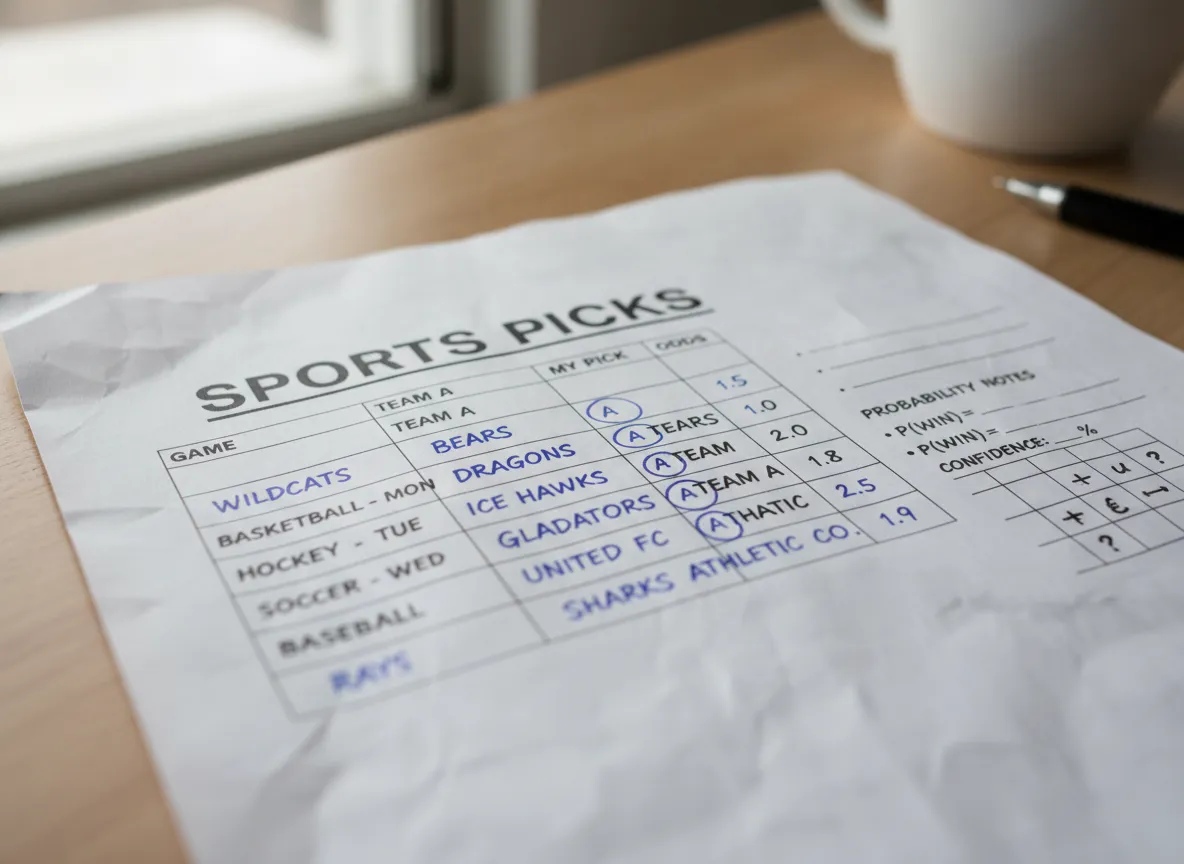
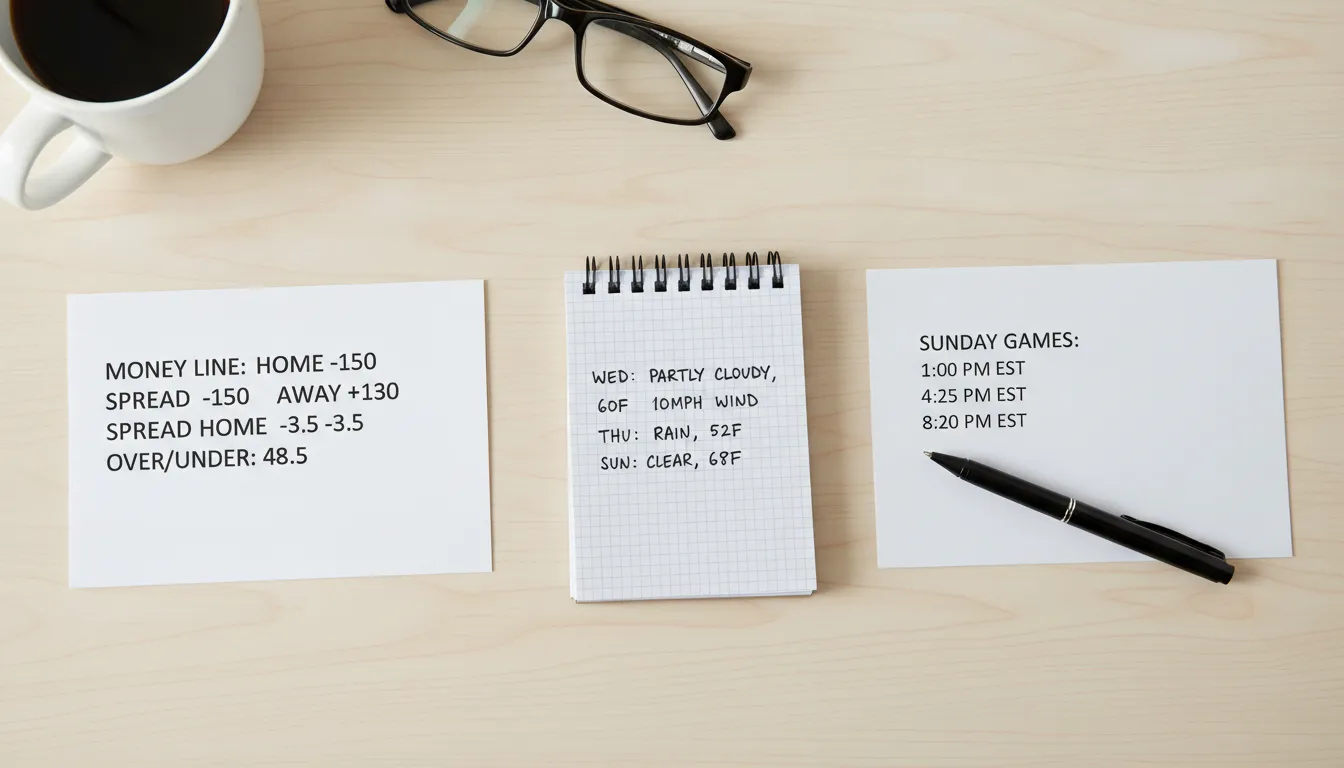
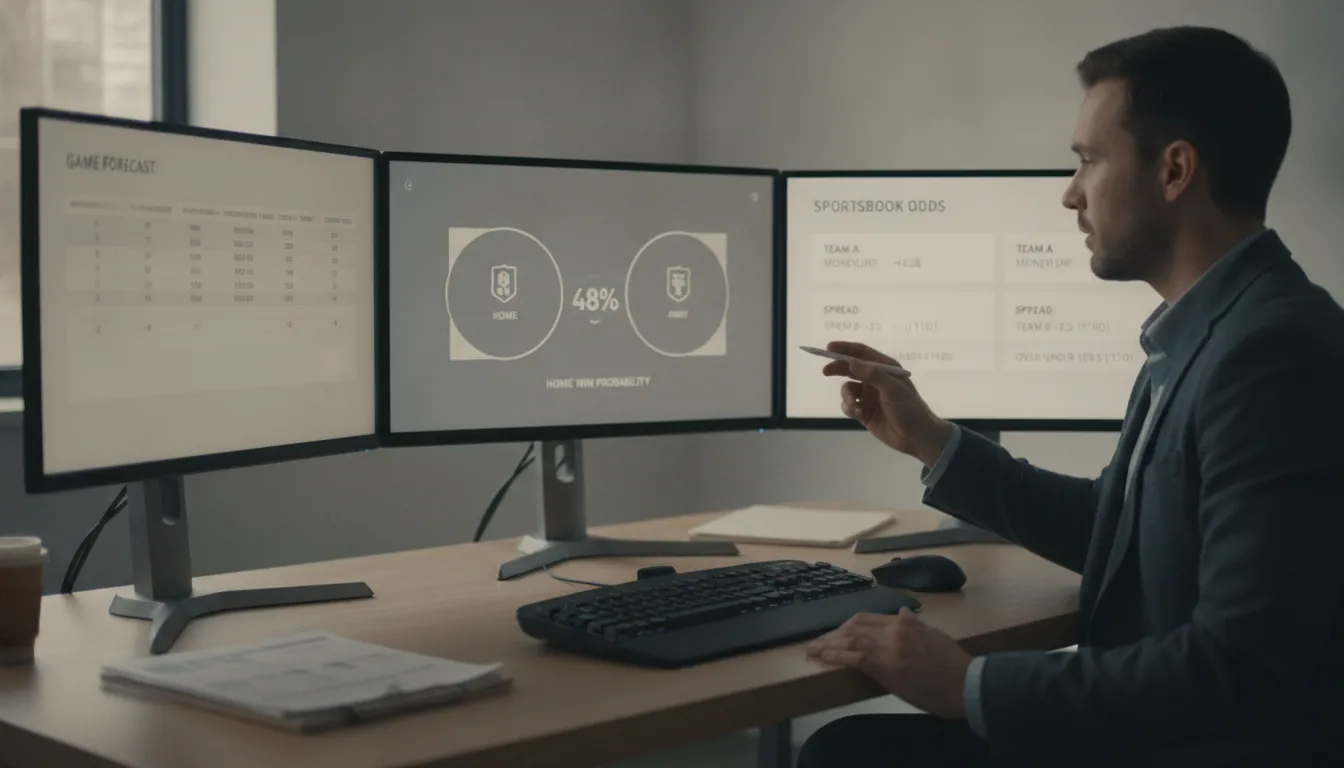
A bettor may try to overcome that structure through research. They may study injuries, weather, schedules, team form, line movement, or player props. Research can improve understanding of a game. It does not automatically create a profitable edge. Information may already be reflected in the odds, and another market participant may act on the same information sooner.
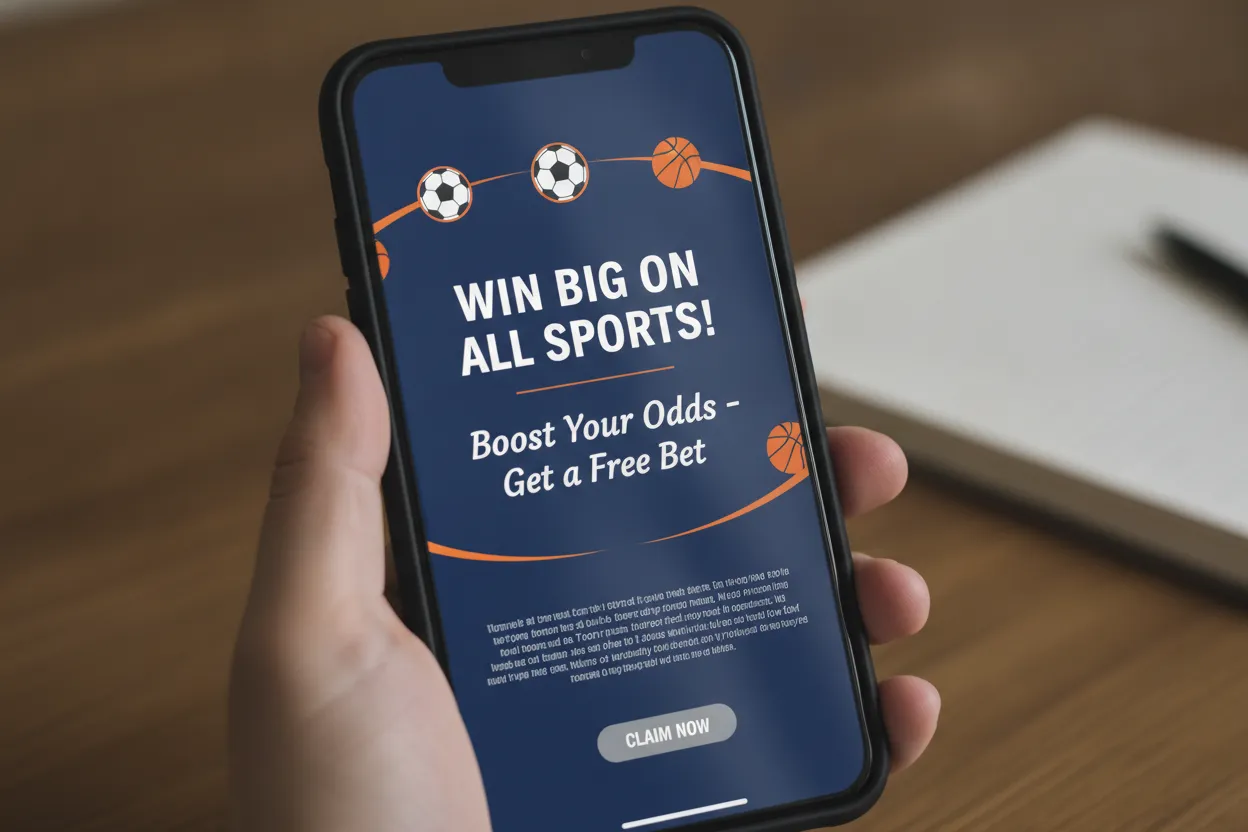
Promotions can also change the amount at risk. A bonus, odds boost, or insurance offer may reduce the cost of a particular action. Promotions often have conditions, limits, expiration periods, or restrictions on withdrawals. A promotion is not the same as a permanent advantage, and the customer still faces the risk of placing bets that would not otherwise be made.
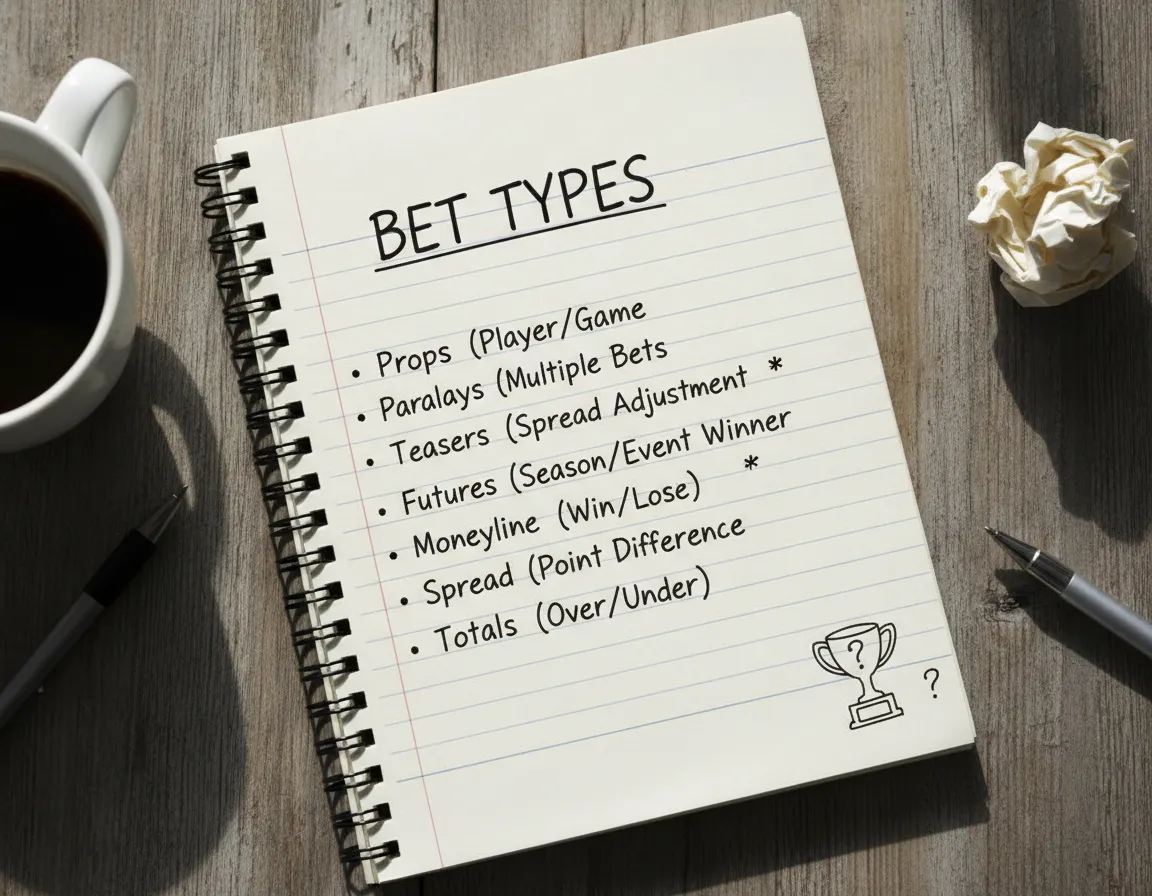
Parlays and teasers make the question more complicated. They combine outcomes into one ticket. A successful parlay can offer a large return from a small stake, while one failed selection can defeat the entire bet. The larger advertised payout can attract attention, but the combined structure also increases the number of ways to lose.
Futures bets create another time problem. A bet on a season outcome may remain open for months. The result can be affected by injuries, trades, schedule changes, and information that was not available at the time of the bet. The long wait can also make money feel less immediate, even though the stake was committed at the start.
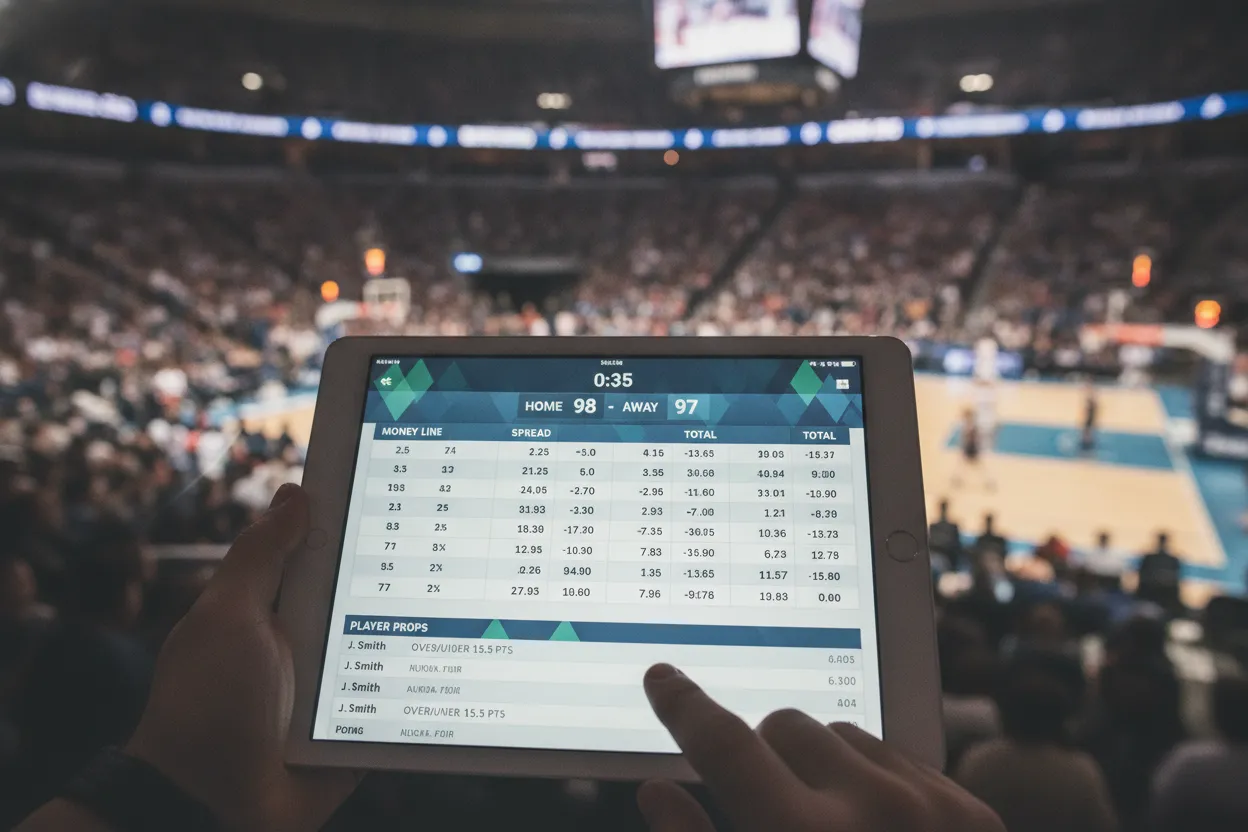
Live betting adds speed. Odds change as the game develops, and the app may present a new action every few minutes. That speed can make a decision feel responsive and informed. It can also reduce the time available to question whether the new bet fits a plan.
None of this means skill is irrelevant. Some bettors understand statistics, market pricing, and risk better than others. The narrower claim is that ordinary research does not guarantee a reliable profit. To beat sports betting in the long run, a person would need an advantage that remains after the sportsbook’s price, errors, limits, and losses are accounted for.
The two losing players in this account reached the issue from different directions. One treated sports betting as an extension of sports knowledge. The other treated it as a way to recover losses. Their paths were different, but both found that a single winning bet could strengthen a habit even when the overall result was negative.
What the psychologist sees in losing players
A psychologist examining betting behavior would not need to assume that either player was careless or uninformed. People can make reasonable decisions in one moment and still develop an unhelpful pattern across many moments. The central issue is often the relationship between uncertainty, reward, and repetition.
A win can provide a strong emotional signal. It may be remembered more clearly than several ordinary losses. The person may connect the result to research, instinct, or timing. That interpretation can encourage another bet, even when the win was partly or entirely the result of chance.
Losses can create a second form of pressure. A player may want to restore the balance by placing another bet. This is commonly called chasing losses. The next action is no longer based only on the game or the odds. It is also an attempt to change an uncomfortable financial result.
The first losing player began with a sports identity. They followed teams, understood basic statistics, and felt that careful study separated informed bets from random ones. A bet on a favorite seemed connected to knowledge about the sport. When the favorite lost, the response was not to question betting itself. It was to search for a better selection.
That search expanded into props, parlays, and live markets. Each type offered a new explanation for the previous loss. A poor result could be blamed on a late injury, an unexpected play, or a line that moved at the wrong time. The range of choices made it easy to continue looking for the right market instead of asking whether the overall activity was affordable.
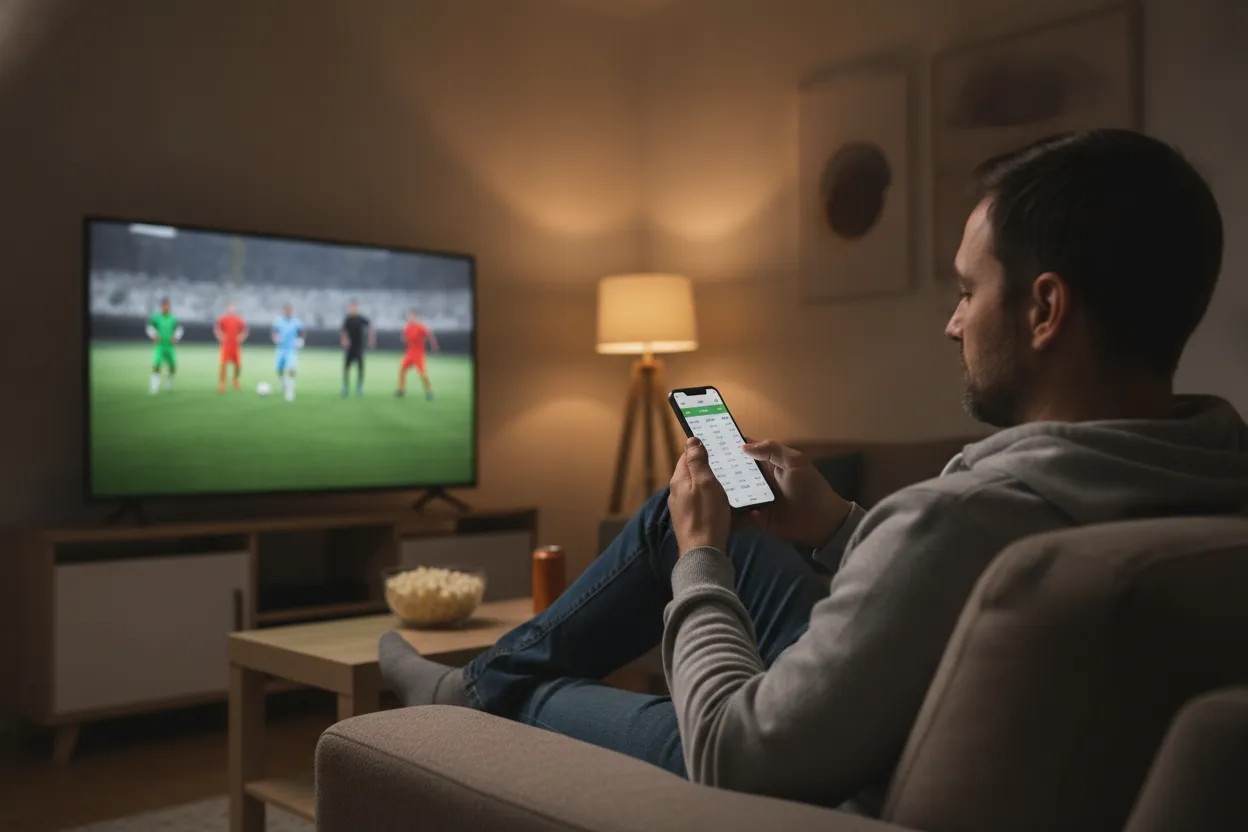
The second losing player had a different starting point. They did not describe themselves as a serious sports fan. The appeal was convenience. The app made it easy to place bets from home, check odds during a game, and act without traveling to a sportsbook. The first bets were small, but the repeated action became part of watching sports.
For this player, live betting changed the pace. A loss could be followed by a new market before the game ended. The next bet felt separate from the previous one because the score and odds had changed. Financially, however, the new action still added to the total risk.
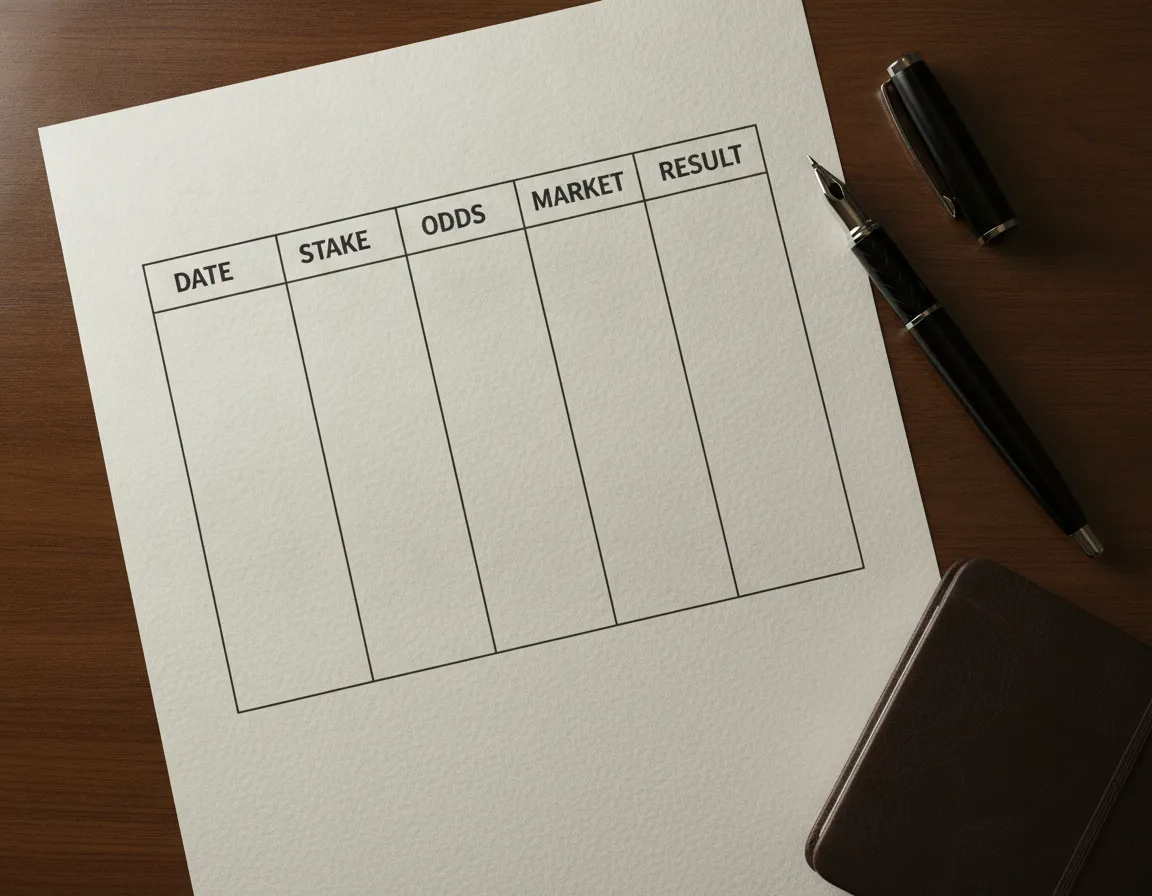
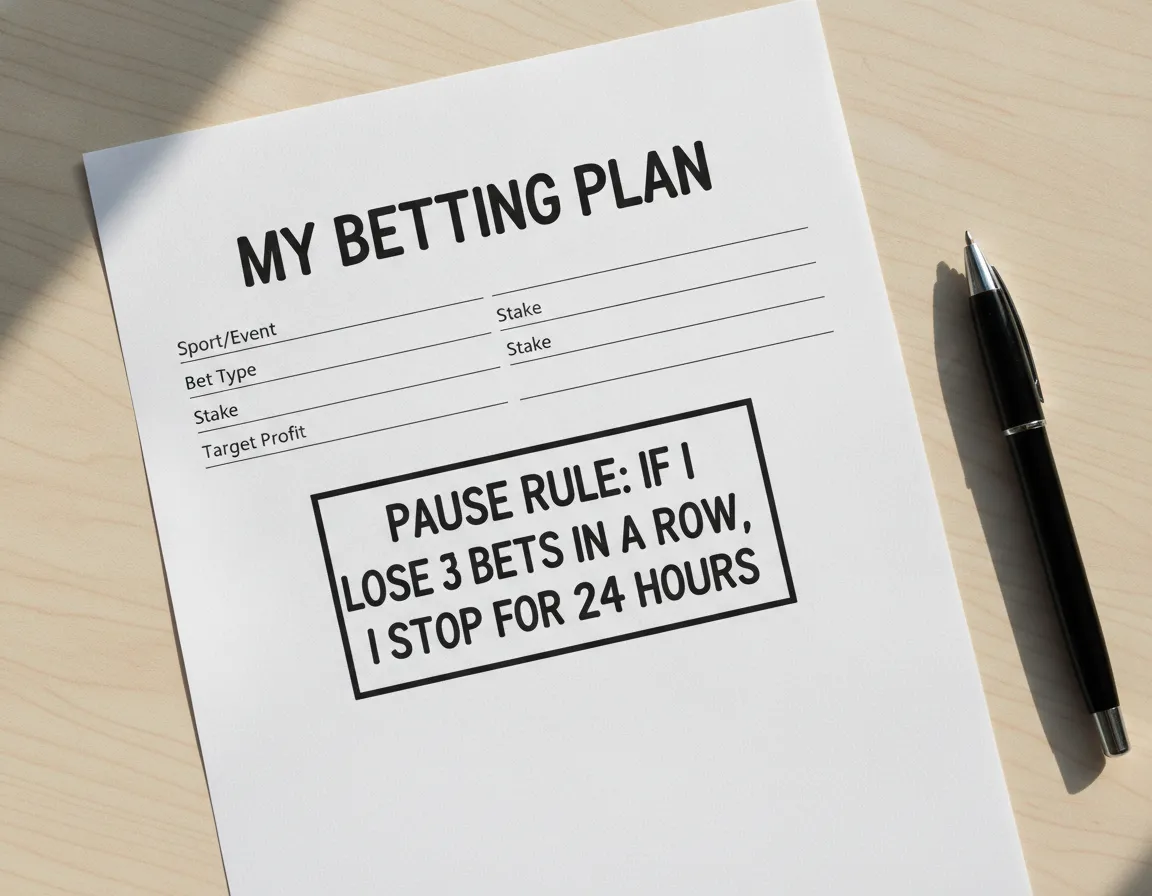
The psychologist’s perspective connects both accounts. A person may focus on the next decision while ignoring the running total. A betting log can correct that blind spot by recording the date, market, stake, odds, result, and reason for the bet. The record is not a prediction tool. It is a way to see behavior across time.
- Record the stake before placing the bet, not after the result is known.
- Separate the result of one game from the total result for the week or season.
- Note whether the bet followed a loss, a win, a promotion, or a period of live action.
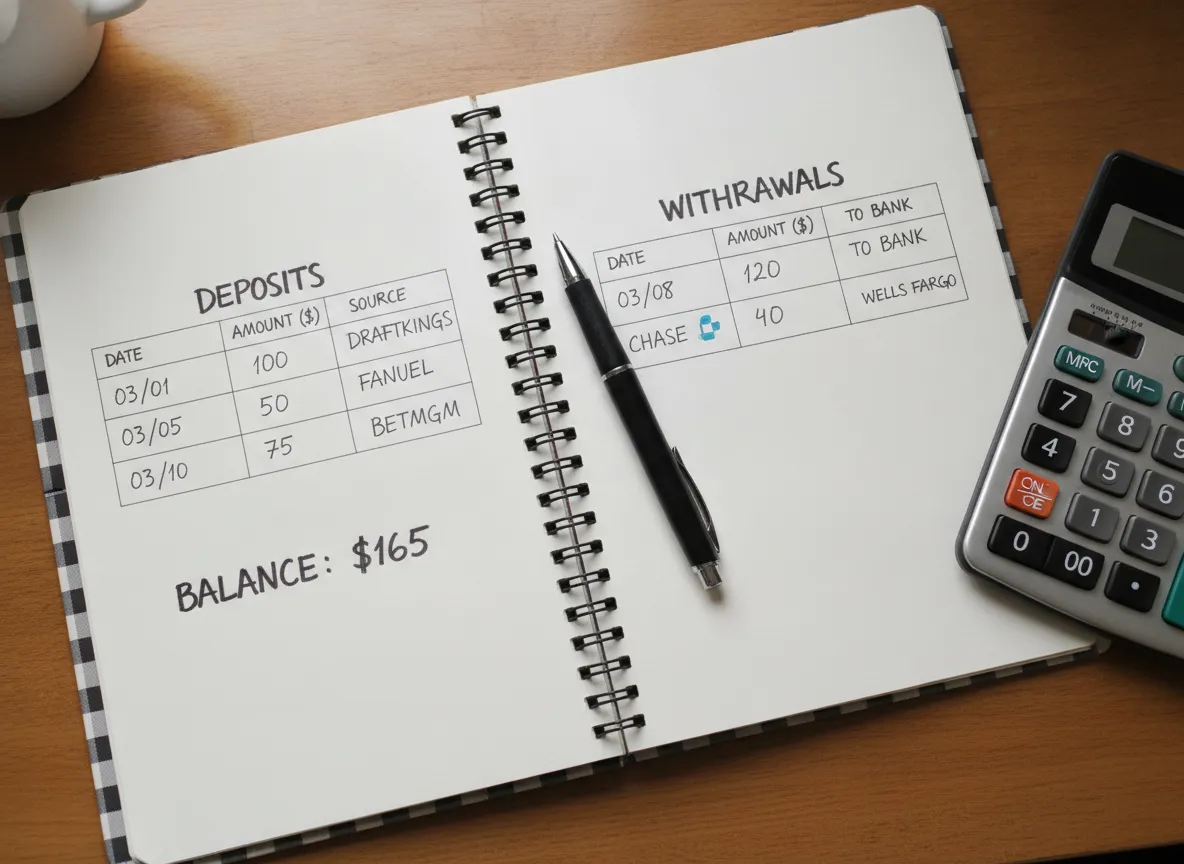
- Include deposits, withdrawals, and fees when reviewing the total outcome.
- Pause when the reason for a bet is recovery rather than a clear, preplanned decision.
These steps do not turn a losing strategy into a winning one. They make the pattern easier to see. That is important because a sportsbook interface presents action one selection at a time, while the financial effect accumulates across days, hours, and seasons.
Why odds, apps, and promotions can change behavior
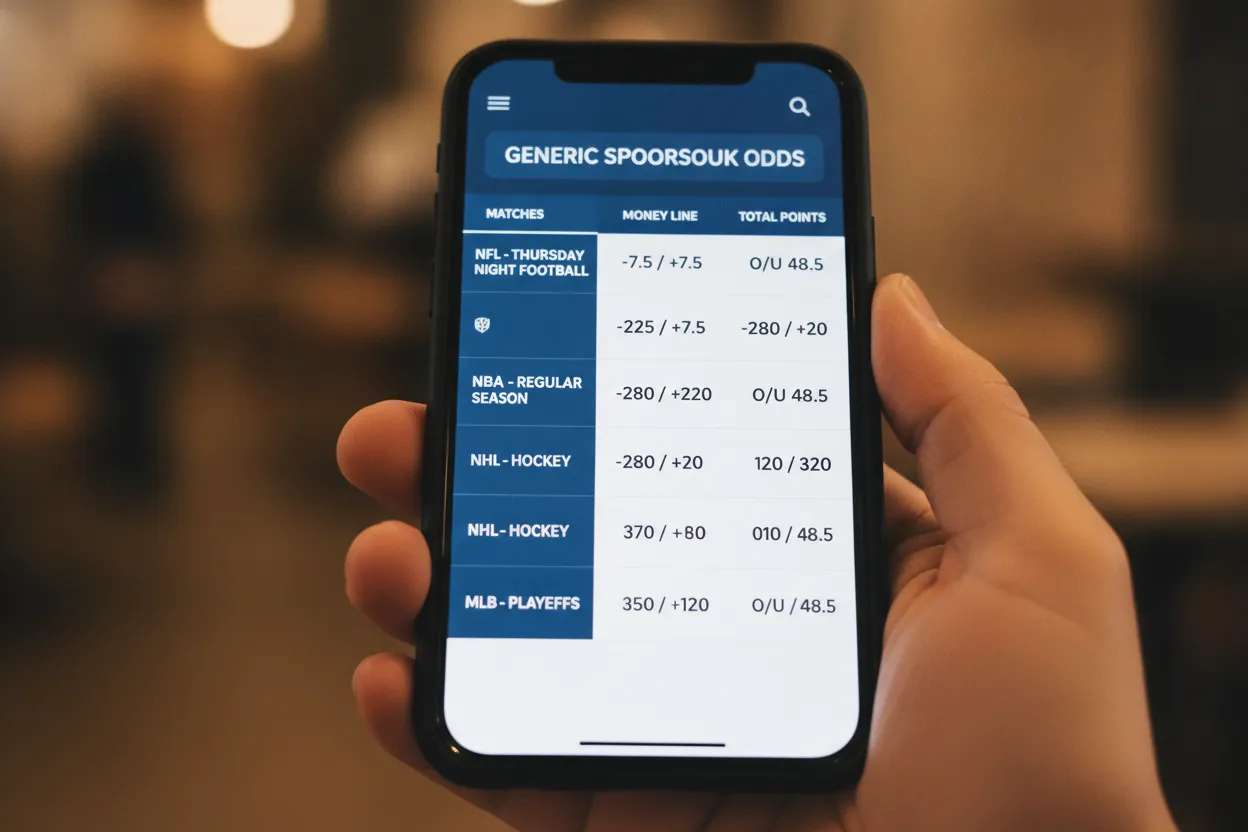
Odds are often treated as a forecast. In practice, they are also a price. They express how much a customer may receive relative to the stake and how the sportsbook has arranged the market. A shorter price may reflect a popular or more likely outcome, but it does not remove uncertainty.
The phrase “bet favorite” can sound safer than it is. A favorite is not guaranteed to win. A team may have a stronger perceived chance and still fail in the specific game. Repeatedly betting favorites can also produce losses if the price is too low for the actual probability.
The same caution applies to bet NFL markets, college sports, and other popular events. Familiarity with a league may improve a person’s confidence without improving the price available to them. Confidence and value are separate questions.
Props can make a bet feel personal because the selection concerns a player’s points, yards, shots, or other event. Parlays can make several opinions appear together on one ticket. Both formats increase the number of details that demand attention. More selections do not automatically mean better analysis.
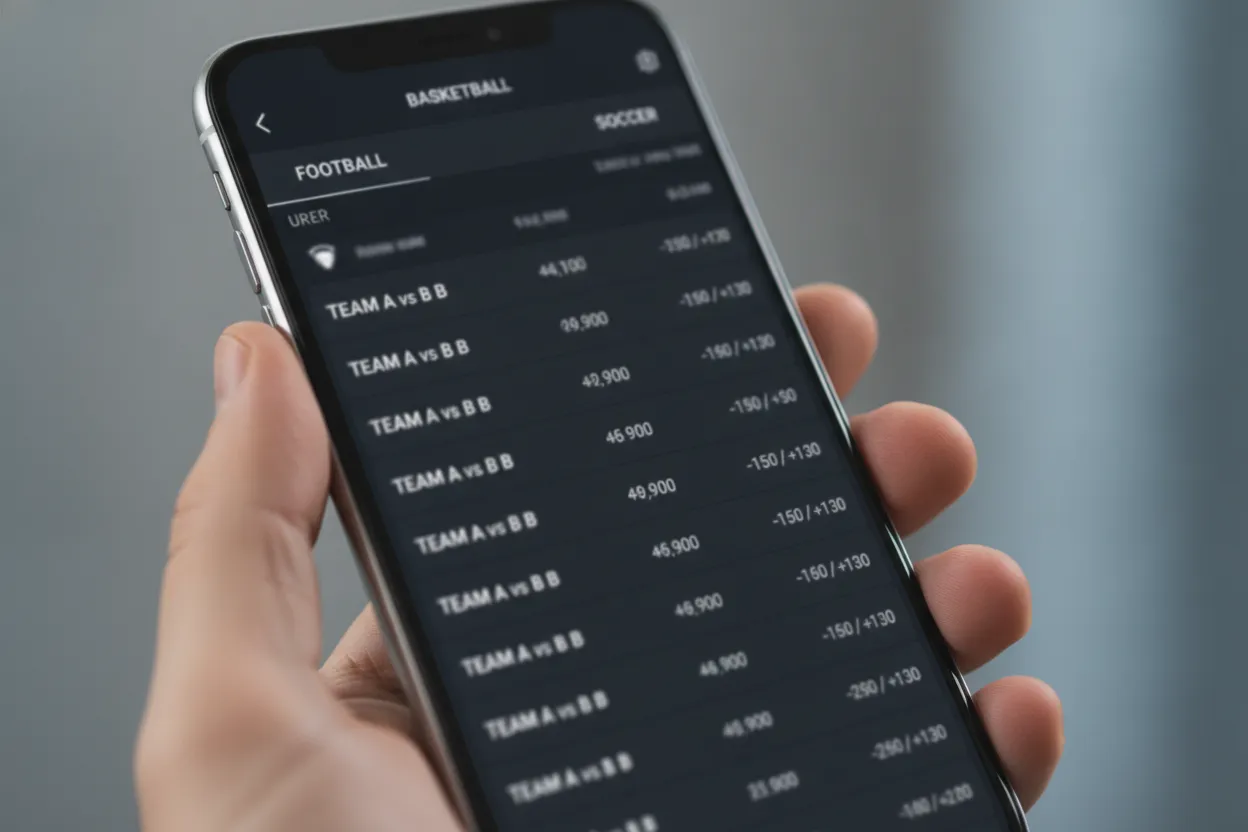
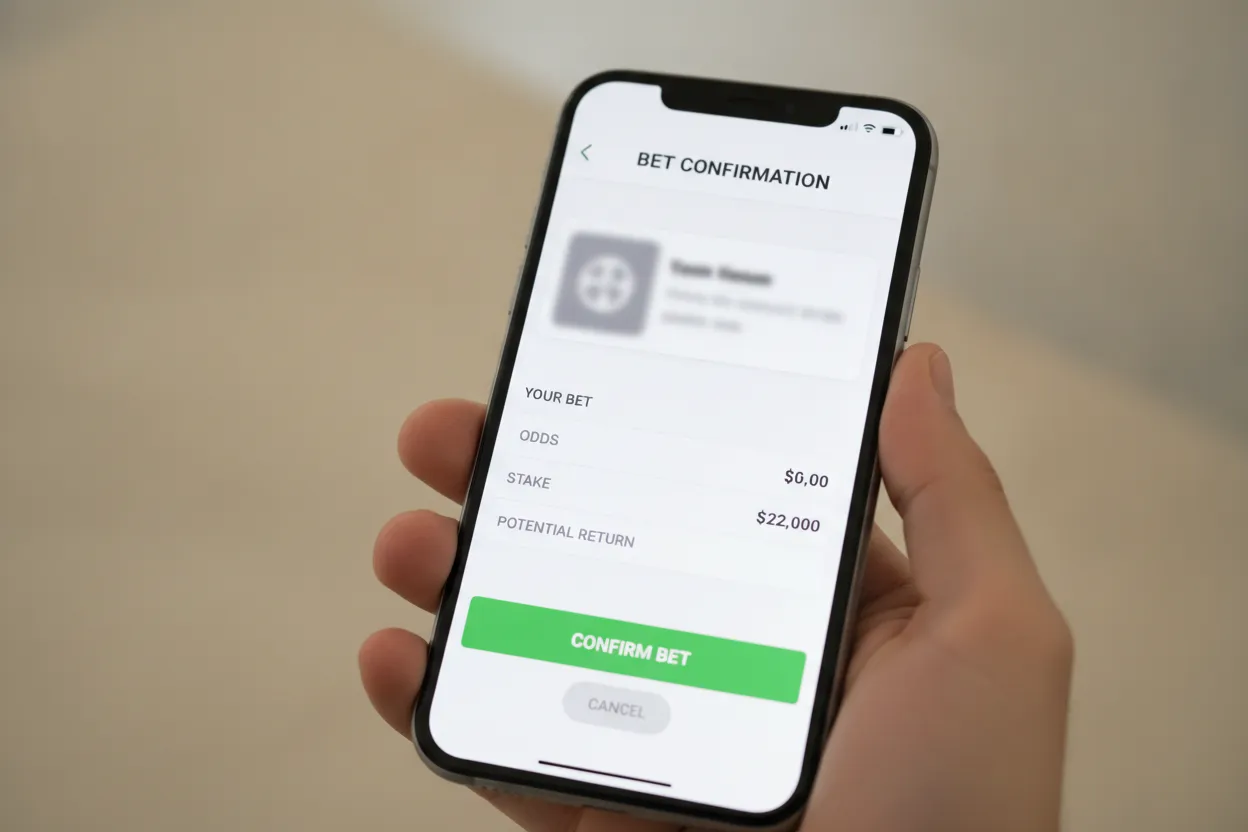
The app is part of the decision environment. It keeps odds visible, reduces the time between thought and action, and can send attention back to a game. Convenience is useful for account access and withdrawals, but convenience can also remove natural pauses. A person at home may place bets during ordinary activities without treating each action as a financial decision.
Promotions add another layer. A new customer may see a welcome offer, while an existing customer may see a boosted price or a limited-time selection. These messages are designed to encourage action. They do not establish that the underlying bet is suitable, affordable, or profitable.
Withdrawals can also influence a customer’s perception of the account. A balance displayed in an app may feel like available money, even when it includes unsettled bets or promotional terms. Checking the rules for withdrawals, settlement, and account limits is part of understanding the actual position.
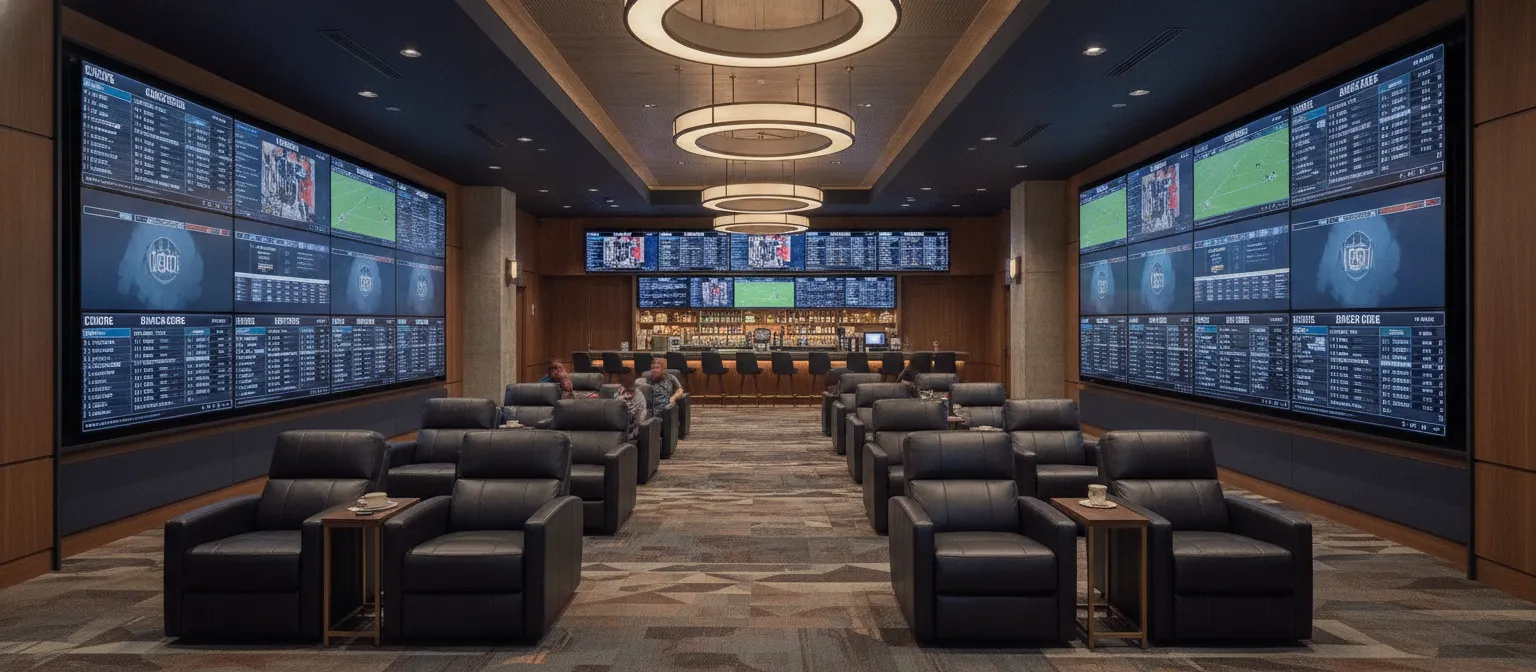
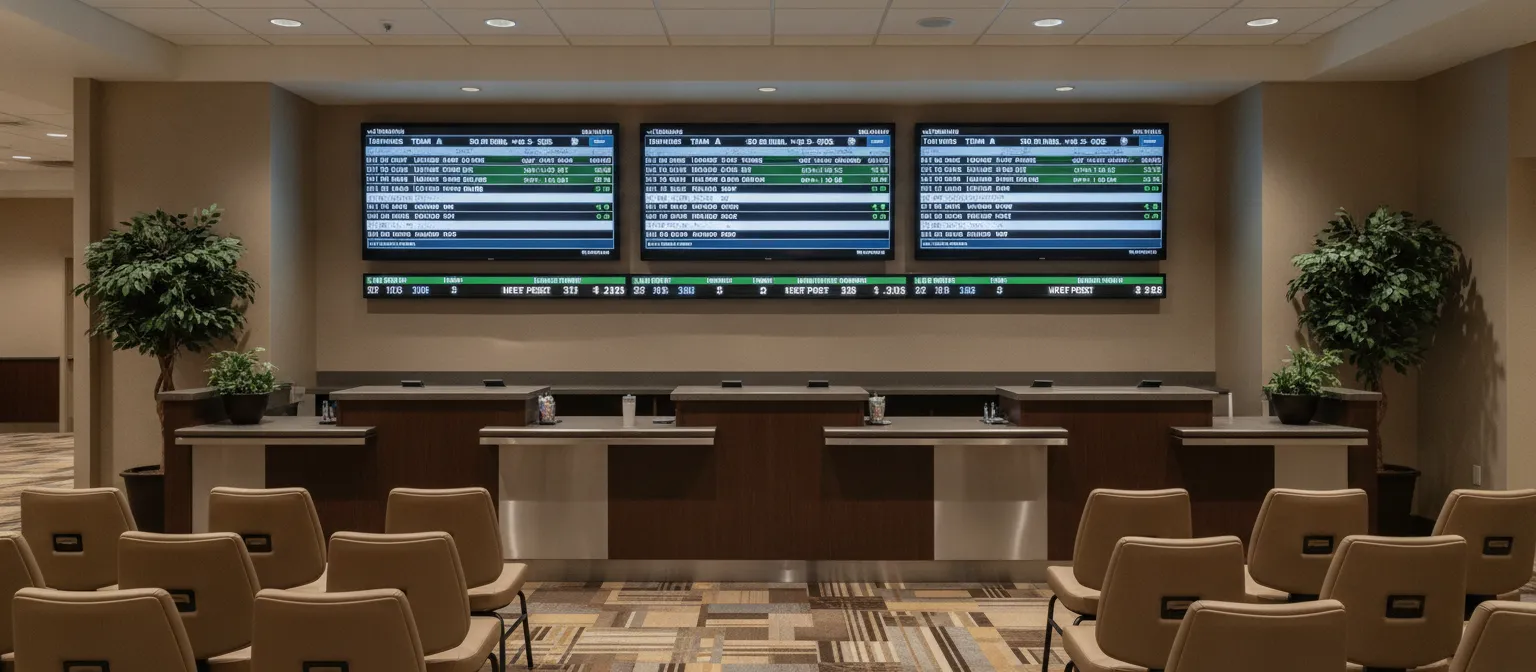
Hours and location matter as well. A casino sportsbook in Los Angeles or another city may have a physical setting, while an online app can be available across the day where permitted. The channel changes the pace and context, but it does not change the basic risk of the bet.
What the two losing players would change
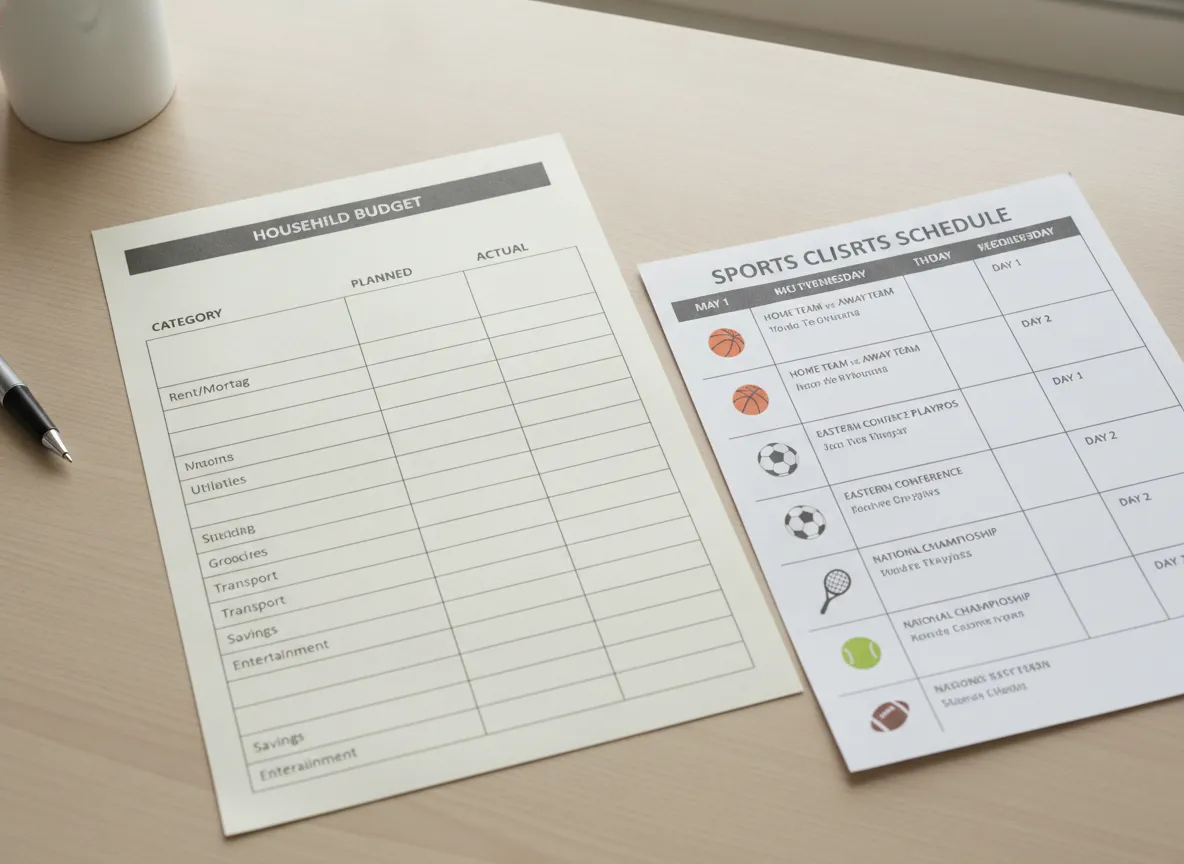
The first player would separate sports knowledge from betting confidence. Knowing a team’s roster or following a season closely can support an opinion, but an opinion is not the same as a priced advantage. Before choosing a bet favorite, the player would ask what the odds require and whether the stake can be lost without changing household spending.
The second player would treat speed as a warning sign. Live betting can make the next opportunity appear before the previous result has been processed. A pause between events would help reveal whether the action is planned or simply a response to the changing score.
Both players would review the full account rather than selected wins. That review would include deposits, withdrawals, open bets, promotions, and any funds used to continue after a loss. Looking only at settled winning tickets can create a distorted picture of performance.
A practical test begins with a simple question: would the bet still be placed if there were no promotion, no audience, and no opportunity to recover an earlier loss? If the answer is no, the action may be driven by context rather than a considered view of the odds.
The next question concerns time. Is the person planning bets for the season, or reacting during individual games? Futures bets and season selections may reduce the number of decisions, but they still expose money to an uncertain outcome. Frequent live betting creates more opportunities to act, not more certainty.
The third question concerns purpose. A person may enjoy sports, entertainment, competition, or analysis. Those reasons can coexist with betting, but the money at risk should not be confused with the cost of watching a game. If the activity is meant to provide entertainment, the amount should be treated as a cost that may be fully lost.
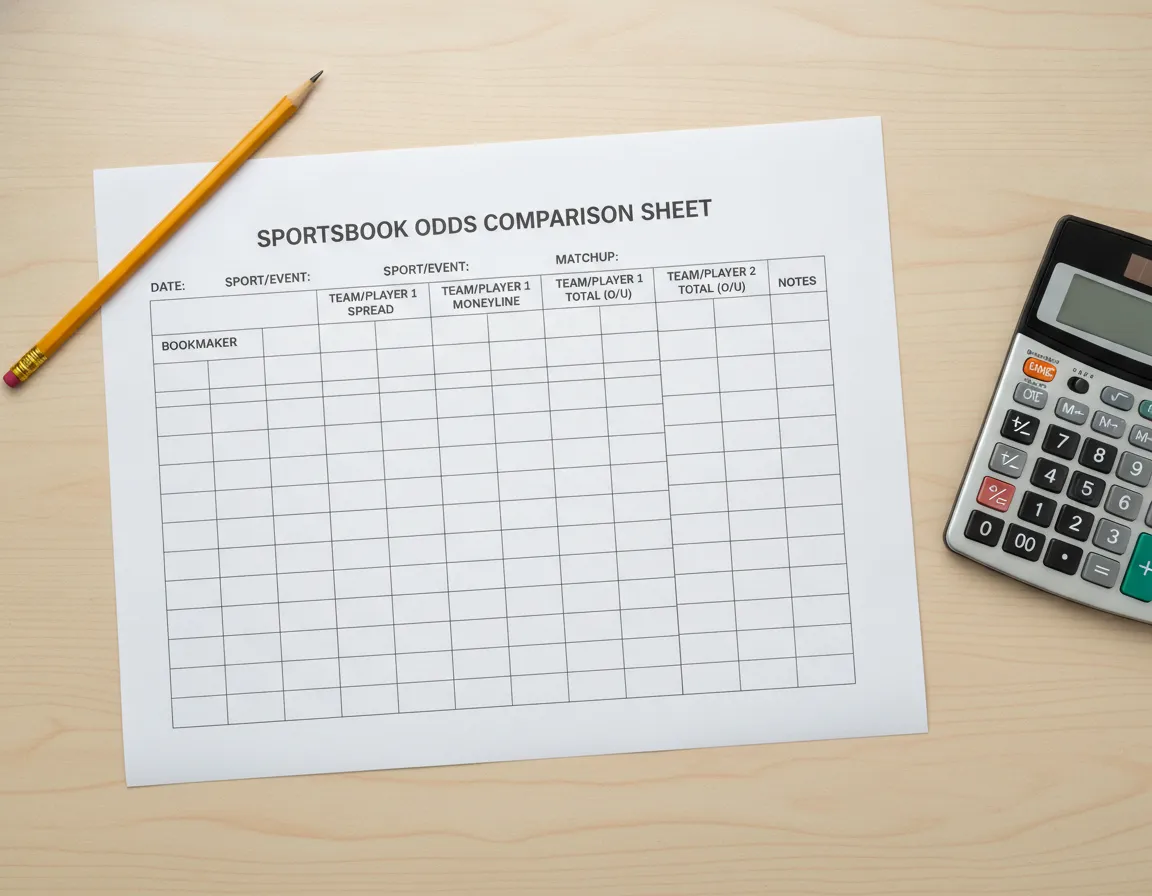
A person who wants to bet sports may also compare different sportsbooks. That comparison can involve odds, markets, app design, promotions, limits, customer service, and withdrawal terms. Comparison helps with product choice. It does not remove the risk built into each market.
Readers in Los Angeles or elsewhere may encounter different access rules, hours, and product options depending on location. A physical sportsbook and an online account may present different interfaces and offers. The responsible question remains the same: what is the maximum affordable loss, and what process will prevent an impulsive increase?
The following sequence is more useful than a promise to beat betting:
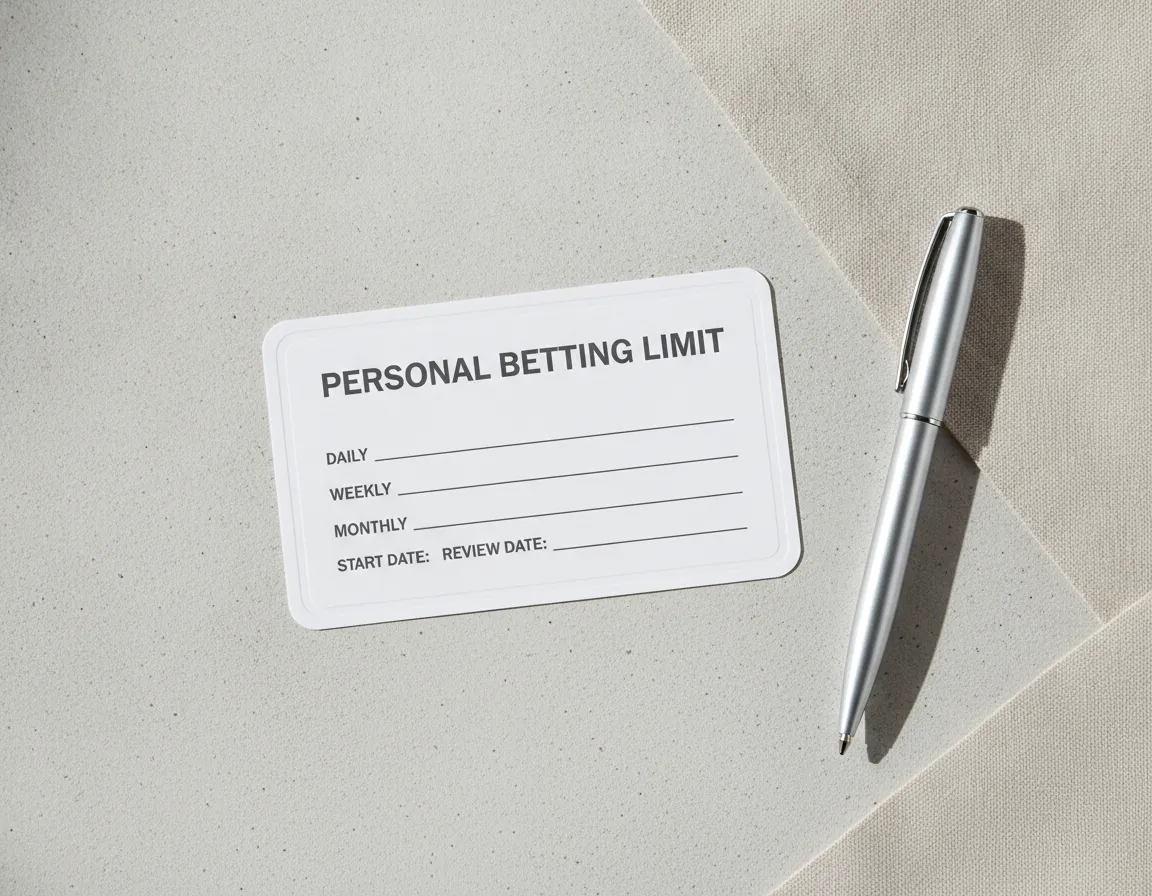
- Define the maximum amount that can be lost without affecting essential spending.
- Choose whether the activity is entertainment, analysis, or an attempt to recover money.
- Read the odds and conditions before selecting a market or accepting a promotion.
- Record every bet, including live betting, parlays, teasers, props, and futures.
- Review the log after a fixed period and stop if the pattern conflicts with the original plan.
This sequence does not predict game results. Its purpose is to limit the influence of urgency and selective memory. It also makes the difference between a single winning bet and a profitable long-term process easier to examine.
Can a specialist with strong methods beat a particular market for a period? It is possible for a person to outperform expectations in a limited sample. The harder question is whether the advantage will survive changing odds, competition, limits, fees, mistakes, and the psychological pressure of losing.
For most readers, the evidence available from one account is not enough to answer that question. A winning weekend cannot establish a durable edge, just as a losing weekend cannot explain every future result. The safest factual conclusion is narrower: sports betting offers uncertain outcomes, and the sportsbook’s pricing gives it a structural advantage over time.
The psychologist would likely focus on the behavior surrounding the bet. The first player needs to question whether knowledge has become confidence. The second needs to question whether convenience has become automatic action. Both need a record that includes every result, not only the moments that are easiest to remember.
Conclusion
Sports betting can produce short-term winners, but a durable profit requires an advantage that exceeds sportsbook pricing and survives repeated decisions. The psychologist’s view and the two losing players’ experiences point to the same practical measure: review the complete betting log, including losses, promotions, live action, and withdrawals.
Additional photos are available in the gallery below.