A new type of funeral In Britain - dissolving the body in alkaline solution
A new funeral method is changing the language around death care. Instead of using a flame or placing a body in the earth, alkaline hydrolysis uses heated water and a chemical solution to return organic material to its basic components.
The method is also called water cremation, aquamation, or resomation. It may reduce some emissions linked with flame cremation, but its legal and cultural position in Britain remains less settled than its growing profile suggests.
The alkaline hydrolysis funeral process
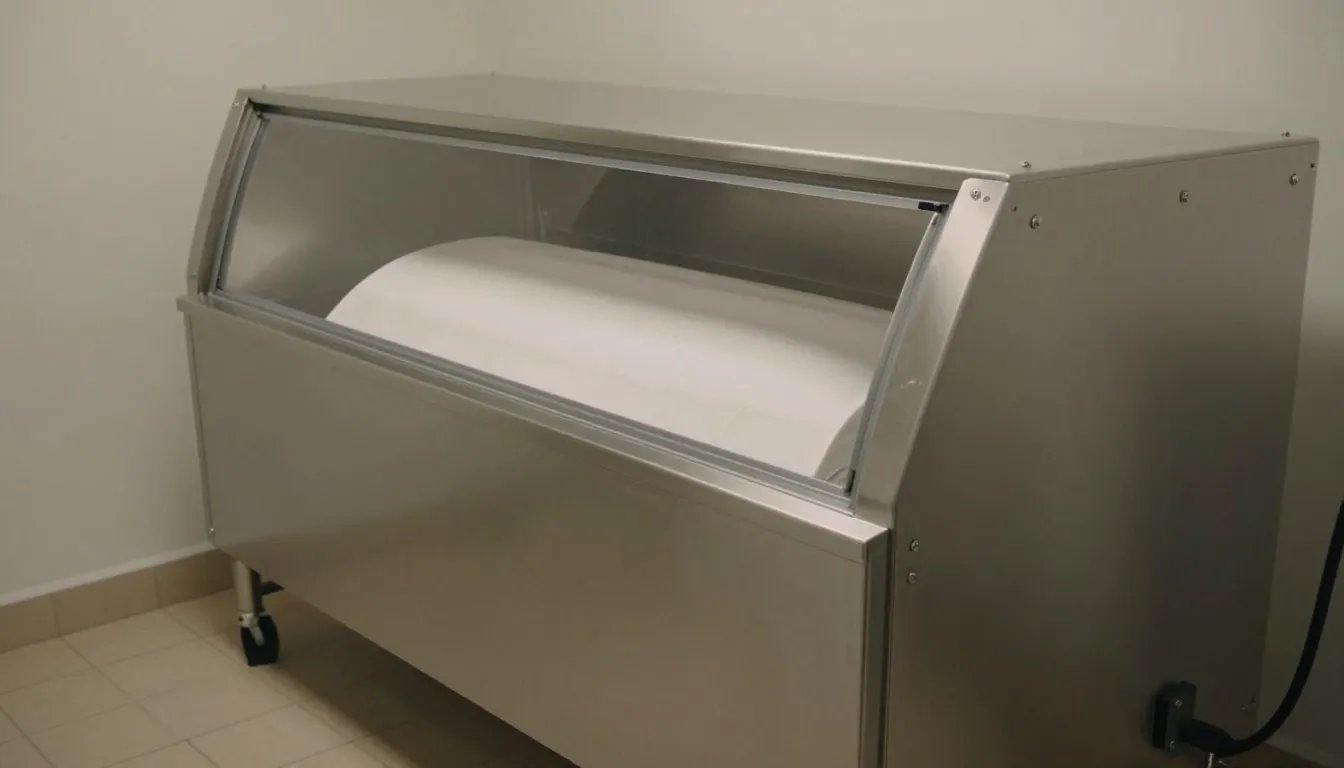
During alkaline hydrolysis, the body is placed in a sealed steel chamber. The chamber contains a large quantity of water and an alkaline agent, commonly potassium hydroxide. Heat and pressure speed up the natural breakdown of soft tissue.
Some systems operate at about 160°C. The exact temperature, pressure, cycle length, and chemical quantity vary by equipment. A typical cycle may take several hours, depending on the body and the machine used.
The process does not “melt” the body in the ordinary sense. Hydrolysis breaks proteins, fats, and other organic materials into a sterile liquid made largely of water, salts, sugars, and amino acids. The liquid is then treated under local wastewater rules.
Hard tissue remains. Bones are dried and reduced to a powder, much like the remains produced after cremation. Families may receive these remains in an urn for scattering, burial, or a memorial ceremony.
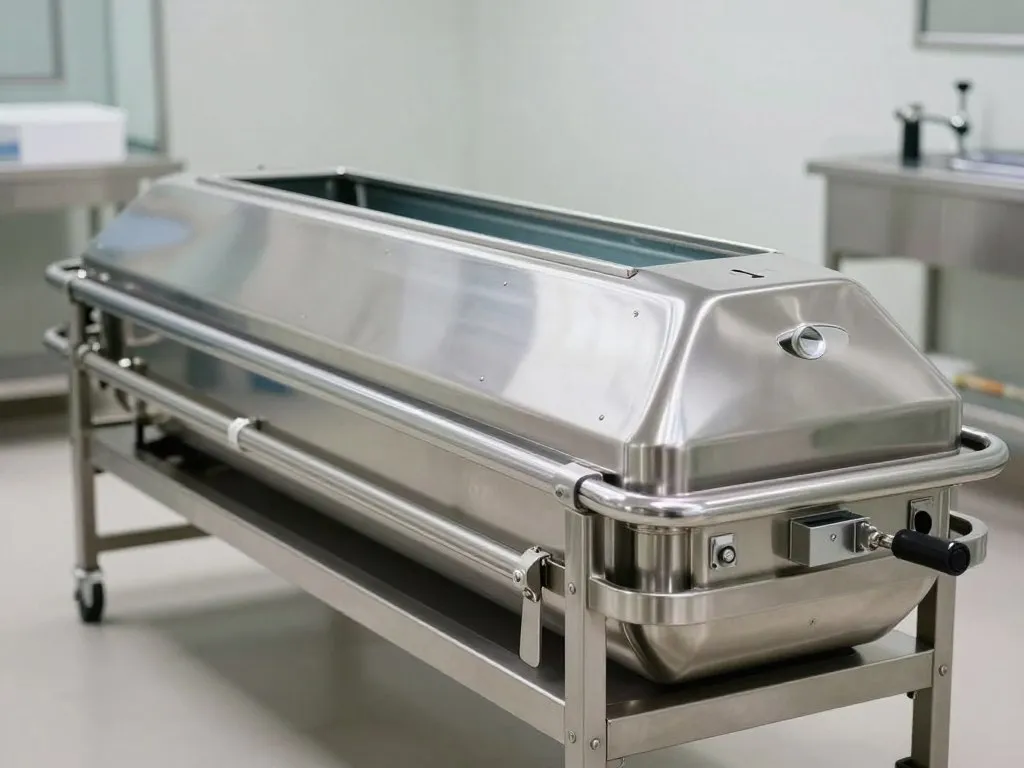
- The body is placed in a sealed vessel.
- Heated water and an alkaline solution support hydrolysis.
- Soft tissue becomes a treated liquid.
- Bone remains are dried, processed, and returned to the family.
- Implants and certain metals require separate handling.
“The process is described as gentle to both the deceased and nature, but that phrase is a value judgment rather than a complete environmental assessment.” — Careful interpretation of common resomation claims
Water cremation does not preserve a complete skeleton. Nor does it return every material to the family. Dental fillings, artificial joints, medical devices, and other metals may be removed or managed separately.
Environmental impact, water use, and practical limits
The main environmental appeal of alkaline hydrolysis is the absence of direct flame. Flame cremation uses very high heat and releases carbon dioxide, nitrogen oxides, and other gases. It can also release mercury from dental amalgam unless abatement equipment captures it.
Water cremation generally uses electricity or another energy source to heat the chamber. Providers often claim lower energy use and about half the carbon emissions of cremation. Such figures are projections, not a universal result. The environmental impact depends on the energy grid, equipment, transport, treatment plant, and chemical supply.
Water use also deserves a balanced view. A single cycle may use hundreds of gallons of water, although some systems recycle part of the water or operate with different quantities. Comparing water use requires a full life-cycle assessment, including cemetery irrigation, burial land, crematory fuel, and travel by families.
| Option | Main physical process | Family receives | Key planning pressure |
|---|---|---|---|
| Alkaline hydrolysis | Heated water, pressure, and an alkaline solution break down soft tissue. | Processed bone remains; liquid is handled under applicable wastewater rules. | Limited availability and uncertain local legal arrangements in Britain. |
| Flame cremation | A gas or electric furnace uses intense heat to reduce the body to bone fragments. | Processed cremated remains. | Energy use, emissions, mercury control, and crematory scheduling. |
| Traditional burial | The body is placed in a grave, where decomposition occurs over time. | A grave or memorial location, subject to cemetery rules. | Land, grave costs, maintenance, and long-term cemetery access. |
| Natural burial | The body is buried in a conservation setting with fewer conventional materials. | A location within a natural burial ground, often with a simple marker. | Site rules, transport, seasonal access, and memorial restrictions. |
Compared with burial, water cremation uses little permanent land. Burial can offer a physical place for remembrance and may support a protected meadow through natural burial. Neither option is automatically environmentally friendly. Coffins, embalming, transport, cemetery management, and memorial materials all affect the result.
Families should therefore treat carbon comparisons as useful starting points rather than guarantees. A provider should explain its energy source, water management, wastewater arrangements, and metal recycling policy in plain language.
Legal status and cultural acceptance in Britain
In the United States, alkaline hydrolysis is permitted in a number of states, although the rules differ. It is also available in parts of Canada and South Africa. Britain has attracted interest, but interest is not the same as nationwide approval or routine access.
Funeral law in Britain is shaped by separate rules and authorities across England, Wales, Scotland, and Northern Ireland. A process may also involve environmental permits, building standards, wastewater regulation, public health duties, and the rules of a specific crematorium or funeral provider.
Some reports have described the liquid from the process as comparable to commercial wastewater. That classification does not by itself settle every question about operating a public funeral service. Local permissions, discharge controls, and facility requirements still matter.
Availability should be checked directly with a funeral director. Ask whether the service is currently offered in the relevant nation of the United Kingdom, where the process takes place, which authority regulates the discharge, and what happens to implants and personal items.
- Confirm that the provider is operating lawfully in the exact location.
- Request a written explanation of the process and total price.
- Ask whether a viewing, religious rite, or farewell ceremony is possible.
- Check how bone remains are identified, processed, and returned.
- Discuss family wishes before making a final arrangement.
Cultural acceptance may take longer than technical approval. Some people see water cremation as a calm, low-flame alternative. Others may find the idea of a liquid difficult or contrary to religious teaching. The language used by a funeral director should remain respectful and free from pressure.
Planning a respectful and informed choice
Choosing a funeral method involves more than comparing carbon dioxide figures. It is also a decision about ceremony, faith, cost, location, family comfort, and the kind of memorial that will remain after the service.
For some people, alkaline hydrolysis may provide an eco-friendly alternative to flame cremation. For others, burial or natural burial may better express their values. The best option is personal, and practical availability can narrow the choice.
Before planning, write down the questions that matter most:
- Is the method available near the place of death?
- Can the family hold a viewing or farewell service?
- How much water and energy does the facility use?
- Are the quoted emissions measured or estimated?
- Will the remains be returned in the same way as cremated remains?
- What legal, religious, or cemetery restrictions apply?
Clear answers help families avoid decisions based on slogans. They also give relatives space to understand an unfamiliar method before grief makes planning harder.
In Britain, alkaline hydrolysis remains a developing area of funeral care. Its process is technically established in several countries, while its wider legal availability and public acceptance at home continue to evolve. Burial, natural burial, and cremation remain the more familiar choices for most families.
A thoughtful funeral does not depend on one method. It depends on informed consent, lawful practice, honest environmental claims, and a ceremony that gives people a meaningful way to mark the end of a life.