Codependency in Relationships: Signs, Patterns, and Paths to Recovery
Love can feel powerful, but love should not require one person to disappear. In a codependent relationship, care may become control, support may become rescue, and fear may guide daily choices. Both partners can feel trapped in a pattern that once seemed like loyalty.
Recognizing these dynamics does not mean blaming either person. It creates a chance to understand the relationship, protect personal needs, and build a safer form of connection.

Codependency in relationships and its deeper meaning
Codependency is a pattern of relating in which a person’s sense of safety, value, or identity becomes tied too closely to another person’s feelings, choices, or problems. The term is used in many ways. It is not a formal diagnosis in the Diagnostic and Statistical Manual of Mental Disorders, or DSM-5-TR.
A codependent relationship may involve a partner with an addiction, but addiction is not required. The same dynamic can appear when one person constantly manages the other person’s emotions, solves every problem, or gives up personal needs to avoid conflict.
People often learn these patterns early in life. A child who grows up around addiction, neglect, violence, or unpredictable emotions may become alert to other people’s moods. They may believe that keeping peace is their responsibility. Later, this behavior can feel familiar in adult relationships.
Some people also learned that love must be earned through service. They may become the reliable person in the family, the one who handles crises, forgives quickly, and asks for little. These strengths can become harmful when care has no limit.
Other people respond to early pain by avoiding closeness. A partner may appear distant, rigid, or uncomfortable with emotional needs. This can create a cycle in which one person pursues connection while the other withdraws. Both people can feel rejected and misunderstood.
“Healthy relationships are built on emotional connection, dialogue, respect, and compassion. They do not require either person to abandon personal needs or independence.” Adapted from clinical guidance discussed in the referenced source.
Codependency is not a sign that a person is weak or incapable of love. It is a learned pattern. Learned patterns can change with awareness, support, time, and practice.
How codependent patterns develop over time
These dynamics usually develop through repeated experiences rather than a single event. A person may learn that speaking honestly leads to anger, rejection, or withdrawal. Staying quiet then becomes a way to feel safe.
Family roles can also shape adult behavior. One person may become the caretaker, another may become the peacemaker, and another may act as the problem child. Years later, family members may continue to expect the same role, even after circumstances change.
Stress can make old patterns stronger. Financial problems, substance use, illness, grief, and trauma may increase fear. The person who feels anxious may monitor the partner’s phone, mood, spending, or movements. The other person may hide information to avoid confrontation.
Control can look like care. A partner may arrange appointments, make excuses, manage money, or contact friends on the other person’s behalf. Some actions are helpful during a crisis. The issue is whether support is freely offered or driven by fear and a belief that one person cannot cope alone.
Rescue can also protect harmful behavior. For example, one person may call an employer after a missed shift, pay a debt caused by gambling, or deny a substance problem to family members. The immediate crisis may end, but the long-term behavior remains unchanged.
In the drama triangle model, people may move between the roles of victim, rescuer, and persecutor. A rescuer who feels ignored may become angry. A victim who receives help may later blame the rescuer. A person who feels controlled may withdraw or attack. The roles can change quickly.
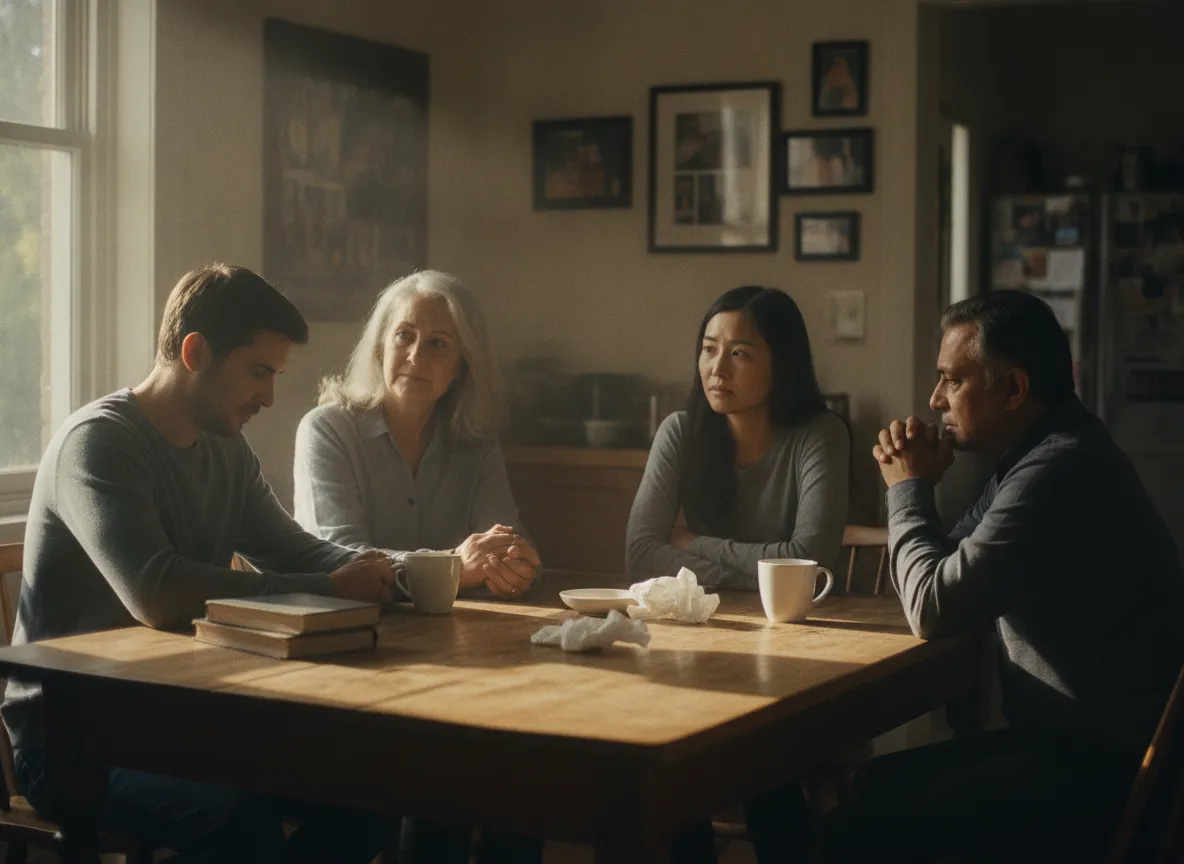
These patterns are not excuses for abuse. Understanding development can explain behavior, but each person remains responsible for choices. Safety and accountability matter more than preserving a relationship at any cost.
Signs and behavioral patterns to notice
A few difficult moments do not prove that a relationship is codependent. Look for repeated patterns that affect health, work, friendships, finances, and personal freedom. The pattern matters more than one argument or one act of kindness.
- One person feels responsible for the other person’s emotions or decisions.
- A partner has trouble saying no, even when tired, hurt, or uncomfortable.
- Personal needs are hidden to avoid conflict or abandonment.
- One person constantly checks, monitors, or tries to control the partner.
- Friends and family members are avoided because they may question the relationship.
- The relationship creates a steady sense of fear, guilt, or emotional exhaustion.
- A person excuses harmful behavior and focuses only on the partner’s potential.
- Apologies occur often, but meaningful change does not follow.
- Money, housing, work, or health decisions are controlled by one person.
- Time alone feels unbearable or produces intense panic.
- One partner gives help that was not requested, then feels resentful.
- Both people struggle to identify their own values, desires, or boundaries.
Some signs may also appear in the person who is being rescued. They may avoid responsibility, depend on repeated forgiveness, or expect the partner to manage problems. This does not mean the person is intentionally harmful. It does mean that the current dynamic may be rewarding avoidance.
Physical and emotional health can suffer. Chronic stress may affect sleep, concentration, digestion, blood pressure, and mood. A person may stop exercising, lose interest in hobbies, miss work, or feel disconnected from friends.
There is no single test that can diagnose codependency. Online quizzes may encourage reflection, but they cannot replace a qualified assessment. A therapist can help explore trauma, attachment, anxiety, depression, addiction, or other issues that may resemble codependent behavior.
| Pattern | Short-term result | Long-term cost | Healthier response |
|---|---|---|---|
| Rescuing after repeated problems | The crisis feels smaller | Responsibility stays unclear | Offer support without removing consequences |
| Checking messages or location | Anxiety briefly decreases | Trust and privacy weaken | Discuss concern and set an agreed limit |
| Avoiding honest needs | Conflict is delayed | Resentment and loneliness grow | Use clear, respectful communication |
| Making excuses for harmful behavior | Embarrassment is avoided | The behavior may continue | Name the behavior and seek outside help |
| Giving up friends or hobbies | The partner feels reassured | Identity and support shrink | Protect regular personal connection |

Healthy support compared with unhealthy dependence
Healthy support allows two people to remain connected while keeping separate identities. Partners can care deeply and still have different opinions, friendships, interests, and responsibilities.
In a healthy relationship, a person can say no without facing punishment. A partner may feel disappointed, but they can discuss the issue. Each person takes responsibility for choices and asks for help when needed.
A codependent relationship often feels less flexible. One person may believe that setting boundaries proves a lack of love. The other may use guilt, silence, threats, or anger to keep the old pattern in place.
Healthy support
- Both people can express needs.
- Care is offered without pressure.
- Privacy and personal time are respected.
- Each person owns personal choices.
- Conflict can lead to repair and change.
Unhealthy dependence
- One person feels responsible for both.
- Help is used to gain control.
- Privacy is treated as betrayal.
- Boundaries trigger guilt or fear.
- Promises replace consistent action.
Ordinary relationship difficulties also differ from persistent codependent dynamics. Every couple faces stress, disagreement, and periods of unequal support. A difficult season does not automatically mean that the relationship is unhealthy.
The key questions involve choice and repair. Can both partners speak freely? Can they accept responsibility? Can they change behavior after a problem? Can each person maintain meaningful connections outside the relationship?
Support becomes unsafe when it requires secrecy, isolation, financial sacrifice, or tolerance of violence. No communication technique makes abuse acceptable. If there is physical violence, sexual coercion, stalking, threats, or immediate danger, contact emergency services or a local crisis resource. In the United States, call or text 988 for mental health crisis support. For domestic violence support, contact the National Domestic Violence Hotline at 800-799-7233 or visit thehotline.org.

Practical steps toward recovery and change
Recovery is possible, but it rarely happens through promises alone. Change usually requires repeated action. The goal is not to become detached or uncaring. The goal is to care without losing autonomy, safety, or self-respect.
- Name the pattern. Write down specific events, feelings, choices, and consequences. Avoid labels. Focus on behavior, such as checking, rescuing, hiding, or giving up personal time.
- Separate responsibility. Ask, “Is this my decision, my emotion, or my problem?” Then ask whether the partner can manage it with appropriate support.
- Choose one boundary. A boundary should describe your action. For example: “I will end the conversation if I am insulted,” or “I will not pay debts caused by gambling.”
- Expect discomfort. Guilt and anxiety may appear when an old role changes. Discomfort does not prove that the boundary is wrong.
- Rebuild outside support. Contact trusted friends, family members, support groups, or a counselor. Isolation makes unhealthy dynamics harder to challenge.
- Restore personal routines. Protect sleep, meals, movement, work, education, hobbies, and time alone. Small routines can rebuild a sense of identity.
- Seek professional help. Individual therapy may address trauma, anxiety, depression, attachment, or self-esteem. Couples therapy may help when both partners feel safe and willing to participate.
- Address addiction directly. A partner’s substance use, gambling, or other addiction needs appropriate treatment. Love alone cannot provide medical or recovery care.
Boundaries are not threats. They are clear statements about what a person will do to protect health and values. A boundary also needs follow-through. If someone says they will leave a conversation after insults, they must calmly leave when insults begin.
Communication works best when it is brief and specific. “You never care” invites defense. “I will not discuss money while we are shouting. We can try again tomorrow” gives a clear limit.
A partner may resist change. They may call the new boundary selfish or accuse the other person of no longer showing love. This reaction can be painful, but it also provides useful information. A healthy partner may need time to adjust, yet remains willing to discuss mutual responsibility.
Recovery does not always mean staying together. Some relationships improve through therapy, accountability, and consistent behavior. Others remain unsafe or damaging. Leaving can be a valid act of care for one person, especially when there is abuse or repeated refusal to change.

Professional help, reflection, and lasting recovery
A qualified mental health professional can help a person understand the history behind relationship patterns without excusing harmful behavior. Look for a licensed therapist with experience in trauma, family systems, addiction, anxiety, or intimate partner violence when relevant.
Individual support may be the safest starting point when one person feels controlled or afraid. Couples work may be useful when both partners can speak freely and there is no active violence or coercion. A therapist should screen for safety before encouraging joint sessions.
Support groups can reduce shame and isolation. Some groups focus on family addiction, while others focus on relationships, trauma, or emotional regulation. It may take time to find a group that feels respectful and suitable.
Family members and friends can help without becoming rescuers. Listen without forcing a decision. Ask how the person wants to be supported. Offer practical help, such as transportation, childcare, or a safe place to stay, when you can provide it without risking your own safety.
Avoid attacking the partner or demanding an immediate breakup. Direct criticism may cause the person to defend the relationship and withdraw from support. Focus on observable behavior and its effect: “I noticed you have stopped seeing friends and seem exhausted. I am here to listen.”
Recovery often moves in stages. A person may recognize a pattern, set a boundary, return to an old habit, and try again. Progress is not always smooth. The important measures are greater awareness, safer choices, clearer responsibility, and more freedom over time.
Can love cause codependency?
Love does not cause codependency by itself. A person may love a partner deeply while also using control, rescue, or self-sacrifice to manage fear. Healthy love allows care and independence to exist together.
Can a codependent relationship improve?
Yes. Improvement is more likely when both partners recognize the pattern, accept responsibility, respect boundaries, and follow through with meaningful change. One person cannot do the work for two people.
Is codependency a mental disorder?
Codependency is not a formal DSM-5-TR diagnosis. It is a common term for relationship patterns that may overlap with anxiety, trauma responses, attachment concerns, depression, or addiction-related family stress.
Can setting boundaries end a relationship?
It can change the relationship, and sometimes it reveals that the relationship cannot continue safely. A boundary is not meant to punish a partner. It protects a person’s health, time, values, and safety.

There is no need to wait for a crisis before seeking help. A first appointment can focus on understanding the situation, identifying goals, and deciding which support fits. Recovery begins when a person can care for others while also making room for personal health, choice, and dignity.