Why men lie in relationships and call it strategy

In a study led by psychologist Robert Feldman at the University of Massachusetts, roughly 60% of people lied during a ten-minute conversation with a stranger. The research showed men favored lies that made them seem more competent or impressive. Ten minutes was enough.
Bella DePaulo's diary research at the University of Virginia found a similar pattern in daily life. Most adults admitted telling one or two lies per day. These small, forgettable lies often go unrecorded as dishonesty in relationships.
Here is the uncomfortable twist: many men do not call these moments lying. They call it "handling it," "keeping the peace," or playing it smart. The word lie rarely enters the conversation.
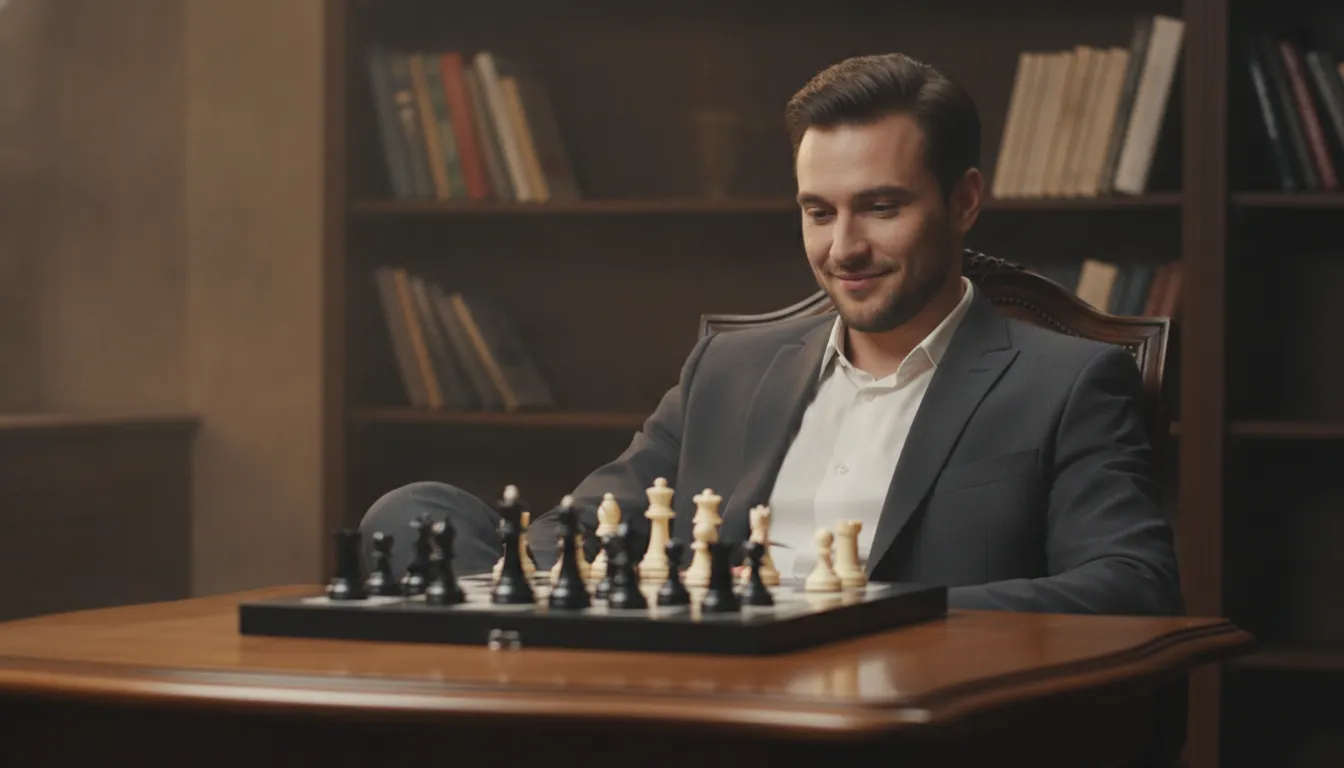
This article is not a case against men. It examines why men lie, how strategic deception can seem like good judgment, and how it affects men women relationships. The core argument is simple: calling a lie a strategy is a self-protective mental shortcut that quietly damages closeness.
The sections ahead explain self-justification, types of lying in relationships, and social training that makes honesty feel risky for men. They also examine fear, power dynamics, communication breakdowns, and relationship trust issues that can last for years. The discussion moves toward practical work that supports repair.
The Uncomfortable Truth Behind Deception in Modern Partnerships

Deception in relationships rarely announces itself. It may appear as a shorter list of past partners or a credit card statement hidden in a separate email folder. A dating profile photo may be six years old and show twenty fewer pounds. American couples may call these acts small, but the pattern behind them is not.
Financial concealment offers the clearest evidence. Polling by the National Endowment for Financial Education repeatedly found roughly two in five U.S. adults lie about money. They hid accounts, undisclosed debt, and purchases quietly written off as work expenses.
Digital life widened the space available for hiding. Second phones, disappearing messages, archived chat threads, and duplicate social accounts create private rooms inside shared lives. Modern dating honesty now competes with tools built for discretion.
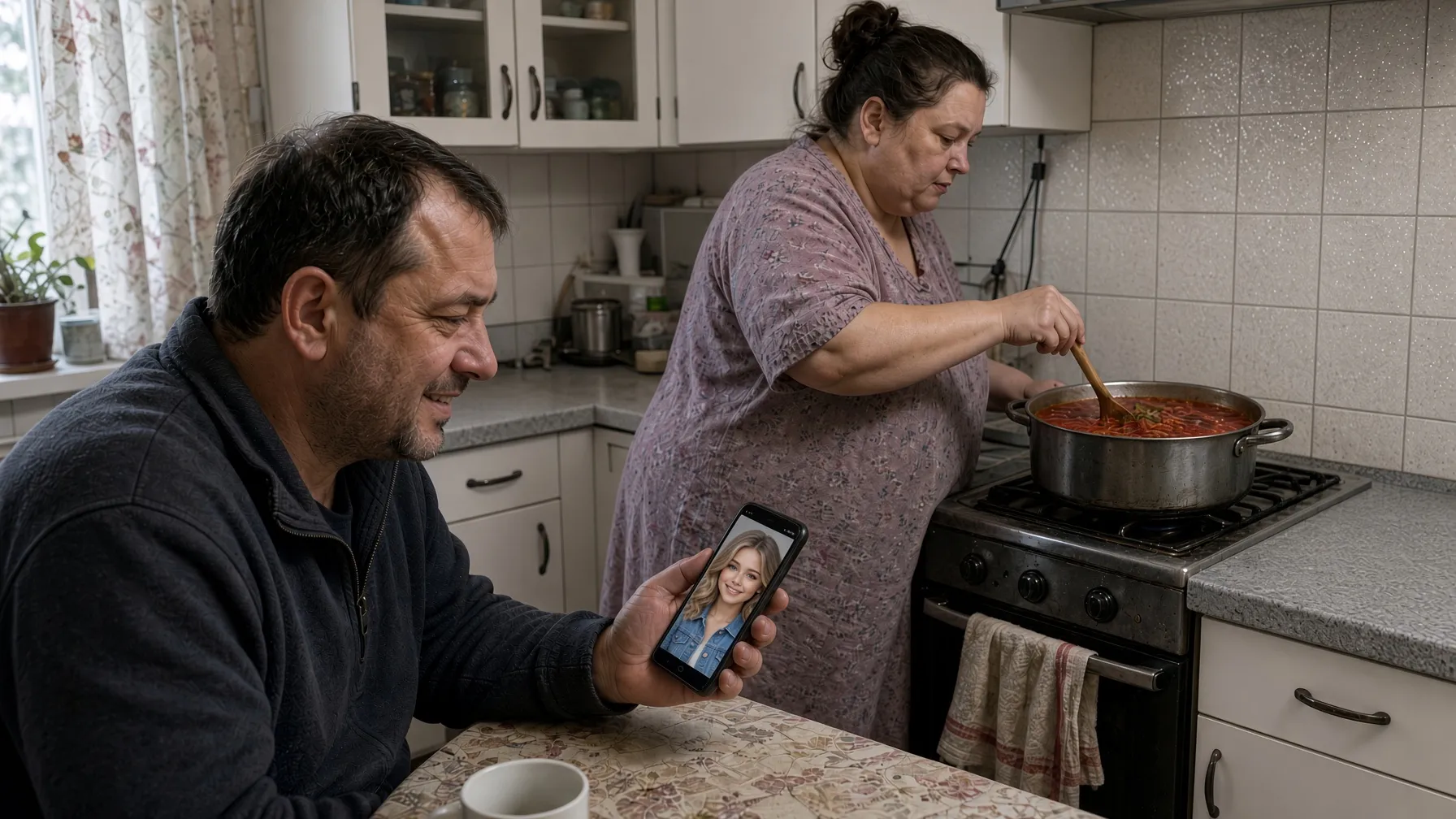
What makes this behavior distinct is its vocabulary. Men frequently reframe concealment as tactics rather than dishonesty.
| Phrase Used | What It Usually Describes |
|---|---|
| "Being strategic" | Withholding information that would change her decision |
| "Protecting her" | Avoiding an uncomfortable conversation about his own choices |
| "Avoiding drama" | Preventing accountability for a broken agreement |
| "Managing expectations" | Editing the truth to preserve access or advantage |
Research on lying frequency shows near-parity between men and women. Both deceive. The gap appears in justification style: women more often describe lies as emotional protection, while men frame them as competence or control.
That framing drives many relationship communication problems. A partner who calls a lie a strategy feels no pressure to repair it. Emotional honesty stalls, and partner trust erodes before either person names the cause.
What Psychologists Say About the Male Brain and Self-Justification
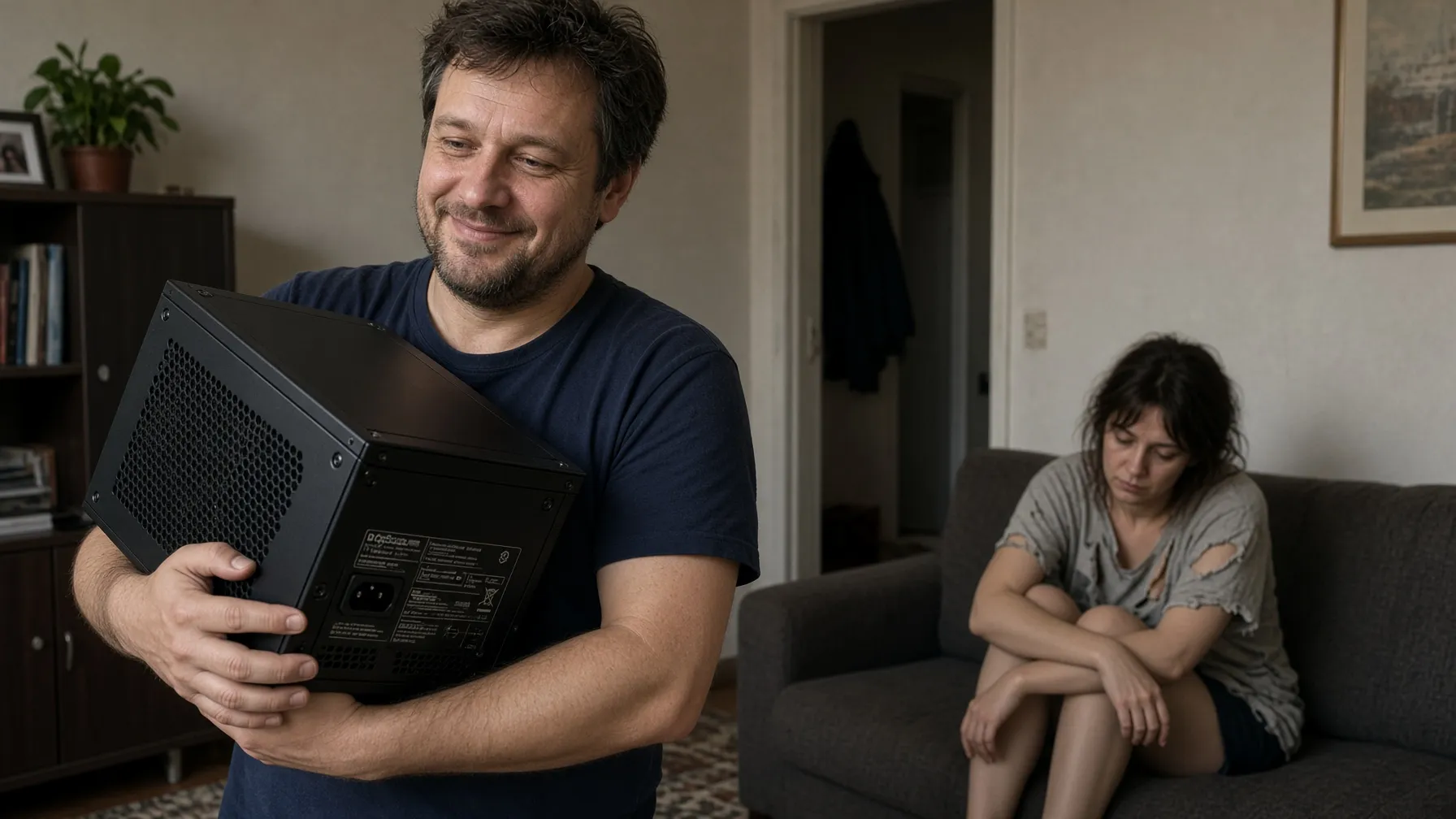
The psychology of lying rarely begins with malice. It begins with a threat to self-image. Leon Festinger's theory of cognitive dissonance, introduced in 1957, explains this conflict.
His behavior clashes with the belief "I'm a good partner," so his mind may rewrite the story rather than change it. The lie becomes "strategy," "timing," or "protecting her feelings."
Carol Tavris and Elliot Aronson describe this as the self-justification loop in Mistakes Were Made (But Not by Me). Each small excuse makes the next one easier, until the man believes his version of events.
Paul Ekman's deception research adds another layer. He documented duping delight — the small thrill some people feel when a lie succeeds unnoticed. That reward encourages repetition.
Ronald Levant's concept of normative male alexithymia describes difficulty naming feelings. When emotional regulation vocabulary is limited, avoidance can feel safer than disclosure. Terrence Real's clinical work on covert male depression points the same way: shame avoidance drives concealment.
"Self-justification is more powerful and more dangerous than the explicit lie."
| Researcher | Core Concept | Relevance to Relationship Deception |
|---|---|---|
| Leon Festinger | Cognitive dissonance | Mind edits the story to protect self-image |
| Tavris & Aronson | Self-justification loop | Small excuses harden into sincere belief |
| Paul Ekman | Duping delight | Successful lies feel rewarding, encouraging repeats |
| Ronald Levant | Normative male alexithymia | Limited emotional language makes silence the default |
| Terrence Real | Covert male depression | Shame avoidance fuels concealment over honesty |
No "male lying gene" exists. Neuroscience shows no meaningful sex difference in the ability to deceive. Male psychology differs through socialization, incentives, and permitted emotional expression, not wiring.
The Difference Between Protective Lies, Convenience Lies, and Manipulative Lies
Falsehoods do not all carry the same weight. Sorting the types of lies helps partners decide what needs discussion or serious relationship reassessment.
Psychologist Bella DePaulo's diary studies separate other-oriented lies, which protect others, from self-oriented lies, which protect speakers. Philosopher Sissela Bok argues in Lying: Moral Choice in Public and Private Life that liars almost always overestimate their good intentions.
| Category | Typical Example | Underlying Motive | Impact on Trust |
|---|---|---|---|
| Protective | "I love the gift you picked out." | Sparing a partner's feelings | Minimal, though it normalizes concealment |
| Convenience | Hiding a purchase or a missed obligation | Avoiding friction and accountability | Steady erosion of reliability |
| Manipulative | Rewriting events so a partner doubts her memory | Control over choices and information | Severe, often permanent damage |
White lies in relationships may seem harmless, but they can make bigger concealment feel acceptable. Convenience lies grow quietly. Manipulative lies use manipulation, gaslighting, and coercive control.
Silence rarely feels like deception to the person keeping it, which is exactly why it lasts so long.
Lies of omission are common and often defended because withholding information feels passive. This emotional dishonesty still shapes a partner's choices through incomplete facts.
- Intent explains the behavior; it does not excuse the outcome
- Repetition converts a small habit into a pattern
- Escalation from convenience to manipulation ranks among the clearest relationship red flags
How Social Conditioning Teaches Men That Honesty Is a Liability
Social conditioning starts before men learn to navigate relationships. On playgrounds and in living rooms, boys learn that sharing fear, confusion, or need may invite mockery. They begin to treat concealment as a skill, not a flaw.
The American Psychological Association's 2018 Guidelines for Psychological Practice With Boys and Men linked traditional masculinity ideology with poorer relationships and men's mental health. It connected stoicism, competitiveness, self-reliance, and emotional restraint with these outcomes. Joseph Pleck's gender role strain paradigm described pressure when rigid gender roles clash with human experience.
William Pollack called this unwritten rulebook the "boy code," trading honesty for composure.
Brené Brown's interviews with men found that visible vulnerability can carry a real social cost. Partners and peers sometimes enforce that cost. Participants said people punished, rather than praised, them for opening up.
"A man who never shows his hand may win the room and lose the person sitting across from him."
Workplaces and locker rooms reinforce this habit. Strategic withholding can earn promotions and respect. In intimacy, that reflex becomes sabotage, feeding emotional suppression instead of connection.
| Learned Rule | Where It's Rewarded | Effect on Intimacy |
|---|---|---|
| "Never show weakness" | Sports, competitive careers | Partner reads silence as indifference |
| "Handle it alone" | Traditional masculinity norms | Problems surface only after damage is done |
| "Control the narrative" | Negotiations, office politics | Truth gets edited into strategy |
| "Emotions are unprofessional" | Corporate culture, rigid gender roles | Chronic emotional suppression strains men's mental health |

Power, Insecurity, and Fear: The Emotional Engine Behind Strategic Dishonesty
Most strategic lies come from three emotional drivers: power, insecurity, and fear. Each feels rational in the moment. Yet none survives close review.
Power comes first. When one partner has information the other lacks, it shapes power dynamics in relationships. The informed person controls the conversation, and control in relationships can start with an unmentioned text message.
Insecurity fuels the second driver. Robert Feldman's research at the University of Massachusetts found that men lie more often to seem competent. Women lie more often to help others feel comfortable. Fear of seeming inadequate about money, career, or performance can put image management before accuracy.
Fear supplies the engine. Attachment styles, mapped by John Bowlby and Mary Ainsworth, help explain this pattern. Sue Johnson applied them clinically through Emotionally Focused Therapy.
| Attachment Pattern | Typical Deception Behavior | Underlying Motive |
|---|---|---|
| Avoidant | Withholding details, vague answers, emotional withdrawal | Protecting independence and reducing closeness |
| Anxious | Protective lies, over-explaining, false reassurance | Fear of abandonment and rejection |
| Secure | Direct disclosure, tolerance for discomfort | Trust that conflict can be repaired |
John Gottman's lab work adds a physical layer. During conflict, men flood more easily: heart rates climb, thinking narrows, and stonewalling follows. A lie offers an escape from overwhelm, making conflict avoidance look like composure.
Strategy, in most cases, is reactive fear rebranded as control.
What Deception Reveals About Communication Gaps in Men Women Relationships
Lying rarely starts the problem. It often shows where dialogue has already broken down. In many men women relationships, secrecy grows within unresolved communication gaps.
Psychologist Andrew Christensen and his colleagues documented the demand-withdraw pattern. One partner pushes for discussion, while the other pulls away. Each retreat teaches a quiet lesson: silence costs less than confrontation, making hiding the path of least resistance.
Linguist Deborah Tannen described mismatched relationship communication styles as report talk versus rapport talk. One partner shares facts to solve a problem, while the other shares details to build closeness. When these goals collide, a simple question can feel like an interrogation, making honesty seem risky.
Behavioral scientists call this result punished honesty. If truth reliably triggers escalation, truth-telling fades. Avoidance on one side and reactivity on the other maintain the pattern.
| Pattern | What It Looks Like | Repair Move |
|---|---|---|
| Demand-withdraw | One presses for answers, one shuts down | Schedule a set time to talk, with a clear end point |
| Style mismatch | Facts offered when comfort was wanted | Ask directly: support or solutions? |
| Punished honesty | Disclosure meets immediate blame | Reward the telling before addressing the content |
Therapist Esther Perel notes that secrecy often signals a need the relationship has not made speakable. Naming the pattern instead of blaming the person creates room for active listening, honest talks about emotional needs, and real conflict resolution.
Warning Signs That "Strategy" Has Crossed Into Manipulation
Communication gaps can explain confusion, but they cannot explain an organized system. When dishonesty becomes repeated, organized, and defended, it moves beyond poor communication and begins to control a partner.
Clinicians look for patterns rather than single incidents. One awkward lie about a birthday gift differs from months of coordinated cover stories. Frequency, escalation, and reactions after discovery are the clearest relationship warning signs.
- Rewriting shared history or insisting a partner "misremembered" documented events — classic gaslighting
- Controlling access to money, phones, passwords, or mutual friends
- Pulling a partner away from family and support networks
- Apologies that redirect fault: "You made me hide it."
- Transparency that appears only after being caught
- DARVO — Deny, Attack, Reverse Victim and Offender — a pattern named by psychologist Jennifer Freyd
| Behavior | Isolated Lie | System of Deception |
|---|---|---|
| Frequency | Rare, situation-specific | Ongoing, layered stories |
| Response to discovery | Discomfort, ownership | Counterattack, blame-shifting |
| Effect on partner | Temporary hurt | Self-doubt, isolation, emotional abuse |
| Repair effort | Behavior changes | Promises replace change |
A single trust breach can be repaired. A pattern designed to keep a partner disoriented is something else entirely.
Manipulation signs describe behavior, not a permanent verdict on character. These patterns still require written documentation and firm boundaries.
Anyone experiencing coercive control should contact the National Domestic Violence Hotline at 1-800-799-7233. They should also consult a licensed therapist for confidential guidance.
The Long-Term Cost of Calculated Dishonesty on Trust and Intimacy
Strategic lying rarely stays contained. The damage spreads outward, harming both partners and causing relationship breakdown for years after truth surfaces.
Psychologist Jennifer Freyd's research links betrayal trauma to symptoms from deception by trusted attachment figures, rather than ordinary disappointment. The deceived partner may develop hypervigilance — scanning phones, tracking tone shifts, and replaying conversations at 2 a.m.
Sleep suffers, and self-doubt can become chronic. Many describe losing faith in their own perception, the most corrosive long-term consequence.
The deceiver pays, too, though the cost arrives quietly. Maintaining a parallel story consumes mental bandwidth. Spontaneity disappears.
Dan Ariely's work at Duke on the what-the-hell effect found that once someone crosses a personal honesty threshold, smaller lies tend to escalate rather than stop.
"Trust is built in very small moments." — John Gottman
Gottman's research identifies trust and commitment as the two variables that predict whether couples stay together. When those erode, contempt often follows — the single strongest predictor of divorce in his longitudinal studies.
| Area Affected | Short-Term Effect | Long-Term Consequence |
|---|---|---|
| Deceived partner | Shock, confusion, questioning reality | Hypervigilance, anxiety, guarded emotional intimacy |
| Deceiving partner | Relief, avoided conflict | Shame spiral, escalating concealment |
| The couple | Tension, distance | Contempt, relationship breakdown, divorce |
| Wider life | Awkward social moments | Legal costs, custody disputes, split friendships |
The irony is plain: a tactic meant to protect the bond reliably weakens it. Rebuilding trust after calculated dishonesty takes far longer than the honest conversation the lie replaced, often harming emotional intimacy.
Building Honest Communication: Practical Steps for Both Partners
Rebuilding trust takes both partners. Concealment ends when the person hiding learns new skills. Truth survives when the listener can receive it without retaliation.
For the partner who conceals, work starts by naming fear before acting. Fear of conflict, disappointing someone, or losing control deserves a sentence spoken aloud. Disclosing within 24 hours prevents omissions from becoming secrets, and calling a lie a lie, rather than "strategy," restores accuracy.
For the partner receiving difficult truths, regulation comes before response. Responding to the disclosure and its delivery are separate tasks; punishing honesty teaches concealment. John Gottman's research on the softened startup and repair attempts supports gentle openings and timely repair during hard talks.
Both partners benefit from structure, healthy relationship habits, and emotional safety. Scheduled check-ins, plain-language transparency agreements, and boundaries with clear consequences replace guesswork with clarity.
| Approach | Best Suited For | Core Focus |
|---|---|---|
| Emotionally Focused Therapy (Sue Johnson) | Chronic avoidance and withdrawal | Attachment fears and emotional safety |
| The Gottman Method | Recurring conflict cycles | Repair attempts and healthy relationship habits |
| Trust Revival Method | Post-betrayal recovery | Atonement, attunement, attachment |
"Trust is built in very small moments." — John Gottman
Couples therapy can speed the process, but no session replaces consistency. Honest communication becomes credible through months of matching words and actions, not one confession.
Conclusion
Calling a lie a "strategy" gives it a cleaner name than it deserves. That word hides fear of conflict, shame about failure, and years of training. This training taught men to manage their image instead of telling the truth; skill has nothing to do with it.
Researchers who study deception keep finding the same point: men are not born less honest. They often grow up with fewer tools for naming discomfort, making avoidance feel safer than disclosure. These habits can be unlearned, which reframes the entire conversation about honesty in relationships.
Repair work belongs to both people, and men benefit from choosing accuracy over performance, even when truth makes them look smaller than they want. Partners help by making honesty survivable, so confession does not automatically trigger punishment. That shared effort rebuilds trust and intimacy, while emotional maturity becomes a practice instead of a slogan.
Transparency is the only approach in men women relationships that still pays off years later. Readers seeking real relationship growth can start this week with one postponed conversation. When the pattern feels too deep to handle alone, a licensed couples therapist offers a structured place to work through it.