Natural Beauty Trend: When Effortless Beauty Becomes a Trap
The natural beauty trend appears to offer freedom. It invites people to put down heavy makeup, accept visible skin, and enjoy a simpler routine. Yet the modern version of natural beauty can carry its own strict rules. Skin must look smooth, bright, hydrated, and rested. The face should appear untouched, even when products, treatments, time, and money made that look possible.
This tension sits at the center of the current beauty conversation. Choosing a bare face can be empowering. Feeling unable to leave home without a perfect “natural” appearance is another form of pressure. The difference matters.
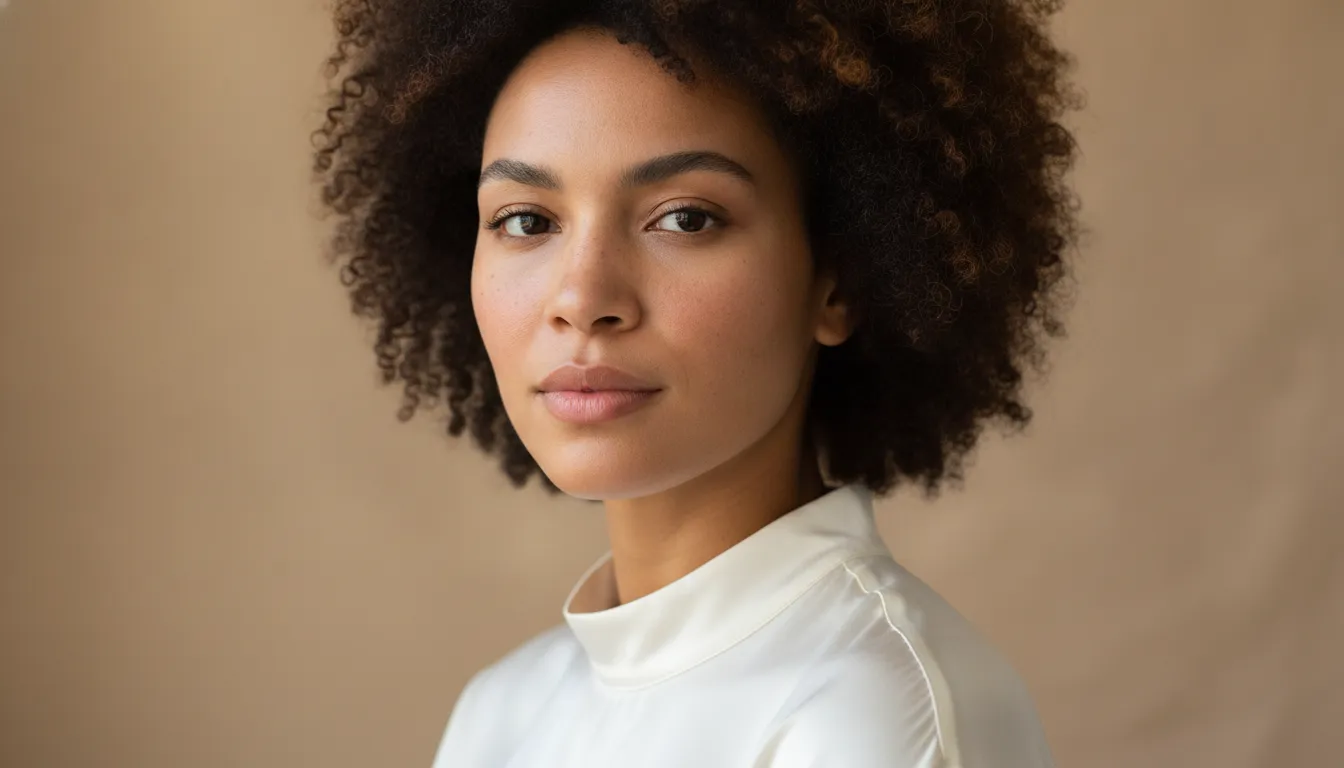
From Heavy Makeup to Bare Skin
Beauty trends often move in cycles. In the early 2010s, full face makeup, sharp contour, dramatic brows, and strong foundation dominated online tutorials. Beauty creators built detailed techniques around layered products. A complete look could include primer, color corrector, foundation, concealer, powder, bronzer, blush, highlighter, eyeliner, and setting spray.
During the pandemic, many routines changed. People spent more time at home and saw their face on video calls. Salons closed. Daily makeup became less practical. Attention shifted toward skincare, comfort, and skin health. A lighter look began to feel modern and useful.
The shift did not remove beauty standards. It changed their surface. Instead of obvious makeup, the ideal became glowing skin, brushed brows, soft lips, and a healthy-looking face. The message sounded gentle: enhance natural features rather than cover them.
Social media helped spread this aesthetic. The “clean girl” look joined a wider movement that celebrated slick hair, neutral clothing, simple makeup, and disciplined routines. Its visual language suggested ease. The polished face, however, was often supported by careful lighting, filters, professional treatments, and a long skincare routine.
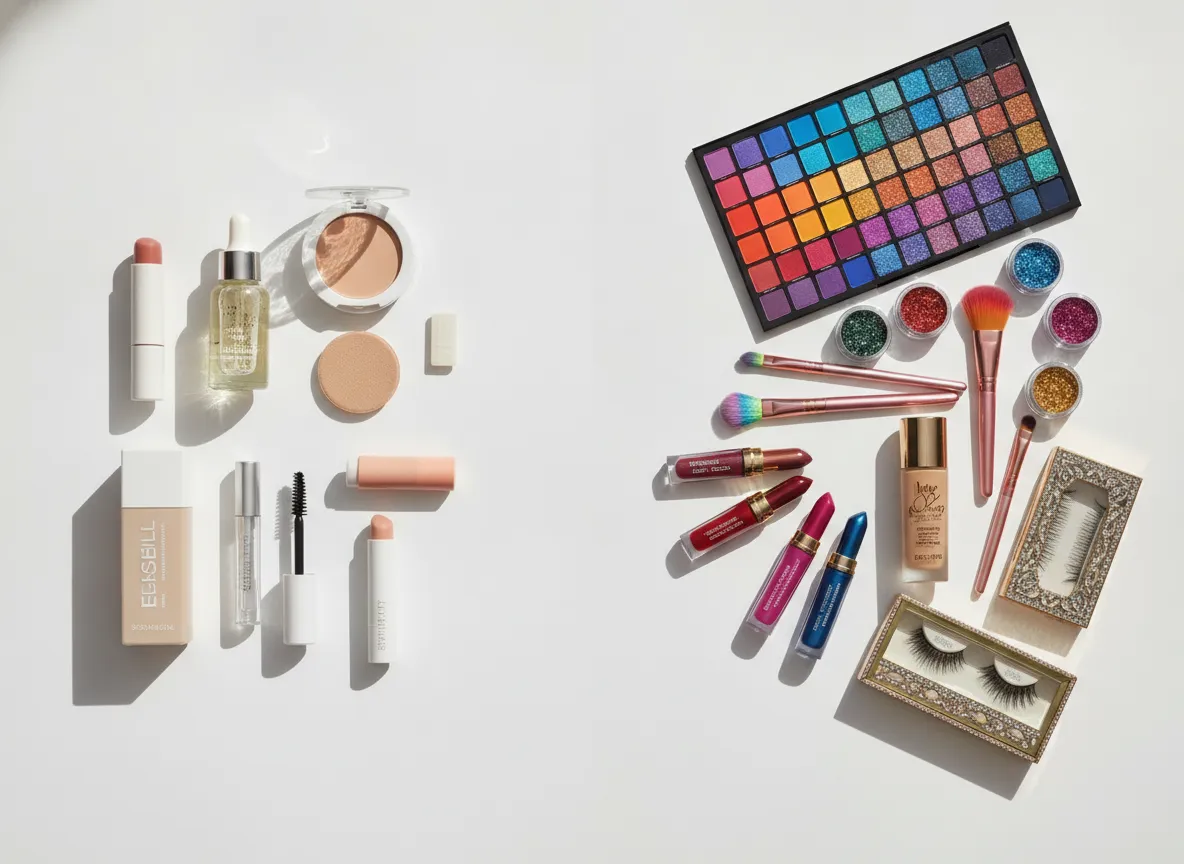
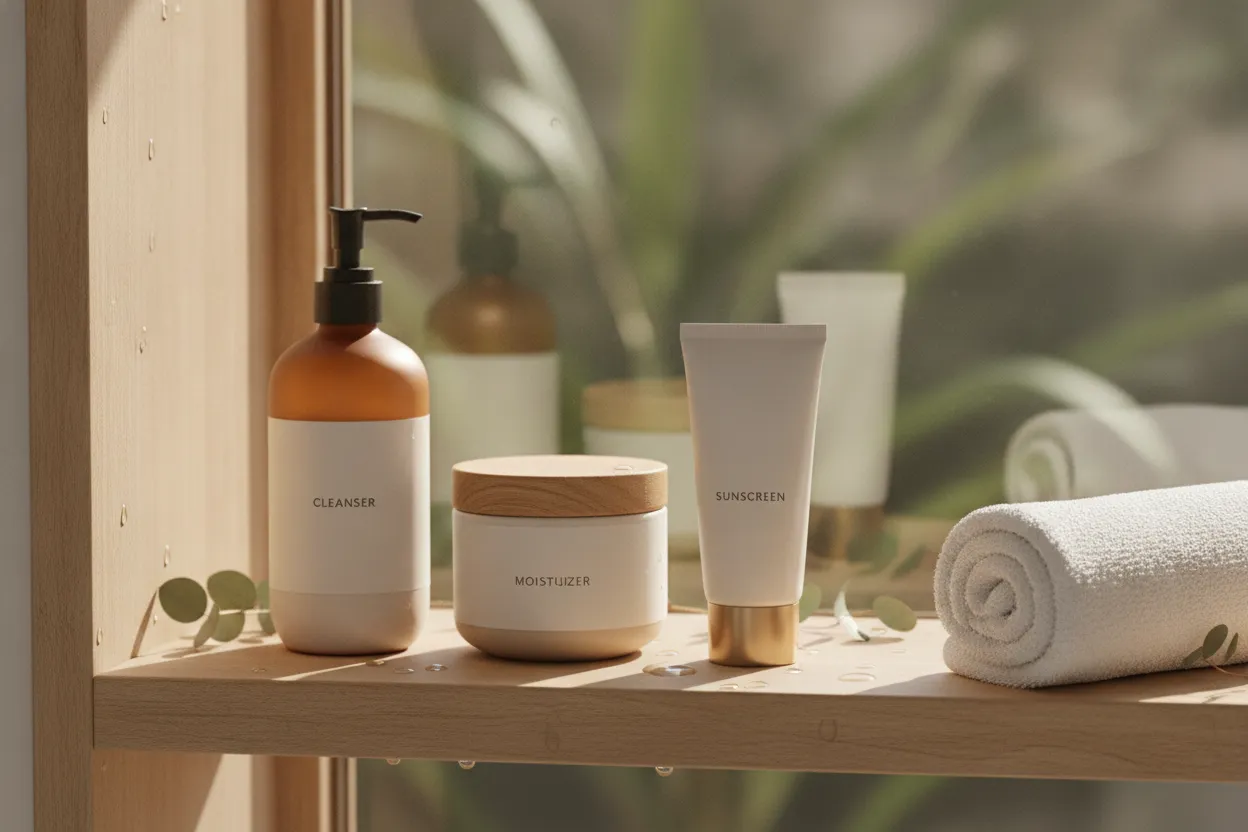
“Standards of beauty have become stricter: skin must now be smooth, glowing, hydrated, and free of visible imperfections.” — Dr. Ekaterina Anchikova, quoted in Afisha Daily’s discussion of the natural beauty trend
The Work Behind an Effortless Appearance
A natural appearance is not always a low-effort appearance. It may require products that correct redness, soften texture, add moisture, protect from sun damage, and create a healthy glow. A tinted moisturizer can replace foundation, but it still changes the face. Brow gel, lip balm, cream blush, and concealer can create a polished look while remaining difficult to detect.
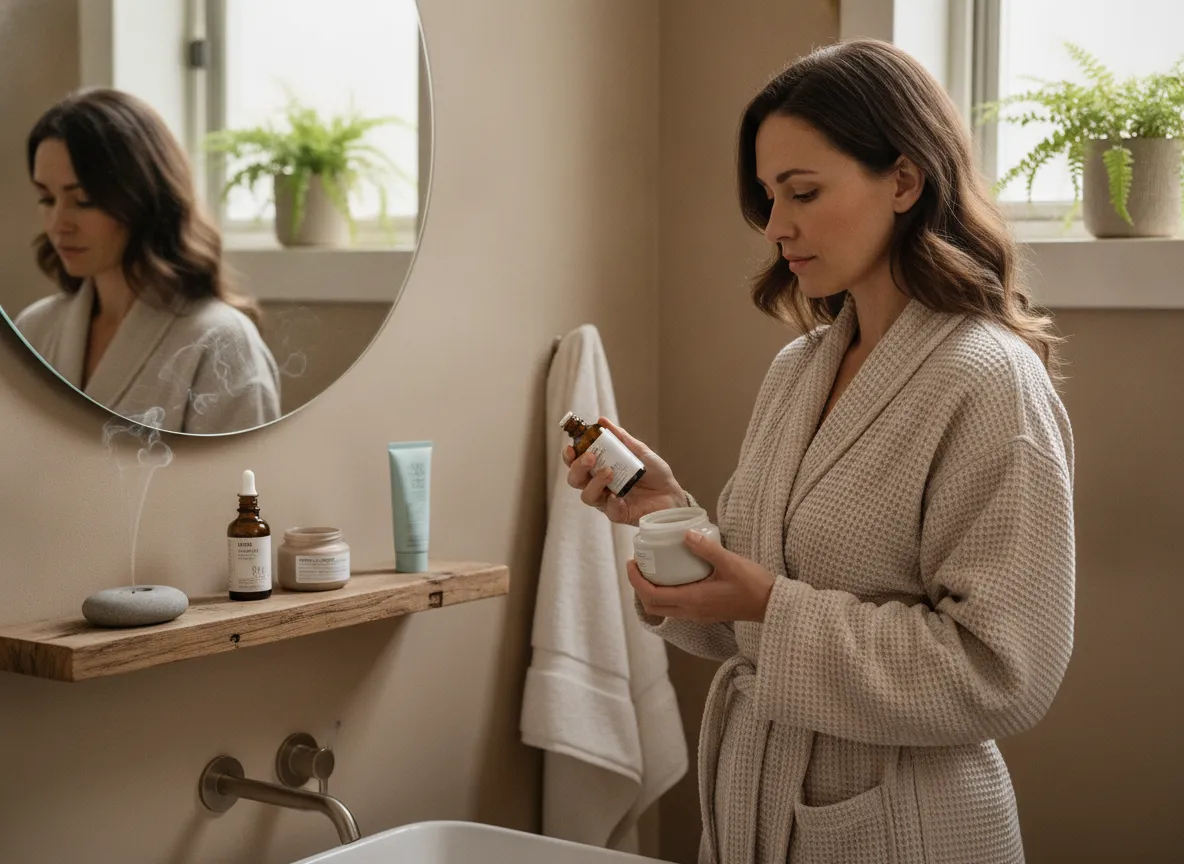
Skincare can also become a form of invisible makeup. A person may use cleanser, toner, serum, exfoliant, retinoid, moisturizer, eye cream, facial oil, and sunscreen. Each item may promise better skin. Together, they can consume money, time, and attention.
Professional services add another layer. Clear skin may reflect dermatology visits, prescription products, laser treatment, injectables, facials, manicures, hair removal, or cosmetic dentistry. None of these choices are wrong. The problem appears when the labor disappears from the image and the result is labeled effortless.
Health also shapes appearance. Sleep, nutrition, hormones, allergies, chronic illness, medication, stress, and genetics influence the skin and face. Not everyone has the same access to rest or medical care. Calling one appearance “natural” can hide the conditions that made it possible.
Visible choice
A person openly chooses makeup, fashion, skincare, or procedures because they enjoy the process.
- Personal pleasure guides the decision.
- There is room to stop without shame.
- The look can change from day to day.
Hidden pressure
A person follows a beauty routine because looking tired, older, textured, or ordinary feels unsafe.
- Approval depends on looking polished.
- Rest becomes linked to guilt.
- The routine feels compulsory.
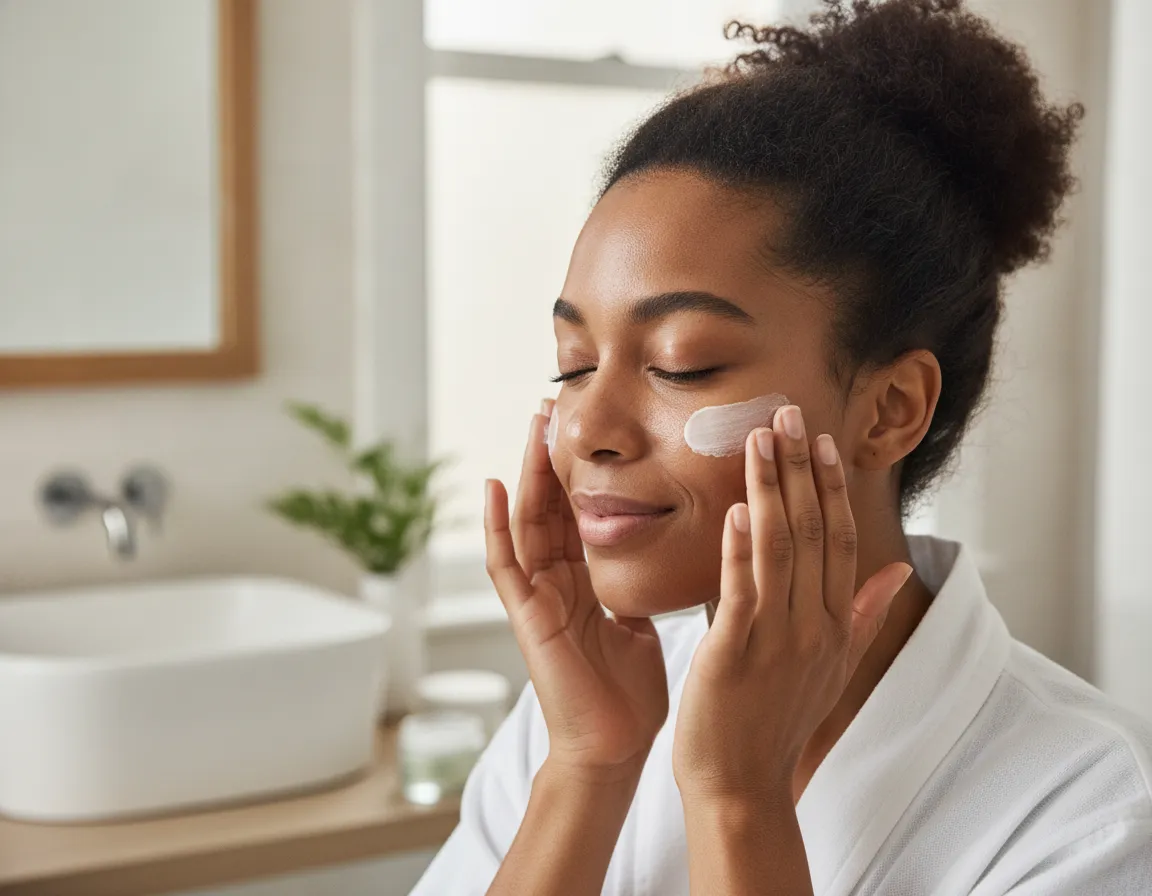
Class, Access, and the Price of Looking Natural
The phrase “your skin but better” sounds accessible. In practice, it can become expensive. A person may need quality skincare, reliable healthcare, time for recovery, and a stable environment. These resources are not distributed equally.
Income influences more than the ability to buy products. It can shape housing, food access, sleep, stress management, dental care, insurance, and time away from work. A person with flexible hours may attend appointments or build a careful morning routine. Someone working multiple jobs may have no realistic space for those rituals.
Online images intensify this gap. A photo does not show the cost of the face in front of the camera. It does not show the makeup artist, injectable treatment, flattering lens, editing software, or hours spent preparing. Viewers may compare their unfiltered face with a carefully managed image and blame themselves for the difference.
The linked Afisha Daily article describes this contradiction sharply. Natural beauty is presented as freedom, yet the new ideal may demand skin that is smoother, brighter, and more visibly “healthy” than before. Its central warning is not that cosmetics or procedures are bad. It is that the industry can sell dissatisfaction under the language of self-acceptance.
| Beauty message | Hidden demand | More balanced reading |
|---|---|---|
| “Skip makeup and let skin breathe.” | Skin must still appear even and radiant. | Bare skin may include acne, redness, pores, and marks. |
| “Use a simple routine.” | Several products may be needed to create the simple look. | A basic routine can be enough for many people. |
| “Look naturally youthful.” | Age-related changes are treated as problems. | Aging is a normal part of health and life. |
| “Invest in yourself.” | Spending becomes proof of self-respect. | Care should support well-being, not create debt or fear. |
Celebrity Influence and Digital Perfection
Public figures often make a beauty shift feel personal. Alicia Keys became widely associated with appearing without traditional makeup, while celebrities like Hailey Bieber helped popularize glossy, hydrated skin. Other celebrities like Pamela Anderson have received attention for changing their relationship with makeup later in life.
These choices can be meaningful. A famous person who shows a bare face may challenge the idea that women must always wear makeup. Yet celebrity visibility also creates limits. Public figures may have access to trainers, dermatologists, chefs, stylists, treatments, private time, and professional lighting. Their natural features may be supported by extensive invisible work.
Social media rewards a narrow version of natural beauty. The most successful images tend to be clear, symmetrical, youthful, and carefully framed. A face with texture may be praised as authentic, but it is often still presented in ideal lighting. A person can receive approval for looking effortless only when the result remains conventionally attractive.
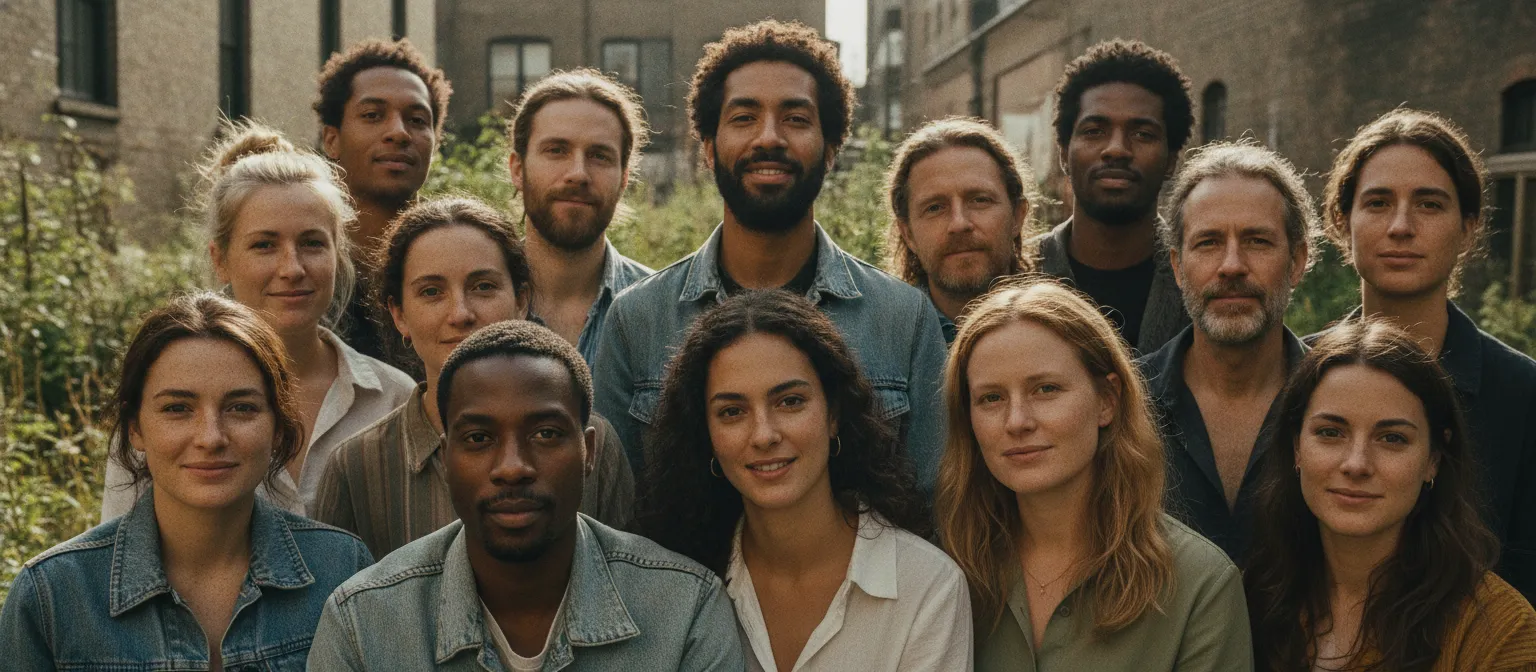
This creates a difficult message for women and other people who live outside traditional standards. They are told to embrace natural beauty, yet their natural features may not receive the same approval. Dark circles, acne, disability, scars, body hair, aging, and facial difference are often accepted only when presented by someone already considered beautiful.
Recognizing Pressure Disguised as Authenticity
Not every beauty routine is harmful. Makeup can be creative. Skincare can feel soothing. Treatments can help someone feel at home in their face. The key question is whether the choice creates pleasure and confidence or fear and control.
Coercive beauty expectations often use friendly language. A brand may say that a product is “for self-care” while suggesting that pores, wrinkles, or dark circles make a person careless. A trend may praise simplicity while requiring many products to look simple.
Watch for these signals:
- Unlimited improvement: each result creates a new flaw to fix.
- Moral language: beauty habits are described as proof of discipline or worth.
- Hidden labor: treatments, editing, and professional help are presented as natural results.
- Fear-based selling: aging, texture, or ordinary features are framed as urgent problems.
- One approved look: authenticity is accepted only when it remains youthful and polished.
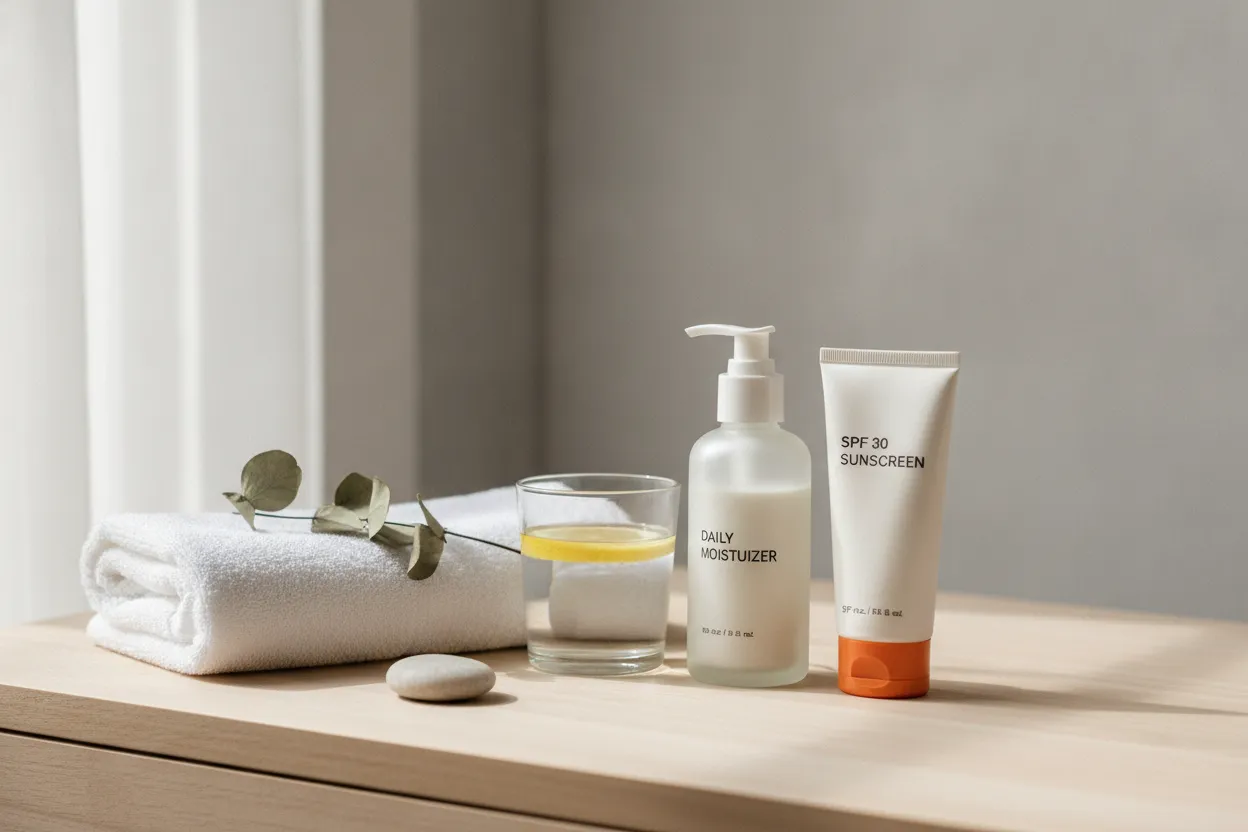
A practical response is to separate care from correction. Sunscreen may protect skin health. A cleanser may remove discomfort. Makeup may express style. A procedure may be a considered personal decision. None of these choices needs to become evidence of moral value.
Signs of supportive beauty culture
- It respects different budgets and abilities.
- It treats skin health as more important than perfection.
- It allows people to change their look.
- It does not shame makeup or bare skin.
Signs of harmful beauty pressure
- It makes ordinary features seem embarrassing.
- It links appearance to personal worth.
- It treats expensive access as effortless.
- It turns rest into another beauty task.
A More Inclusive Beauty Future
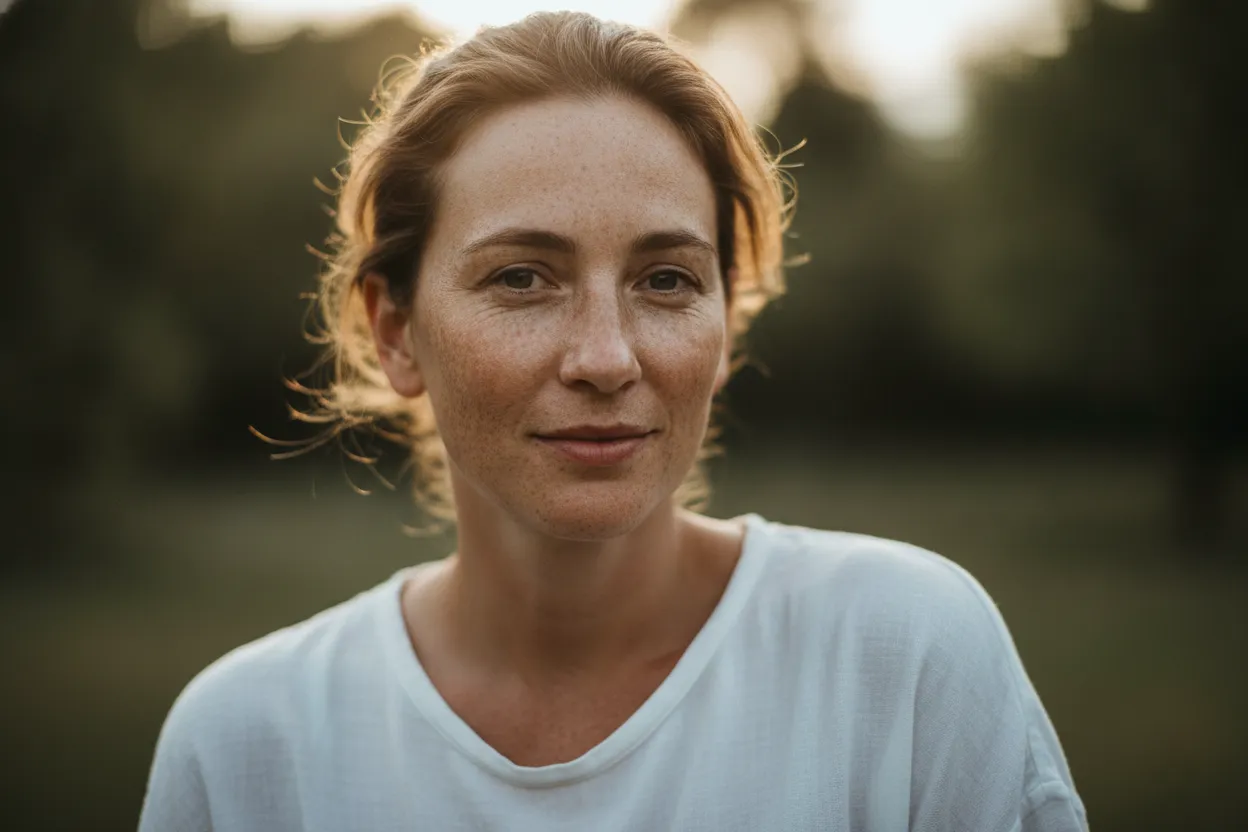
Embracing natural beauty should not require rejecting makeup, fashion, procedures, or skincare. It should mean gaining freedom to decide. Someone may wear a full face because they love color and technique. Another person may choose no makeup because it feels comfortable. Both choices can be honest.
The most useful shift is from appearance control toward personal agency. Instead of asking whether a person looks naturally beautiful, ask whether they feel safe, comfortable, and respected. Instead of demanding glowing skin, support health, access to care, and realistic expectations.
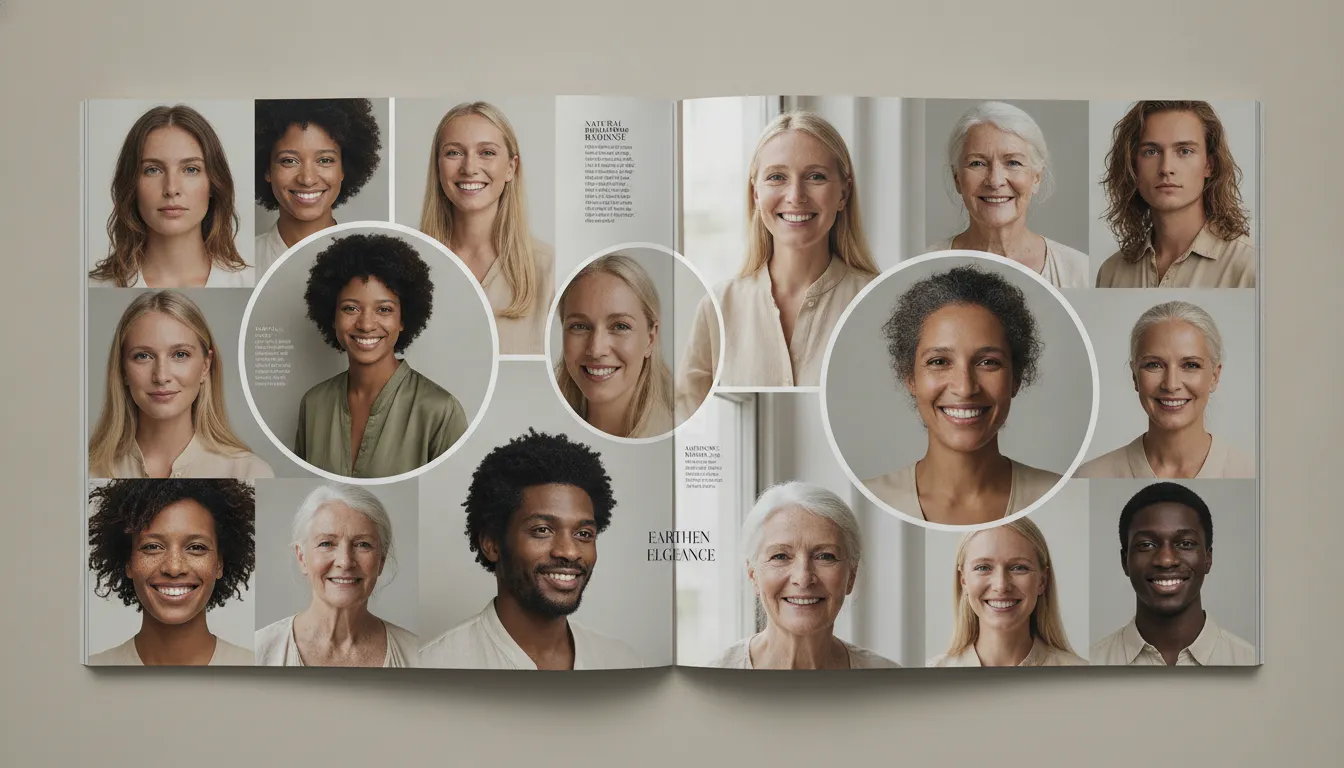
Brands and media also have a role. They can show more than one type of face. They can disclose professional treatments and editing. They can avoid calling every product essential. They can discuss skin health without promising perfect skin. These changes would make the movement more truthful.
Individuals can create smaller boundaries. Unfollow accounts that increase stress. Take breaks from comparison. Keep a routine that fits time, money, and health. Notice whether a product solves a real concern or creates a new one. Beauty can remain enjoyable without becoming a permanent project.
- Choose products for comfort, protection, or creative expression.
- Check claims against reliable medical advice.
- Leave room for recovery when using active skincare or treatments.
- Protect sleep and stress management before chasing a brighter glow.
- Remember that unique features do not need correction to deserve respect.