An American restaurant hired a fake priest to extract confessions from its employees

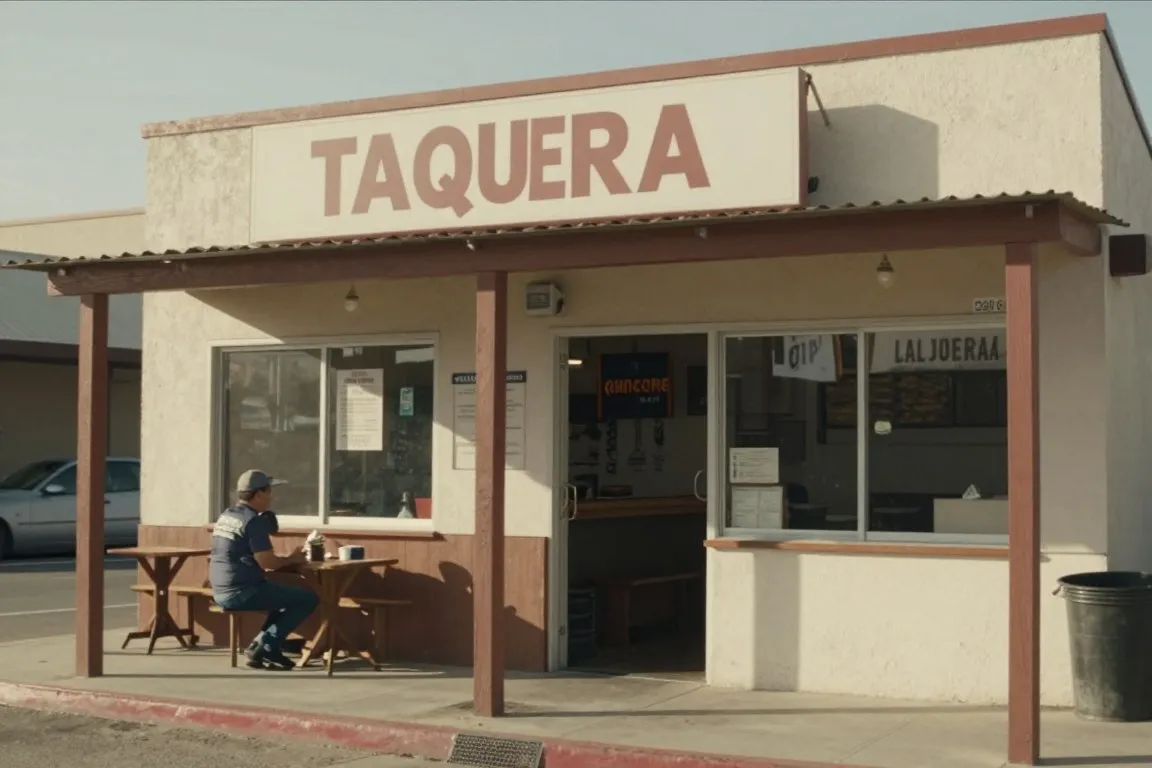
A workplace meeting can feel uneasy. A staged religious confession can feel deeply personal. At Taqueria Garibaldi in California, employees reportedly faced both when their employer brought in a fake priest during working hours.
The incident drew attention because it mixed workplace authority, religious trust, and private disclosures. It also led to a labor investigation and a financial order involving back wages and damages employees were owed.
The reported scheme at Taqueria Garibaldi
According to reports, owner Che Garibaldi arranged for an alleged priest to visit the restaurant while employees were working. The person presented himself as a clergyman and encouraged workers to confess personal or workplace sins.
The subjects reportedly included arriving late, stealing anything from the cash register, and having bad intentions toward the boss. The goal appeared to be gathering information that managers could use against workers. That interpretation comes from the reported circumstances; it is not the same as a court finding about every private conversation.
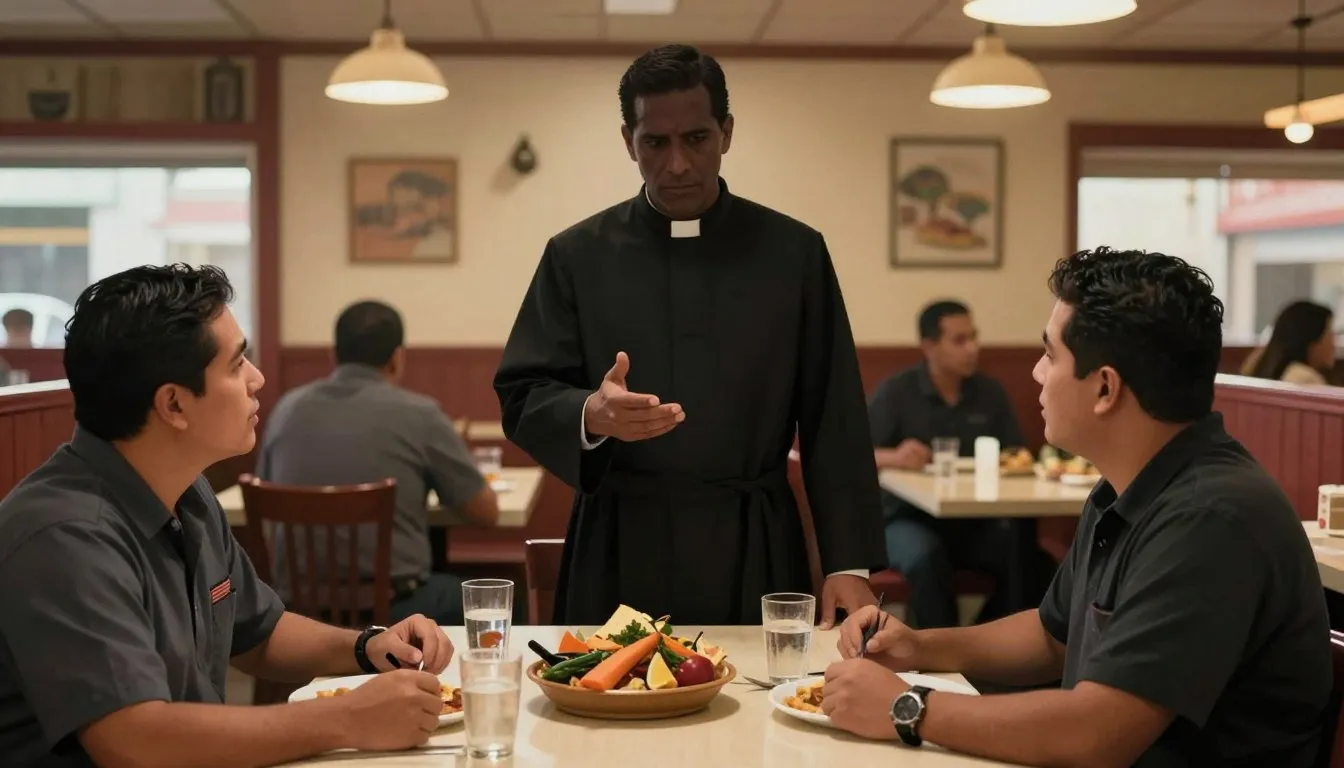
Unlike normal confessions, these meetings were not described as voluntary religious counseling with a genuine priest. Employees were approached within an employer’s setting, where refusing to participate could feel risky. The power difference mattered. A worker may reasonably fear lost shifts, retaliation, or harm to future employment.
Reports also connected the situation with broader workplace concerns, including overtime pay, wages, immigration fears, and the treatment of restaurant employees. Those details show how an unusual confession exercise can sit inside a much larger labor dispute.
“The alleged use of a fake priest to listen to workers’ confessions was especially troubling because it exploited the trust people place in religious figures.” — Summary of the concern raised in reporting about the labor investigation
Staged confessions and employee reactions
The available account does not establish that employees freely sought out the alleged priest. Instead, the reported meetings took place because the employer introduced the person at work. That setting could make a religious conversation seem official, required, or connected to job performance.
The alleged priest reportedly asked workers to get their sins out in the open. The subjects included lateness, suspected theft, and bad intentions toward supervisors. These were not harmless icebreakers. They touched on conduct that could affect discipline, pay, and continued employment.

Public reporting does not provide a complete transcript of the confessions or a full account of each employee’s reaction. It is therefore important not to invent details. Still, the reported use of a religious disguise raises a clear concern: workers may have disclosed information under false pretenses.
Unlike normal confessions, the conversations were linked to the employer’s interests. A genuine sacramental confession is based on religious practice and trust. A staged meeting designed to get sins, admissions, or intentions toward an employer is fundamentally different in purpose.
- Trust: A priest normally represents a religious role, not a restaurant’s management.
- Choice: Employees may not feel free to refuse a meeting arranged by an employer.
- Privacy: Personal statements can become damaging if shared with owners or managers.
- Fear: Workers may worry about retaliation, immigration consequences, or lost wages.
Labor investigation, wages, and damages
The U.S. Department of Labor investigated Che Garibaldi Inc., the business associated with the restaurant. The labor department ordered the employer to pay workers $140,000 in back wages and damages, according to the supplied report. It also required a $5,000 payment to the government.
Back wages commonly relate to money workers should have received for covered labor. In this case, reporting connected the order with unpaid wages and overtime pay. The financial outcome is separate from the ethical questions about the fake priest, but both issues involve the employer’s treatment of employees.
| Issue | Reported fact | Practical concern |
|---|---|---|
| Religious impersonation | A person presented as a priest was brought into the restaurant | Workers could mistake a management tactic for private religious care |
| Confession topics | Reports named lateness, suspected theft, and bad intentions toward the boss | Statements could be used to support discipline or pressure |
| Labor order | The U.S. Department of Labor reported $140,000 in back wages and damages | Pay disputes can affect household finances and worker trust |
| Government penalty | A $5,000 payment was ordered for the treasury | The case signals that workplace conduct can bring public consequences |
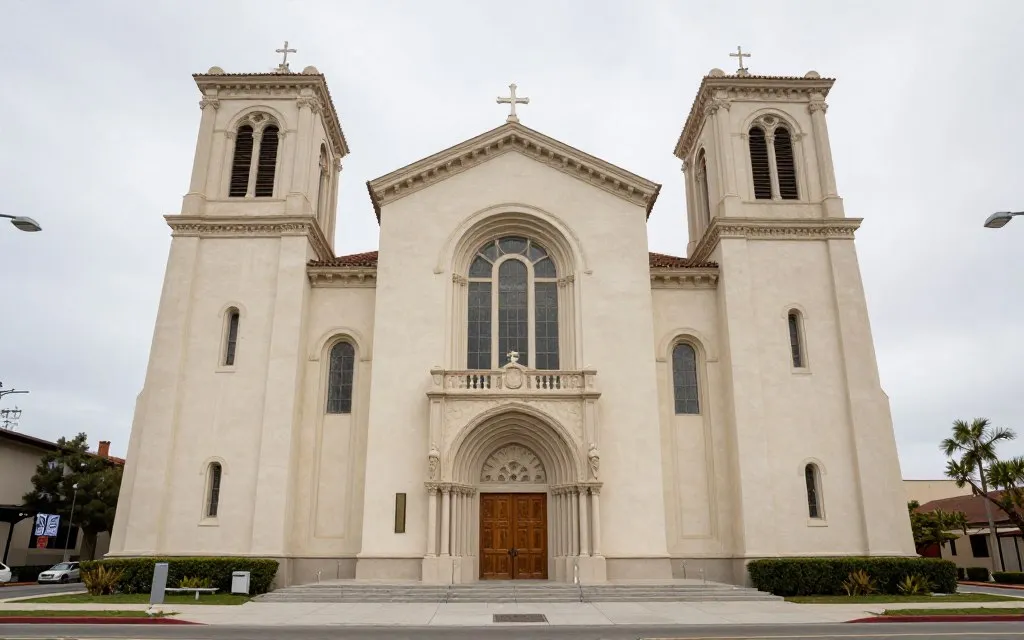
The diocese of Sacramento was also relevant because the alleged priest appeared to claim a religious identity. Reporting stated that the Diocese of Sacramento did not identify the person as an authorized priest. The diocese’s role was not to run the restaurant investigation, but its reported position helped distinguish real clergy from an impersonator.