A unique palm tree was discovered in Borneo, which blooms and bears fruit underground

Deep in the rainforests of Borneo, scientists found a palm unlike any known in the region. Pinanga subterranea spends much of its life looking ordinary above the soil. Its most surprising work happens below it: the palm produces flowers and fruit beneath the forest floor.
The palm was identified in the Lanjak Entimau Wildlife Sanctuary in Sarawak, Malaysian Borneo. Scientists named it Pinanga subterranea. The species name refers to its underground lifestyle.
At first glance, the plant can seem like an unremarkable palm seedling. It has green leaves and a small form that blends into the forest floor. Unlike many palms, however, its flowers do not rise into the open air. Instead, the flowers develop at or below the surface of the ground.
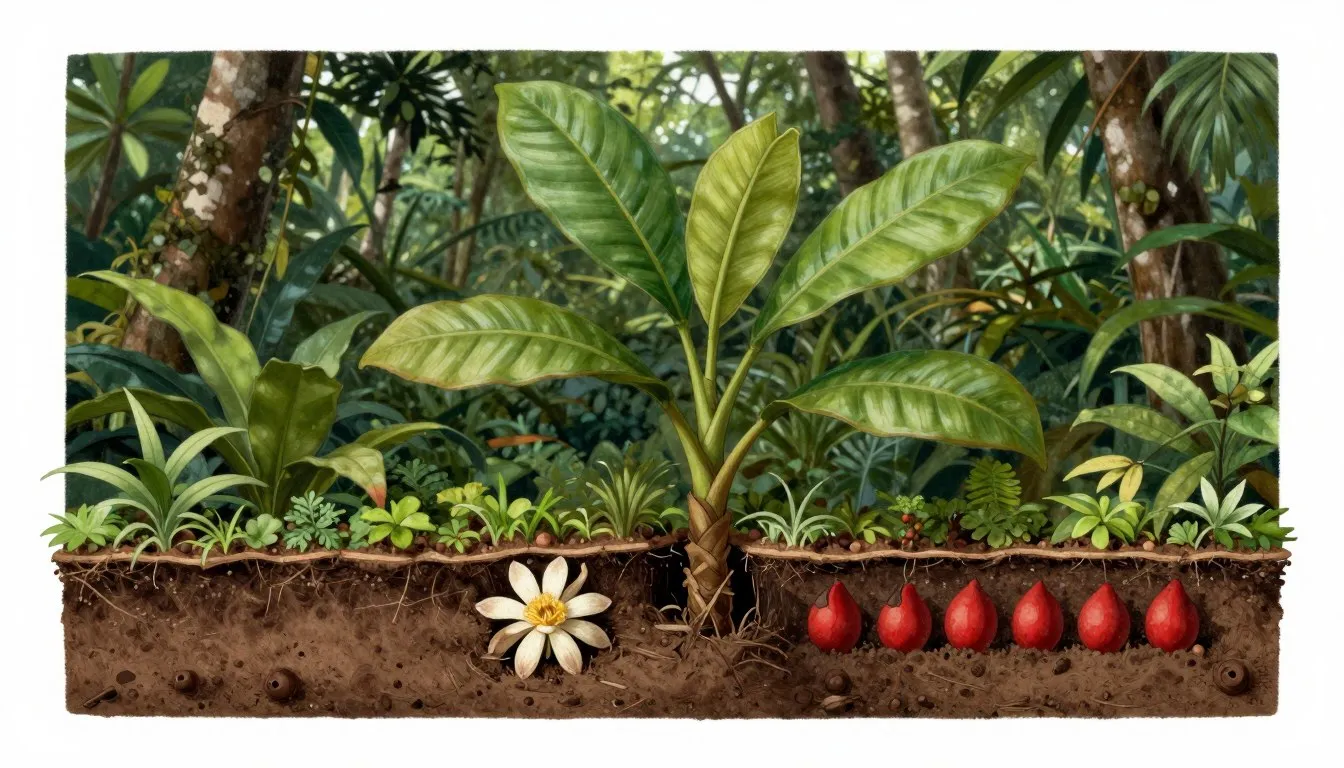
The discovery adds a remarkable chapter to plant science. It also shows how much may remain unknown in places where local people have long understood the forest better than outside researchers.
A remarkable new species from Lanjak Entimau
The team’s study described both underground flowering and fruiting. This combination is exceptionally rare among plants. Before this discovery, scientists knew of only one other plant with both traits: an underground orchid.
“The underground flowering and fruiting are astounding and paradoxical.” — Scientists involved in the study
Local residents already knew the palm. Its presence had not been completely hidden from people who live near and work in the forest. It had simply escaped formal scientific recognition. That detail matters because many new species are found when researchers work closely with indigenous communities.
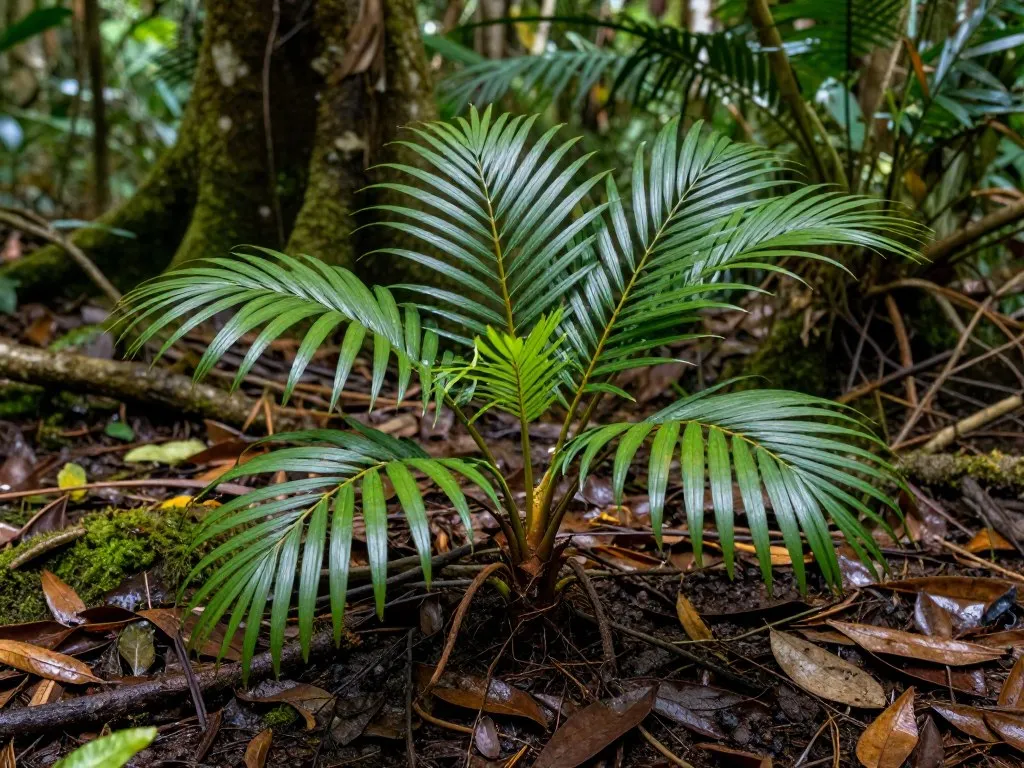
How the underground palm produces flowers and fruit
Flowering plants usually place their blossoms above the soil. This exposes pollen and flowers to wind, bees, beetles, butterflies, and other insects. Pinanga subterranea takes a different route. Its flowers remain close to the soil, where ordinary pollination patterns may not apply.
The scientists still do not know exactly how pollination occurs. Pollen must reach the right part of a flower before fruit can form. Possible partners could include small insects or other forest organisms, but those ideas require careful testing.
This unanswered question makes the palm especially valuable for research. A future study may examine its flowers at different times, track visiting insects, or analyze pollen on nearby animals. Researchers may also study fungi and soil organisms that interact with the plant.
| Plant feature | Typical above-ground palm | Pinanga subterranea |
|---|---|---|
| Flower position | Usually visible above the soil | At or beneath the forest floor |
| Fruit position | Held on exposed stems or branches | Develops underground |
| Known dispersal partner | Often birds or other animals | Bearded pigs have been observed eating and dispersing its fruits |
| Main scientific puzzle | Pollination may be easier to observe | The pollination process remains unclear |
The fruit itself offers another clue. Bearded pigs, also called wild boar in some contexts, eat the fruits and may carry the seeds away from the parent plant. This process is known as dispersal. It gives the palm a way to spread through the forest, even though its fruit begins below ground.
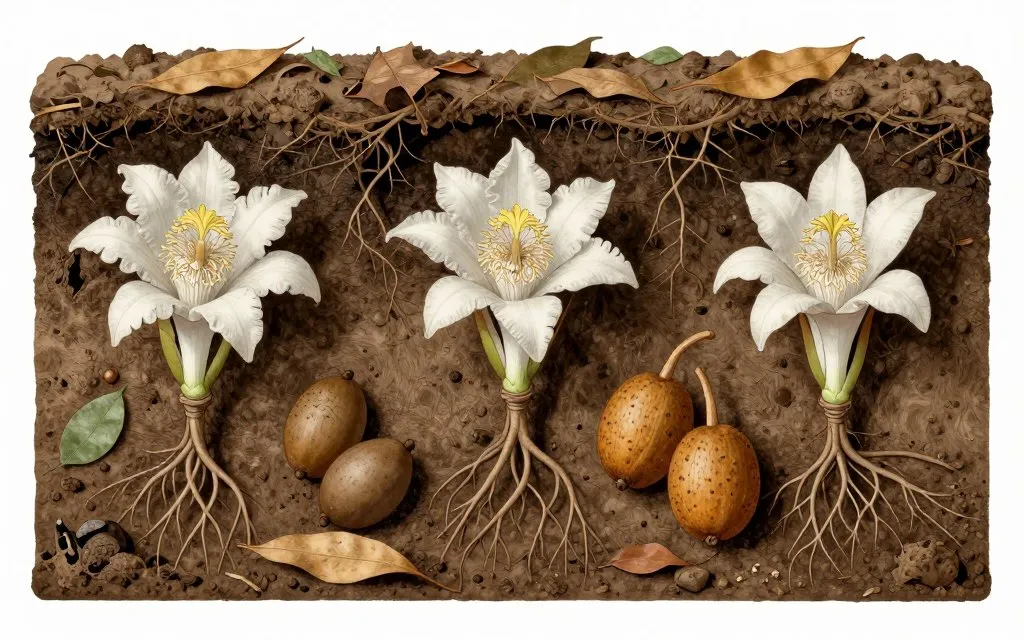
A palm shaped by its rainforest community
The underground habit may protect delicate flowers from heavy rain, direct sunlight, or damage from passing animals. It may also connect the plant to a narrow group of pollinators. At present, these possibilities are not confirmed facts. They are questions for continued fieldwork.
The palm’s relationship with bearded pigs is clearer. When a pig finds and eats the fruit, the seeds may travel through the animal’s feeding range. Some seeds can later germinate away from the original plant. This relationship links a small palm to the movement of large rainforest animals.
- Flowers: hidden below the usual flowering zone.
- Fruits: eaten and dispersed by bearded pigs.
- Seeds: potentially moved to new places in the forest.
- Soil: an active part of the palm’s life, not just a support system.
- Communities: essential partners in recognizing plants and their habitats.
Many rainforest plants depend on animals for pollination or seed dispersal. The discovery of this palm reminds us that these connections can be difficult to see. A plant may look quiet on the surface while supporting a complex life below it.
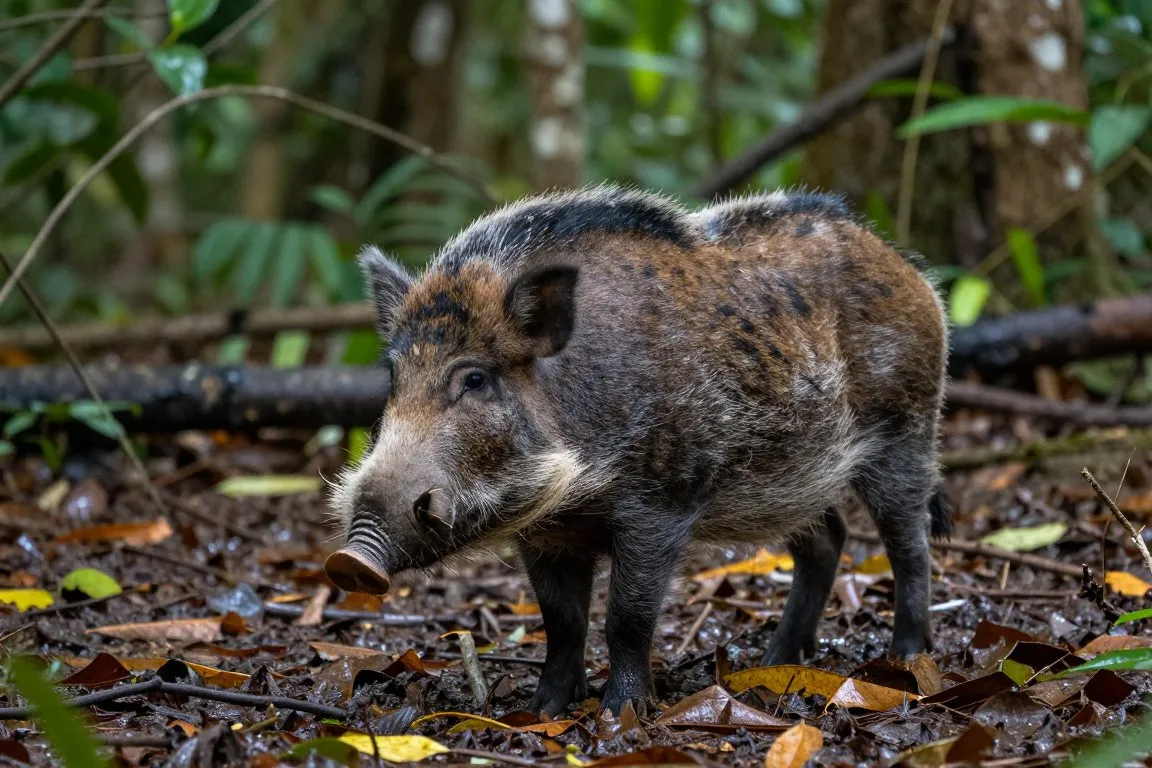
Protecting a rare botanical discovery
Pinanga subterranea was found in a protected area, but protection does not remove every risk. Forest loss, changing rainfall, soil disturbance, and declining animal populations can affect plants with specialized needs.
Its story also supports a wider lesson about conservation. Indigenous communities often know where unusual plants grow, when they flower, and which animals interact with them. Scientists bring other tools, including plant identification, genetic testing, and long-term observation. Combining both forms of knowledge can lead to better research and stronger protection.
Readers can explore reliable botanical information through the Natural History Museum report and the Royal Botanic Gardens, Kew feature
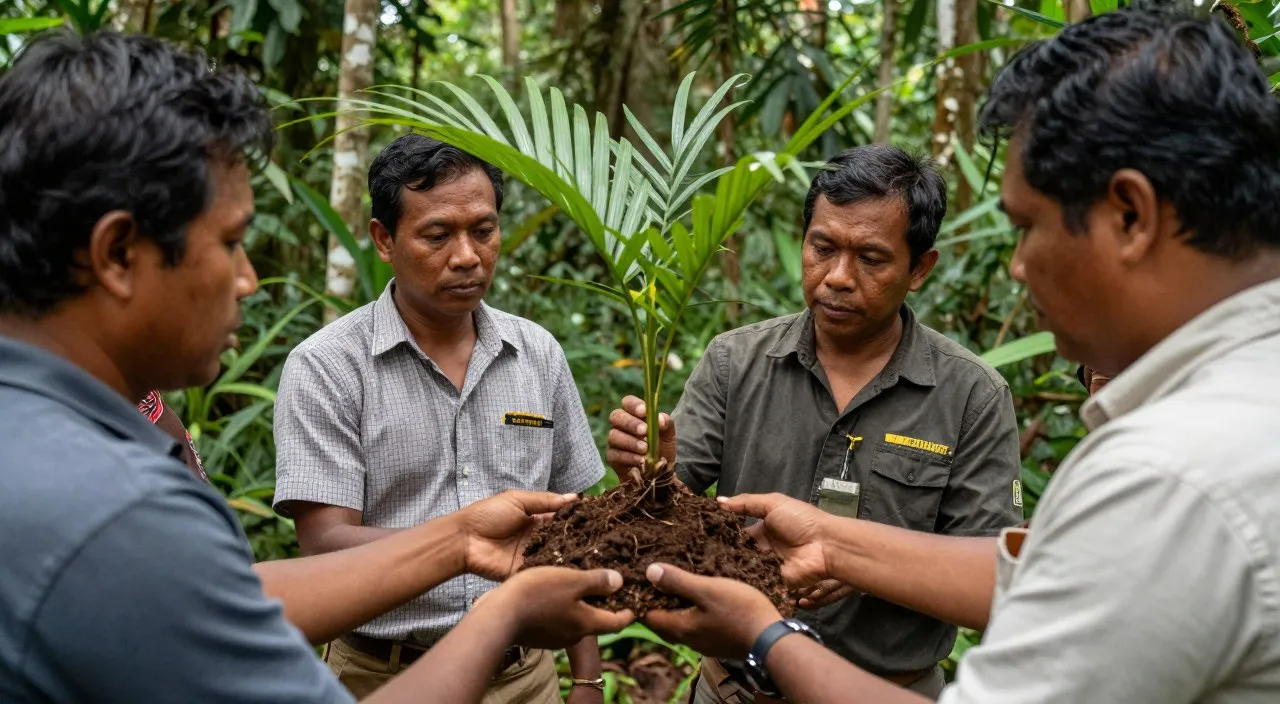
The Borneo palm tree that blooms and bears fruit underground is more than a botanical curiosity. It is a reminder that discovery can begin with careful attention, shared knowledge, and a willingness to look beneath the surface.