How to Choose Bangs That Suit Your Face, Hair, and Lifestyle
Bangs can change your whole look in one appointment. They can highlight your eyes, soften strong angles, or make a long face appear more balanced. They can also become greasy by noon, refuse to sit flat, or demand more styling time than expected.
The right fringe depends on more than a saved celebrity photo. Your face shape, forehead, hair texture, growth pattern, and daily routine all matter. Use this guide to narrow your choices before you pick up the scissors.

How to choose bangs for your face shape
Face shape is a useful starting point, not a strict rule. Most people have a mix of features rather than one perfect category. Look at the width of your forehead, cheekbones, jaw, and chin. Then consider the visual length of your face.
| Face shape | Helpful fringe direction | Use care with | Visual effect |
|---|---|---|---|
| Oval | Most lengths, soft layers, or a light blunt edge | Only styles that conflict with your hair pattern | Keeps natural balance while highlighting the eyes |
| Round | Long side-swept or airy curtain bangs | Heavy, rounded lines ending at the widest cheek point | Adds diagonal movement and length |
| Square | Wispy, curved, or parted fringe | A very thick, straight line at the brow | Softens the jaw and adds motion |
| Long | Full brow-length fringe or layered bangs | Extra-long, narrow pieces that extend the face | Creates width across the forehead and eyes |
| Heart-shaped | Side-swept, feathered, or long curtain bangs | A dense top-heavy line | Balances a wider forehead with a narrow chin |
Oval faces can usually wear many bang styles. A straight fringe, curtain shape, or micro bang may work if the hair supports it. The key is proportion. A very short bang draws attention to the center of the face, while a longer layer brings softness.
Round faces often benefit from angles. A side-swept fringe or curtain bangs that open near the cheekbones can make the face appear longer. Avoid a thick rounded edge that finishes at the widest part of the face.
Square faces tend to look balanced with movement. Wispy ends, a gentle curve, or layered bangs can soften a defined jaw. Blunt bangs can work, but they create a stronger graphic effect and need precise cutting.
Long face shapes often suit fuller bangs that reach the brows or sit slightly below them. This placement creates a horizontal line and can make the face appear more compact. A piecey finish keeps the result from looking too severe.
Heart-shaped faces have a wider forehead and a narrower chin. Side-swept fringe and curtain bangs are often flattering because they guide attention toward the center of the face. Feathered ends can also add fullness near the jaw.
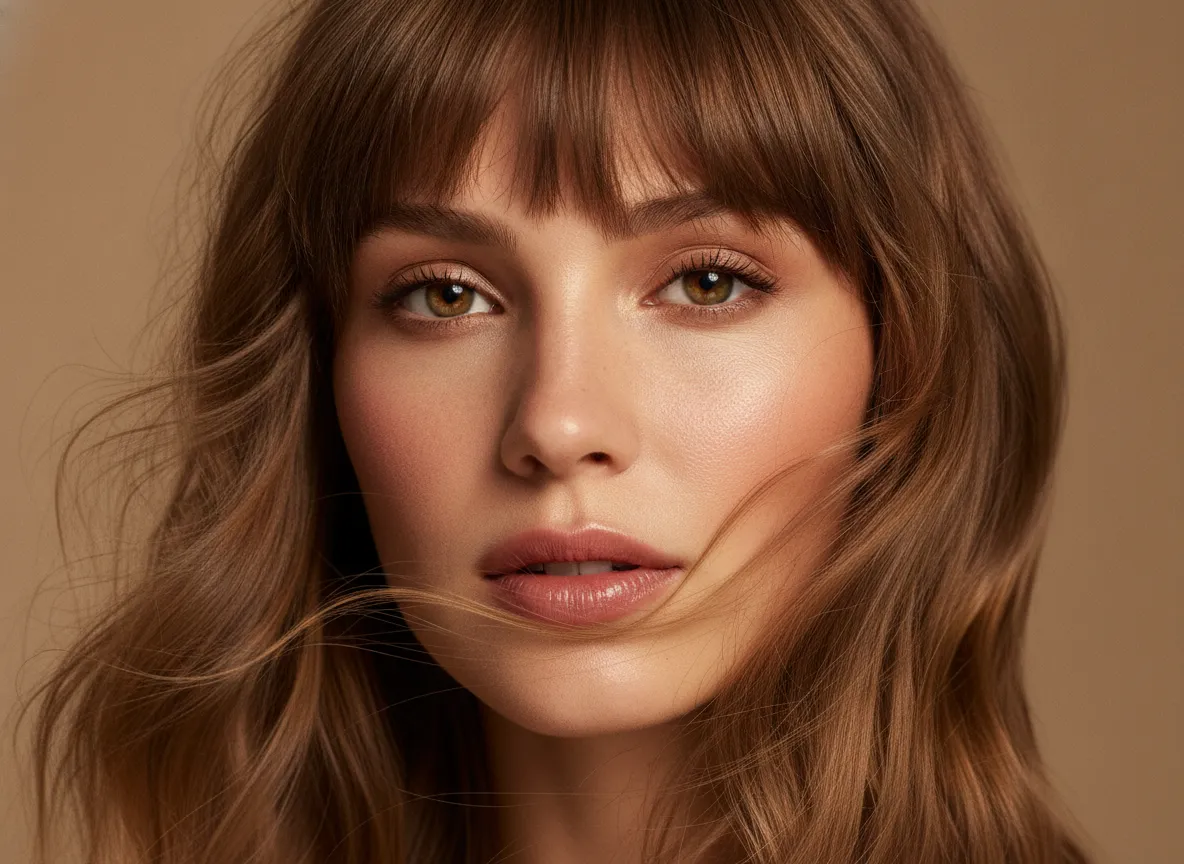
Match bangs to your hair texture
Hair texture changes the final length and shape of a bang. Straight hair may show every cutting line. Wavy hair can shrink as it dries. Curly hair may need to be cut dry or with extra length. Your stylist should assess the hair in its natural state.
Straight hair
Straight hair can support crisp lines, but it also reveals uneven edges. Blunt bangs look polished when the hair has enough density. Fine straight hair may look better with a light, separated fringe.
- Dry the roots soon after washing.
- Use a small brush for direction.
- Ask for weight removal only when needed.
Wavy hair
Wavy hair gives bangs natural texture and movement. Curtain bangs, long layers, and piecey shapes are usually easier than a perfectly flat line. Let the wave guide the design.
- Use a light curl cream.
- Scrunch instead of brushing dry hair.
- Expect some day-to-day variation.
Curly or coily hair
Curly and coily textures can look striking with a rounded, layered fringe. Shrinkage matters, so the length should be discussed carefully. A dry cut may help your stylist see the true curl pattern.
- Share your usual styling method.
- Do not compare wet and dry length.
- Choose products that preserve definition.

“The best bang is the one that respects the direction, density, and behavior of the hair.” — Practical salon guidance
Pay attention to your hairline. A strong cowlick, widow’s peak, or unusual growth direction can push a bang away from its intended position. That does not mean bangs are impossible. It means the cut may need more length, layering, or a side part.
Compare bang styles before your haircut
Different bang styles create different levels of commitment. Consider both the first-day look and the grown-out stage. A fringe that looks excellent at one length may become awkward after four weeks.

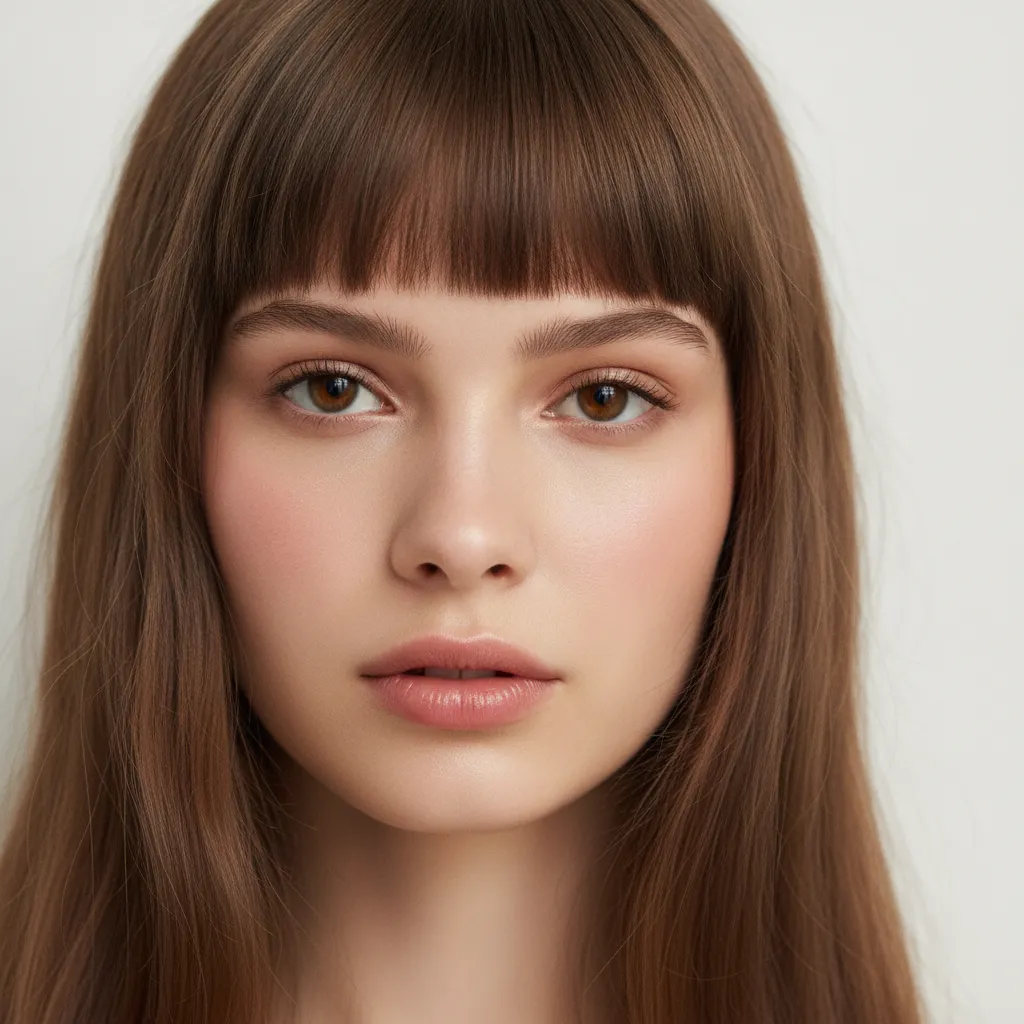
Curtain bangs are parted near the center and become shorter toward the middle. They are among the most flexible choices because they can blend into layers as they grow. They usually need round-brush styling or a deliberate air-dry technique.
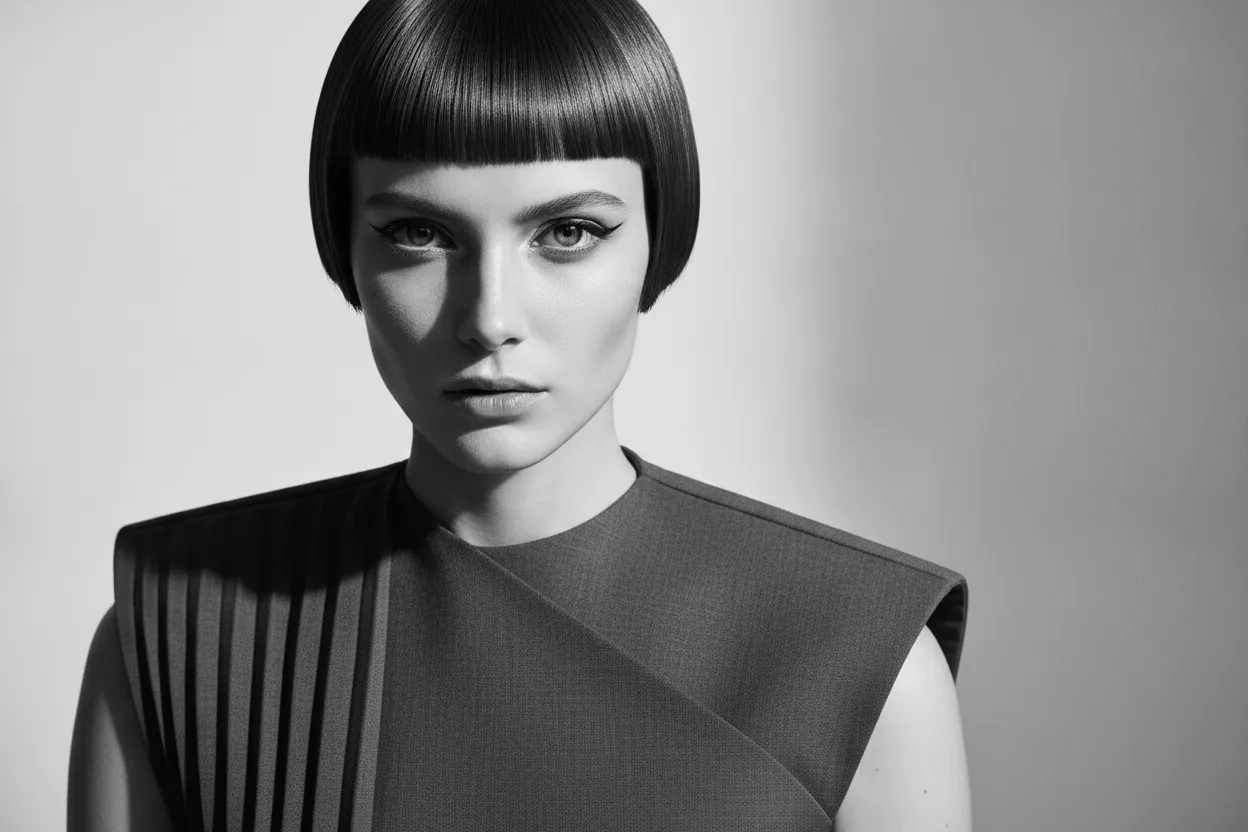
Blunt bangs form a clear horizontal line. They suit people who like a polished, graphic look and do not mind regular trims. Dense hair can make this style fuller, while fine hair may need a lighter edge.
Micro bangs sit well above the eyebrows. They can make the eyes look more prominent and add a bold, playful quality. Because a small amount of growth changes their appearance, trims may be needed every three to four weeks.
Layered bangs blend into the haircut. They are useful for people who want movement or an easier grow-out period. Longer pieces can frame the face without creating a strong shelf across the forehead.
Side-swept fringe is a practical option when you want flexibility. It can be pinned away, tucked behind the ear, or worn across the forehead. The shape works especially well when a center part feels too symmetrical.
Choose a fringe that fits your daily routine
A beautiful bang style is not successful if it does not fit your schedule. Think about mornings, exercise, weather, skin care, and how often you visit a salon.
- Low styling time: Choose long curtain bangs, side-swept fringe, or blended layers.
- Frequent workouts: Consider a longer length that can be clipped back.
- Humid weather: Avoid an extremely precise shape unless you enjoy regular styling.
- Oily forehead: Keep light dry shampoo available and avoid rich skin products along the hairline.
- Frequent glasses or sunglasses: Check that the fringe will not crowd the frames.
- Limited salon visits: Choose a forgiving shape with a soft, longer edge.

Bangs touching the forehead may look oily sooner than the rest of the hair. Wash the fringe separately when needed, or refresh it with dry shampoo. Apply dry shampoo to the roots, wait briefly, then brush it through. Too much product can create stiffness and visible residue.
When blow-drying, start while the hair is still wet. Direct it from side to side with a brush before setting the final part. This helps reduce stubborn bends. Use warm rather than very hot air, especially near the skin.
Test the look before making a commitment
Photos can help, but they do not show how a fringe behaves on your own face. Before booking a dramatic haircut, test the length and placement in a low-risk way.
- Part your hair where the new fringe would begin.
- Pull forward a small section from the front.
- Fold or pin it at the planned length.
- Take photos from the front, side, and three-quarter angles.
- Wear the test for several hours during normal activities.
You can also try clip-in fringe for a fuller preview. A clip-in fringe will not copy your exact density or texture, but it can show whether you like hair across the forehead. If the first version feels too heavy, try clip-in fringe with a lighter piece or a longer side section.

Notice more than the front view. Check whether the hair falls into your eyes, touches your glasses, or separates when you move. Smile, turn your head, and wear the test with your usual makeup. These small details often reveal the difference between liking a photo and liking the style in daily life.
Keep in mind: A fringe changes as it grows. Ask your stylist how it will look at one month, two months, and the point where it can be tucked away.
If you are unsure, start longer. Your stylist can remove more length, but adding it back requires patience. A long, soft bang can be shortened into a stronger shape during a later visit.
Ask your stylist for a realistic bang plan
Bring clean reference photos, but do not ask for an exact copy. A stylist can adapt the shape to your face, hair density, and features. Tell them how much time you have for styling and how often you can return for maintenance.
- Explain how you normally part and wear your hair.
- Share whether you air-dry, blow-dry, or use heat tools.
- Point out cowlicks, thinning areas, and previous color damage.
- Ask which products will support the finished style.
- Discuss the shortest safe length before the scissors move.
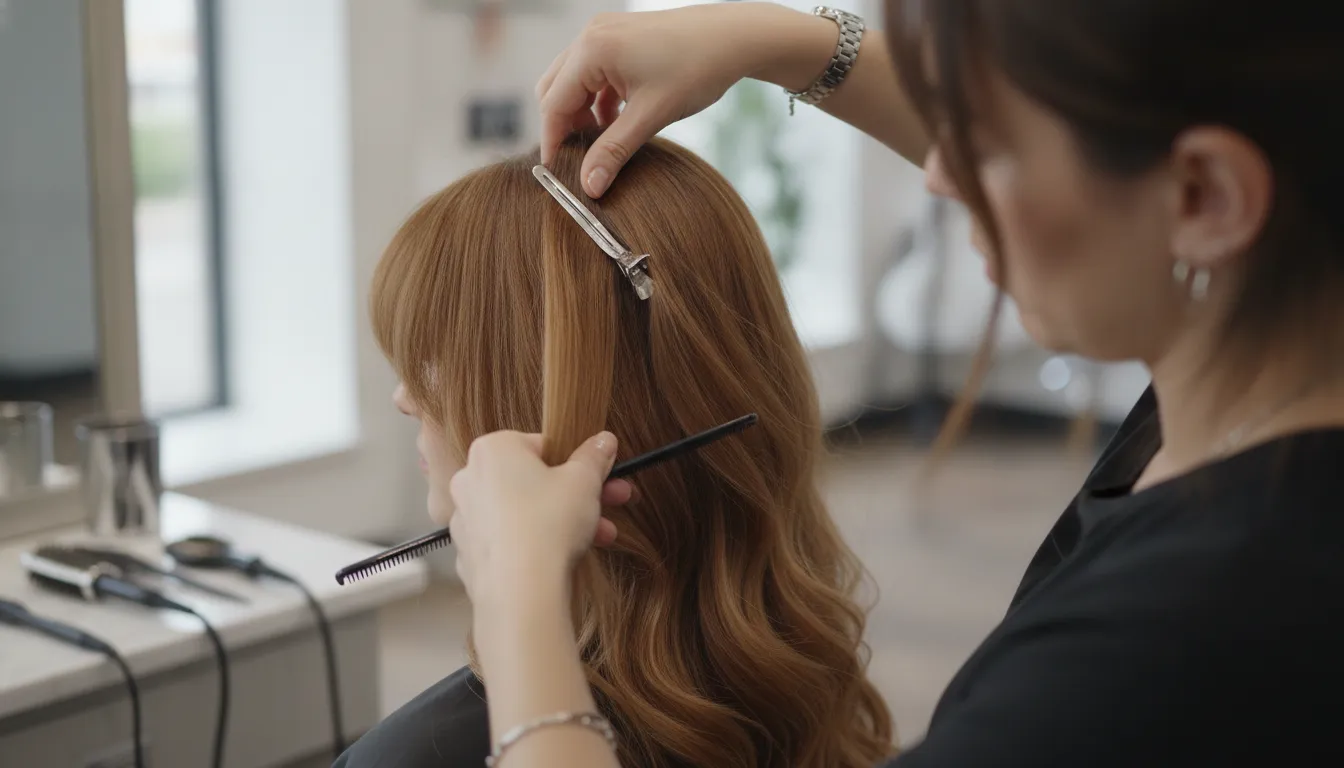
Some people should use caution with very thick bangs. A heavy line may emphasize a strong lower face or make small, deep-set eyes appear more shaded. Fine straight hair may struggle to hold a full shape, particularly when the forehead is high. In that case, a longer, airy fringe may be easier.
People with curly or coily hair should ask how much shrinkage the stylist expects. The finished bang may become several inches shorter once the curl dries. Your stylist may recommend a dry cut, a rounded outline, or a longer starting point.
The safest choice is not always the most dramatic one. A soft fringe can still refresh your haircut, frame the face, and draw attention to the eyes. If it grows out well, you can move toward shorter or denser bang styles later.
There is no single perfect fringe for every person. The best result is a thoughtful match between your features, hair behavior, preferred style, and available time. Start with a manageable length, communicate clearly, and let the cut work with the hair you actually have.