Curtain Bangs Hairstyles in 2026: 7 Stylish Cuts and Easy Ways to Wear Them
Curtain bangs hairstyles in 2026 feel softer, lighter, and more personal than the blunt fringe of past seasons. The best cut opens around the eyes, blends into the rest hair, and works with your natural texture. From a polished bob to long, flowing layers, there is a version for nearly every face shape and hair length.
The key is not copying one photo. It is choosing the right bang length, parting, and finish for your features. Use this guide to find a look that feels current without becoming difficult to maintain.
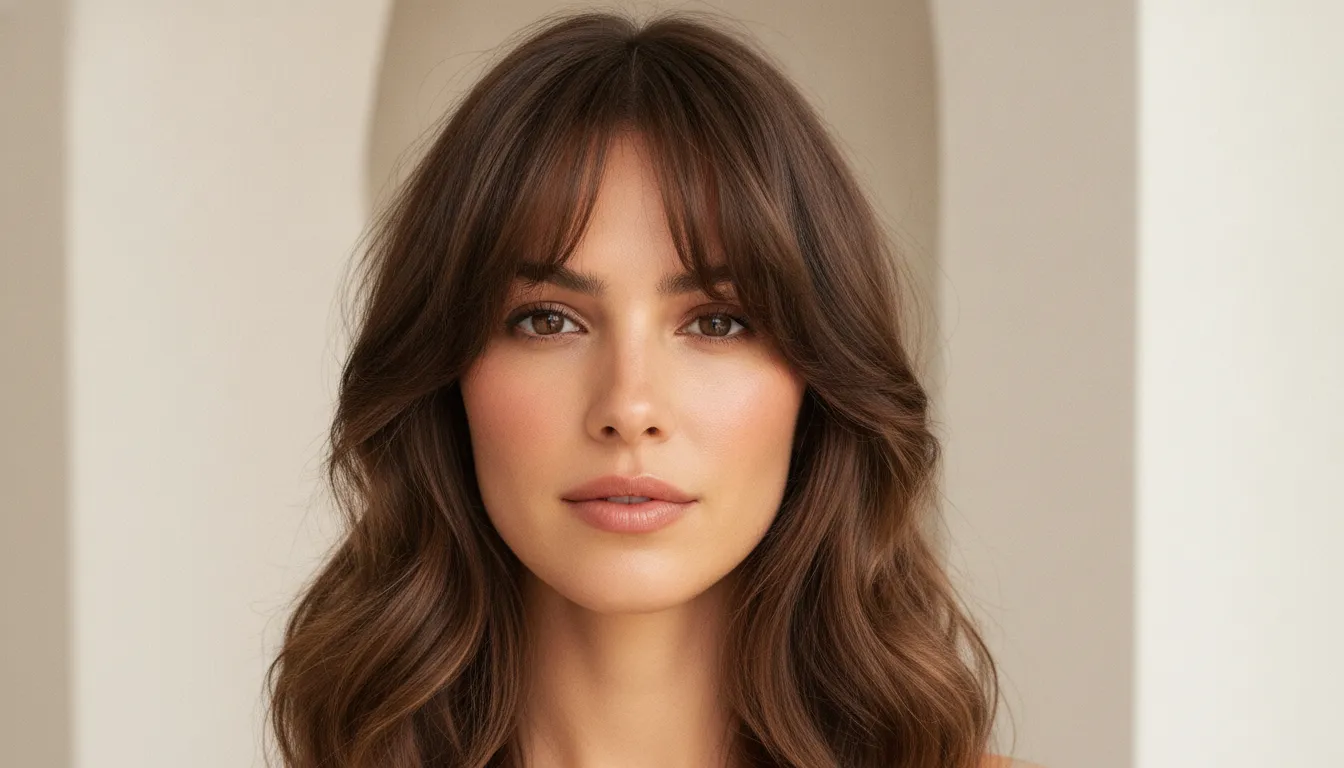
Seven cuts that make curtain bangs feel fresh
These seven haircuts show how much the final look can change. A small difference in length can create more volume, soften a strong jaw, or make fine hair appear fuller. Discuss the details with a hairstylist before the cut, especially if your hair has a strong wave or cowlick.
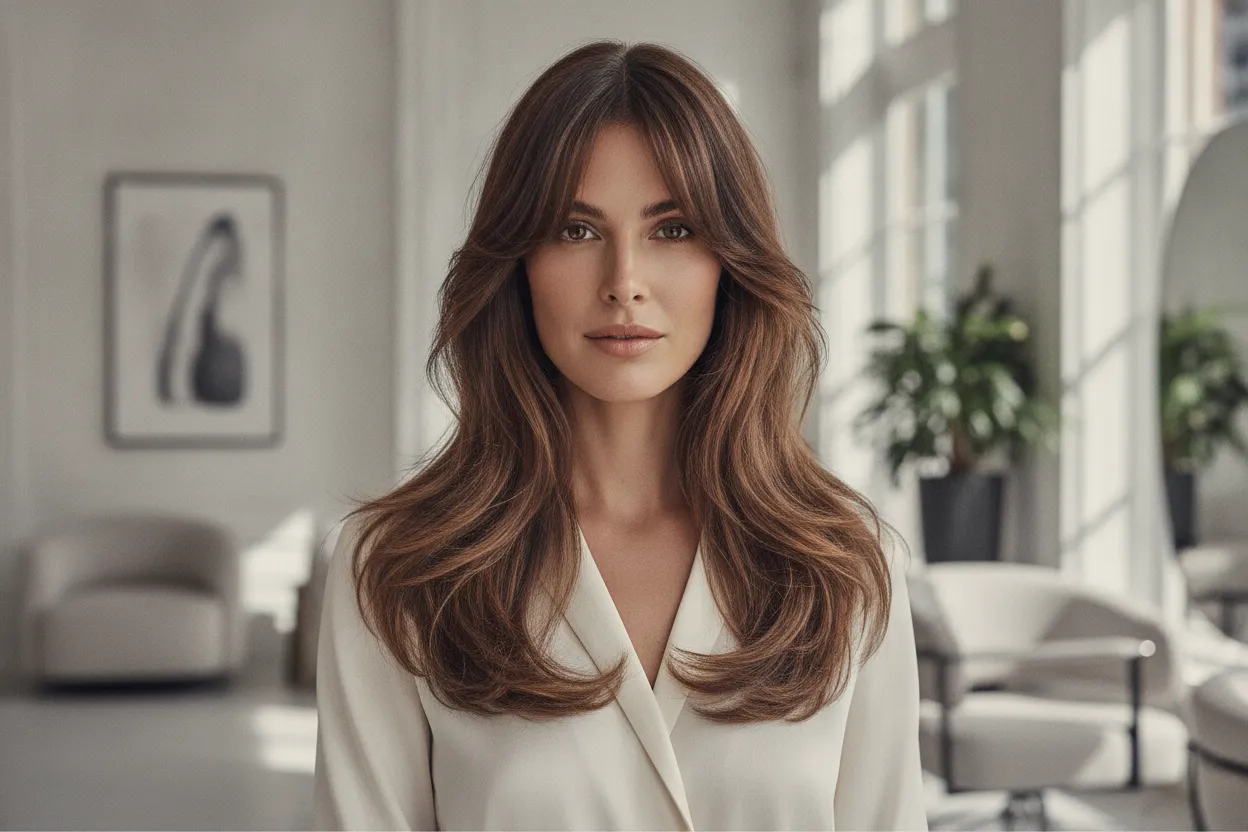
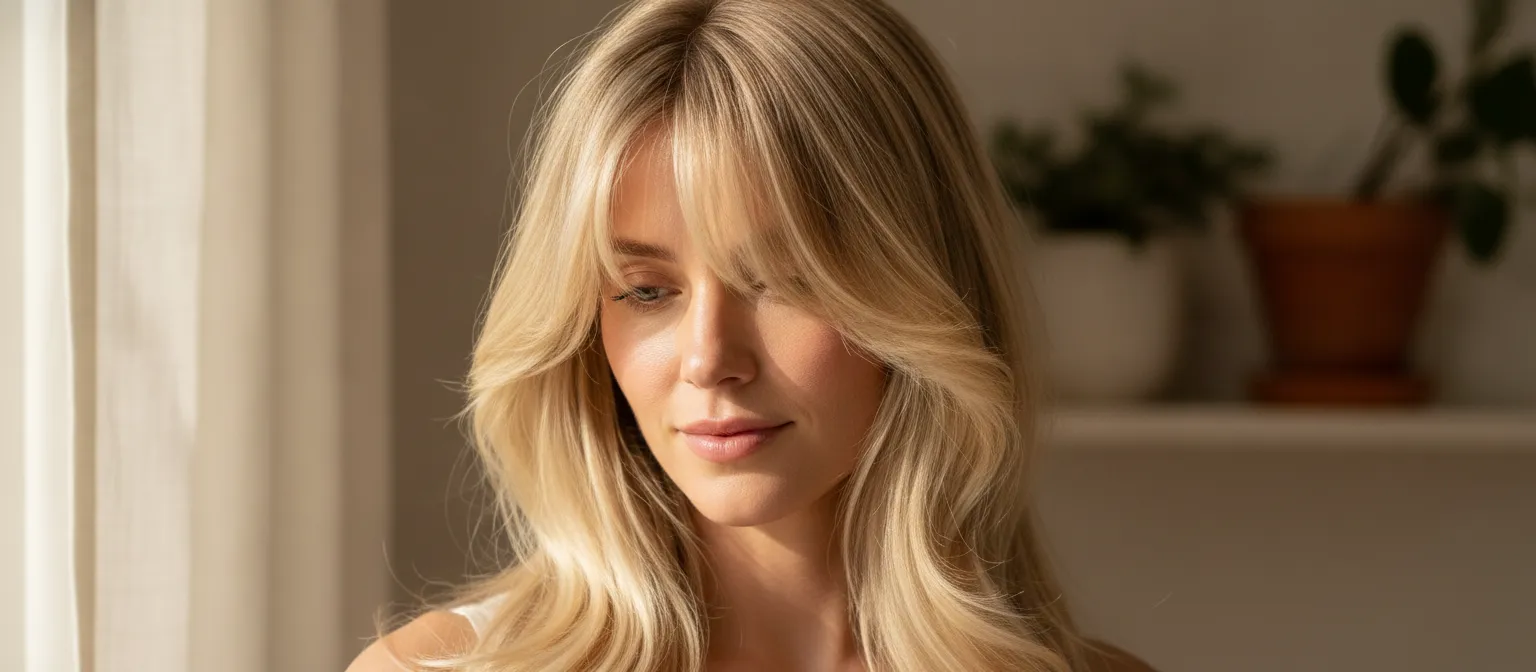
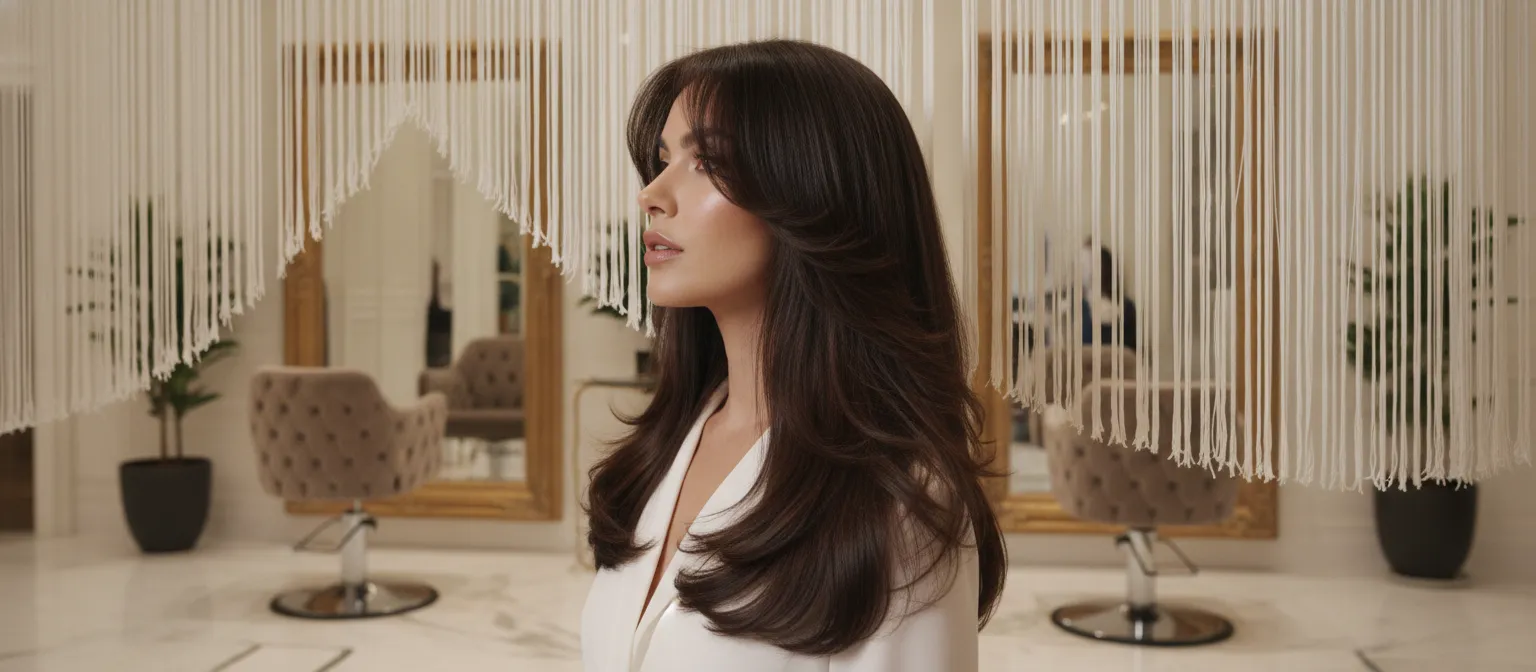
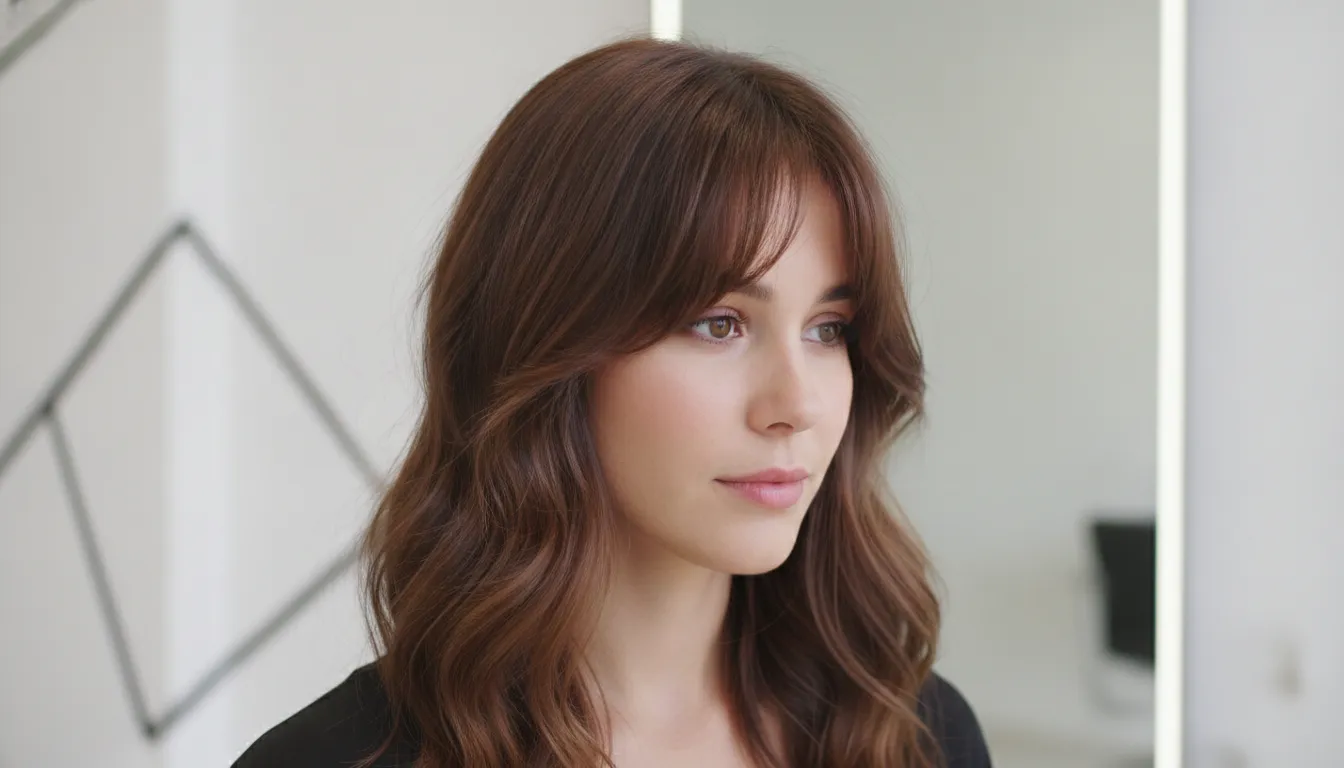
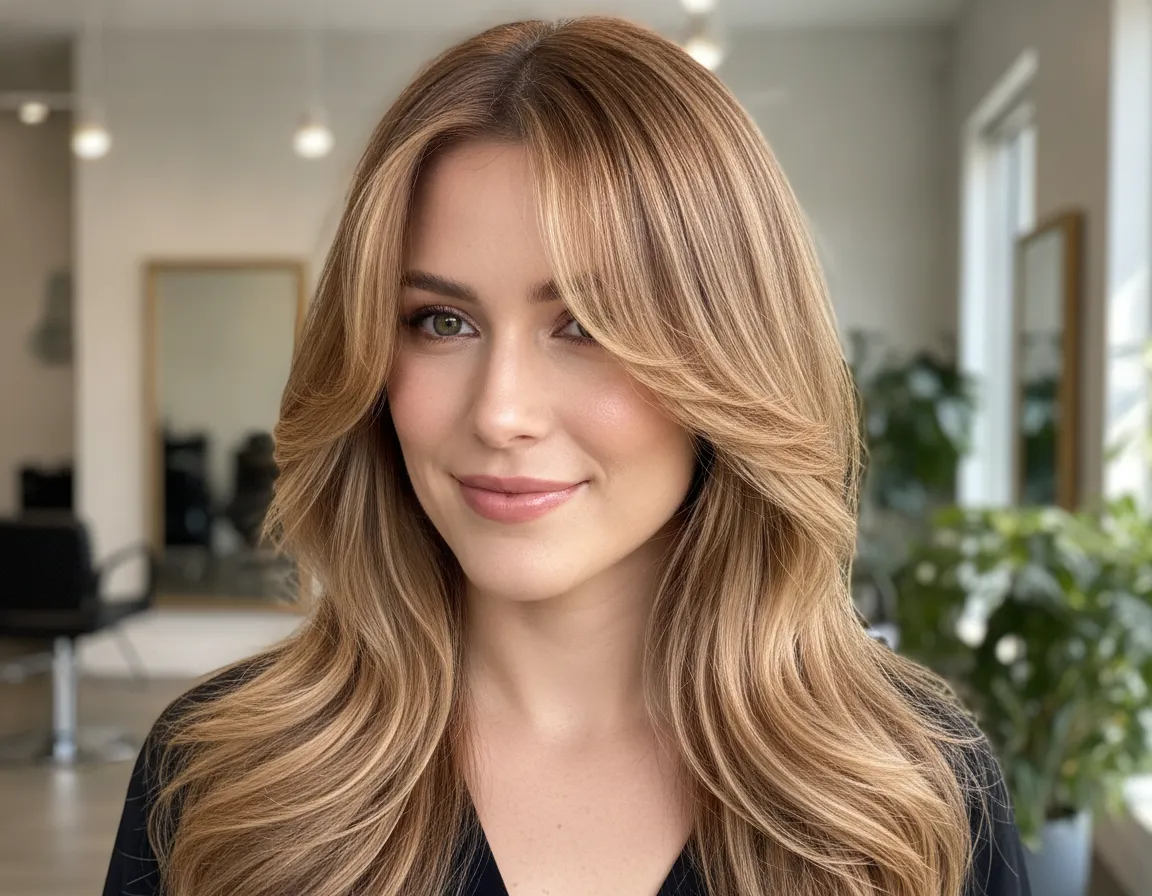
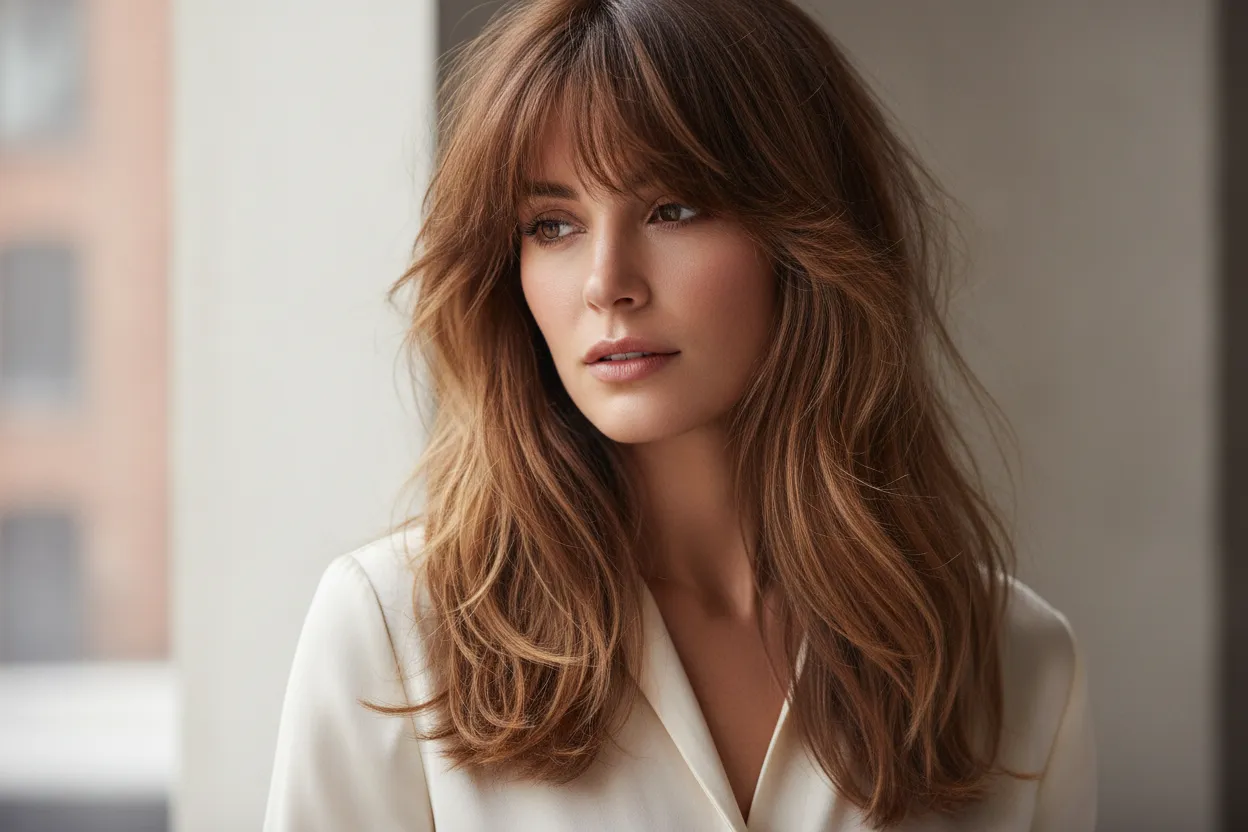
1. Long layers with a parted middle
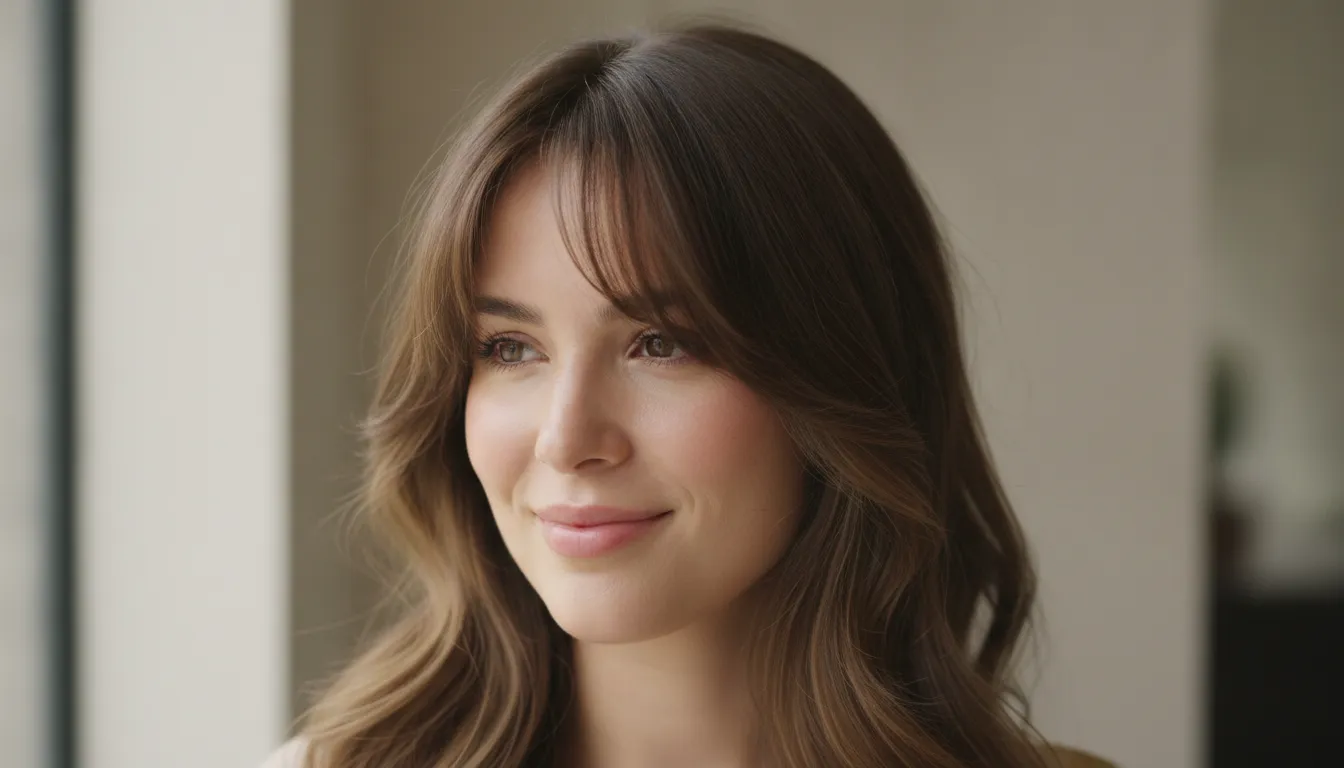
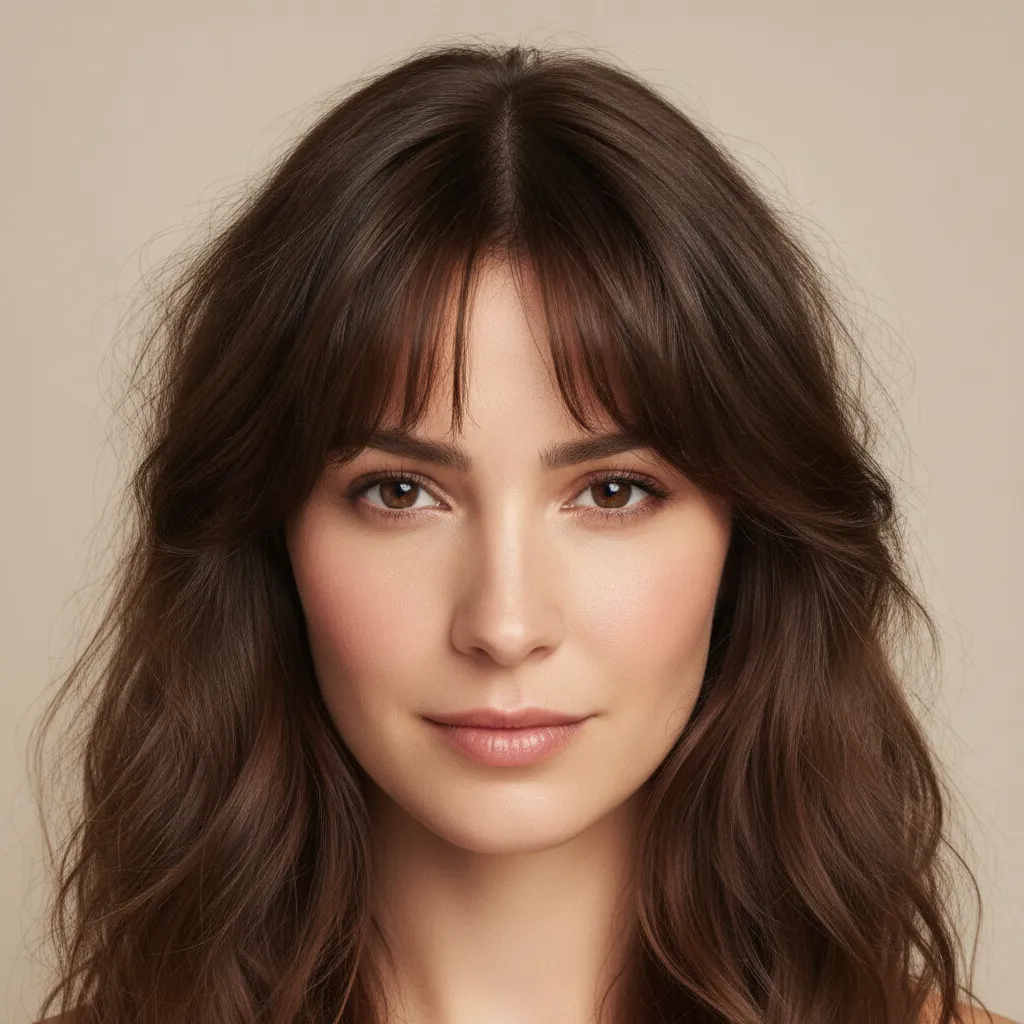
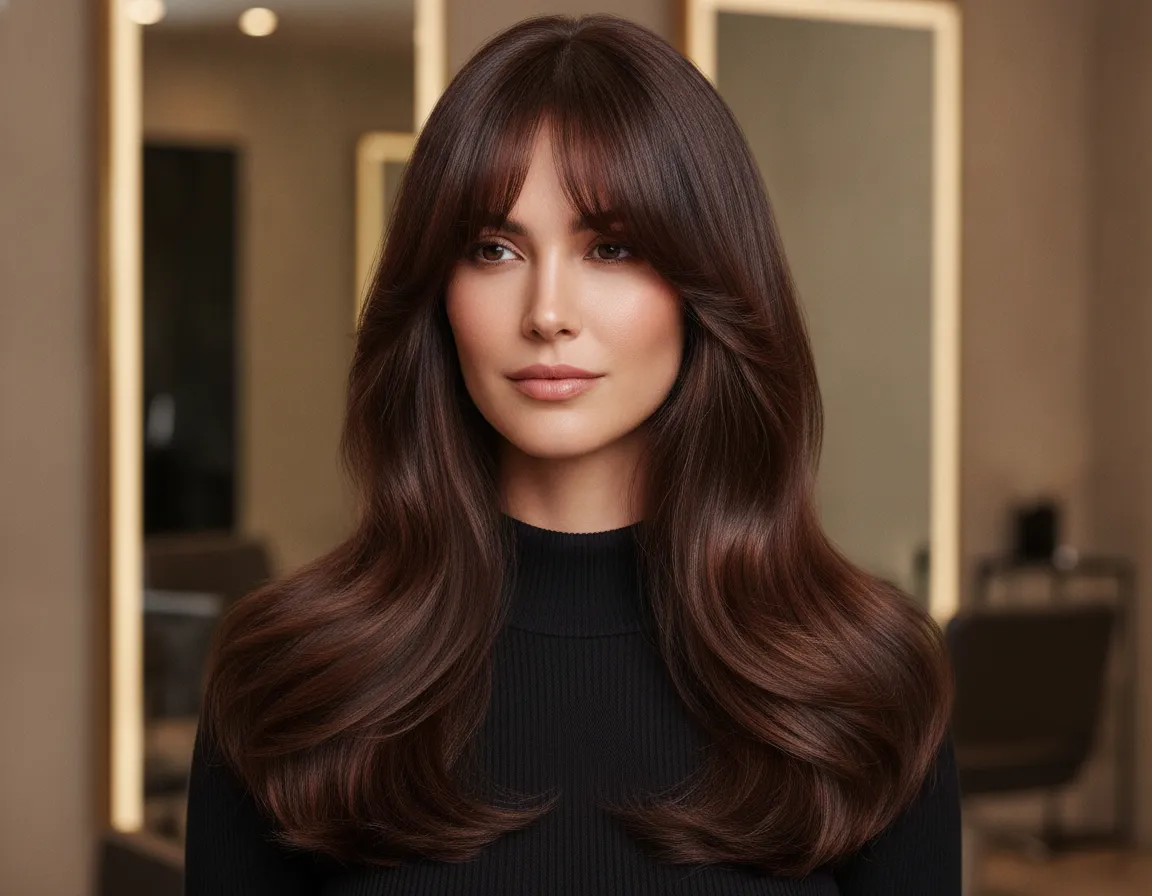
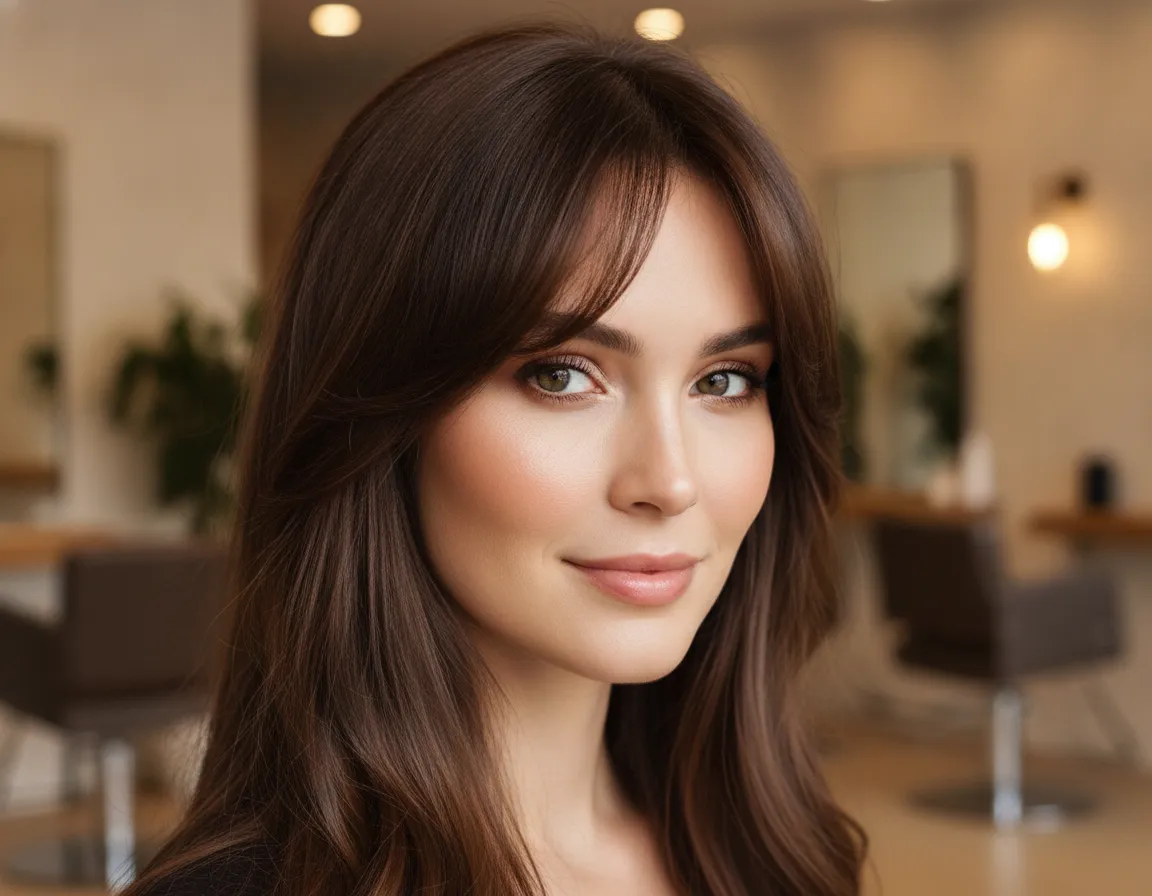
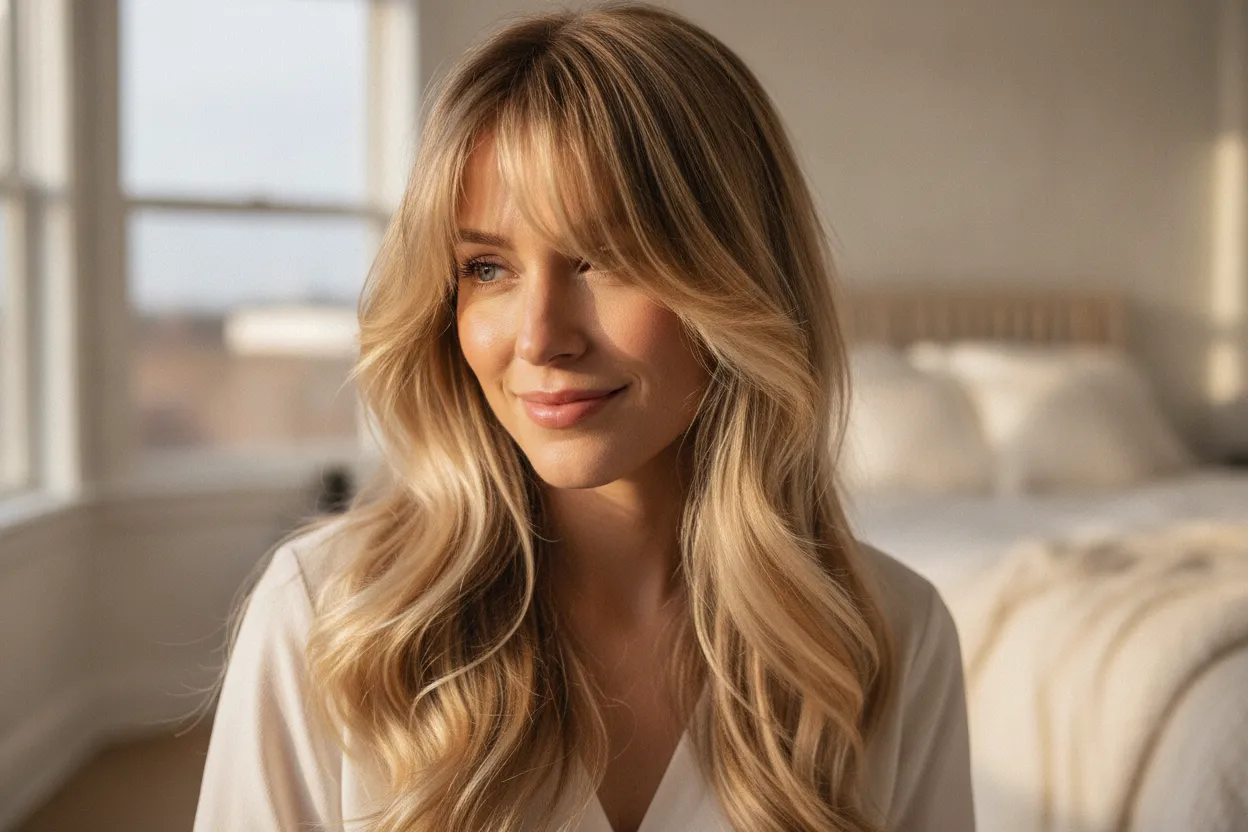
Long curtain bangs look elegant when they begin near the cheekbone and continue into blended layers. This shape creates a smooth frame face effect without making the rest hair feel short. It suits medium and long hair particularly well.
Ask for the shortest strands to sit around the bridge of the nose or upper cheek. The longer side should melt into the first layer. A parted middle keeps the look balanced, while a slightly off-center part adds a relaxed finish.
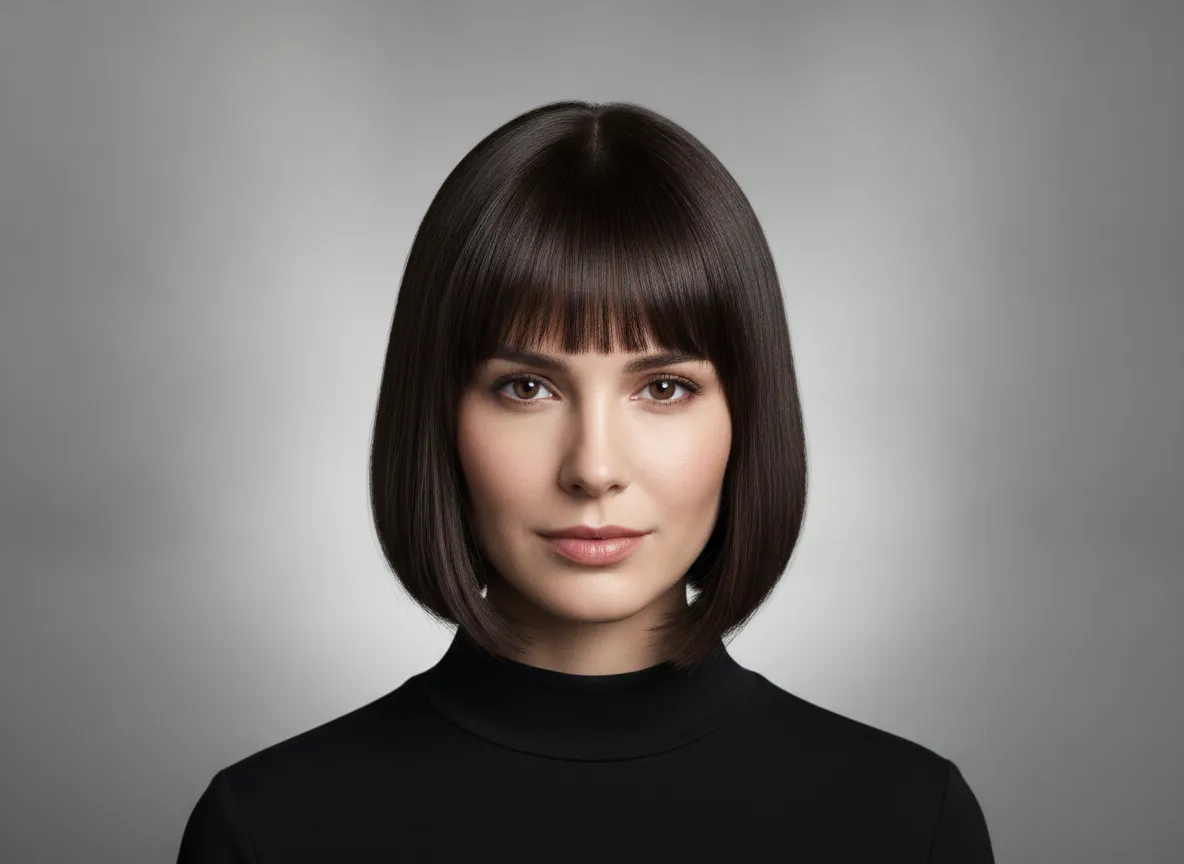
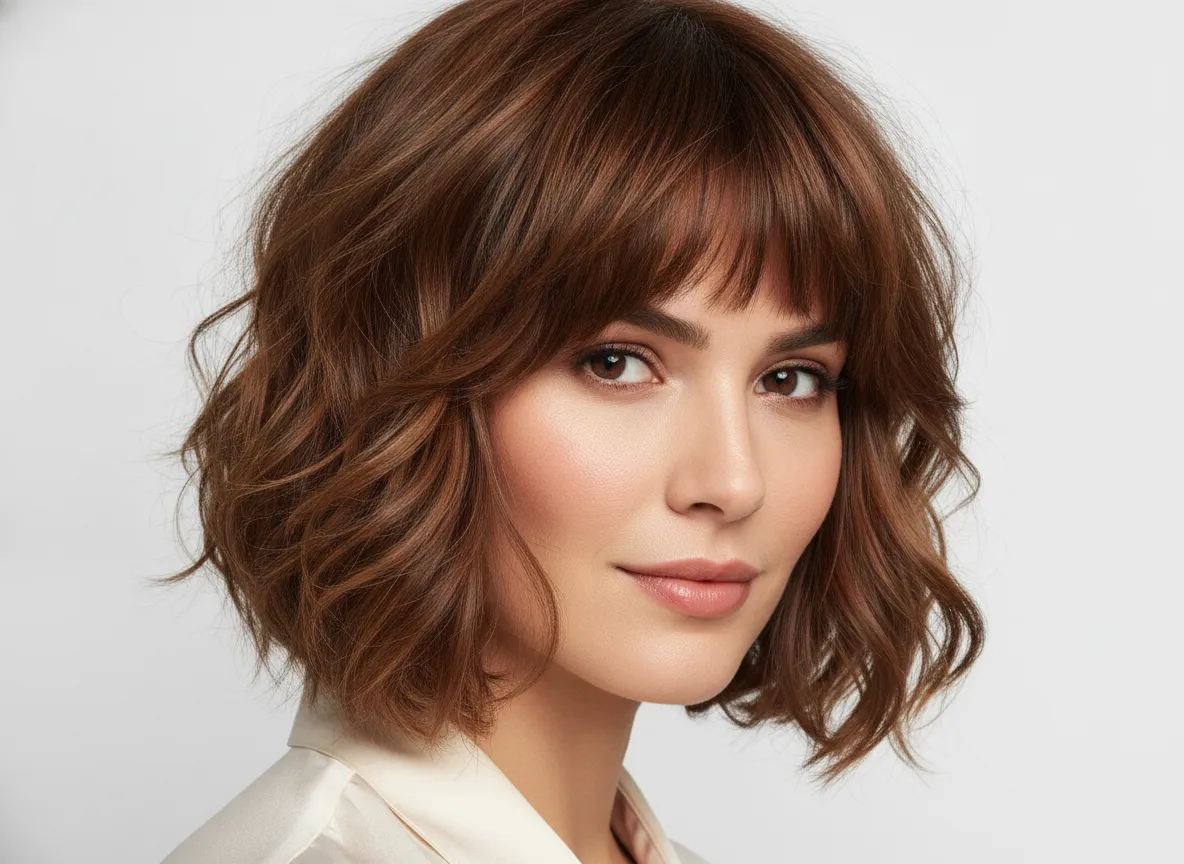
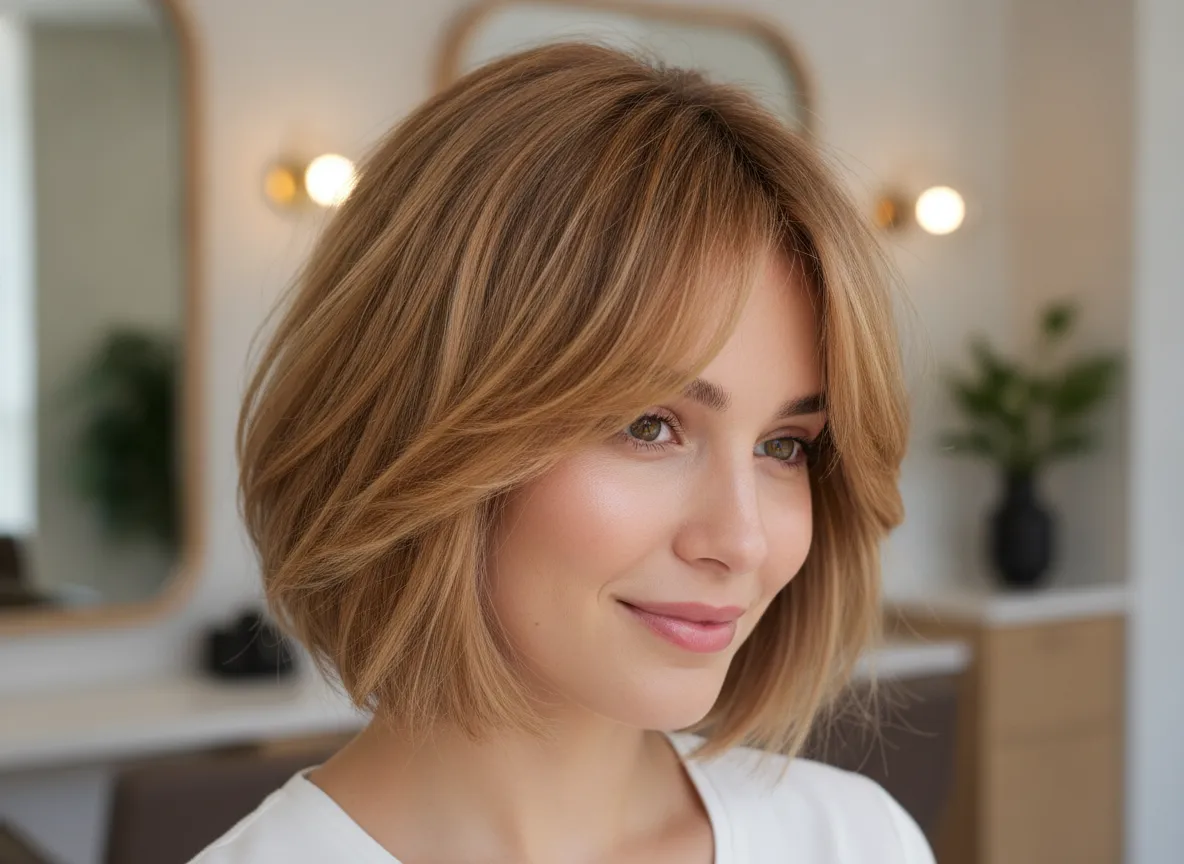
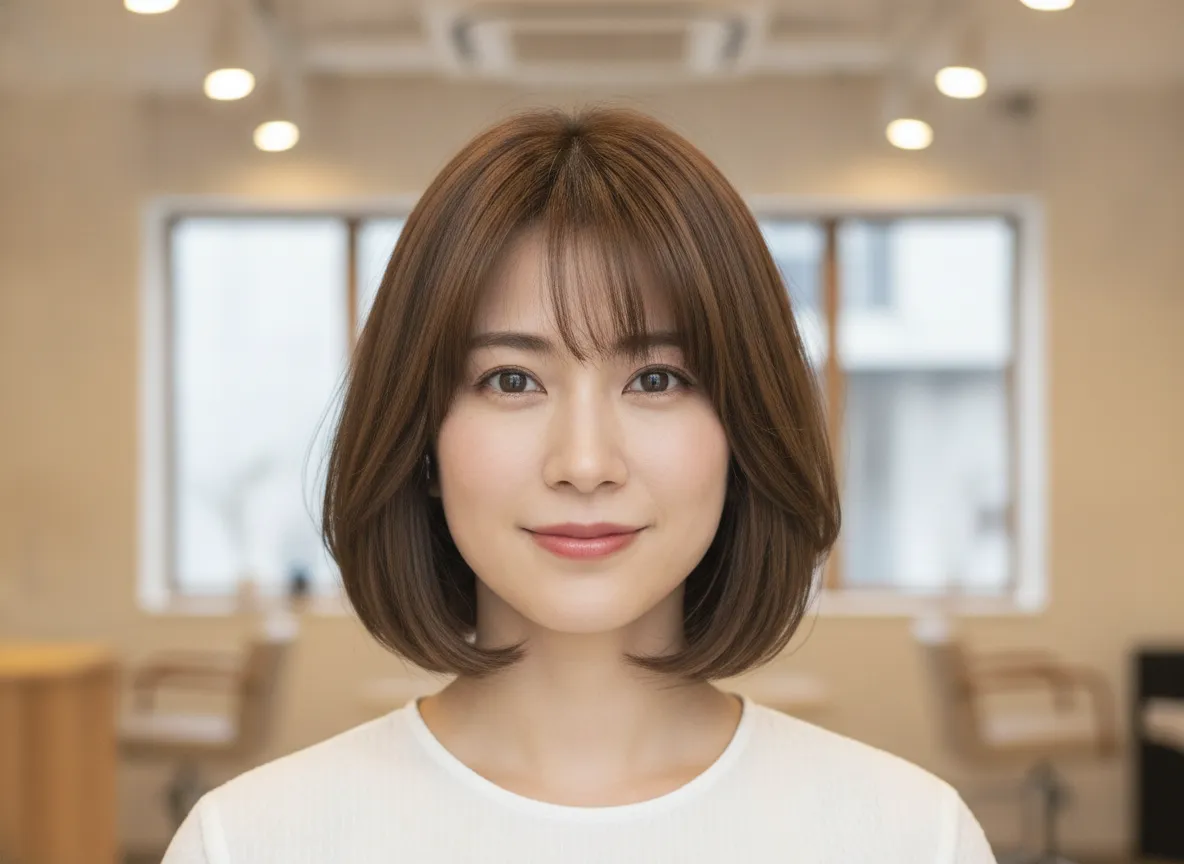
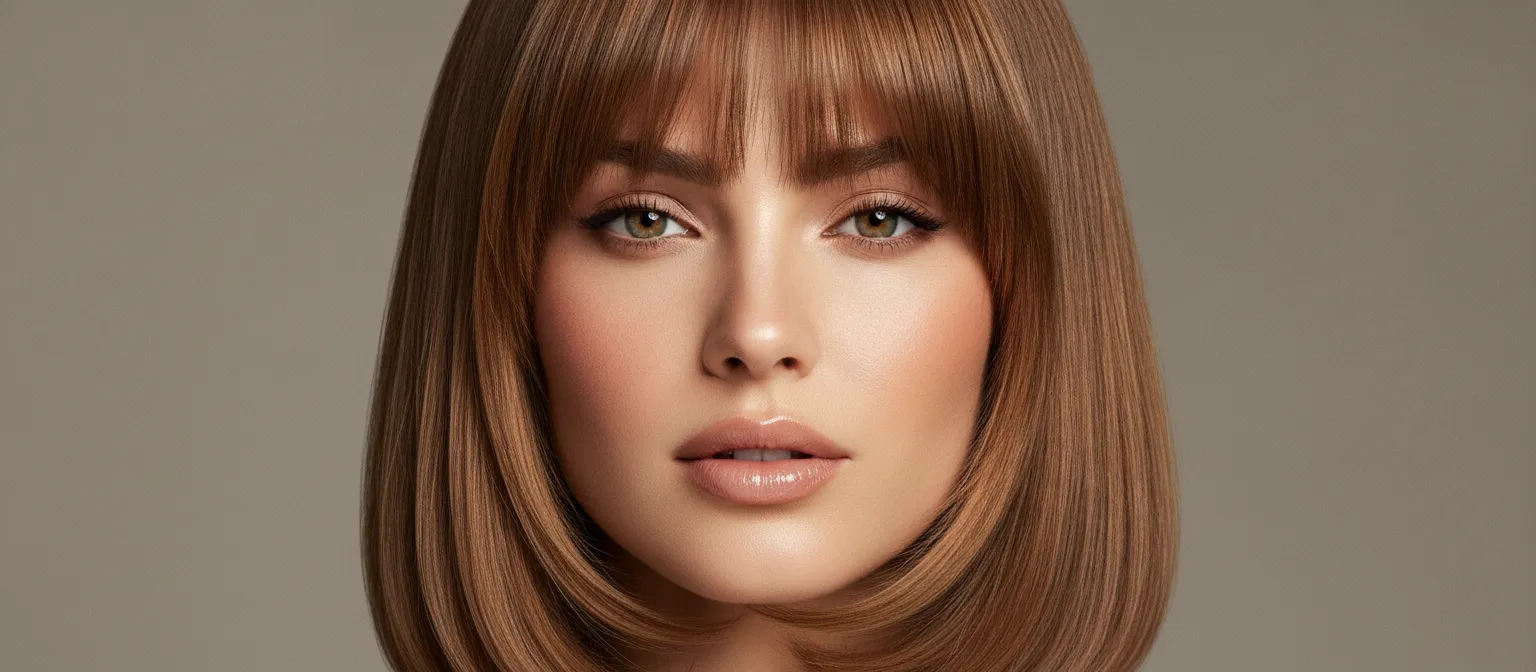
2. The soft curtain bang bob
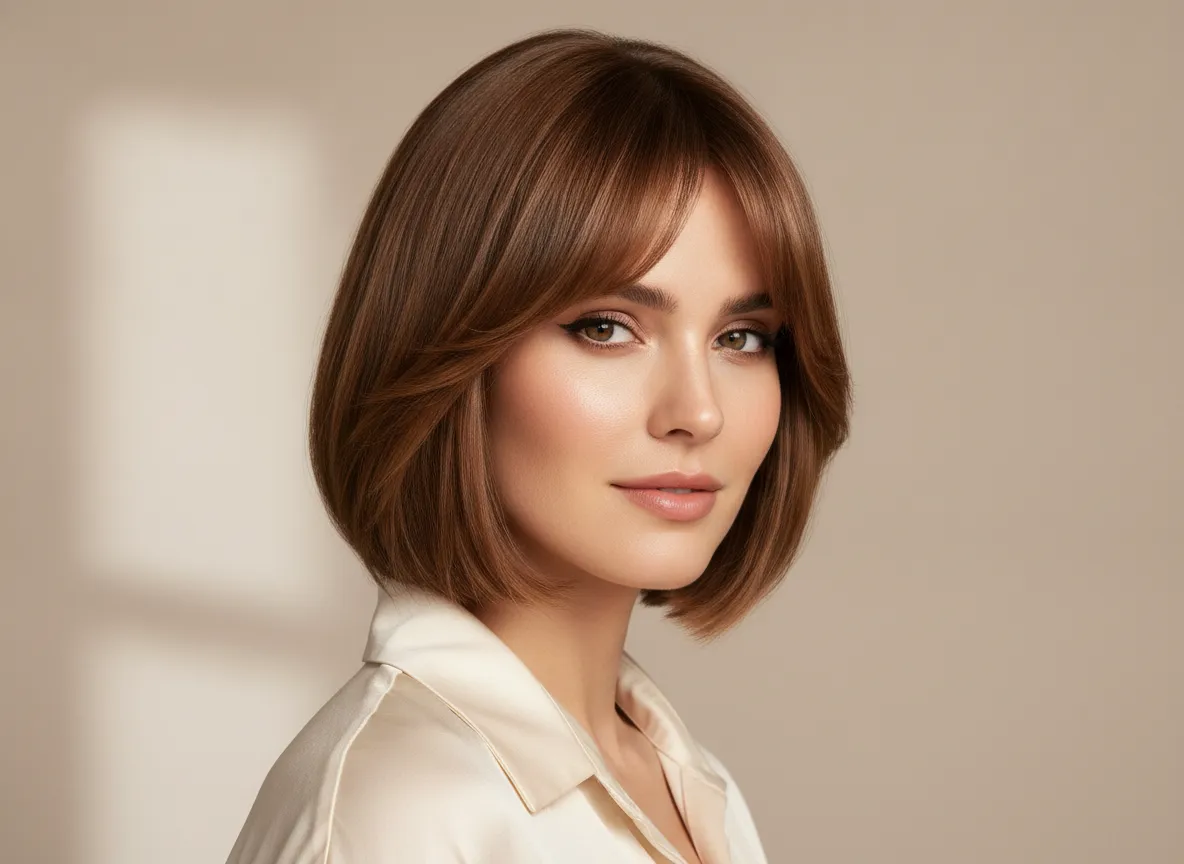
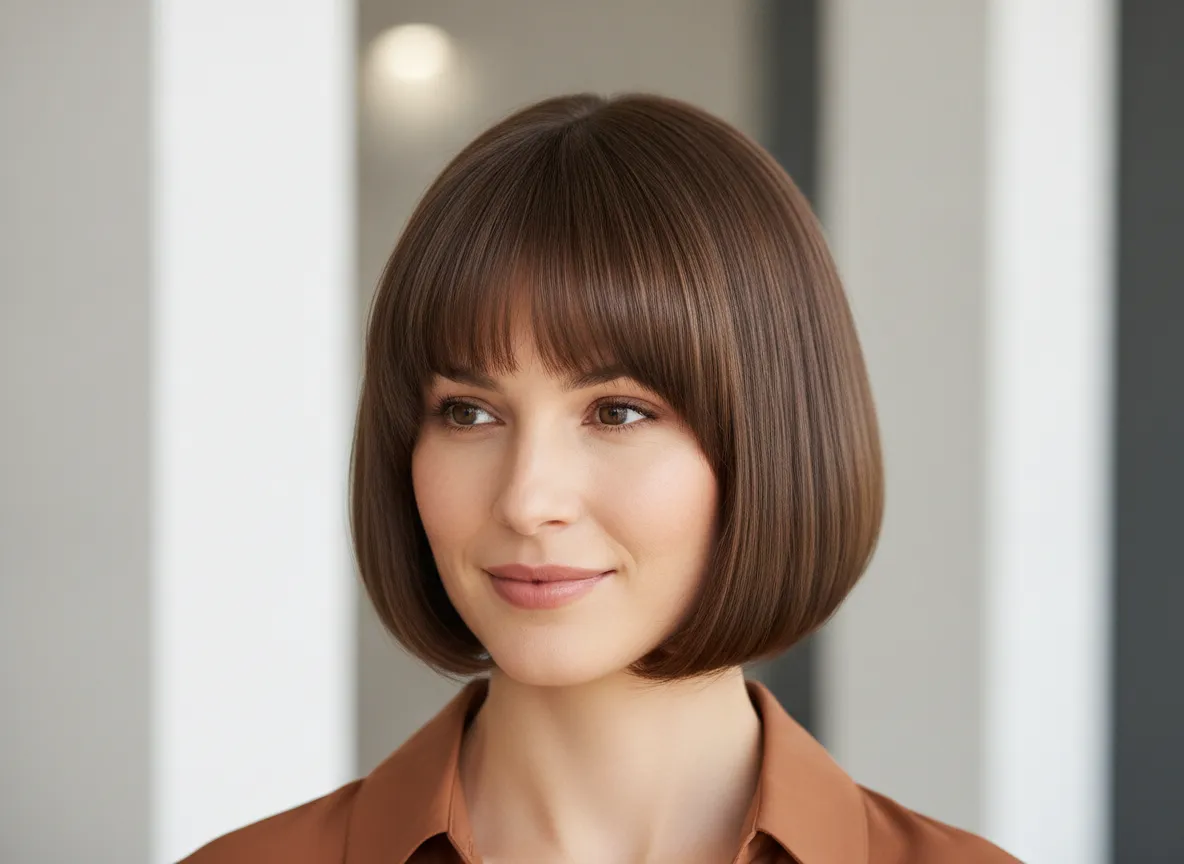
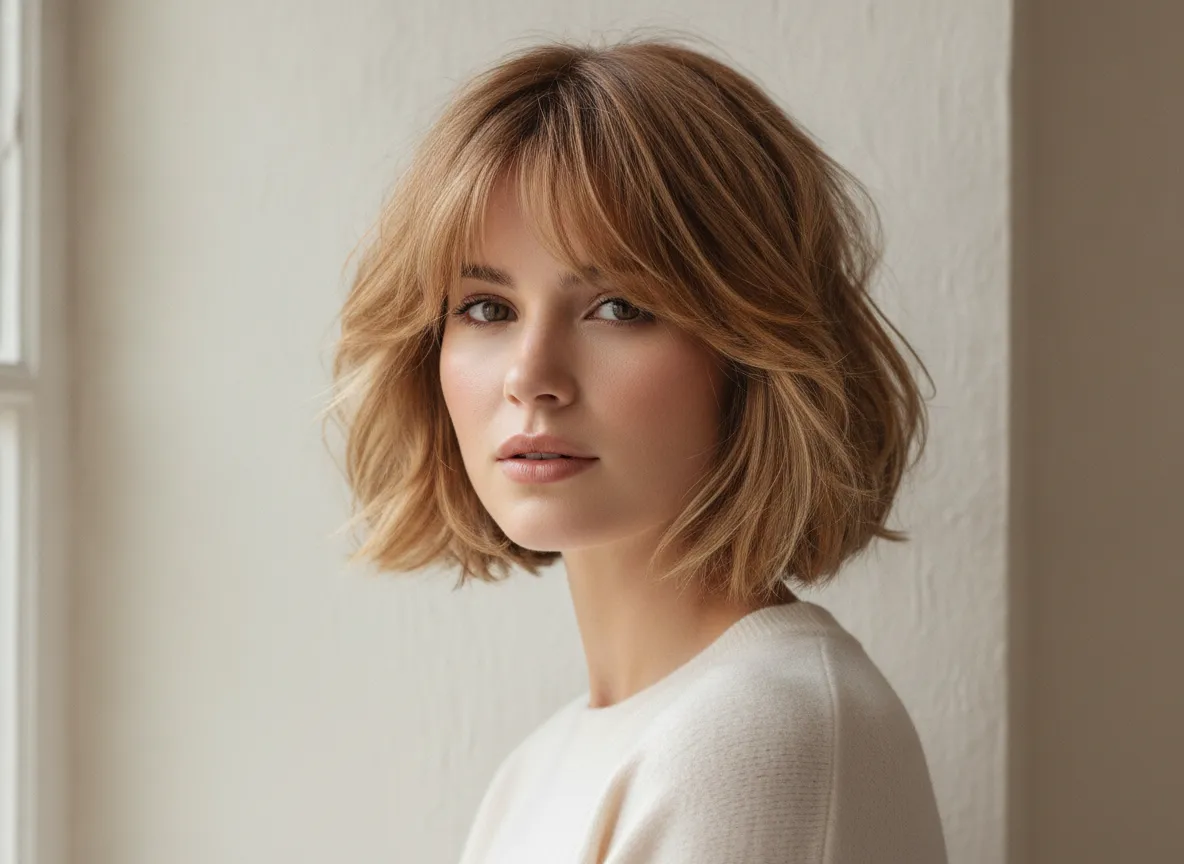
A bob gives curtain bangs a sharper, more graphic outline. Keep the bob at the jaw or just below it, then add a light curtain bang that moves away from the face. The contrast between the clean cut and soft fringe feels modern.
This style works well for fine or medium hair because the shorter length can create body. Avoid over-thinning the ends. A full edge gives the bob shape, while a few airy strands keep the fringe from looking heavy.
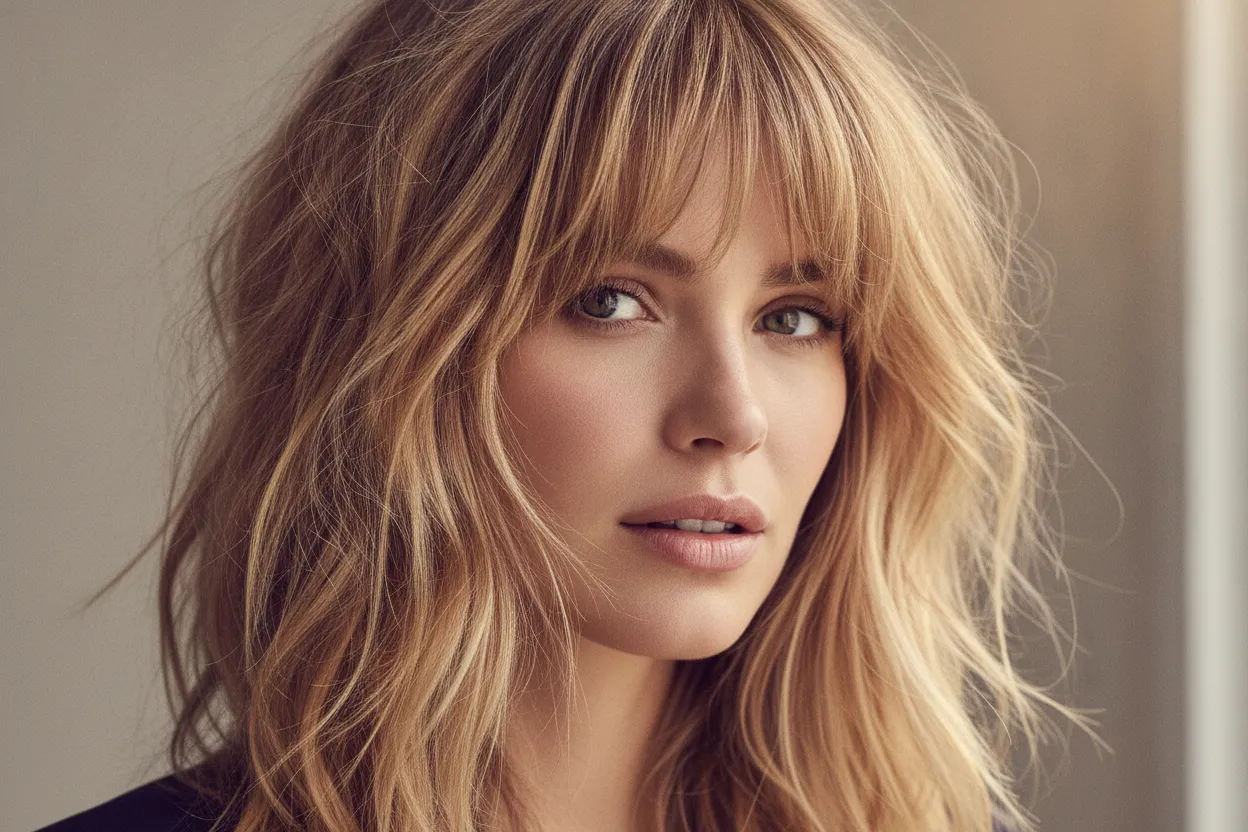
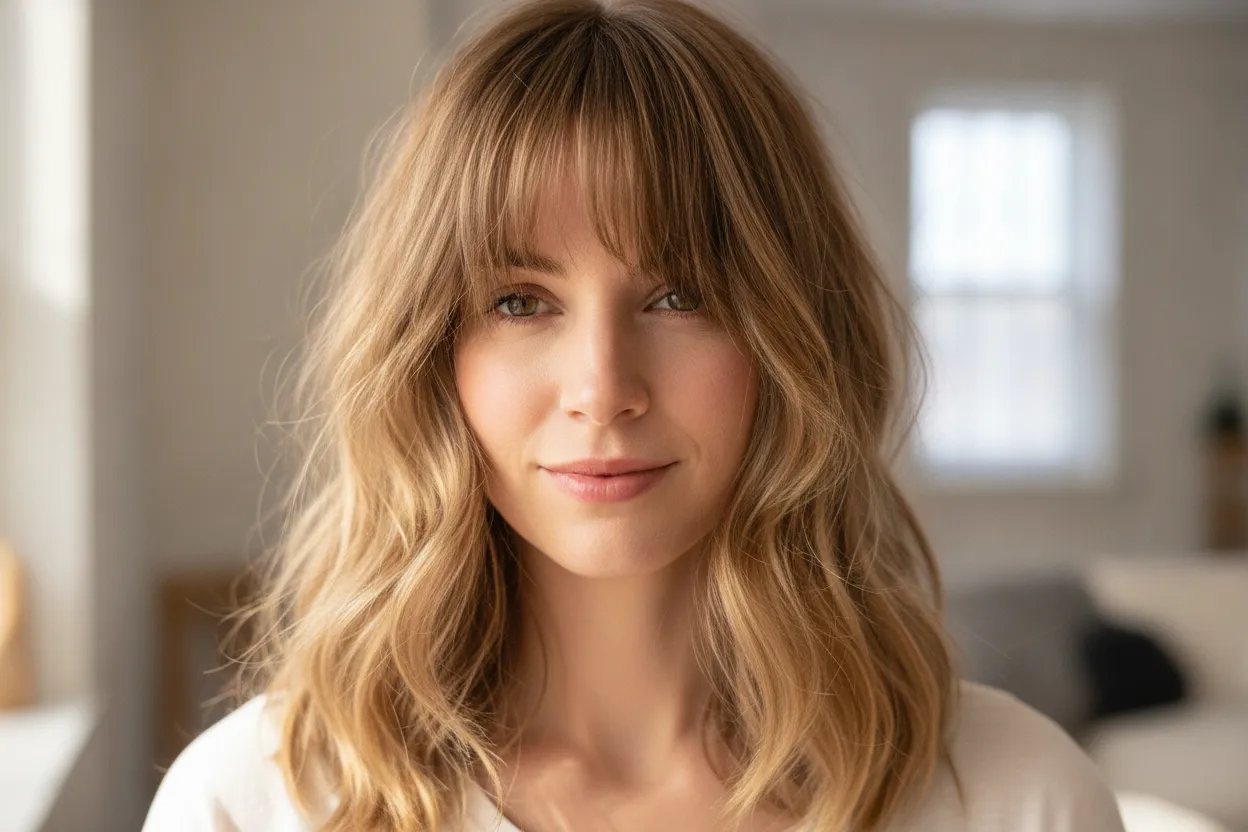
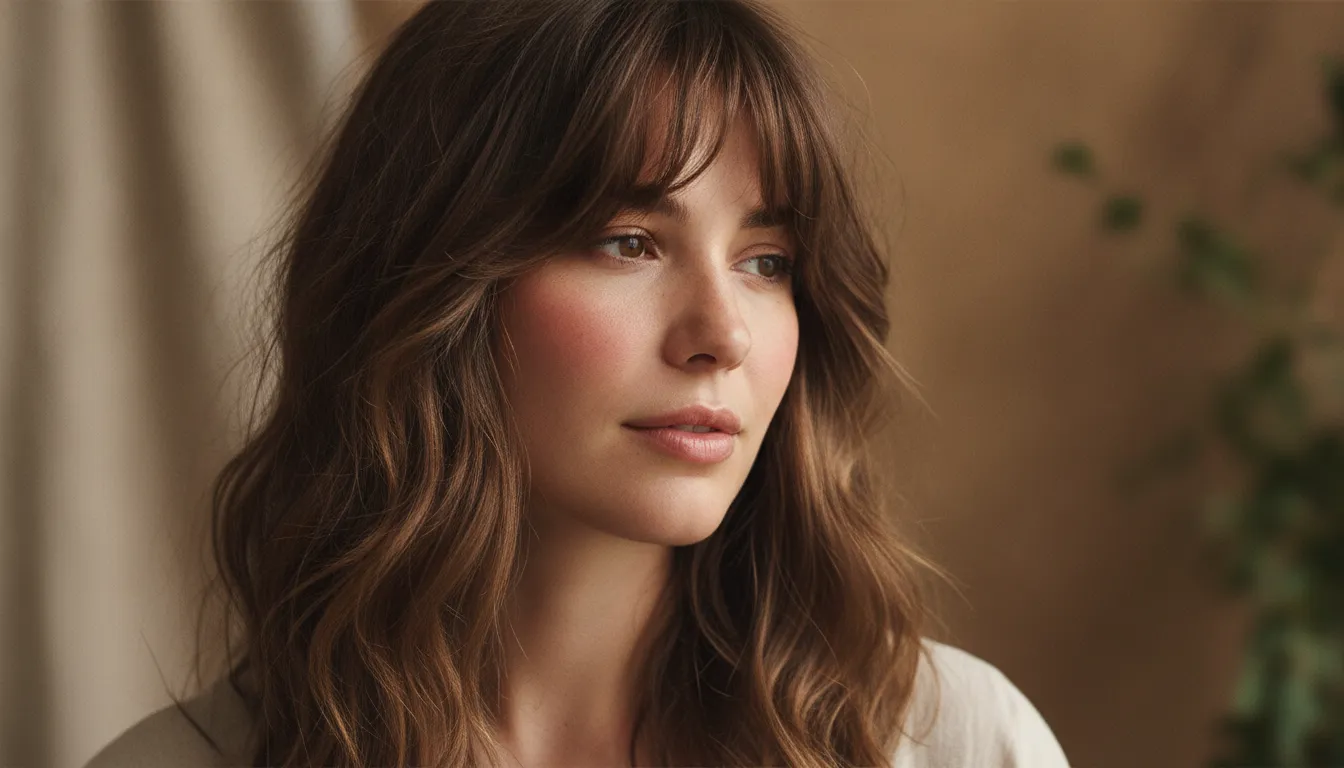
3. Curtain bangs with a shag
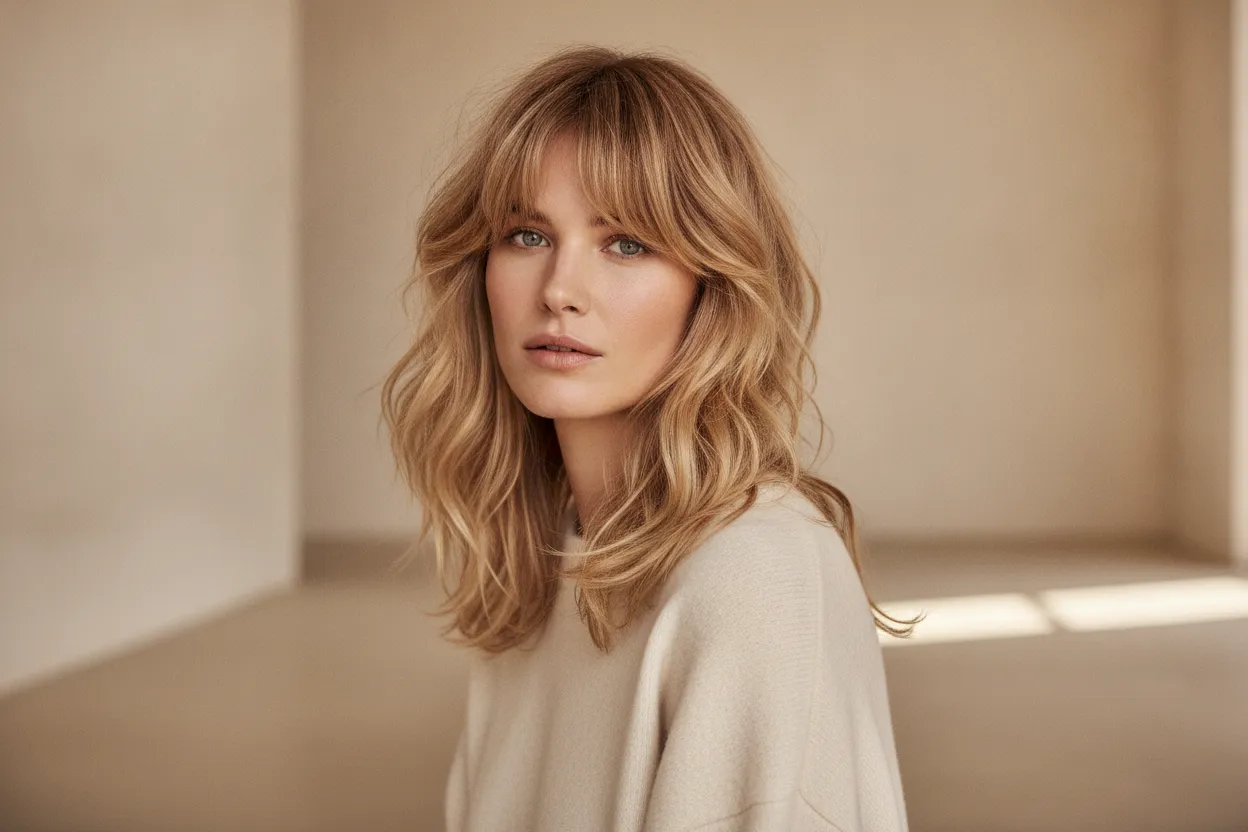
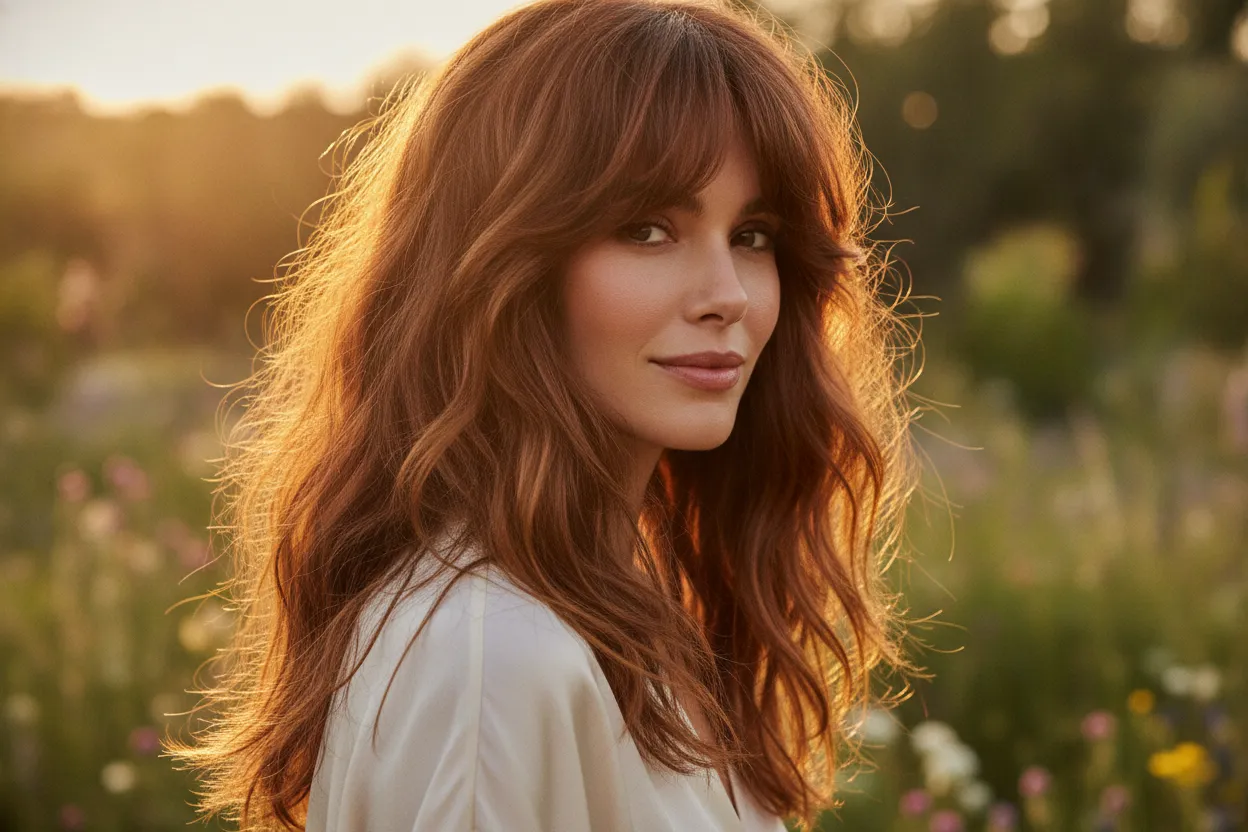
A shag brings movement through the crown, sides, and ends. Pairing it with curtain bangs creates a casual, textured look. The fringe may be shorter at the center and longer at the temples, so it opens the face while keeping the haircut lively.
Use this cut if you like air-dried texture. A small amount of mousse or salt spray can bring out waves. The style should not look overly perfect. Uneven movement is part of its charm.
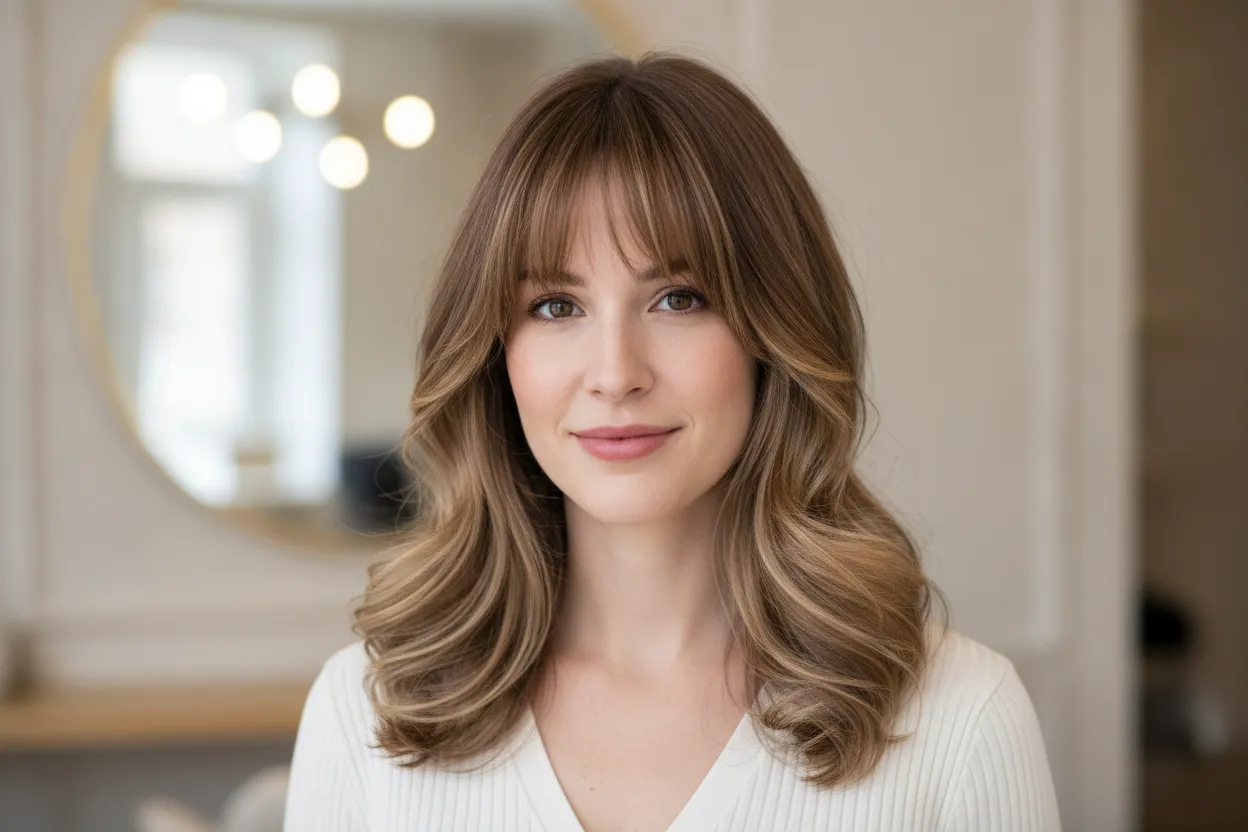
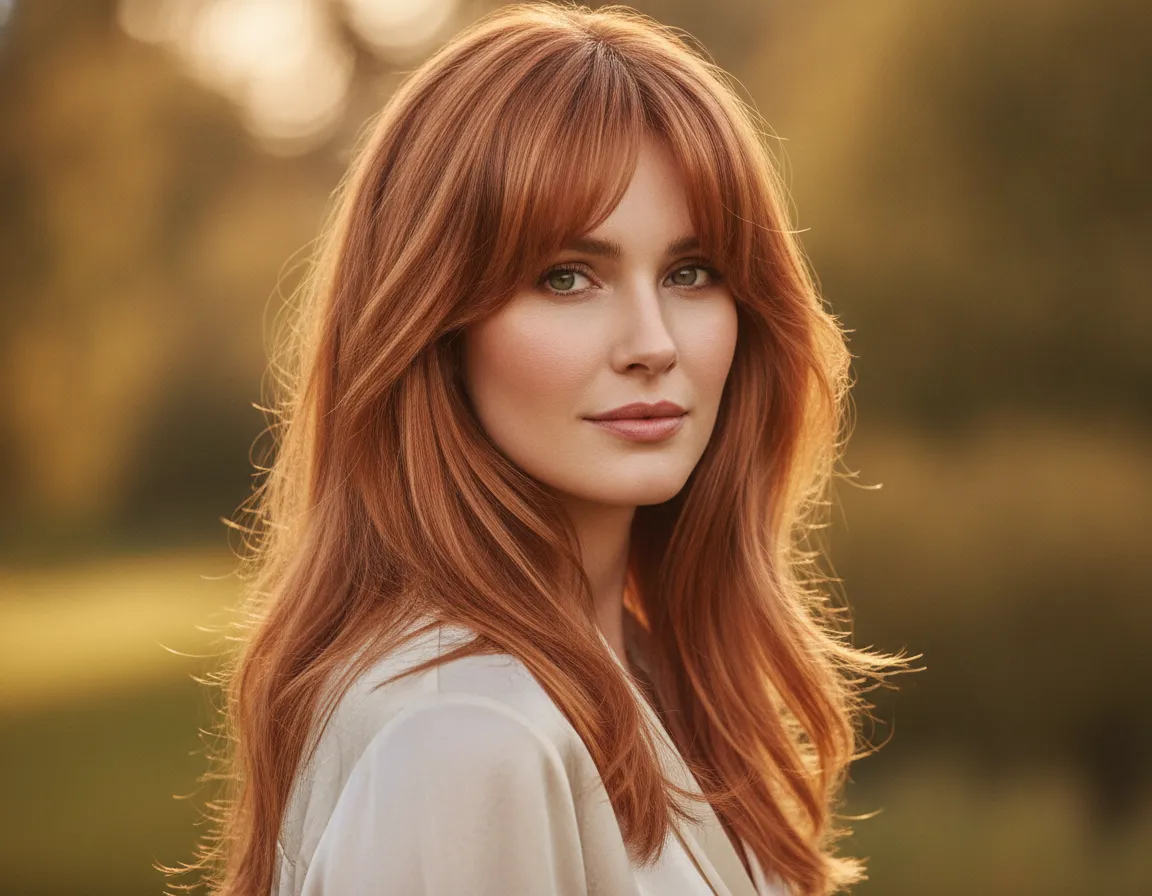
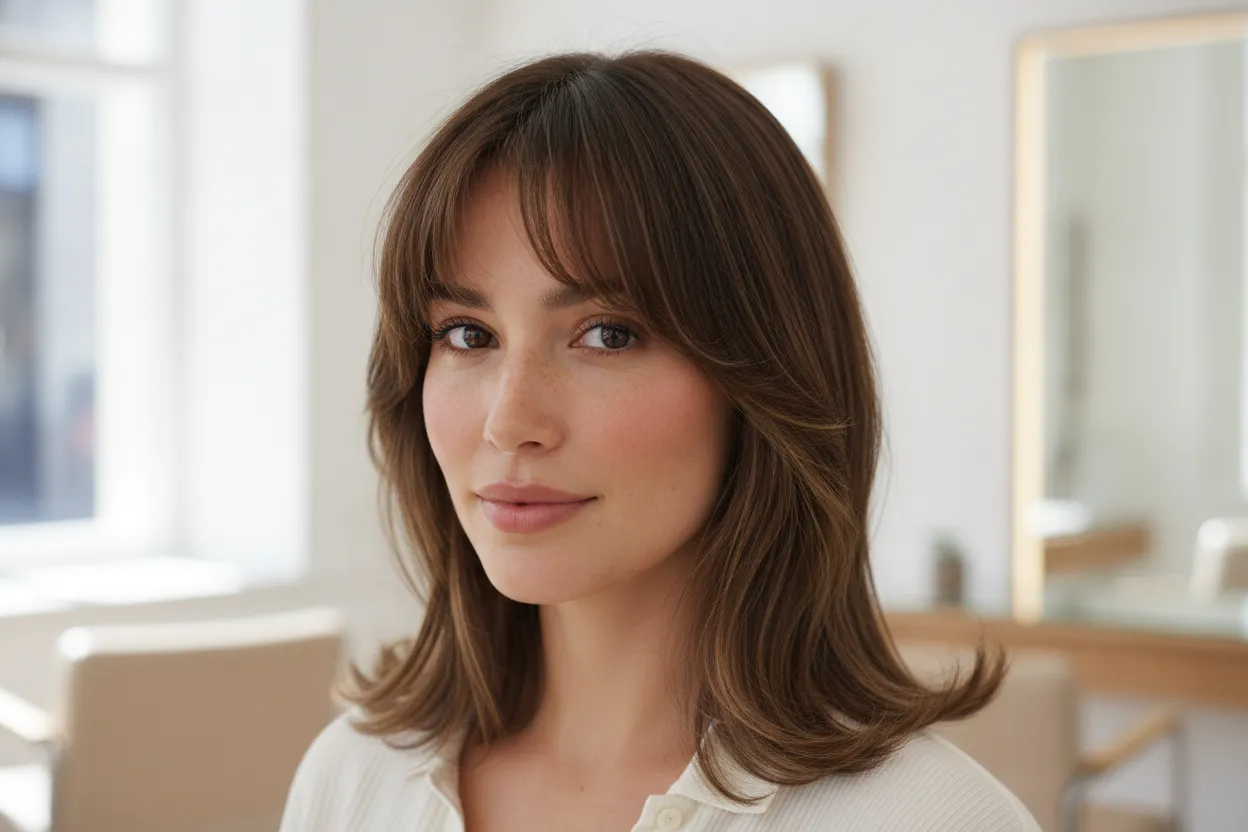
4. Feathered mid-length layers
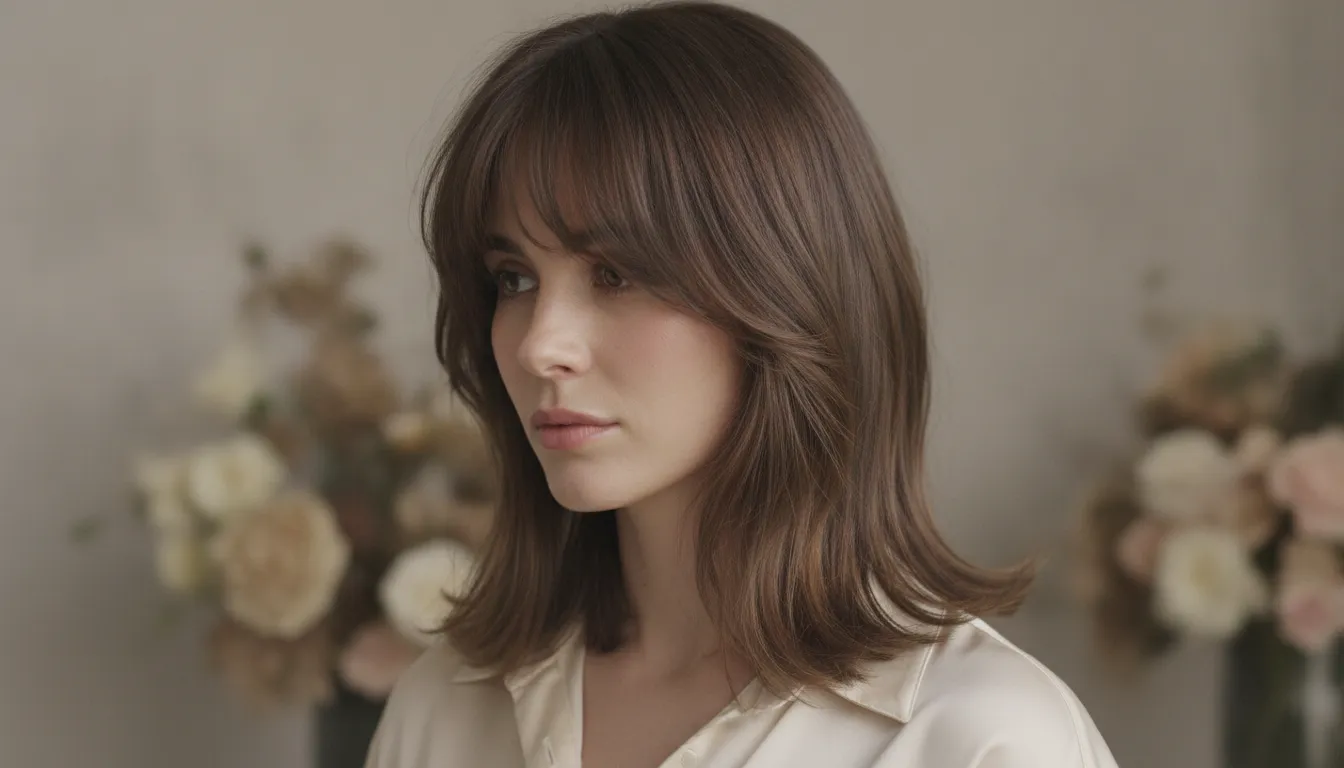
Mid-length hair is a useful middle ground. It has enough length for a ponytail, yet it still shows off layers. Feathered curtain bangs turn outward at the cheek and connect to the ends.
Ask for light graduation rather than a single heavy layer. This helps the hair move away face without losing density. The result is polished when blow-dried and relaxed when left slightly undone.
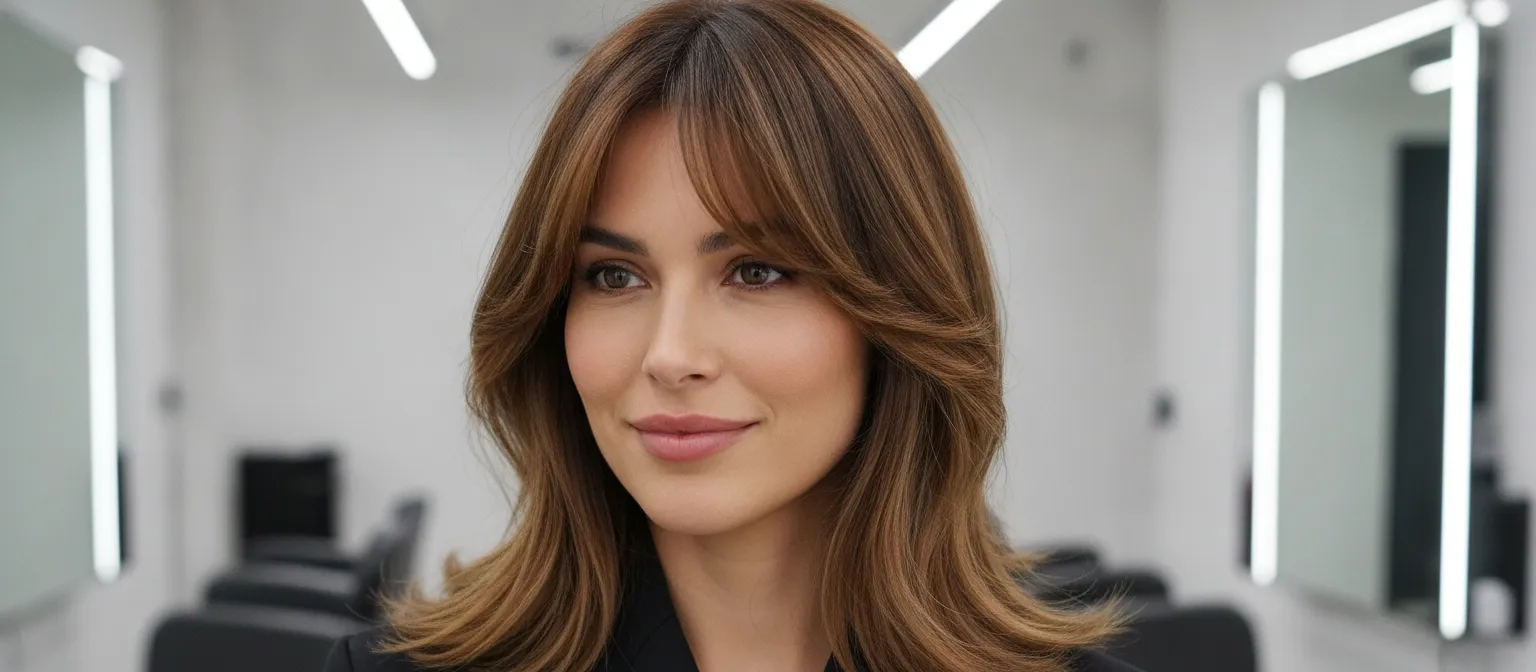
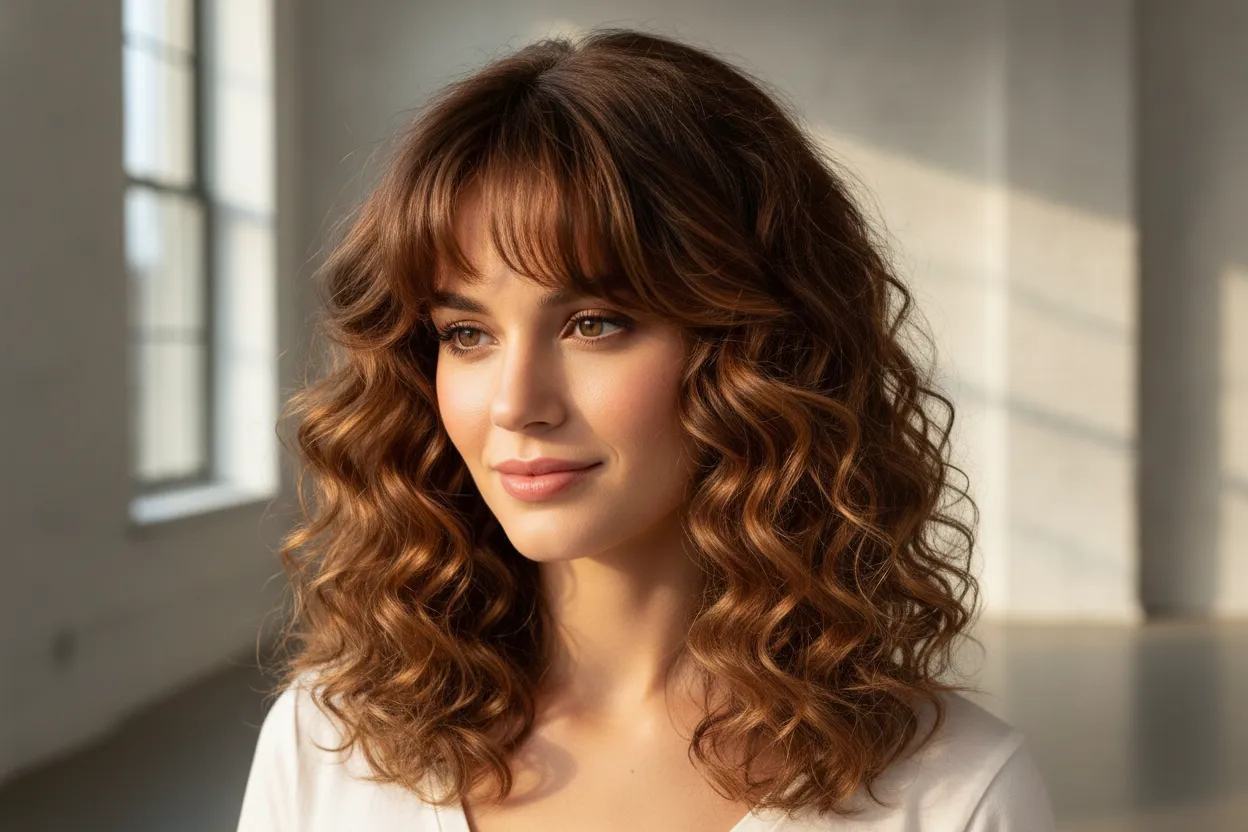
5. Curly curtain bangs
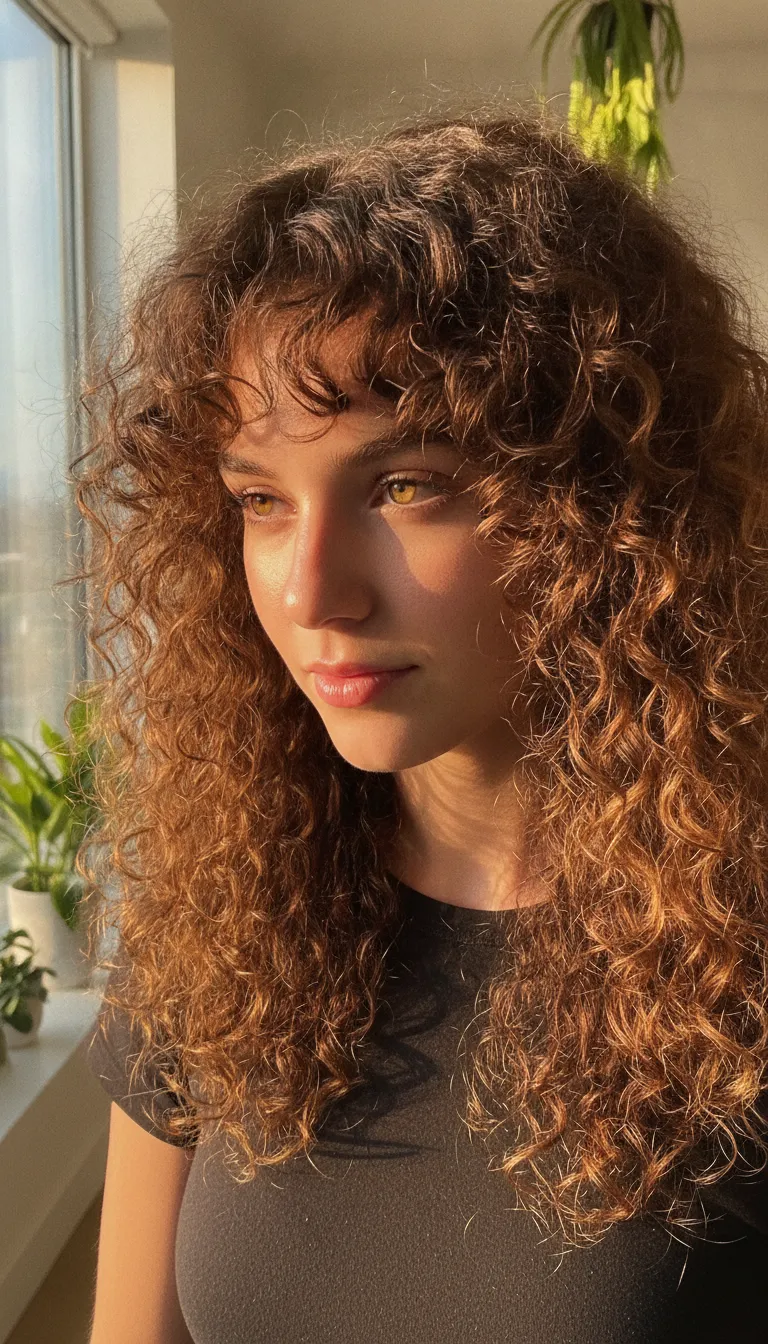
Curls need a different approach because they shrink as they dry. A curly curtain bang should be cut with the natural pattern in mind. It may appear longer when wet and shorter when dry.
Ask for dry shaping if your stylist is comfortable with it. Keep the center light, but do not remove too much density from the sides. A curl cream and gentle diffuser can define the shape without making it stiff.
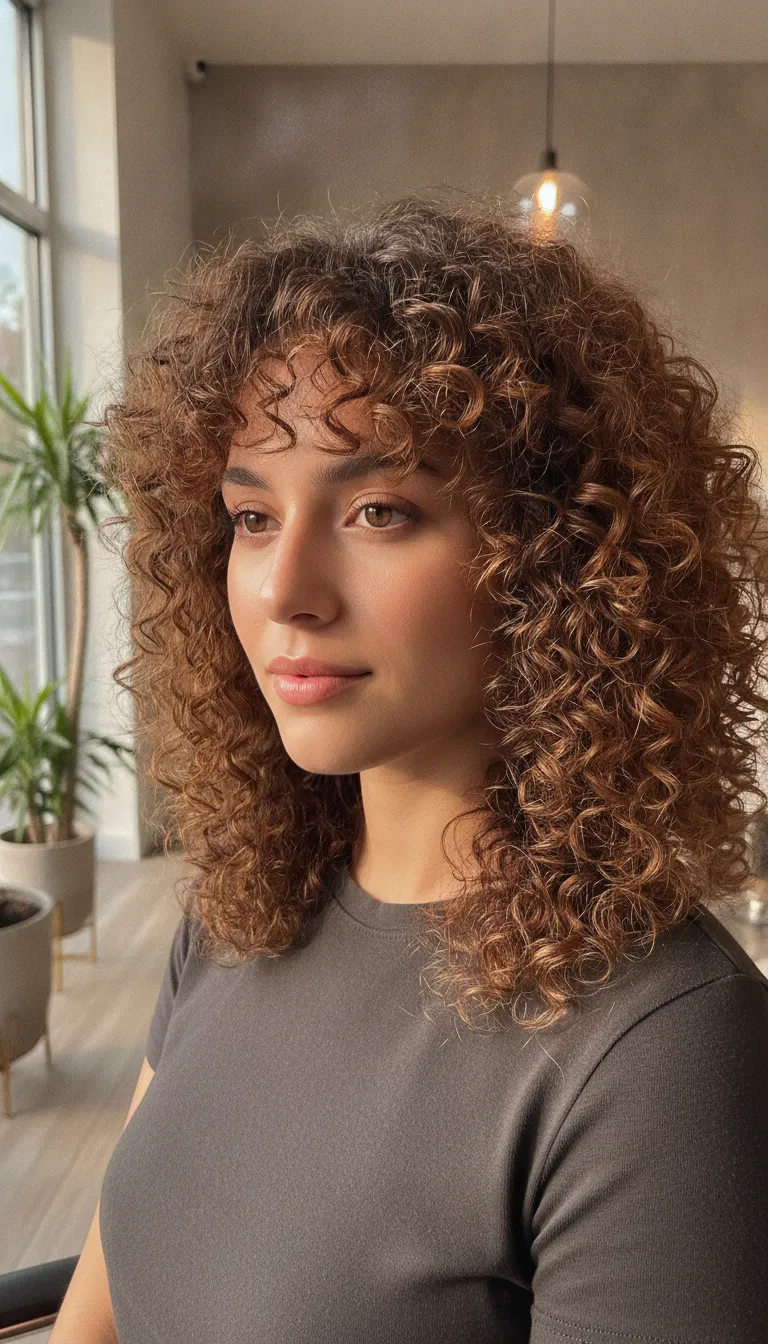
6. Wispy curtain bangs with a sleek blowout
Wispy curtain bangs are light at the ends and easy to sweep aside. They can soften a strong forehead line without creating a dense fringe. This version looks especially refined with a smooth blowout.
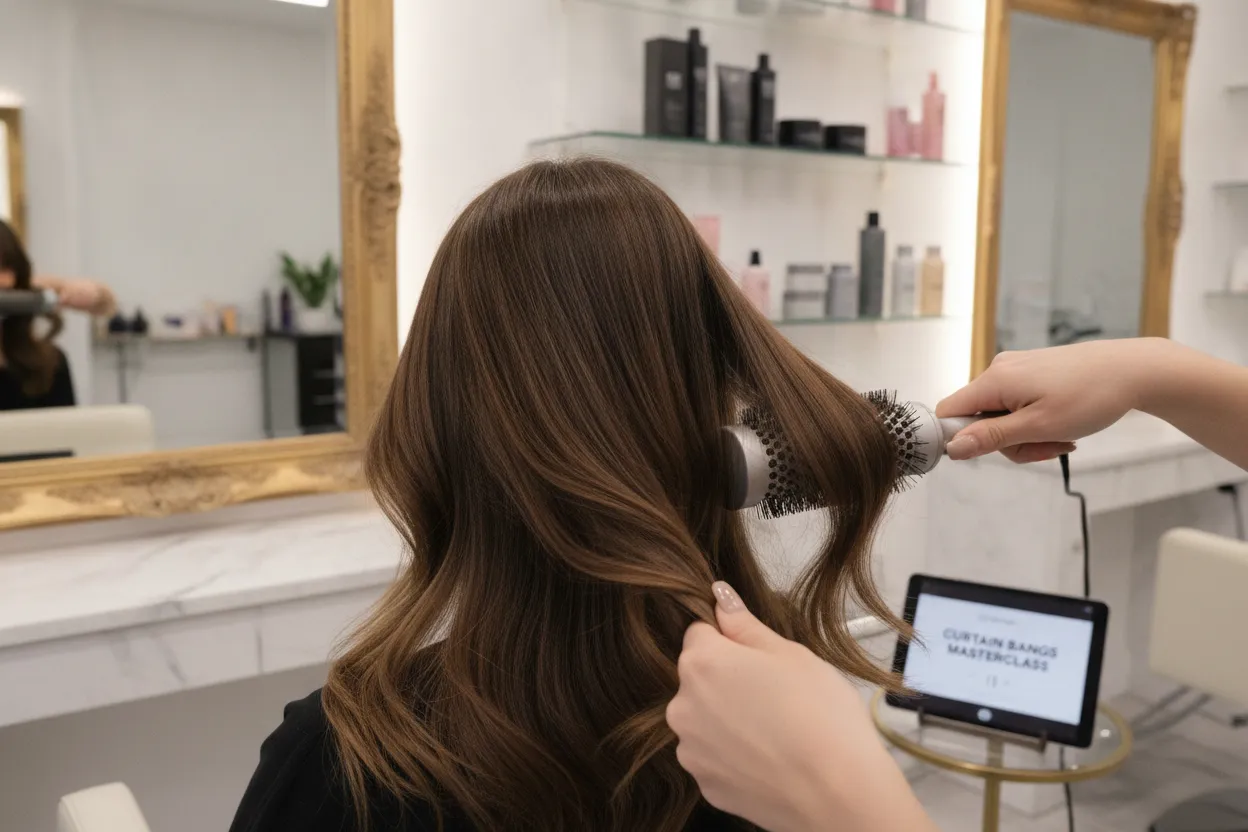
Use a small round brush and direct the hair up and away from the face. The goal is lift, not a large curl. Finish with a flexible spray so the strands stay touchable.
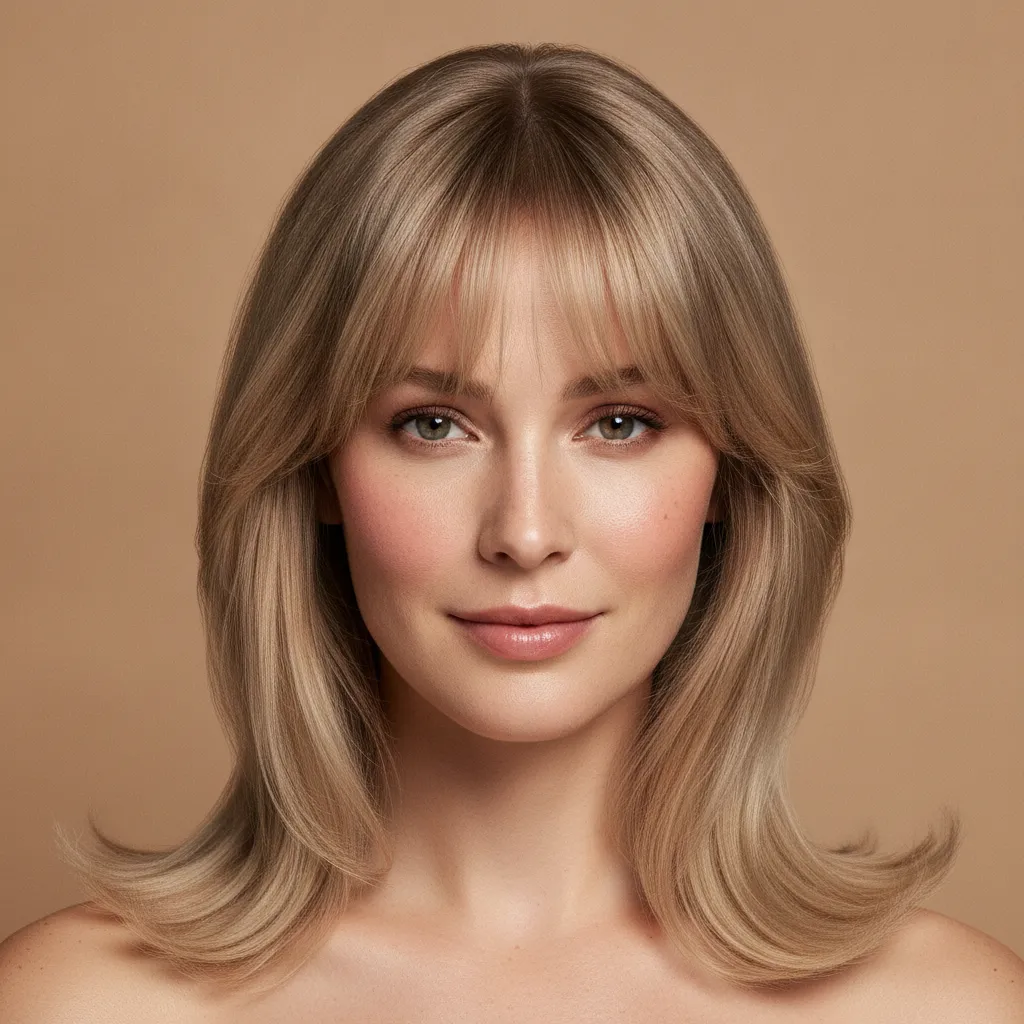
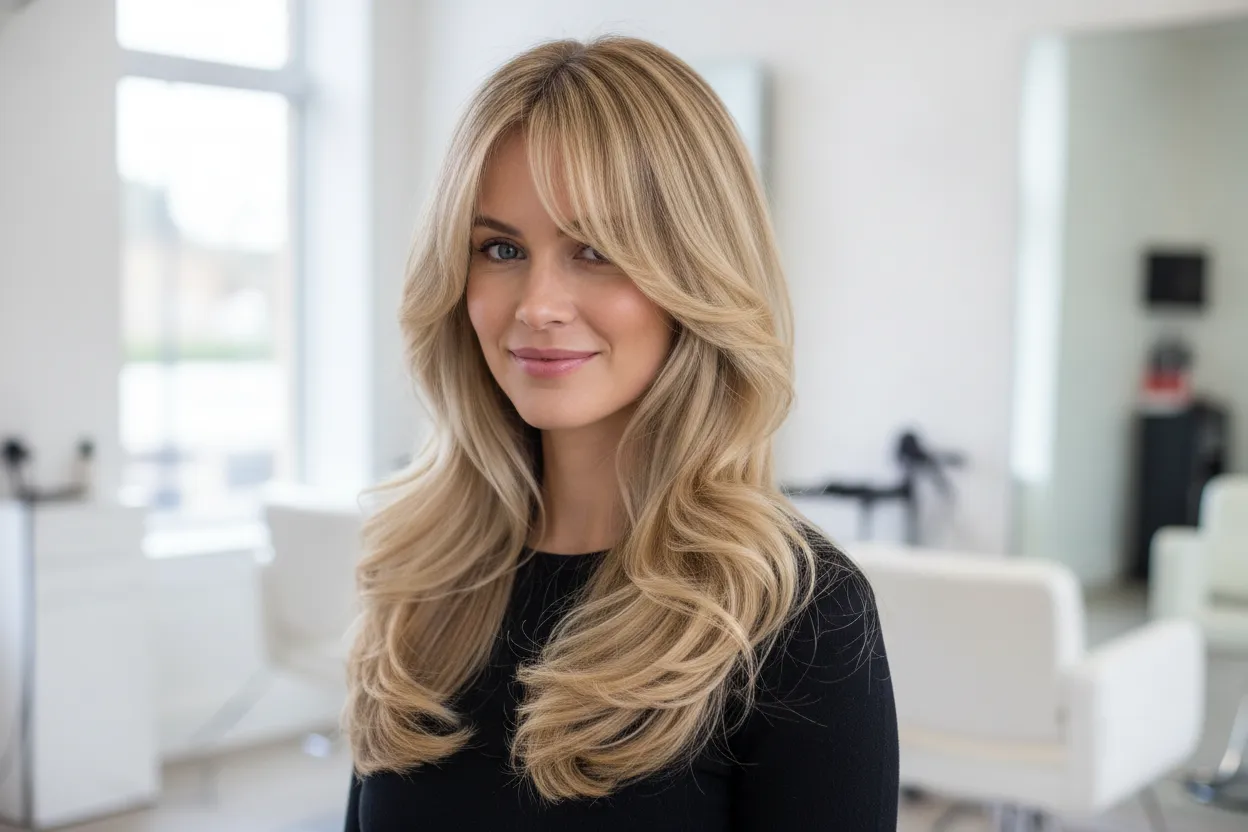
7. Curtain bangs with a modern butterfly cut
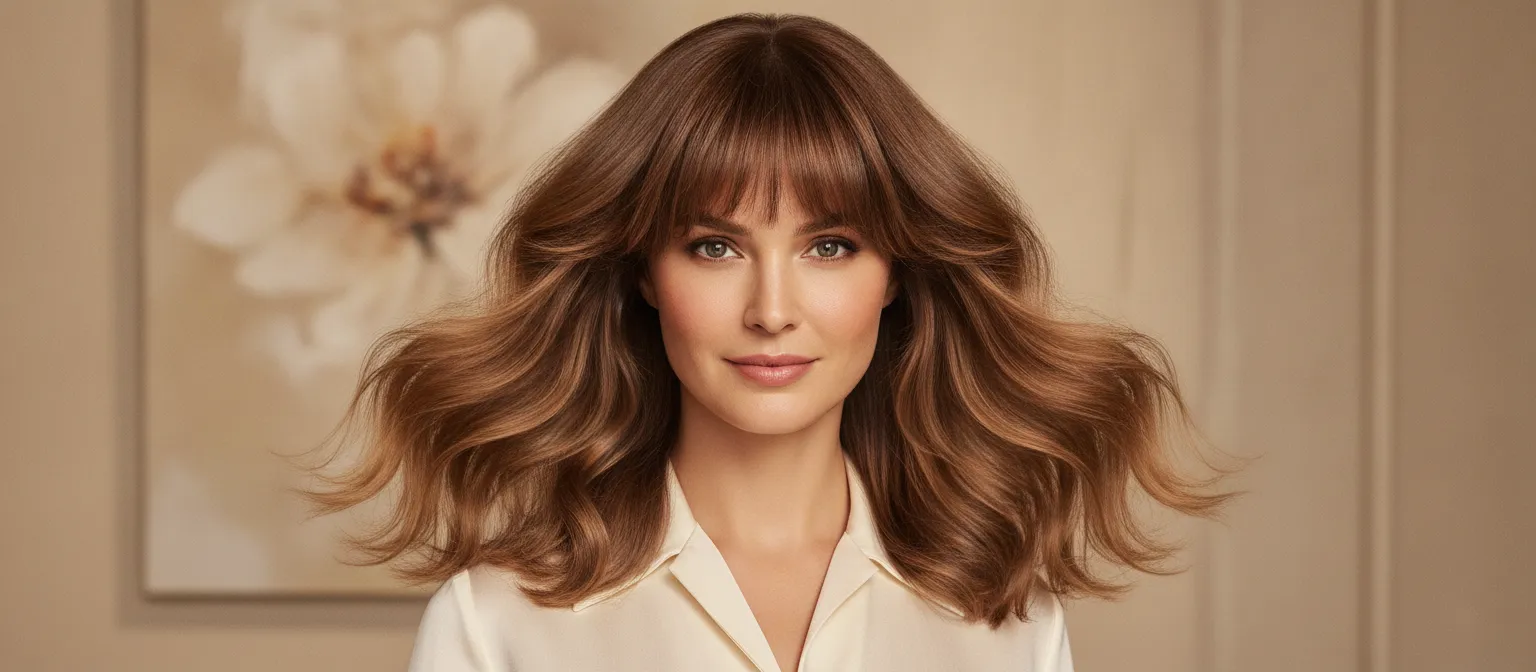
The butterfly cut uses shorter layers around the face and longer layers through the back. Curtain bangs fit naturally into this shape because they continue the lifted, sweeping effect.
This is a strong choice for people who want volume without losing length. The cut needs regular styling to show its full shape, but the layers can also be pinned back or worn in a loose ponytail.
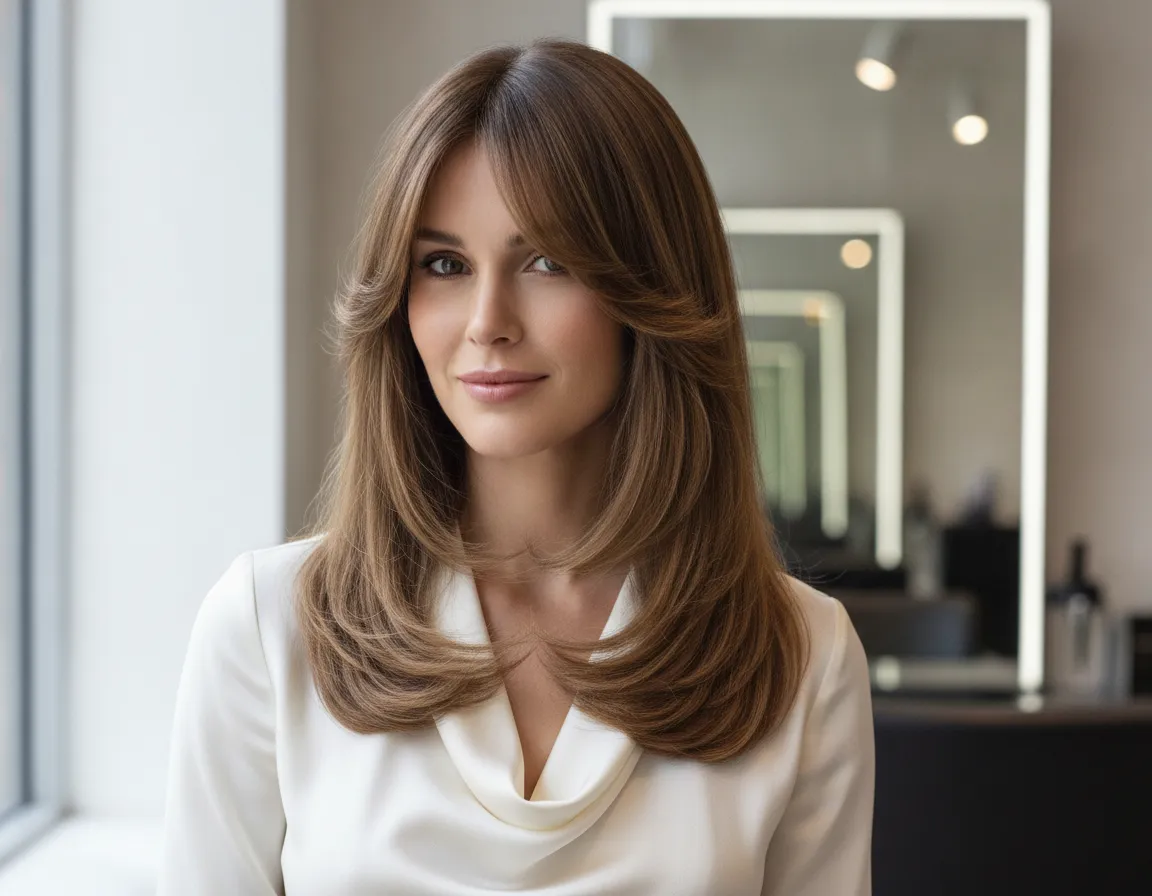
Choose the fringe for your face shape and hair texture
A good curtain bang does not hide the face. It guides the eye toward the features you like most. The best length depends on the shape of your forehead, cheekbones, jaw, and natural hair movement.
Round and soft face shapes
Longer pieces that begin below the cheekbone can create a more vertical line. Avoid a very short, rounded center if you want the face to look longer. A parted middle and lifted roots can add height.
Square and angular face shapes
Soft, feathered ends can balance a defined jaw. Keep the outer edges light and avoid a blunt line that finishes exactly at the widest part of the face. Side movement helps the haircut feel less rigid.
Oval and heart-shaped faces
Many lengths work well with an oval face. A heart-shaped face often looks balanced with a bang that is slightly longer at the sides. Keep the center airy so the forehead does not look visually crowded.
Fine, thick, straight, and wavy hair
Fine hair benefits from a clean cut and limited thinning. Too many short layers may reduce fullness. Thick hair may need internal weight removal, but the outer shape should remain strong.
Wavy hair can look beautiful with a loose, natural finish. Let the hair dry before deciding whether the length is right. A small amount of styling cream can control flyaways while preserving texture.
| Hair type or concern | Helpful cut detail | Best daily finish | Maintenance level |
|---|---|---|---|
| Fine, straight hair | Full ends and light layers | Root lift with a round brush | Low to medium |
| Thick hair | Controlled internal layers | Smooth blowout or loose wave | Medium |
| Wavy hair | Longer shrinkage-aware fringe | Air-dried curl cream | Low |
| Round face | Long outer pieces below the cheek | Lifted roots and a middle part | Medium |
| High forehead | Slightly fuller center | Soft sweep with flexible spray | Medium |
Simple ways to style curtain bangs every morning
Most curtain bangs need only a few minutes of styling. Start with damp, towel-dried hair and use less product than you think. Too much cream or oil can make the fringe separate into heavy strands.
The round brush method
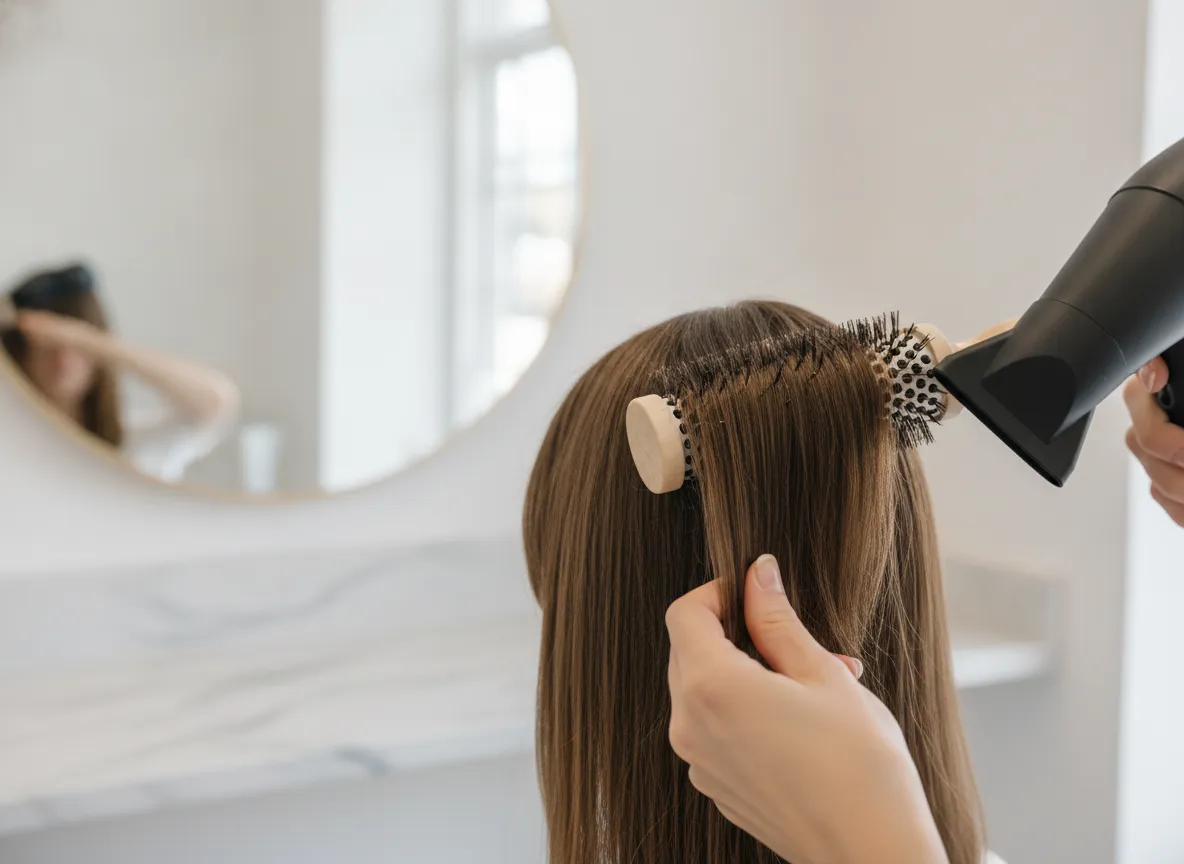
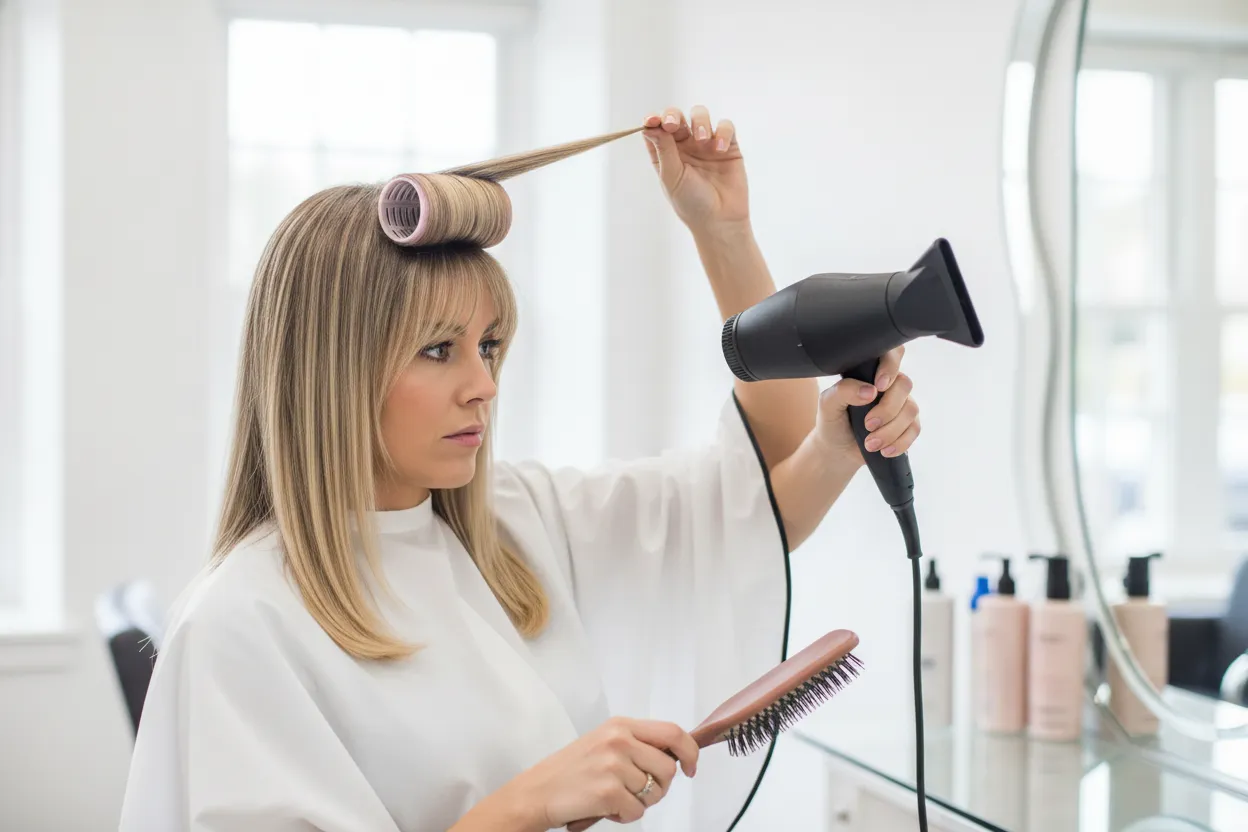
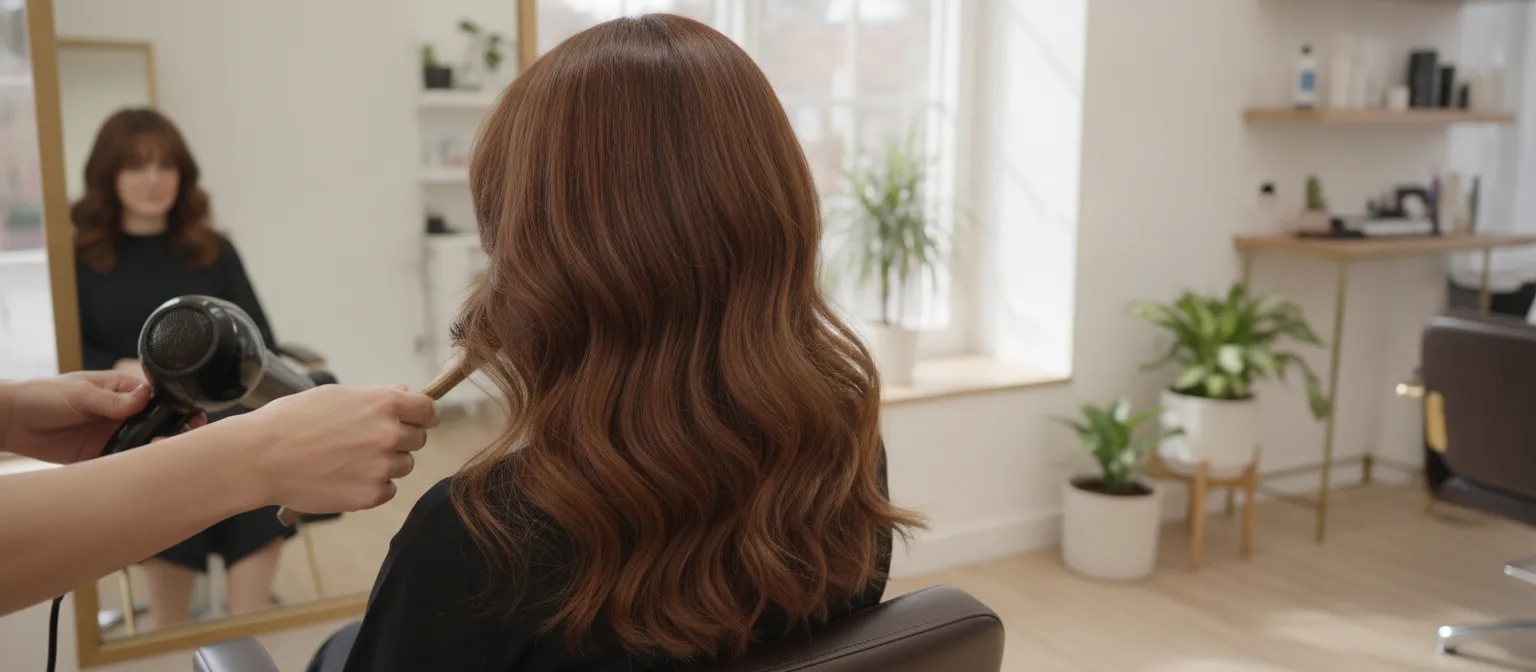
Apply heat protectant first. Place the round brush under one side of the bang and direct the hair up, then away from the face. Hold the dryer above the brush and move slowly from the root to the ends.
Repeat on the other side. Let both sections cool before touching them. This helps the shape hold and creates soft volume at the center.
The flat iron method
Use a flat iron only on dry hair. Curve the tool slightly away from the face instead of pulling the bang straight down. A single pass is often enough.
Do not clamp the roots for too long. Excess heat can flatten volume and make the fringe look stiff. Finish with a light mist of flexible spray.
The no-heat method
After washing, part the bangs in the middle while they are damp. Twist each side away from the face and clip the ends loosely. Remove the clips once the hair is dry, then separate the strands with your fingers.
Large rollers can also create volume without heat. Place one roller on each side, rolling away from the face. Leave them in while you get dressed.
The wavy and curly method
Apply a small amount of curl cream to damp bangs. Scrunch gently, then diffuse on low heat. Avoid brushing the fringe once it is dry, since brushing can create frizz and break the curl pattern.
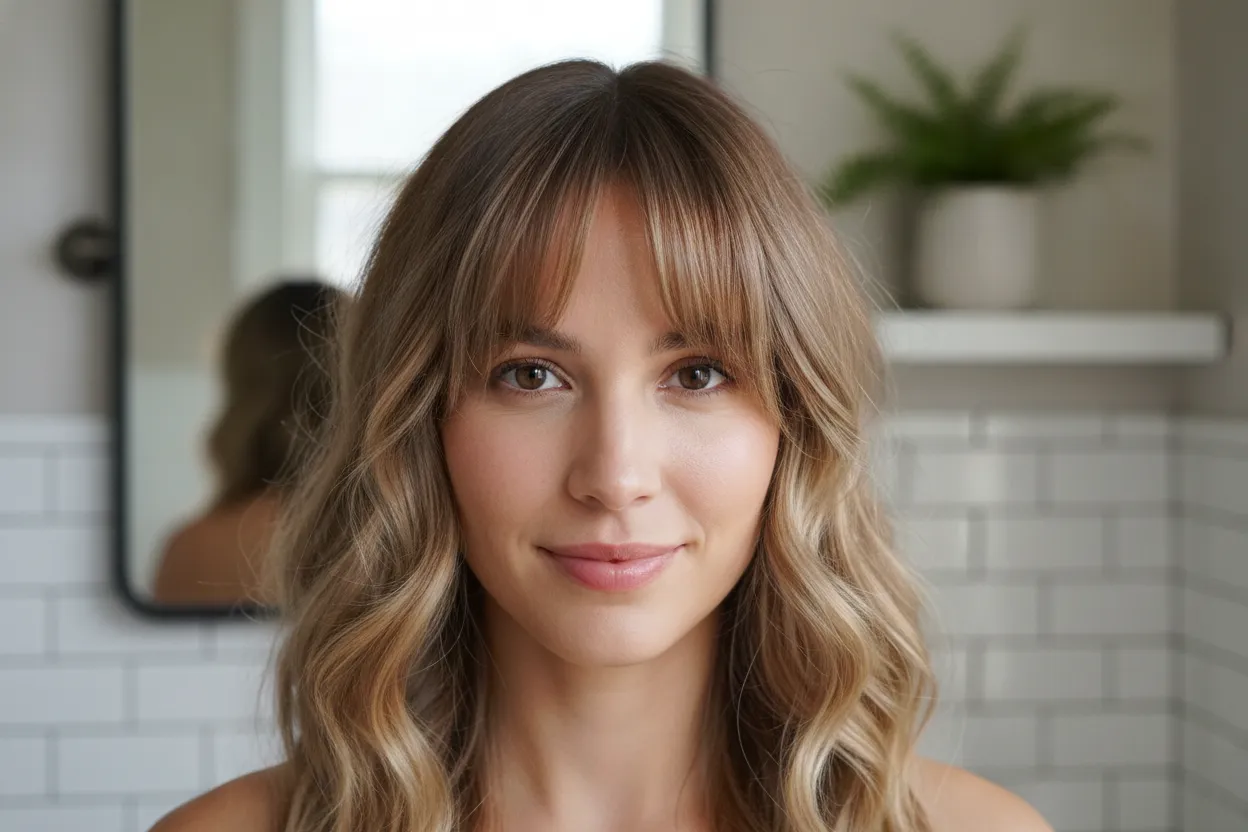
“The most flattering fringe is the one that moves with the wearer, rather than sitting like a fixed frame.” — Salon styling principle
Quick styling rule: Dry the roots first. Once the root direction is set, the rest of the bang is much easier to shape.
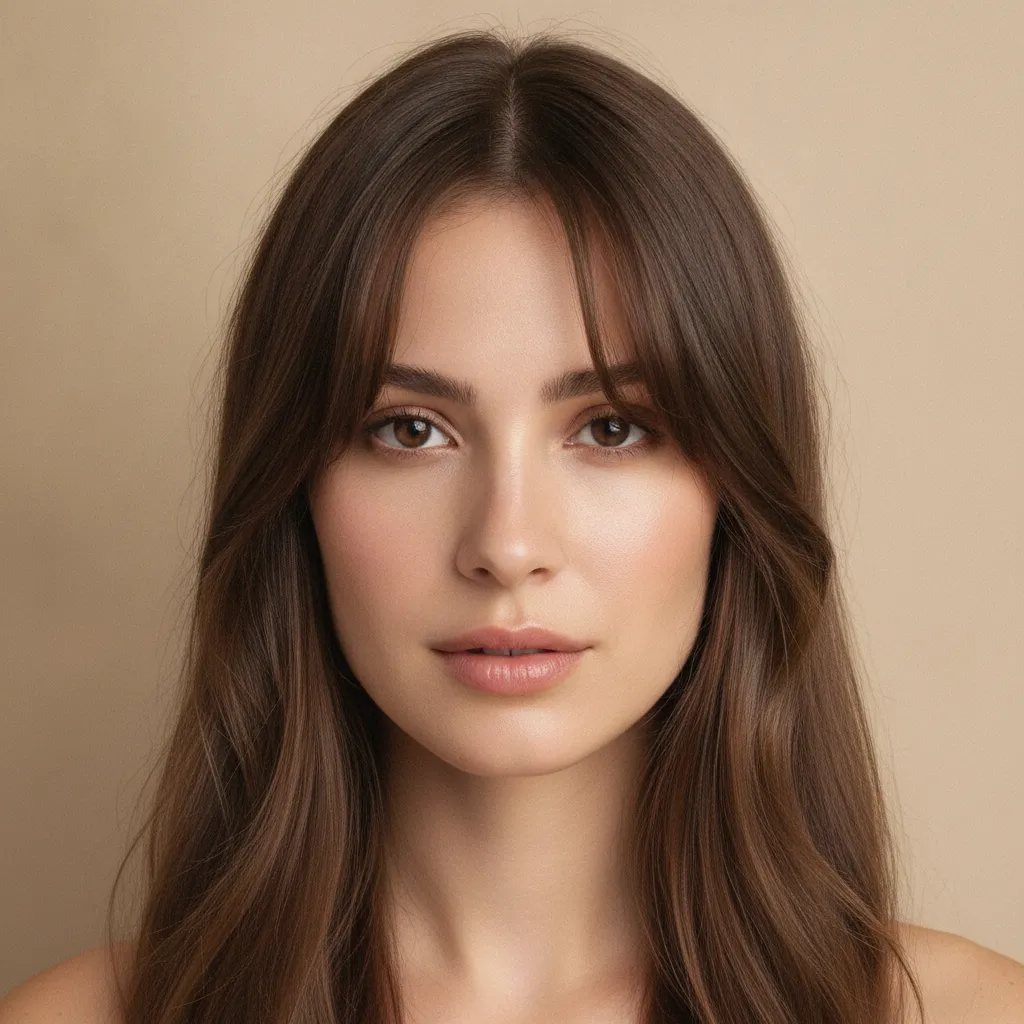
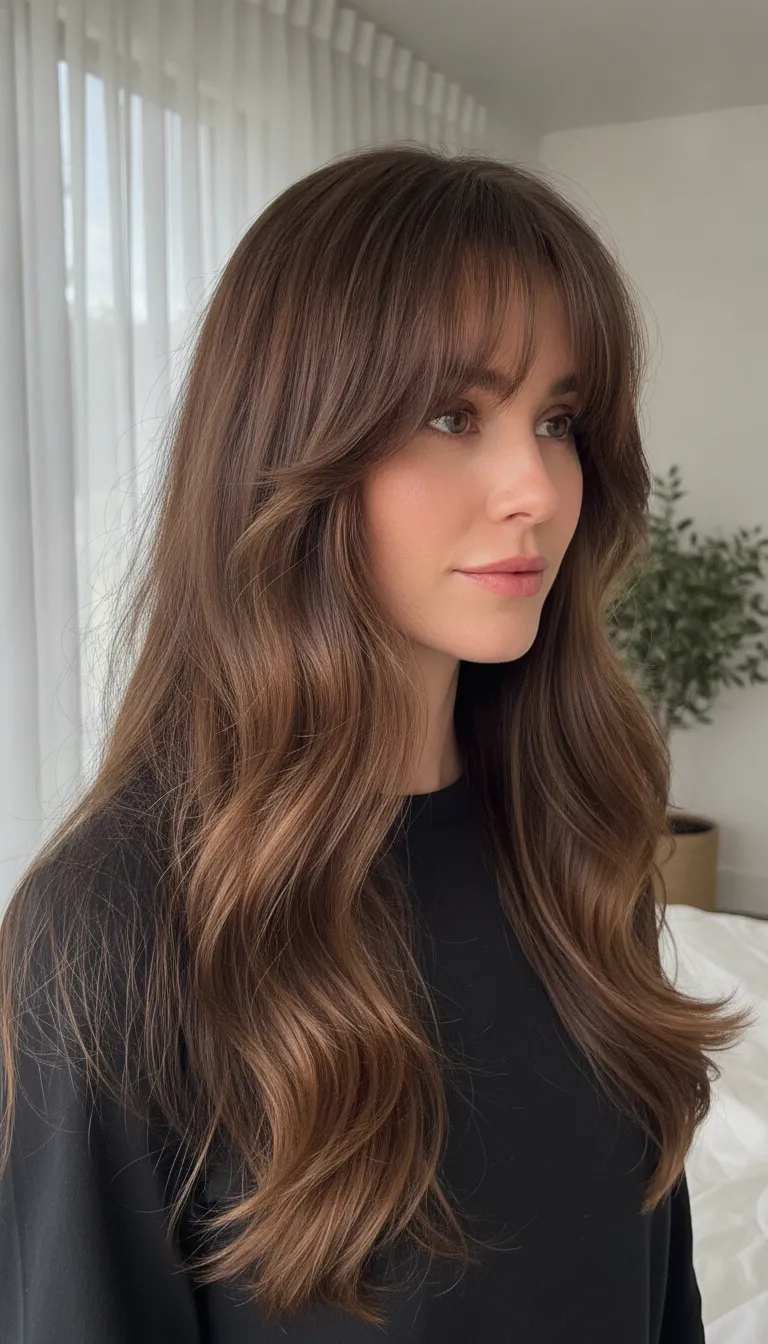
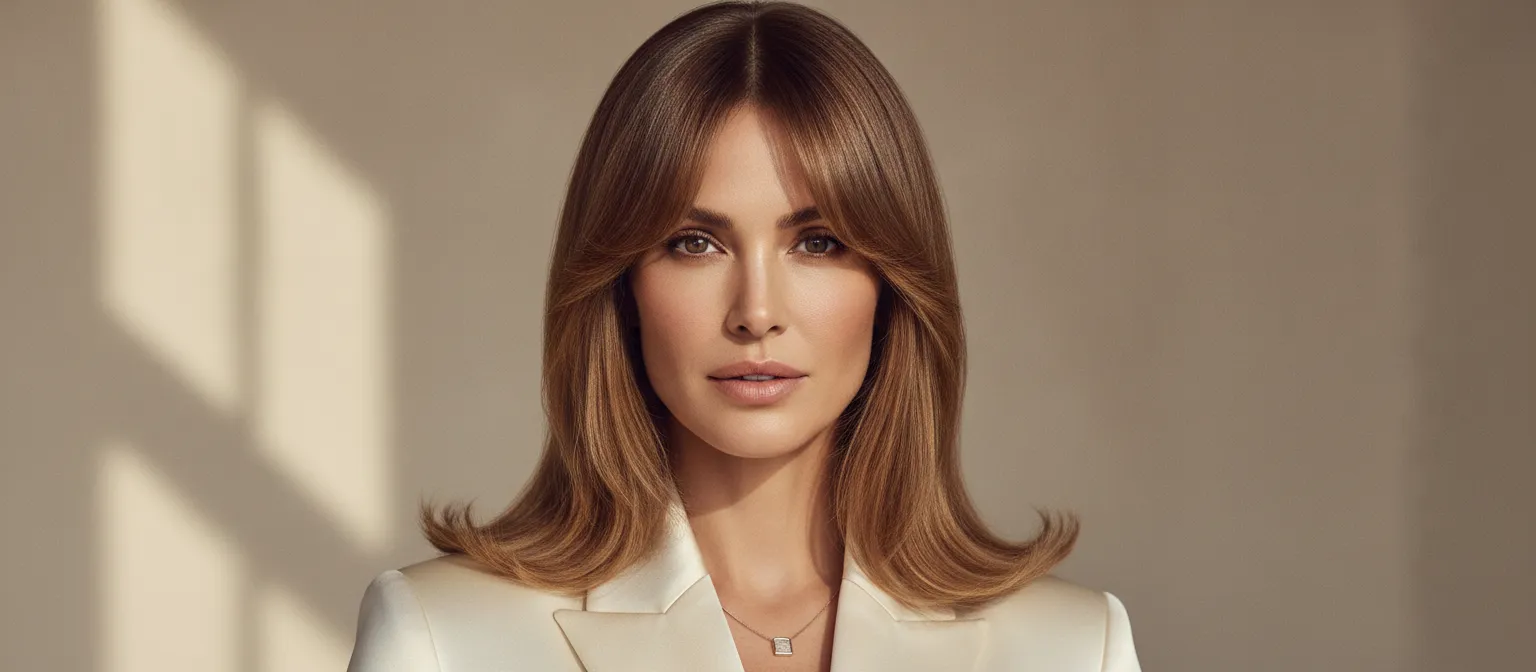
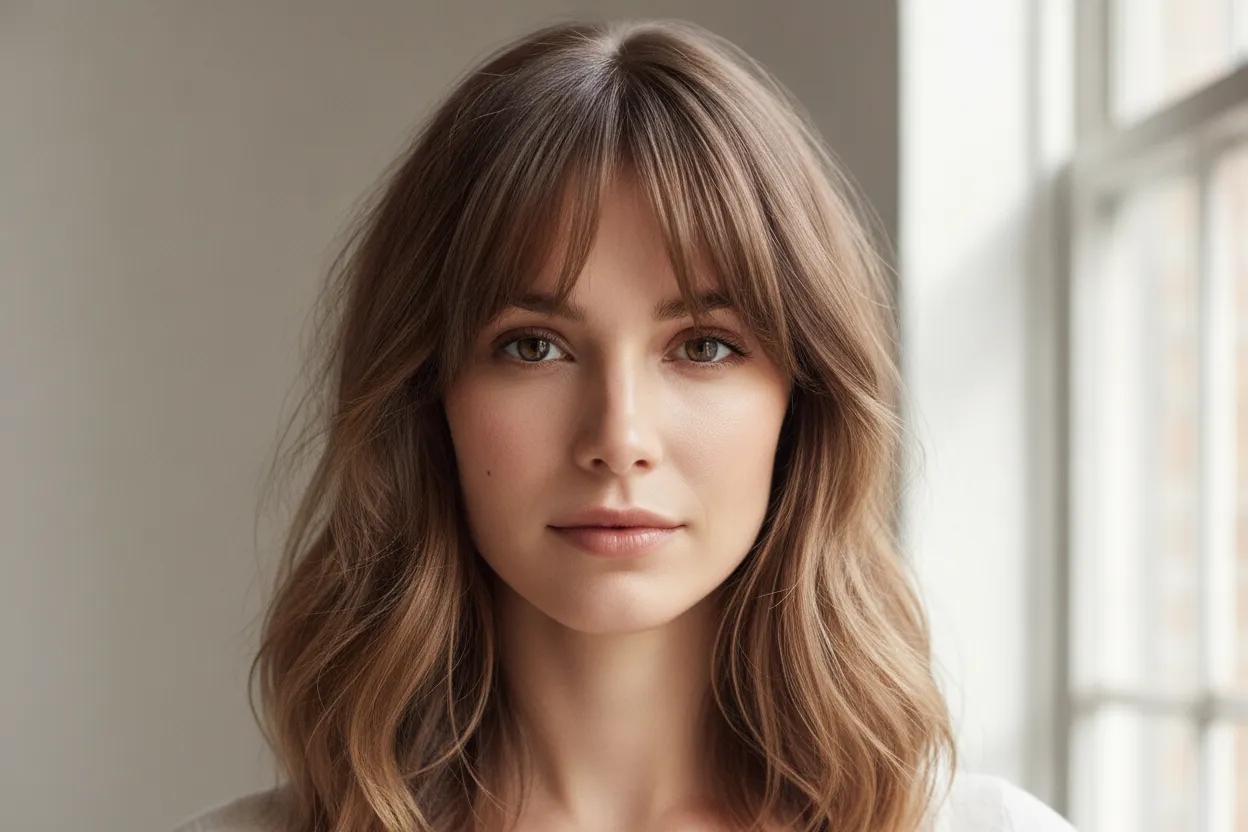
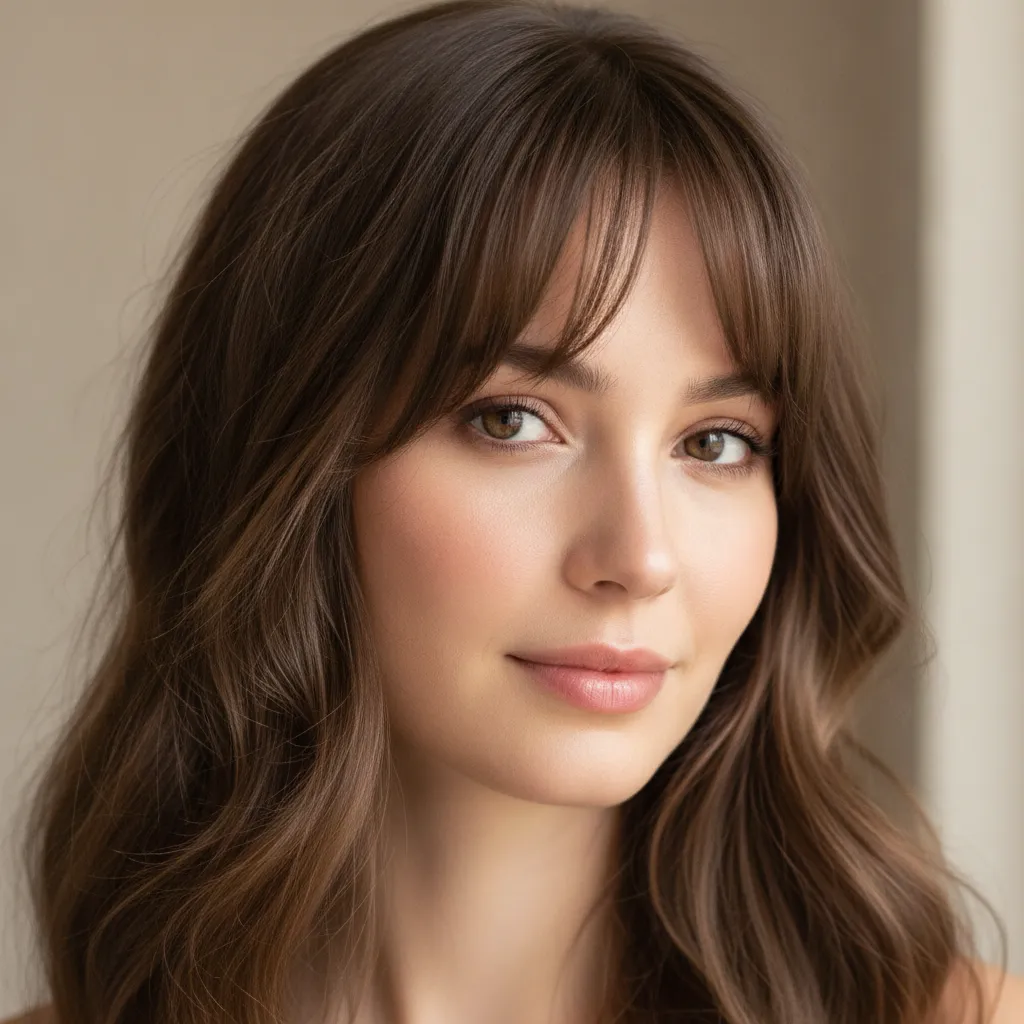
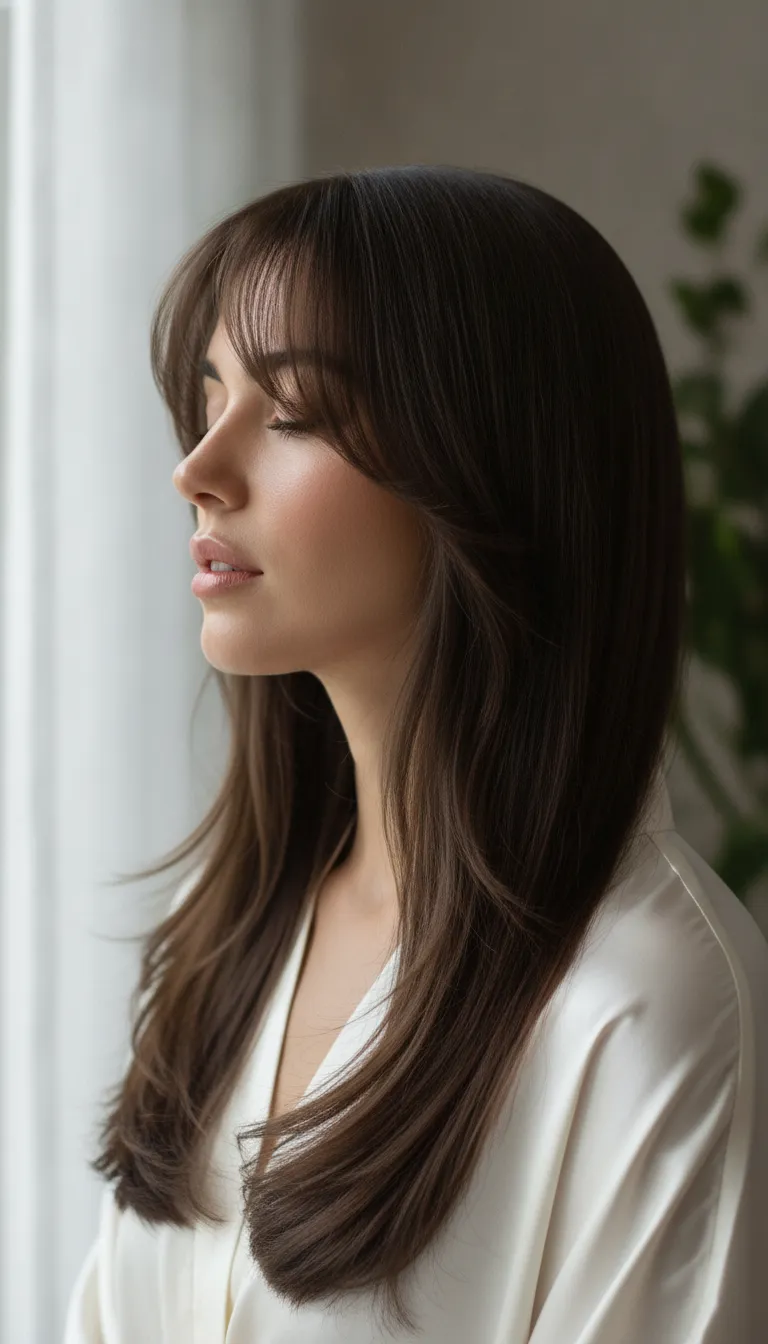
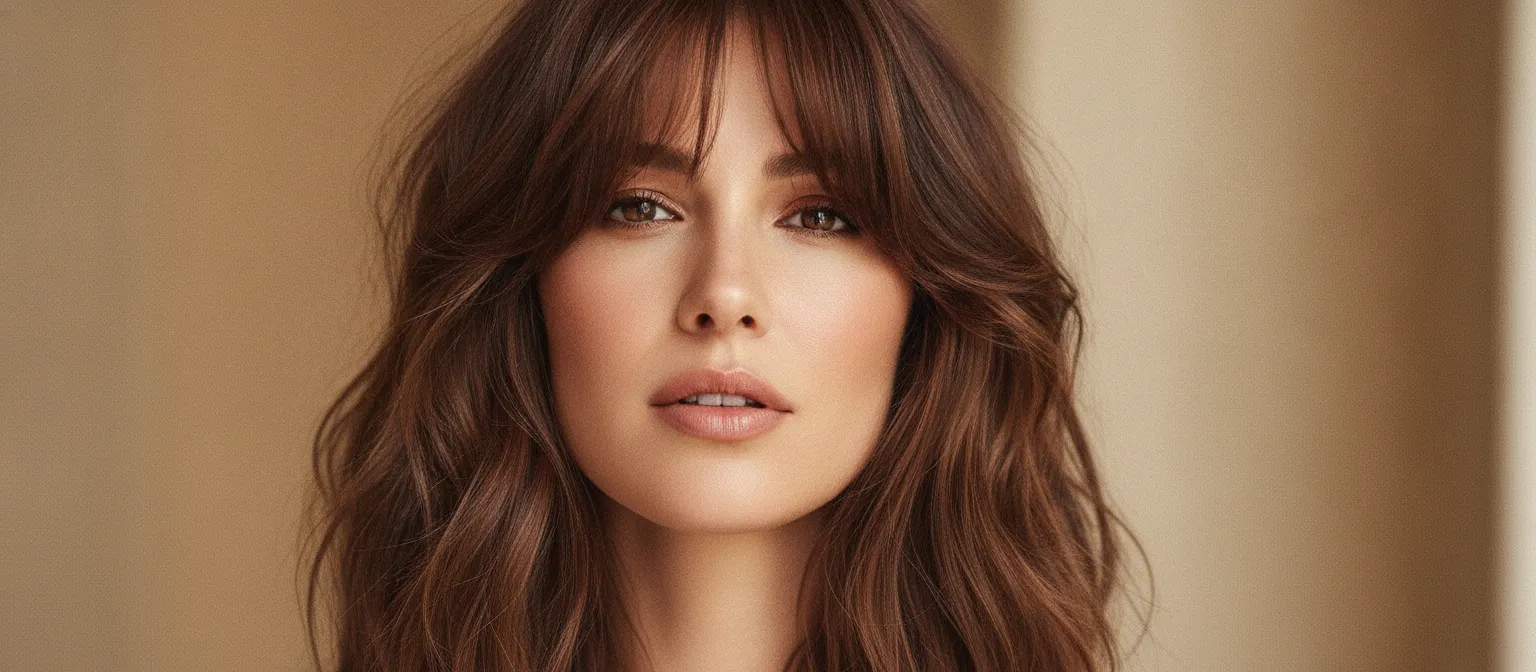
2026 curtain bang looks to save for inspiration
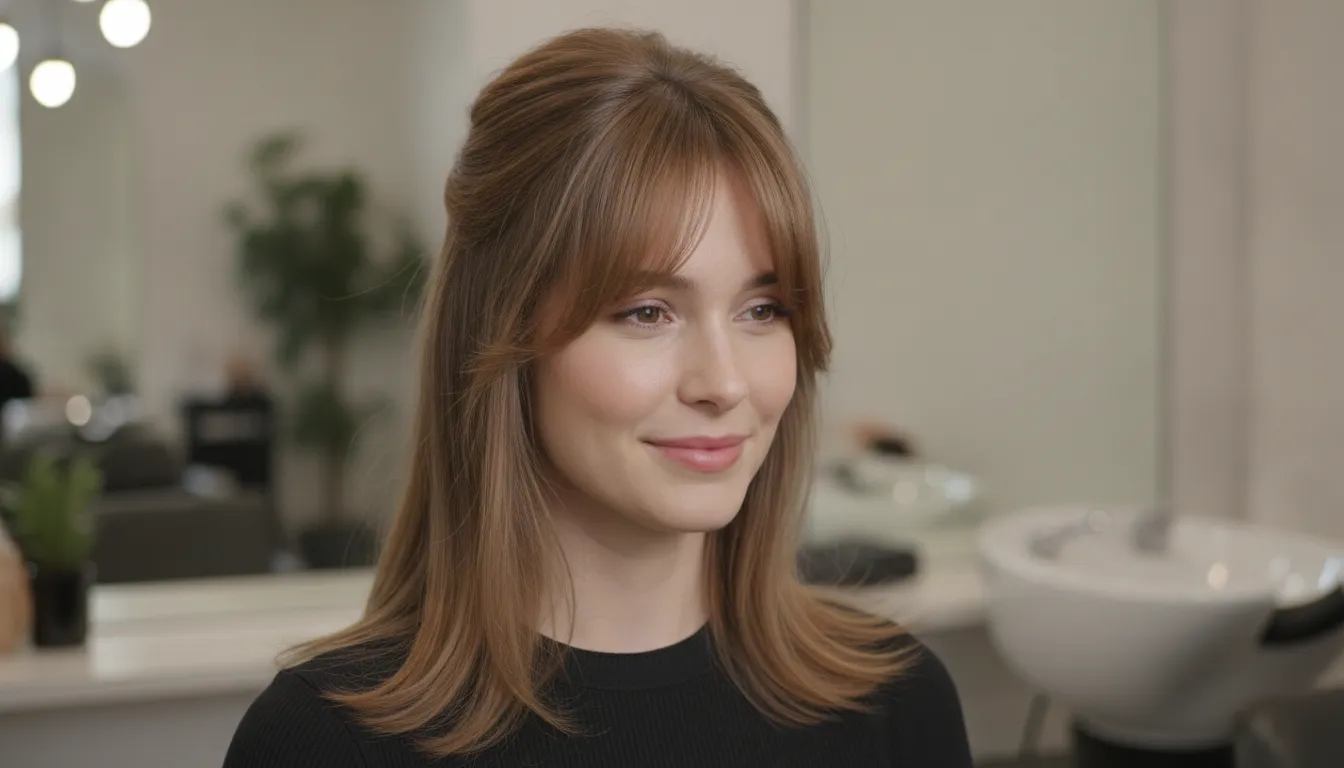
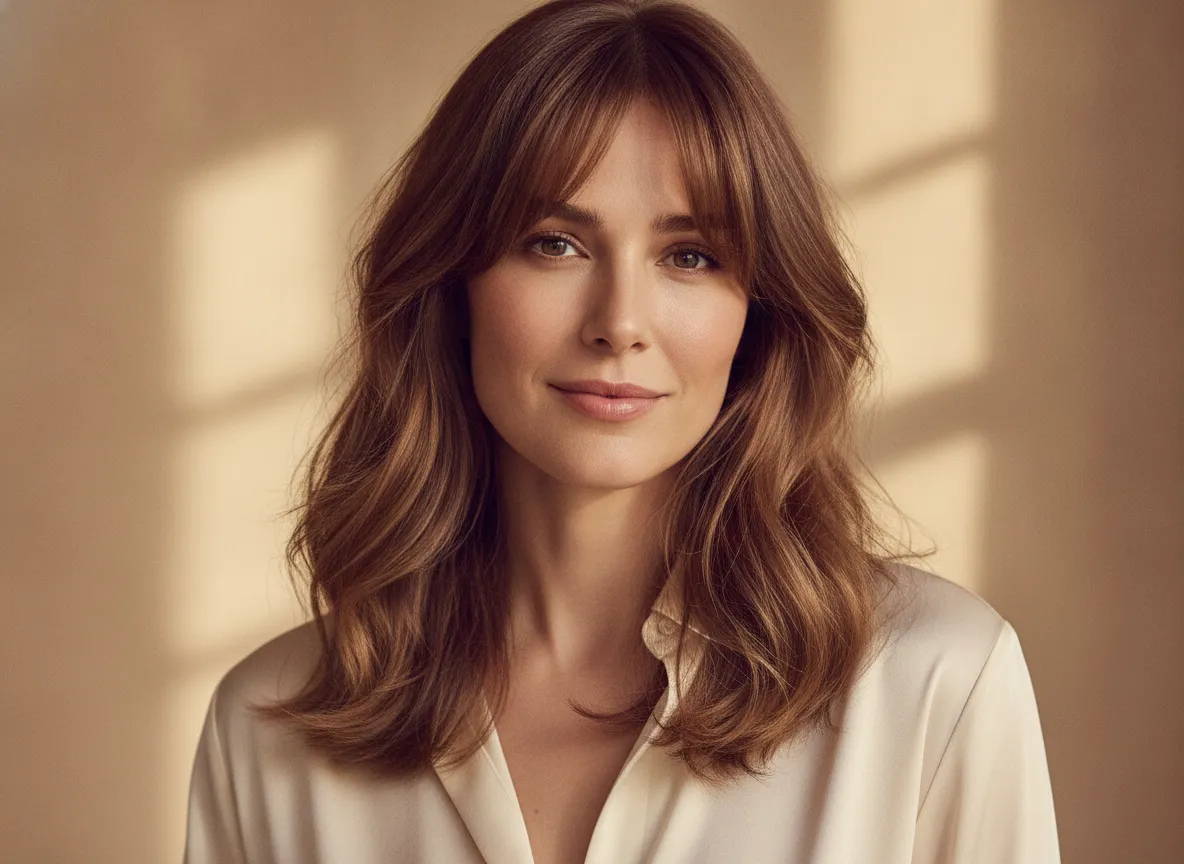
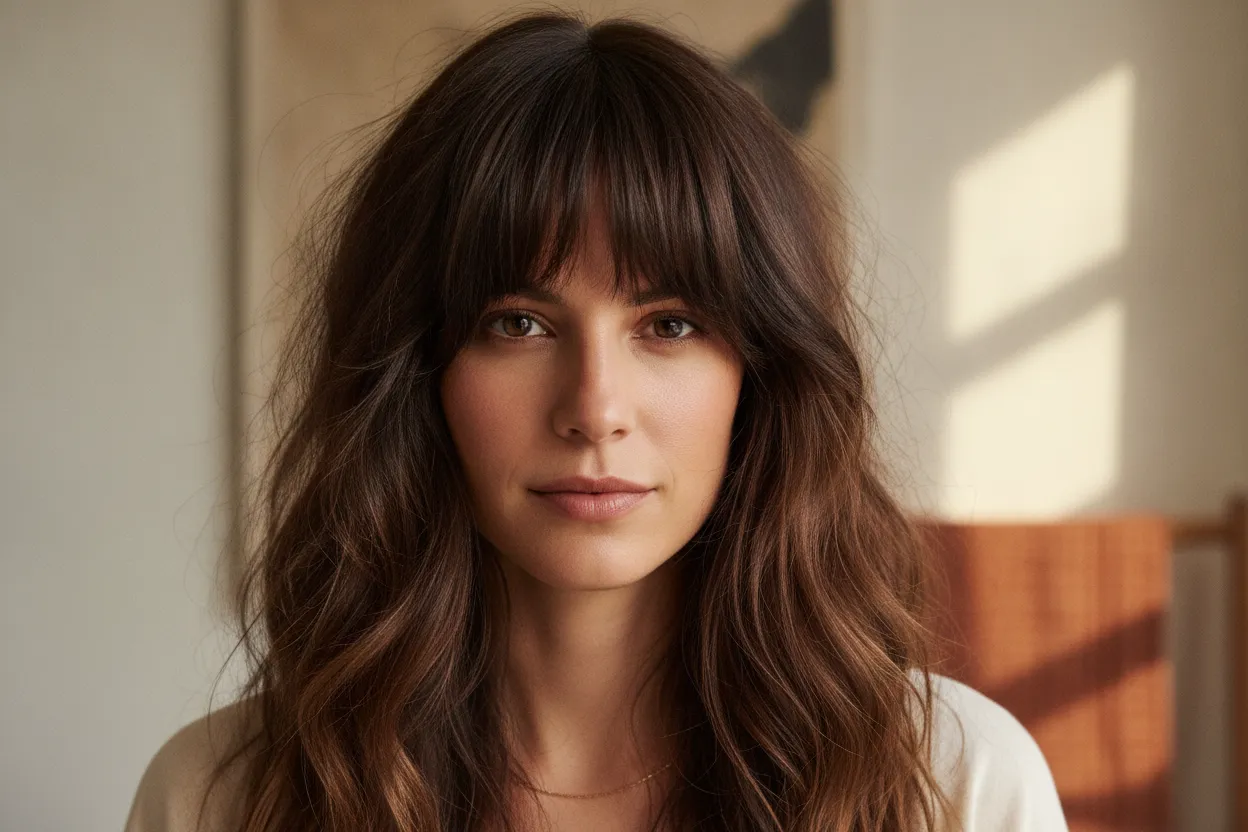
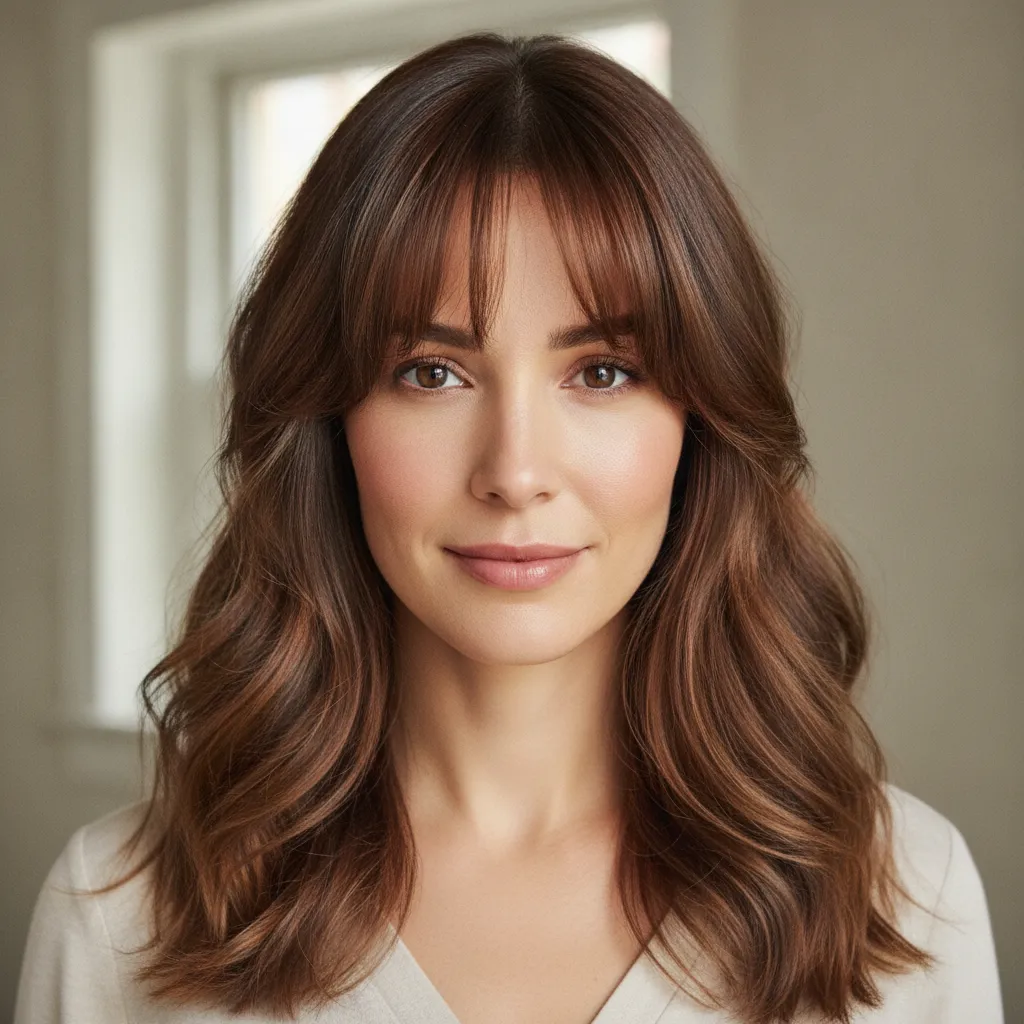
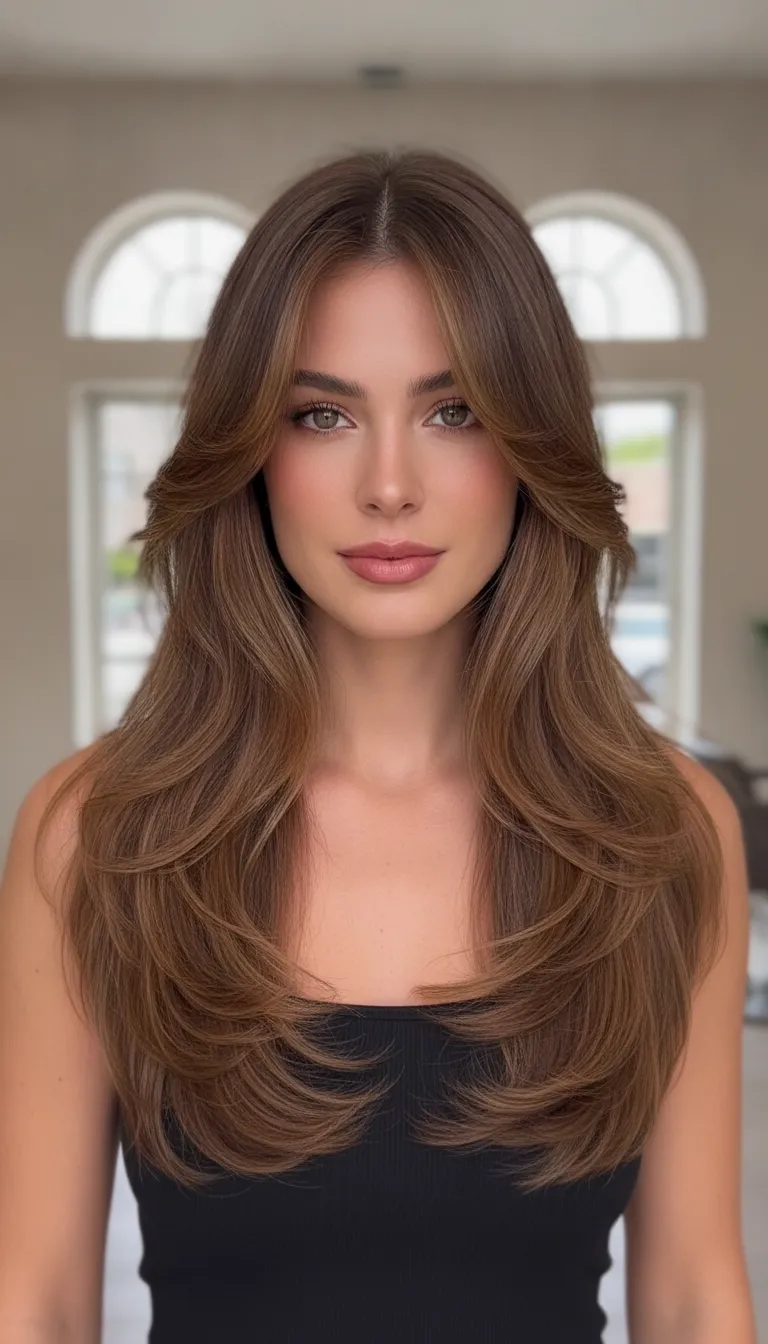
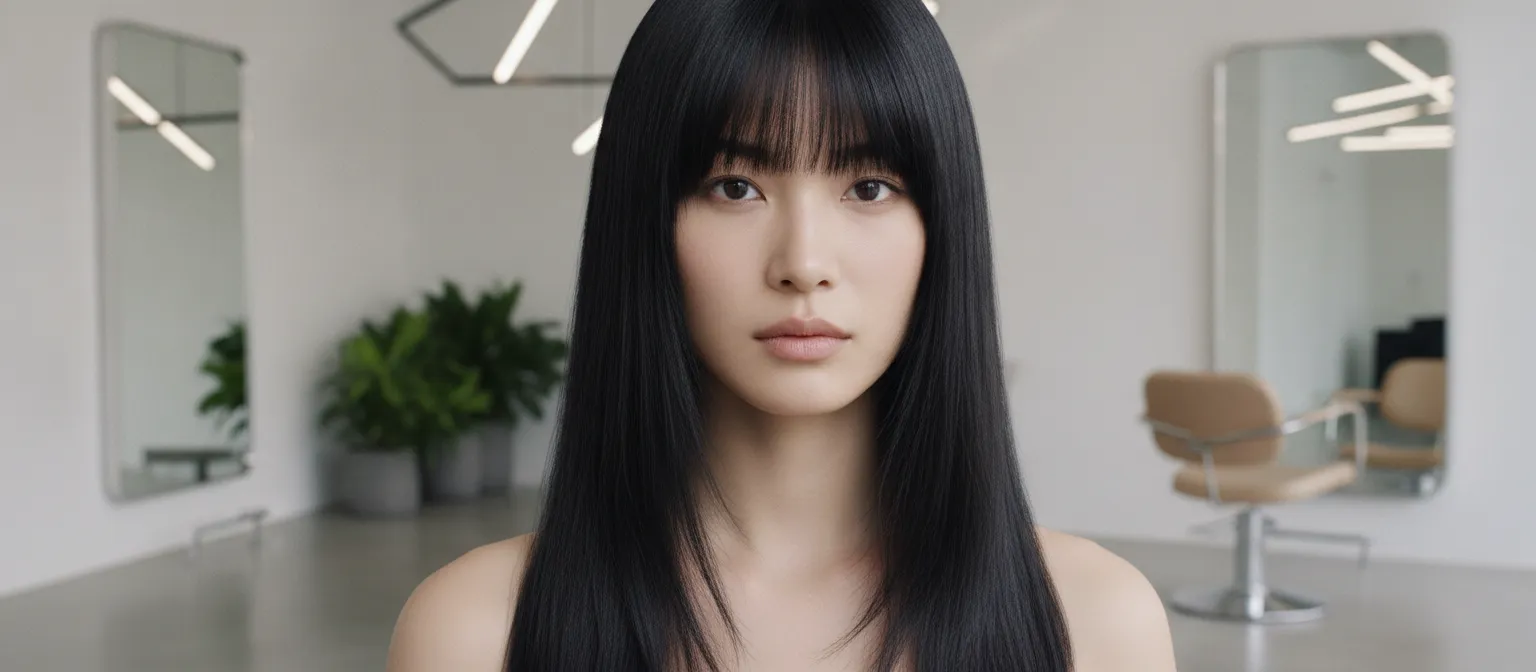
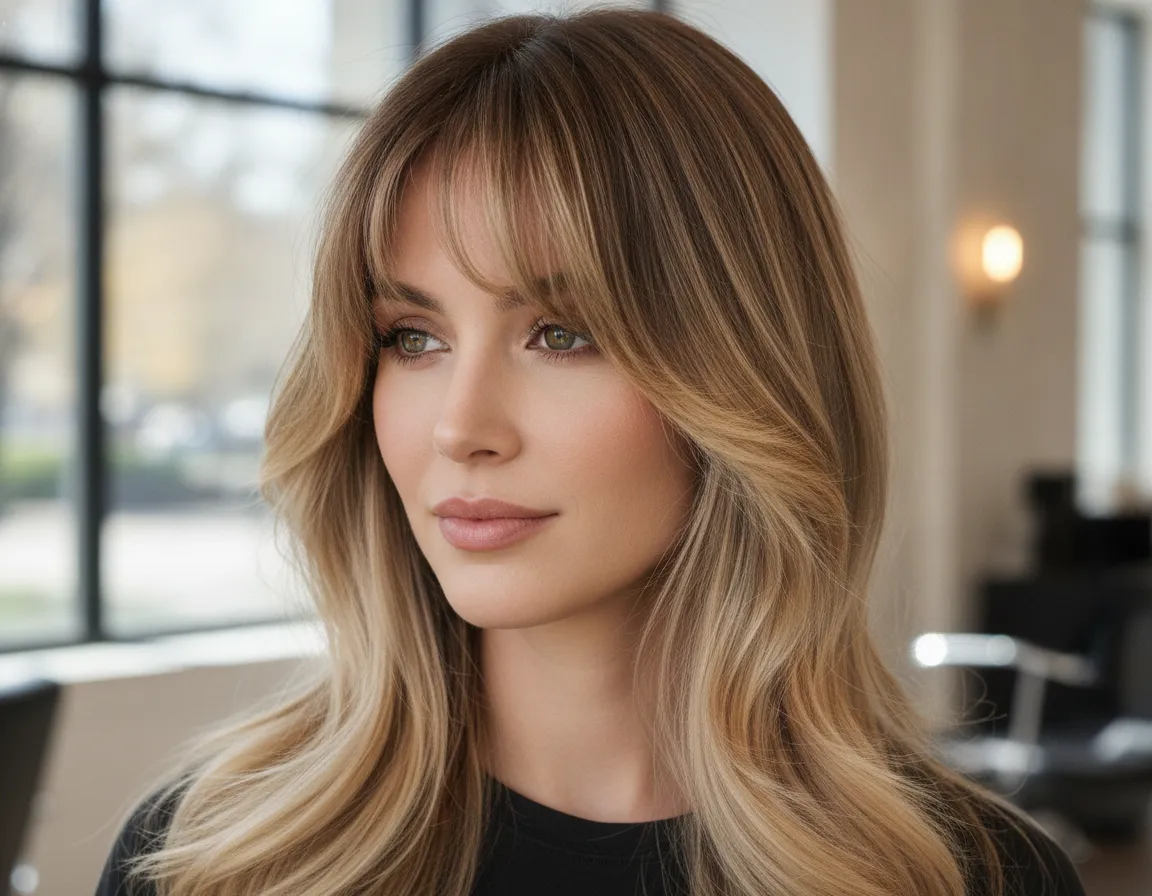
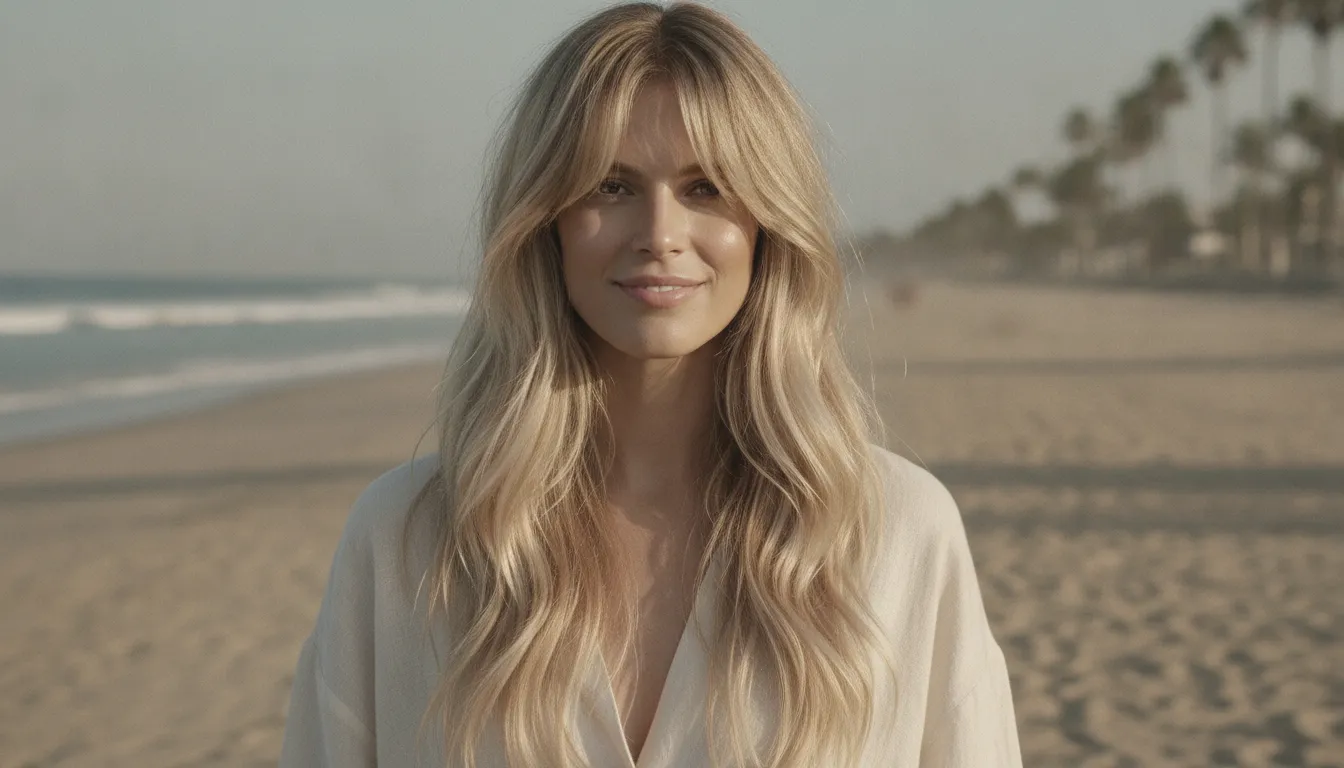
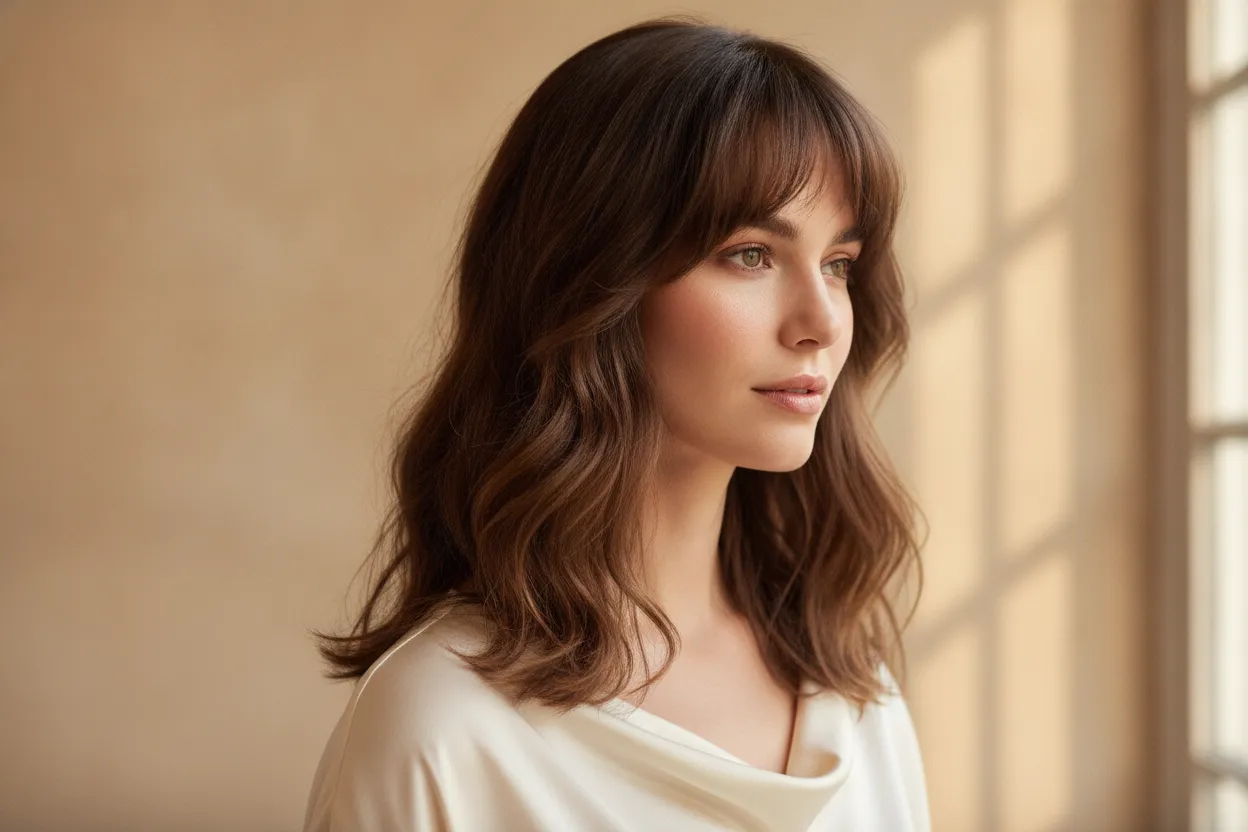
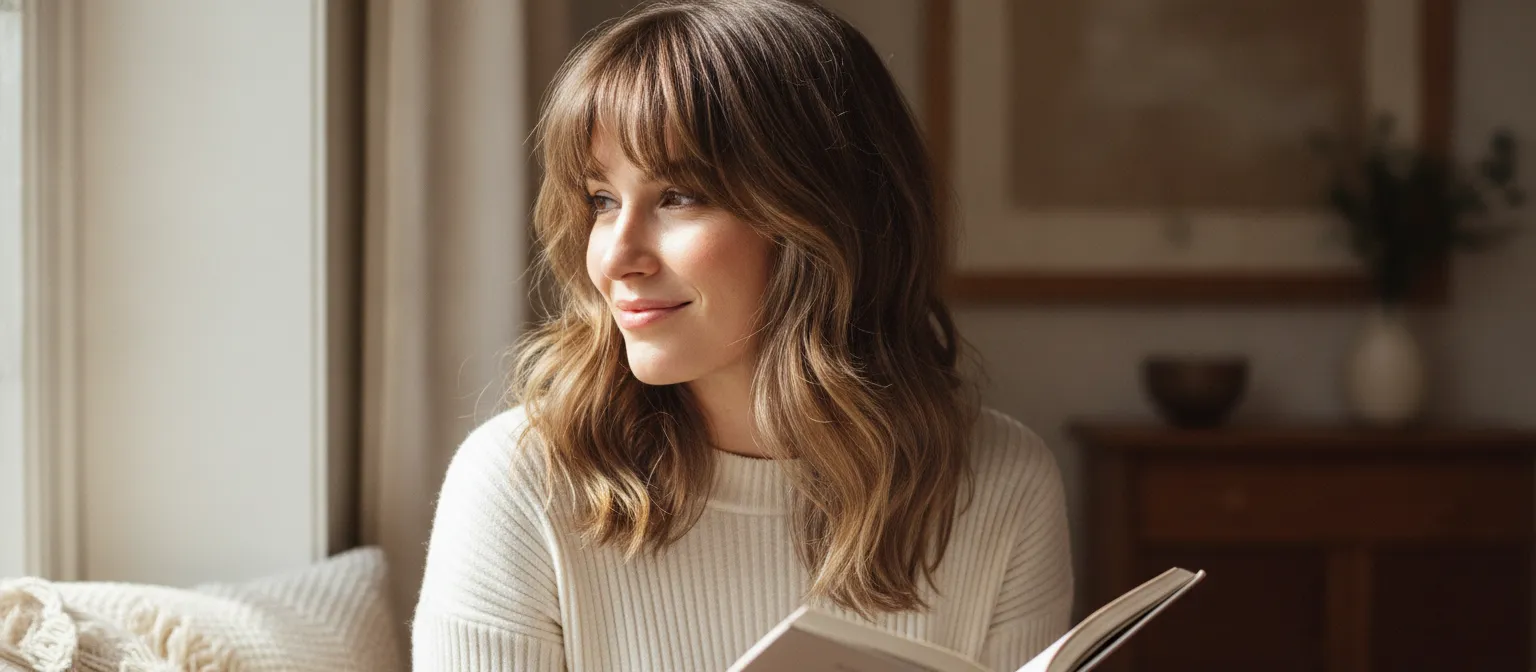
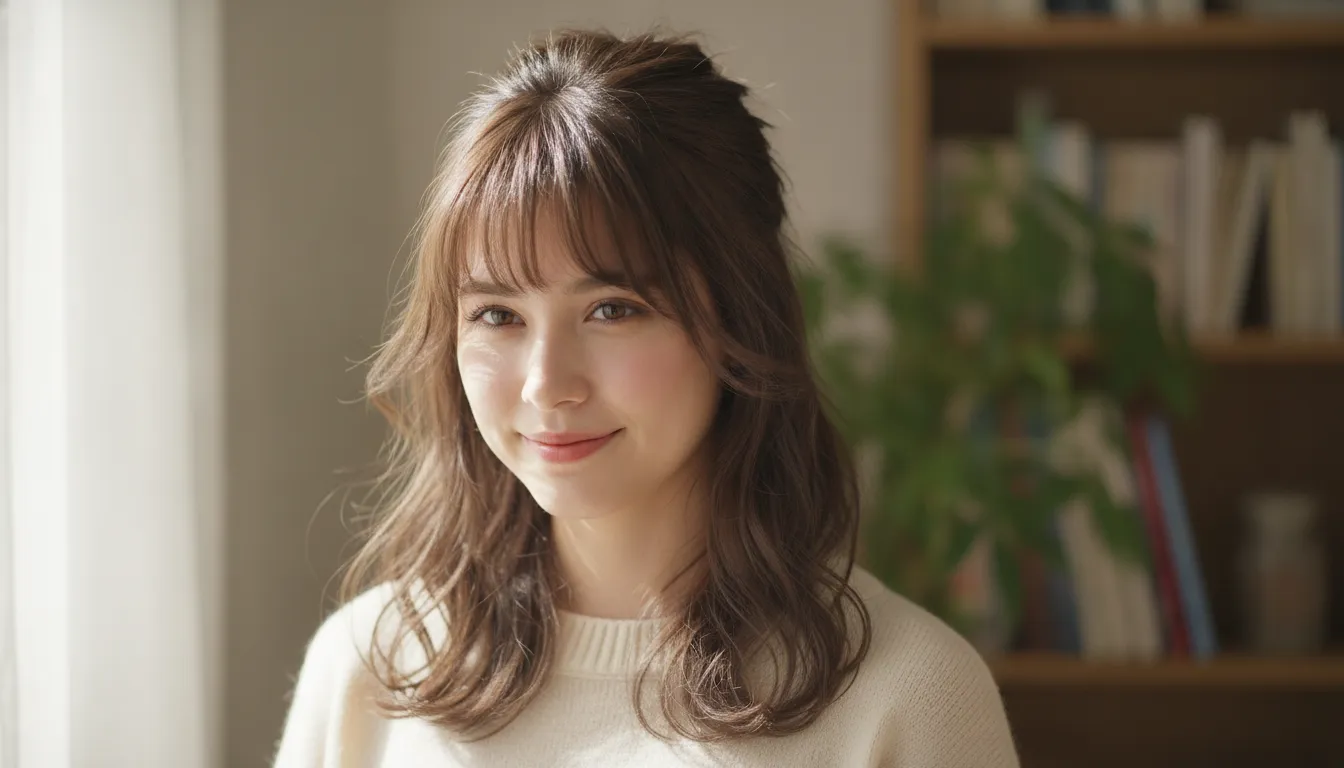
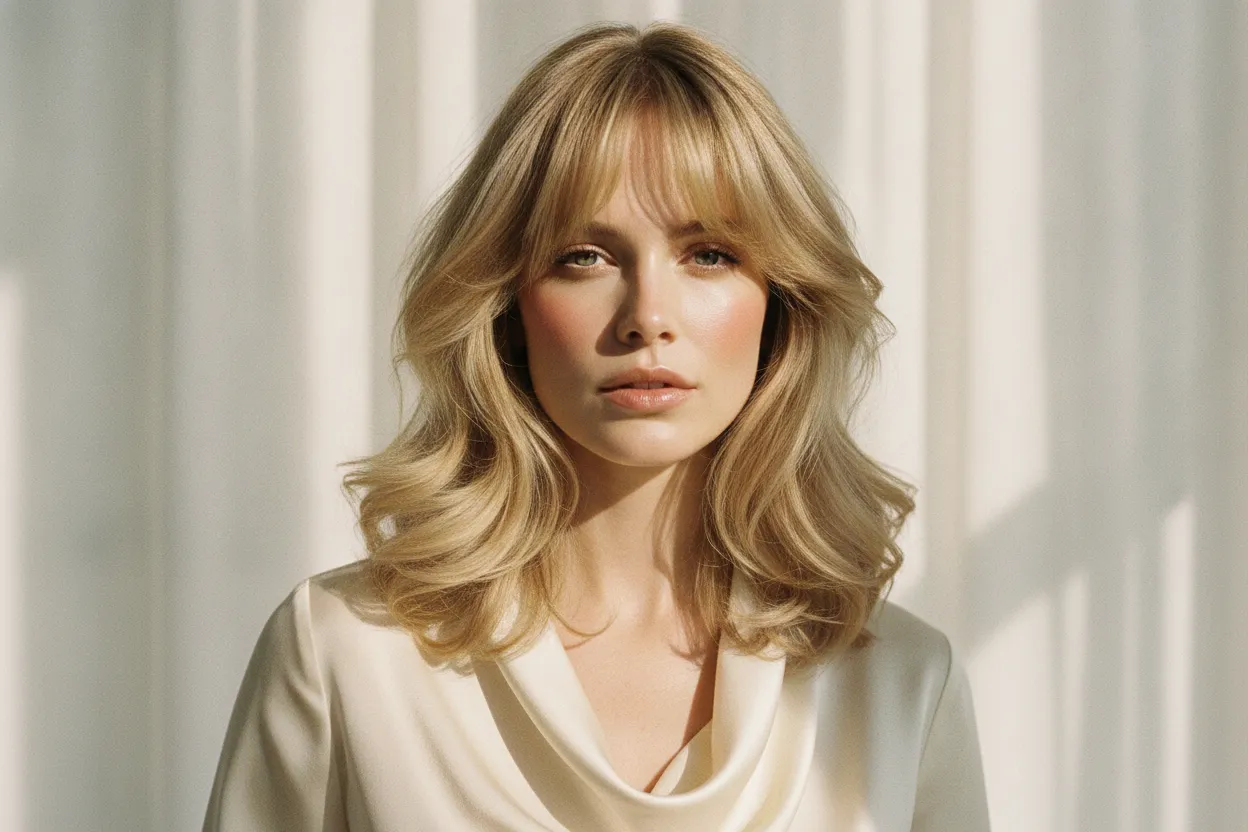
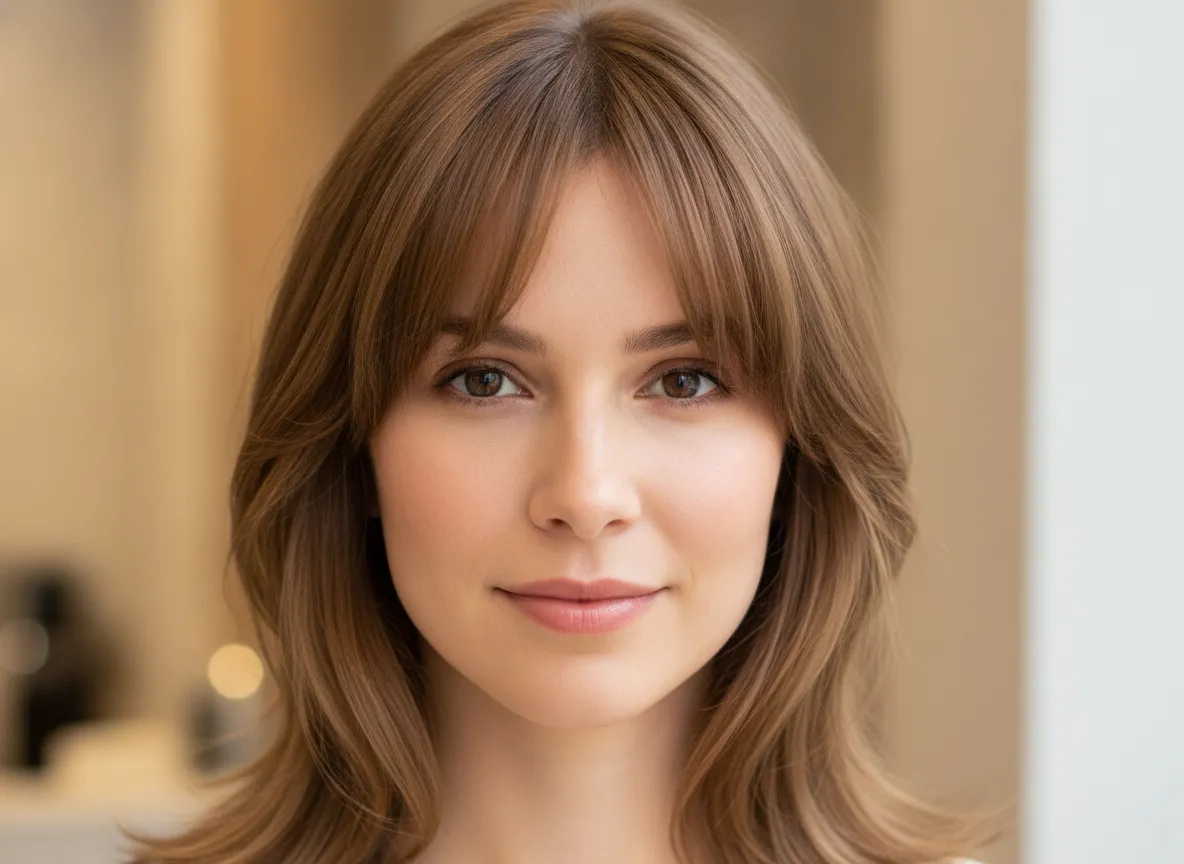
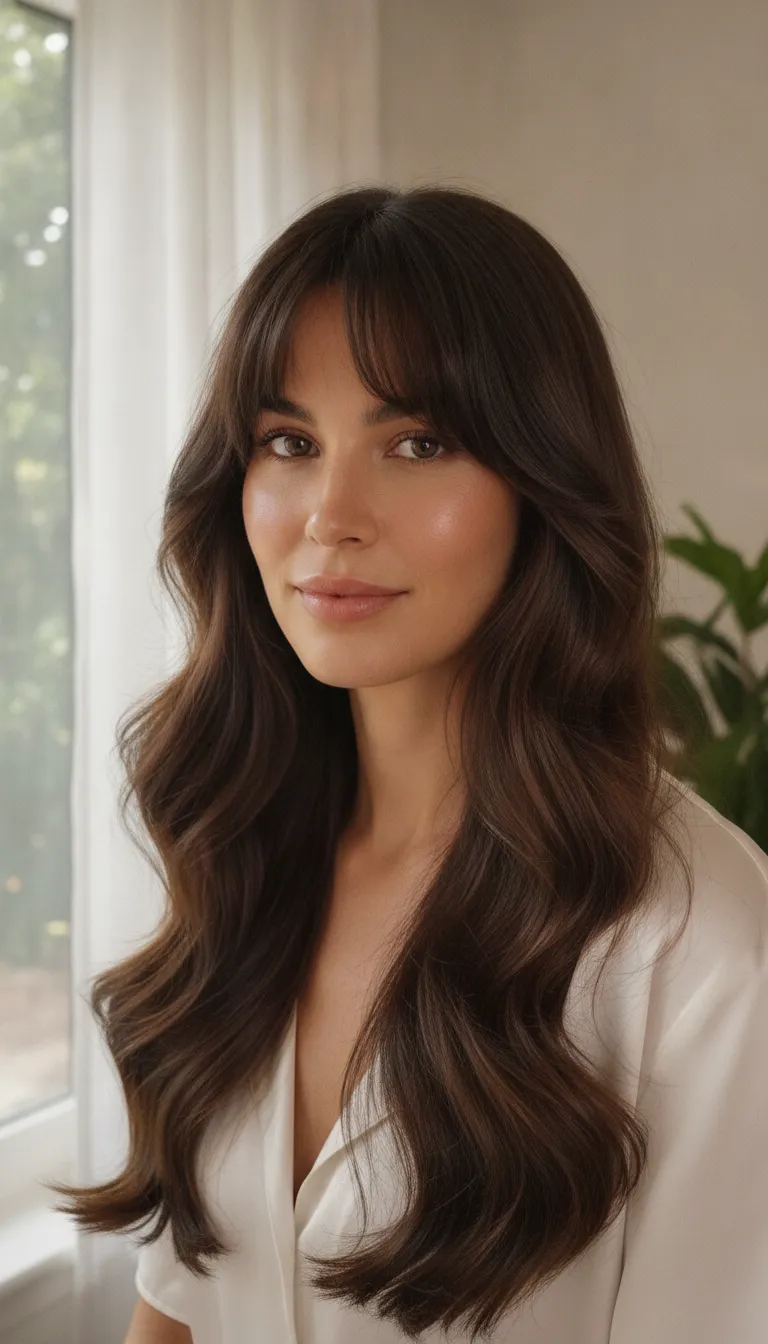
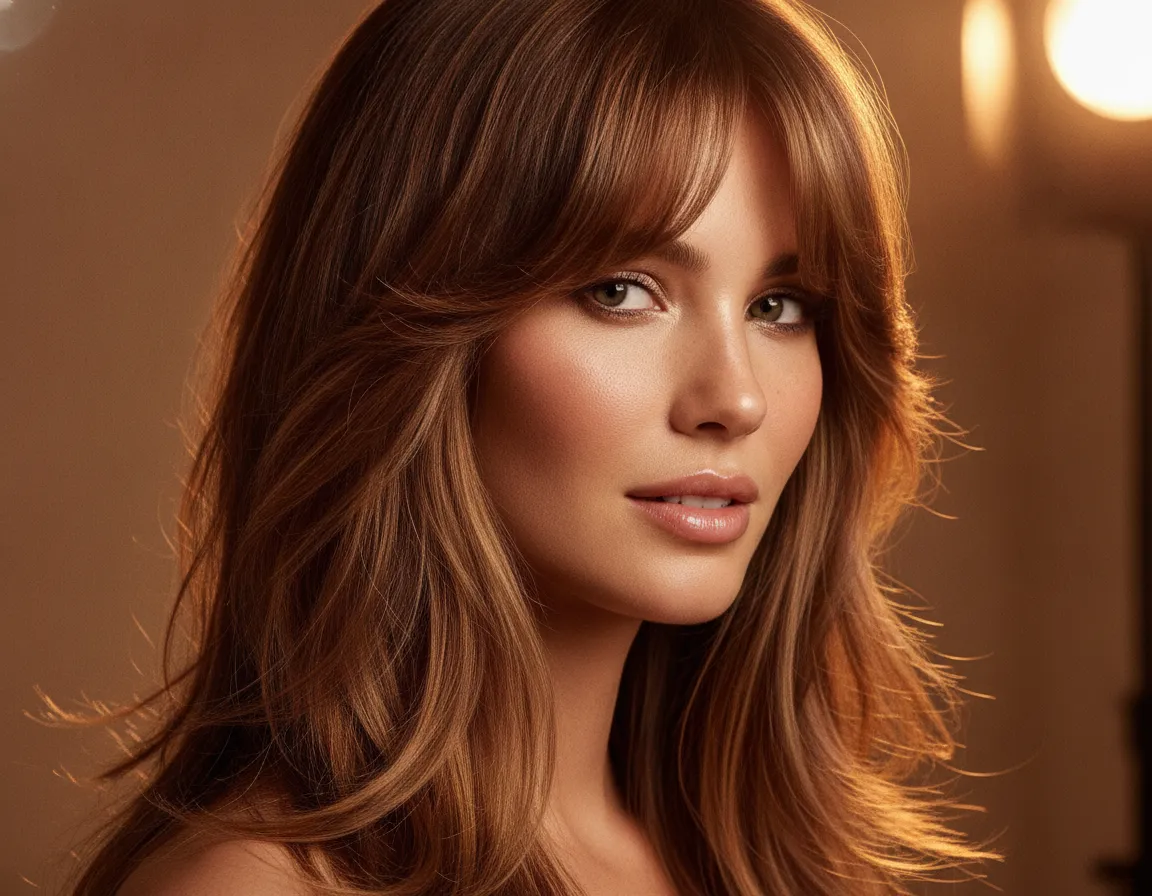
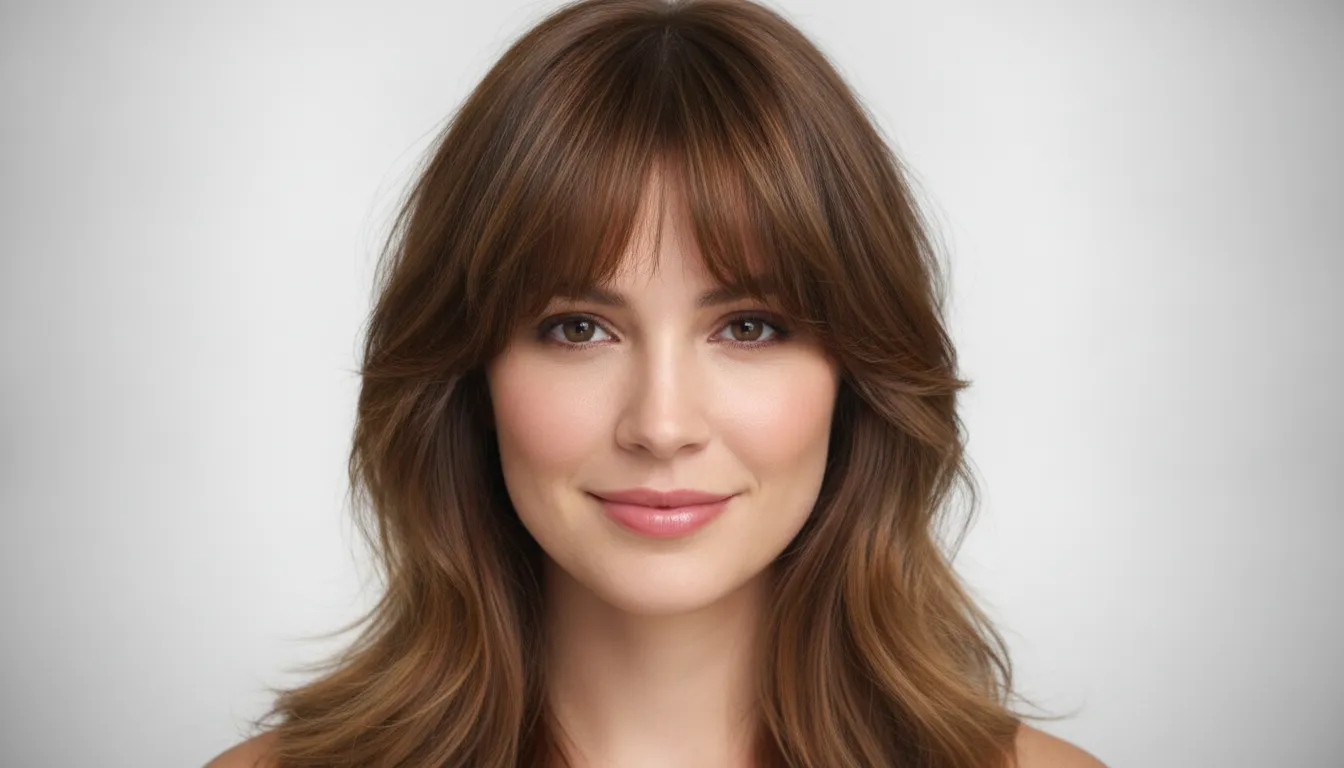
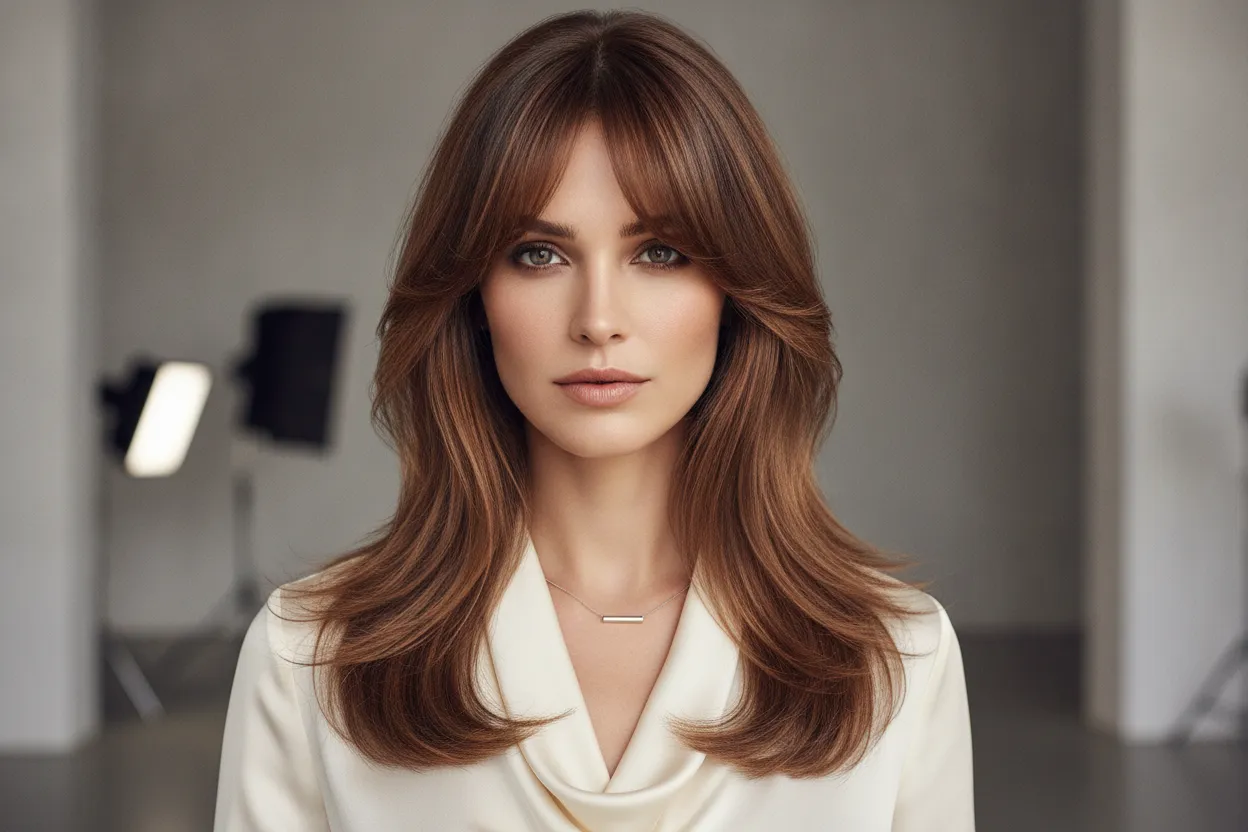
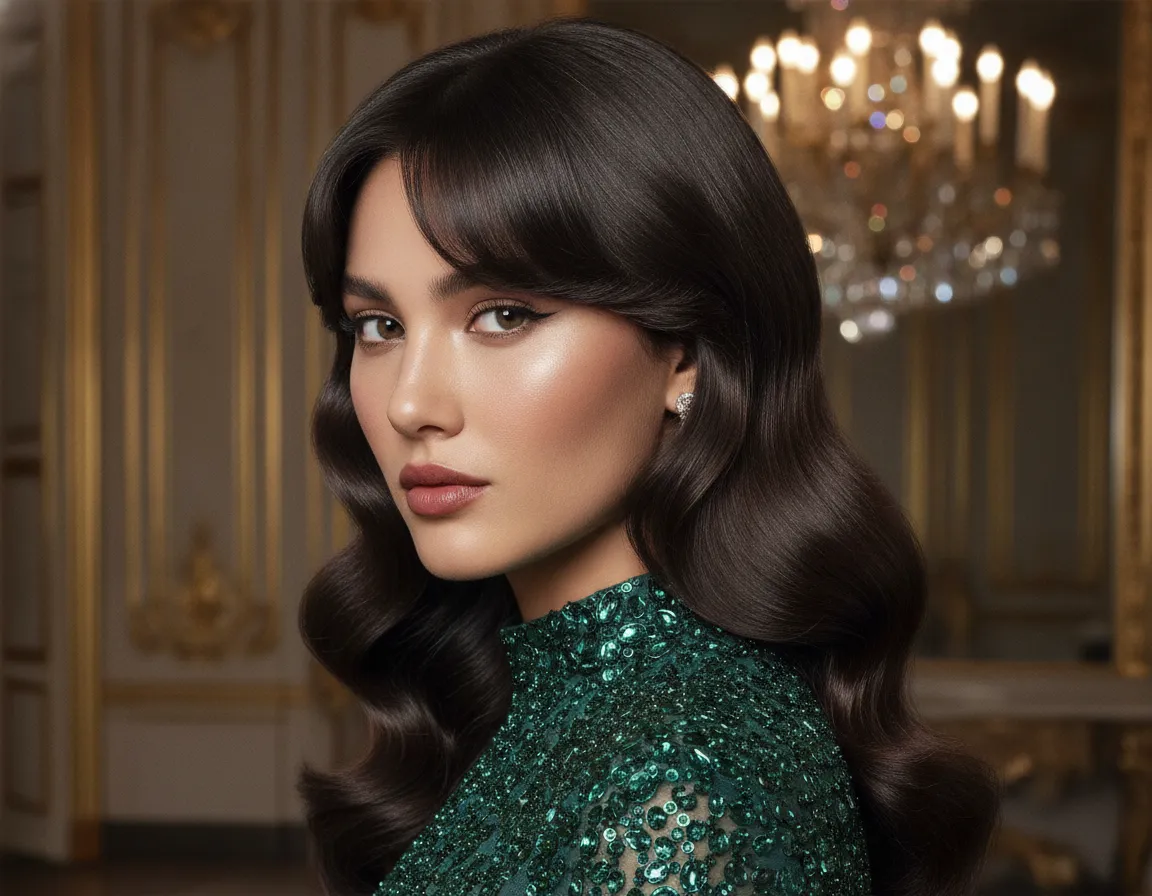
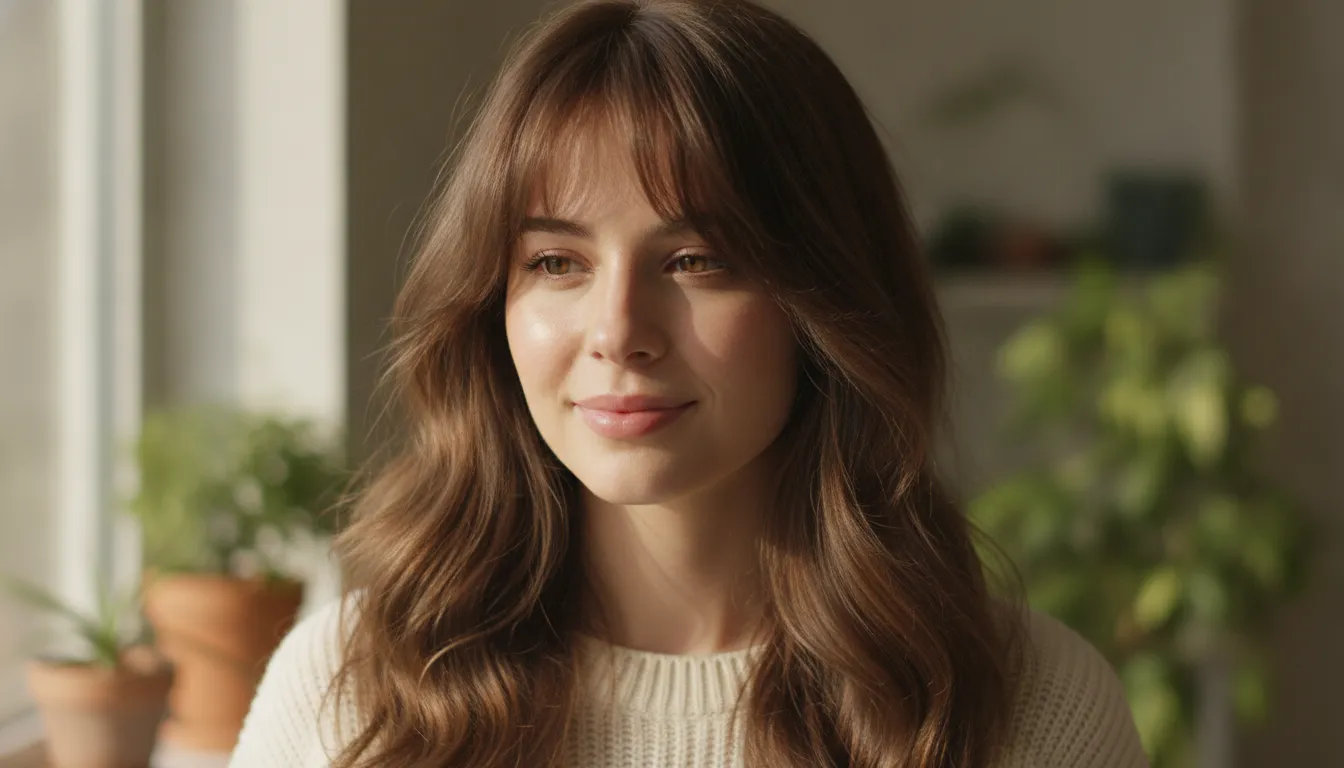
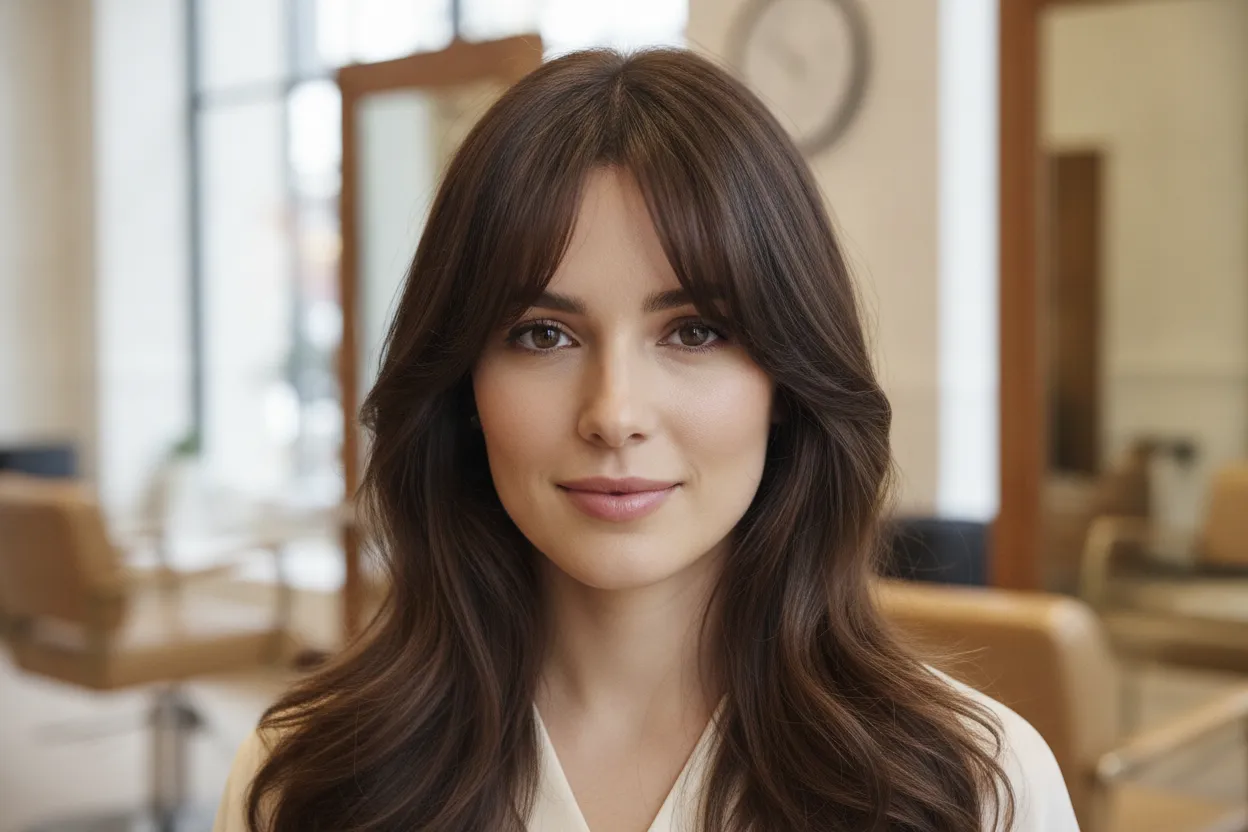
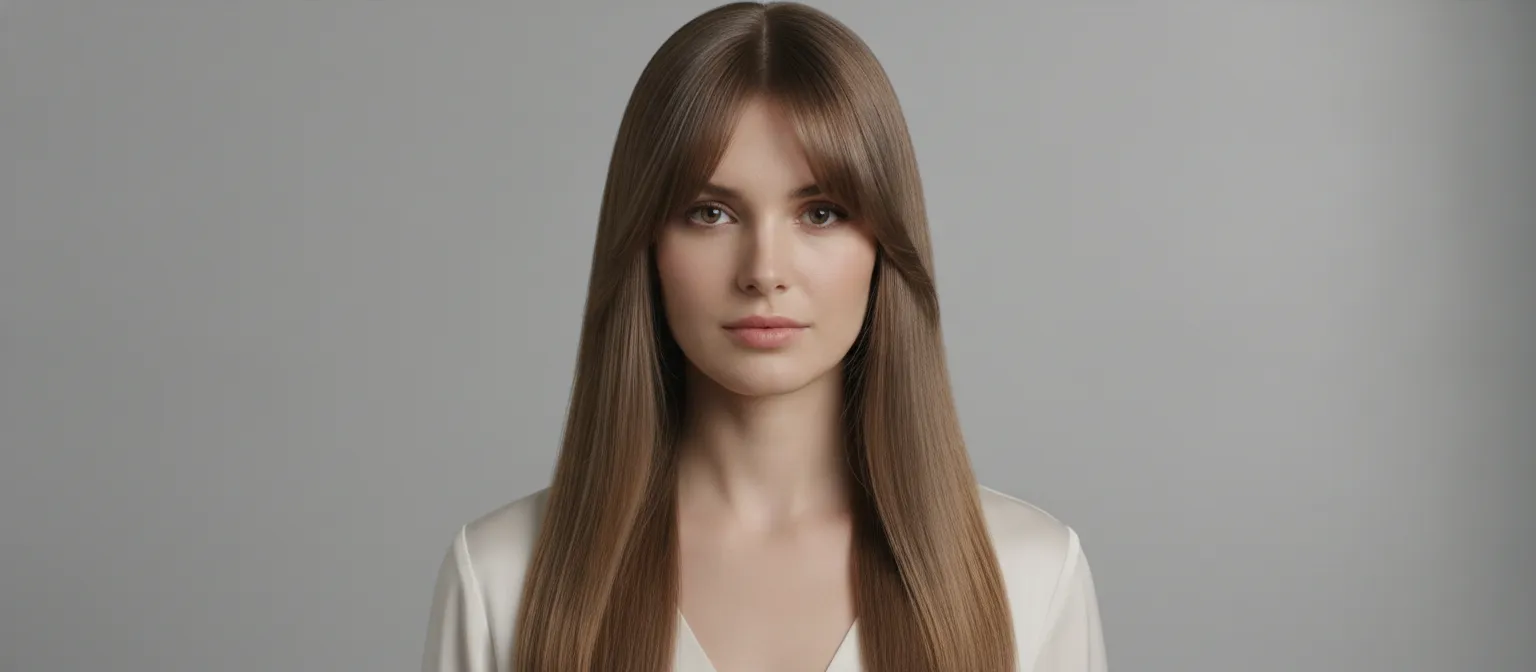
Use reference photos to explain the details you want. Show your hairstylist the front, side, and back when possible. Mention whether you plan to style the cut each morning or prefer an air-dried result.











Keep the shape soft between salon visits
Curtain bangs are often easier to grow out than a blunt fringe, but they still need small adjustments. Many people refresh the front every six to eight weeks, depending on how quickly their hair grows and how precise they want the shape to remain.
Wash the fringe when it becomes oily, even if the rest hair does not need washing. A quick rinse and blow-dry can restore volume. Use dry shampoo at the roots only when needed, since excess product may make the strands dull.
Common styling mistakes
- Using a round brush that is too small, which creates a tight curl.
- Drying the bang straight down instead of directing it away from the face.
- Applying heavy oil or cream close to the roots.
- Cutting the fringe wet without considering shrinkage.
- Thinning the ends too much and losing the intended shape.
When curtain bangs may feel high maintenance
Curtain bangs high maintenance concerns are usually linked to natural growth patterns, not the style itself. Cowlicks, oily roots, strong curls, and very straight hair may need more daily attention. If you rarely use heat or styling products, choose a longer, blended bang.
Long curtain bangs are usually the most forgiving option. They can be tucked behind the ear, pinned back, or blended into layers while they grow. A longer shape also gives your hairstylist more room to adjust the cut later.
Benefits
- Softens and frames many face shapes.
- Works with bobs, shags, layers, and long hair.
- Can be worn centered or slightly to one side.
- Grows out more gently than a blunt fringe.
Things to consider
- May need a short styling routine each morning.
- Can separate when roots become oily.
- Curly hair needs shrinkage-aware cutting.
- Regular trims help preserve the frame face shape.
Before your appointment: Bring two or three photos, describe your usual routine, and explain how much time you want to spend on styling. The best cut is one you can repeat at home.
The most stylish curtain bangs look natural rather than overly fixed. Choose a length that blends with your haircut, shape the roots away from the face, and let your texture guide the finish. With the right cut, this 2026 trend can feel personal, practical, and easy to wear.