Soft girl or strict girl: what men choose when nobody is watching
The question “soft girl or strict girl” is often framed as a contest between two female personalities. One appears gentle, relaxed, and focused on comfort. The other appears direct, disciplined, and willing to set firm limits. Online culture often turns these traits into neat lifestyle categories.
Private preferences are less simple. Men may respond to warmth in one setting, confidence in another, and clear boundaries in a third. The choice is also shaped by age, culture, family history, work, and the kind of relationship a person wants to build.
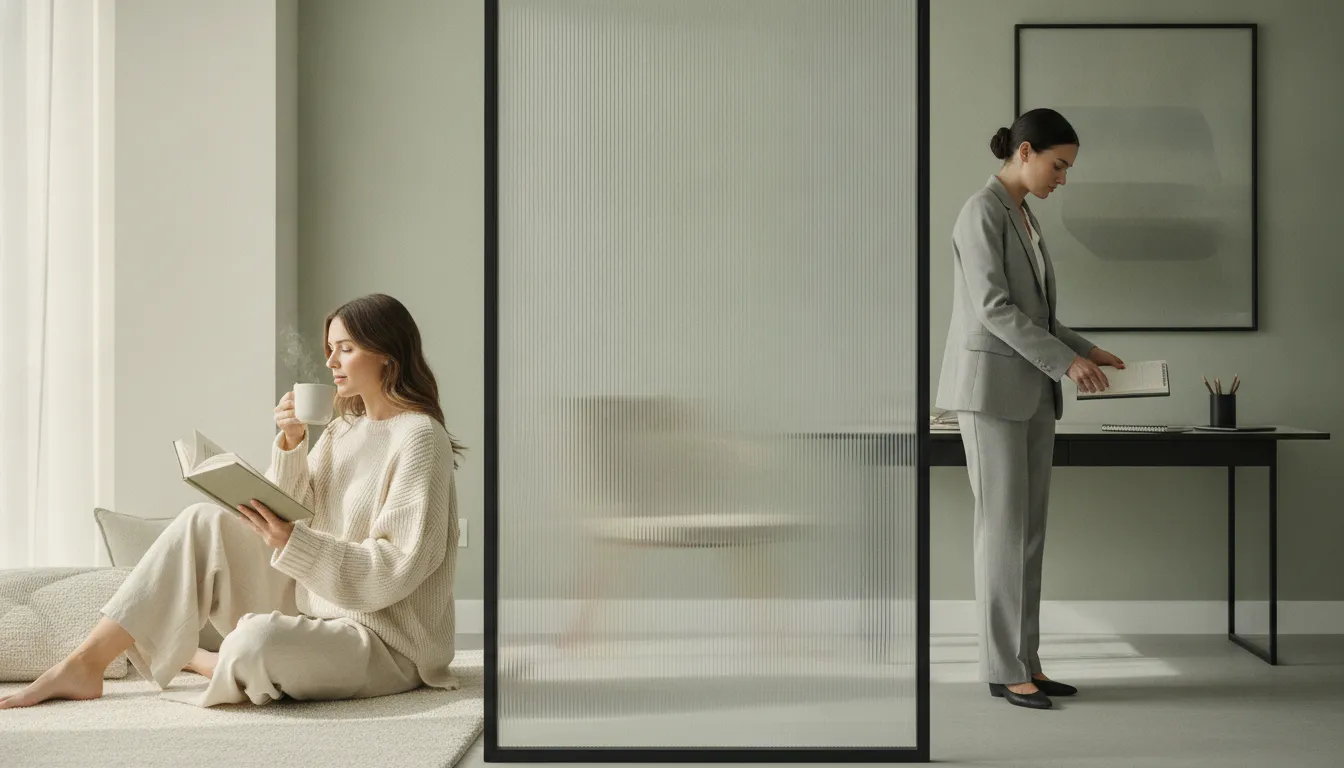
Softness and strictness are not complete identities
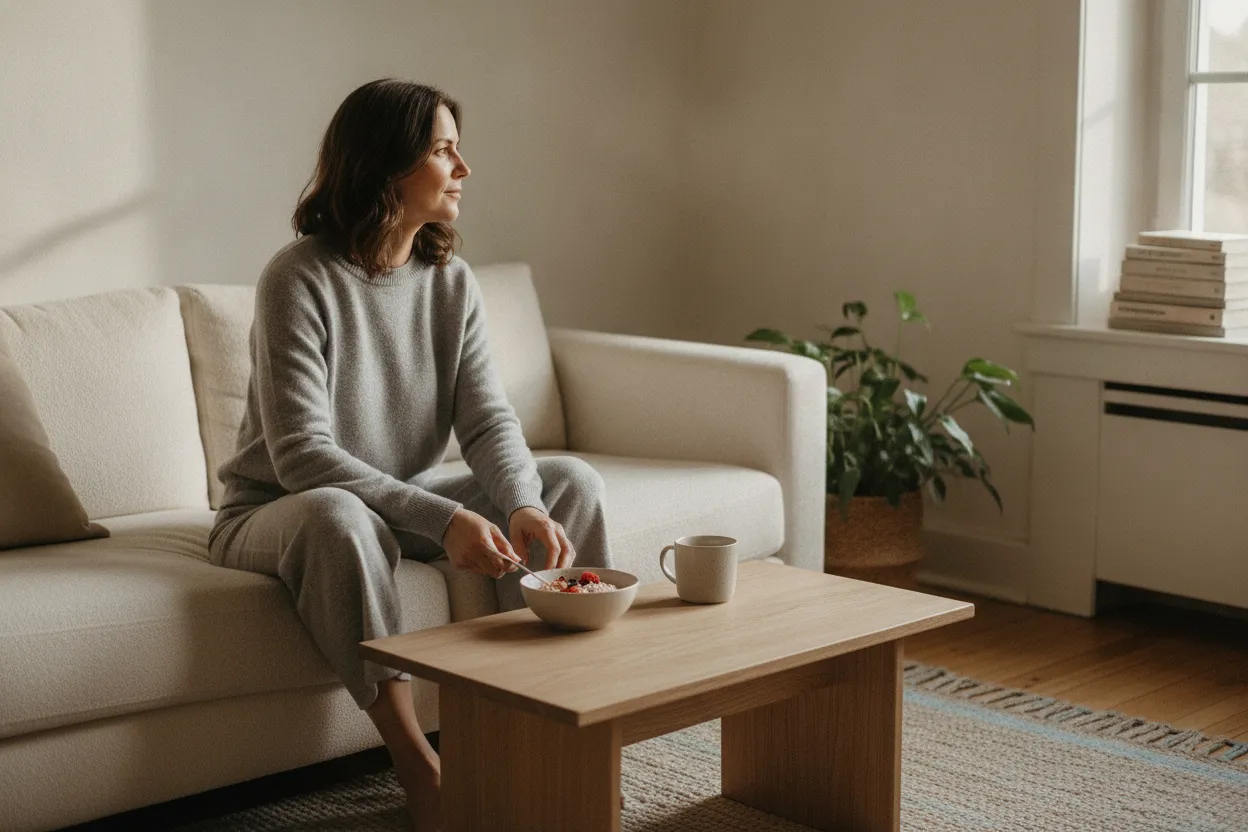
The soft girl label usually refers to a lifestyle built around gentleness, appearance, comfort, emotional openness, and a slower pace. It can include interest in wellness, home routines, beauty, rest, and a soft life. For some women, the idea is a response to burnout and the demand to perform at every hour of the day.
A soft life does not have one fixed meaning. One woman may use it to describe a quiet home and fewer commitments. Another may connect it with financial security, flexible work, or the ability to refuse constant pressure. A third may use the label mainly for fashion, videos, or online content.
The strict girl label is less standardized. It may describe a woman who is direct, highly organized, ambitious, selective, or firm about her time. It can also refer to a style of communication that values discipline and clear standards. The same behavior may be called strict by one person and responsible by another.
Neither label tells a complete story about a woman’s life. A person can value rest and have a demanding career. She can enjoy makeup and manage a company. She can want family life and still reject traditional gender roles that assign all home labor to women.
Men may interpret these traits through their own needs. A man who wants peace after a difficult workday may value a calm partner. Another may admire a woman with a strong career focus because he wants an equal relationship. Someone else may prefer a mixture of affection, independence, humor, and reliable communication.
Preference is also different from expectation. A man may be drawn to a soft aesthetic but still expect shared labor at home. Another may admire a confident woman but feel uncomfortable when she sets limits. The visible preference does not always match the behavior a person can support in daily life.
- Softness can include warmth, rest, emotional openness, and a preference for a calm lifestyle.
- Strictness can include direct speech, planning, standards, ambition, and clear boundaries.
- Both styles can exist in the same woman and can change across work, home, family, and relationships.
- A label describes selected traits; it does not predict loyalty, kindness, maturity, or compatibility.
The most useful comparison therefore concerns needs rather than costumes. Readers may ask whether a relationship allows rest, respect, shared responsibility, and room for personal goals. Those questions are more reliable than asking which online archetype a person resembles.


What men may choose in private relationships
Private preference is influenced by the kind of life a man imagines. A person planning a quiet home may seek someone who enjoys domestic routines and rest. That desire can be sincere, but it does not establish that the woman should carry all household labor.
Some men are attracted to a woman who has a strong career identity. Her confidence may signal independence, competence, and a shared interest in achievement. In a healthy partnership, those qualities do not remove the need for affection or cooperation.
Other men may prefer a partner who is expressive and emotionally available. Softness can make conversation feel easier, especially when both people can discuss fear, disappointment, and desire without turning those subjects into tests of gender.
There are also men who prefer clear standards. A woman who says what she wants can reduce uncertainty in dating. Directness may help two people decide whether their expectations about time, money, family, sex, or work are compatible.
These preferences often overlap. A man may want a partner who is gentle with him and strict about her own boundaries. He may prefer someone who enjoys home life but continues a career. He may value a woman’s desire for children while supporting her need for rest and paid work.
The private question is less “soft or strict?” and more “what kind of relationship can both people maintain?” A couple may have a traditional arrangement, an equal division of labor, or a flexible arrangement that changes when work, health, or kids alter the demands of life.
Traditional gender expectations can make this difficult. They may present women as responsible for emotional care, cleaning, family planning, and the atmosphere of the home. They may present men as providers who should avoid vulnerability. These norms can influence attraction before either person has discussed practical duties.
Culture also affects interpretation. In one family, a direct woman may be praised as capable. In another, the same behavior may be treated as unfeminine. In one social group, a soft life may mean wellness and financial stability. In another, it may be criticized as a refusal to work.
Men are not a single audience with one preference. Age, class, location, sexuality, religion, family background, and personal experience all affect ideas about relationships. A search article should avoid presenting one male view as a universal answer.


Where online archetypes meet daily life
Online content often makes a lifestyle look more complete than it is. Carefully arranged rooms, wellness routines, neutral clothing, and short videos can create an attractive picture of a soft life. The image may hide the work, money, support, and time required to maintain it.
For many women, rest is not a luxury but a response to burnout. Long hours, unpaid labor, financial stress, family care, and workplace pressure can leave little space for recovery. Choosing a slower day may be a practical decision rather than a rejection of ambition.
At the same time, the soft life trend can become a new form of performance. A woman may feel pressure to look calm, attractive, organized, and well while managing difficult circumstances. The online ideal can replace one demand with another if it treats relaxation as an appearance that must be maintained.
A strict lifestyle has its own risks. Discipline can support a career, a business, or a personal goal. Yet constant control can make rest feel undeserved. A woman may continue working after success, ignore her body, or treat every free hour as an opportunity for achievement.
The workplace adds another layer. Women may be judged for being too soft when they are collaborative and too strict when they are direct. Gender expectations can shape how the same tone is received. A manager, employee, or ceo may need to adjust communication without accepting unfair standards about how women should act.
Home life also tests the labels. A soft aesthetic does not guarantee a peaceful home. A strict personality does not guarantee an organized one. Cleaning, planning, cooking, caregiving, and emotional labor remain practical tasks, regardless of the image a person presents online.
Family choices can expose the limits of the trend. Women with kids may seek a slower lifestyle while handling intense care work. Women without children may protect their time for careers, relationships, health, or creative goals. Neither route makes a person more feminine or more complete.
A useful lifestyle question is whether the chosen arrangement is sustainable. Can a person pay for it? Does it leave room for rest? Does it support health and relationships? Does it allow change when a job, family member, or partner needs attention?
The answer may shift over time. A woman can be ambitious during one period and focused on recovery during another. A man can want a traditional home at one stage of life and an equal professional partnership at another. Identity is not a contract that prevents change.



Conclusion
Men may prefer softness, strictness, or a combination, but private compatibility depends more on communication, shared labor, boundaries, and sustainable goals than on an online archetype.
Additional photos are available in the gallery below.