Jay ENHYPEN Style Evolution: From Rookie Looks to Fashion Icon
Jay’s fashion story is not a sudden change. It is a steady shift from polished rookie outfits to a sharper image shaped by tailoring, leather, denim, and street fashion. Across performances, airport photos, interviews, and magazine shoots, he has built a look that feels both controlled and personal.
His style stands out because it balances structure with ease. A formal jacket may appear with sneakers. A simple T-shirt may sit under a bold coat. This mix gives Jay a clear place within ENHYPEN while allowing his image to grow with every new dimension of the group.
The Early Era: Clean Lines and Youthful Polish
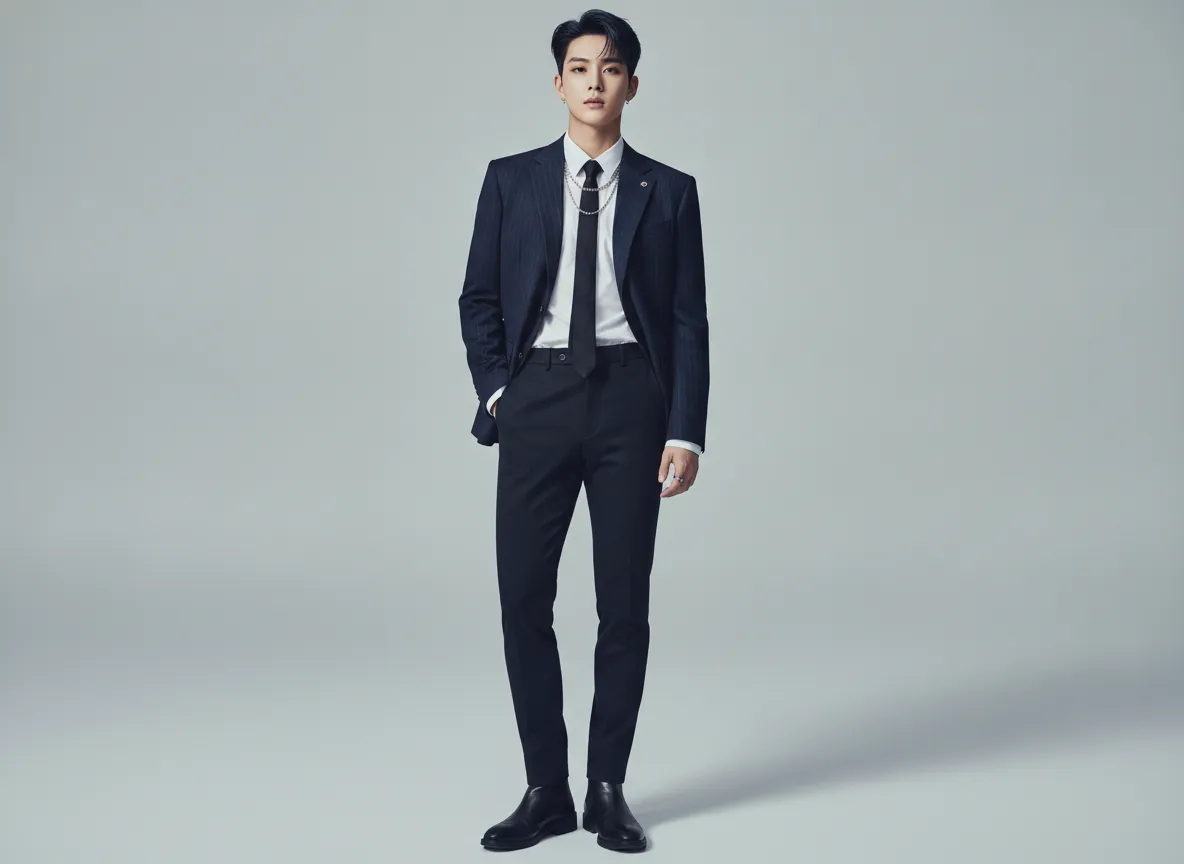
ENHYPEN entered the industry in 2020 after the survival program I-LAND. At that time, Jay’s public image often relied on neat silhouettes and refined details. His outfits were youthful, but they rarely looked careless.
Early stage fashion used fitted jackets, straight trousers, crisp shirts, and coordinated colors. These choices helped the members look connected as a group. Jay often received small styling details that made his frame appear more defined, such as layered collars, narrow belts, or short jackets.
His hair and makeup also supported this image. Soft texture, natural color, and light eye makeup gave his look a calm finish. The result was polished without feeling distant.
- Structured jackets created a sharp shoulder line.
- Neutral colors made the outfits easy to recognize.
- Simple layers kept the styling youthful.
- Small accessories added personality without overpowering the look.
This period established a useful base. Jay could wear formal clothes without seeming older than his age. He could also move into relaxed pieces while keeping the same sense of order.
A Sharper Direction Through Darker Fashion
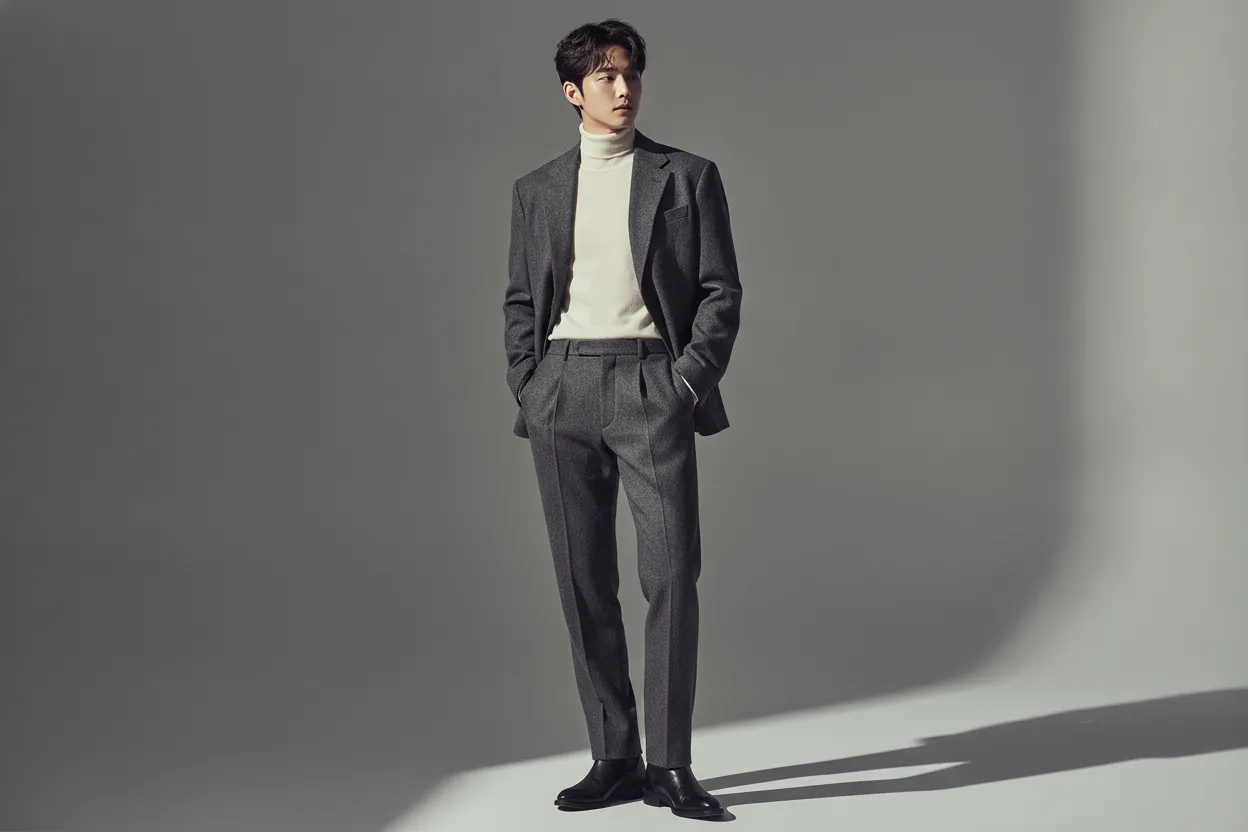
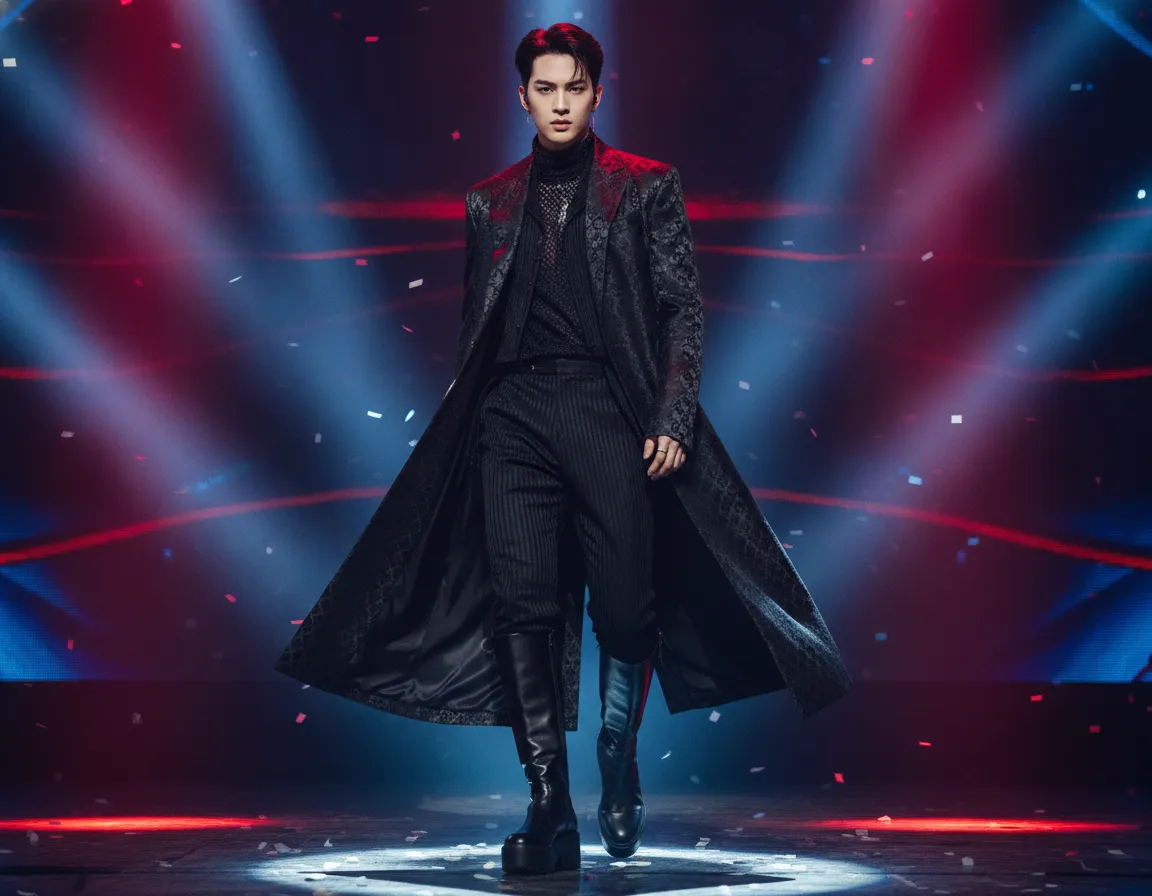
As ENHYPEN moved through different musical concepts, Jay’s fashion became more dramatic. Dark tones, textured fabrics, and stronger accessories created a mature visual language. Black, gray, deep brown, and navy appeared often, giving his outfits more depth.
This shift did not remove the clean quality of his earlier style. Instead, it added weight. Leather jackets, long coats, wide trousers, and layered shirts helped him look more confident. These pieces also worked well with the group’s darker concepts and performance settings.
One important change was proportion. Earlier outfits often followed the body closely. Later looks used wider trousers, longer outerwear, and looser shirts. This gave Jay more movement on stage and connected his image to current fashion trends.
| Style period | Main silhouette | Common colors | Visual effect |
|---|---|---|---|
| Early debut | Fitted and neat | White, black, navy | Youthful polish |
| Mature concept years | Layered and structured | Charcoal, brown, deep red | Drama and depth |
| Recent casual styling | Relaxed and oversized | Denim, cream, olive | Ease and confidence |
His use of darker fashion also made accessories more noticeable. Rings, chains, boots, and sunglasses became part of the complete look. Each item added interest while supporting the larger mood.
Street Fashion and the Rise of Relaxed Proportions
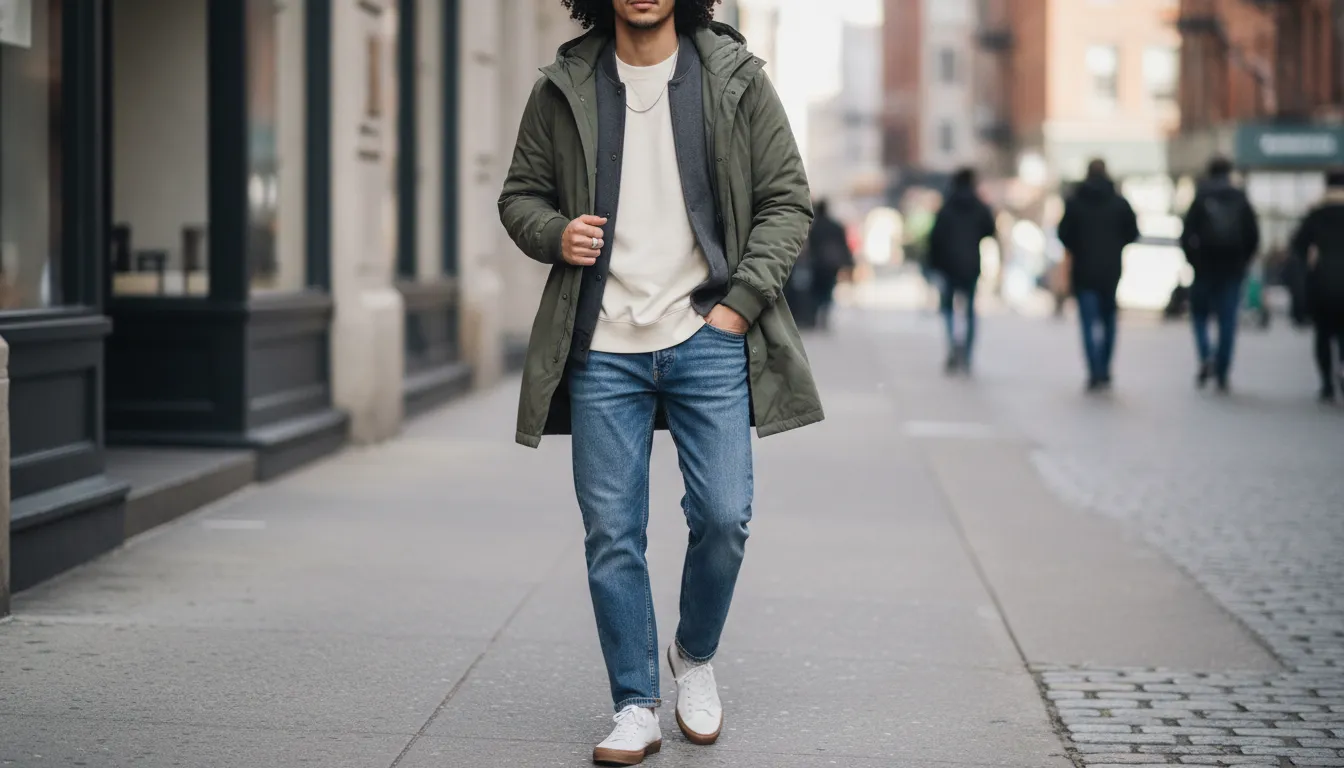
Street fashion became one of the clearest parts of Jay’s evolving wardrobe. Oversized hoodies, loose denim, varsity jackets, caps, and sneakers gave him a more natural presence away from the stage. These outfits felt easy to wear, but they still showed a strong sense of balance.
Jay’s street fashion rarely depends on one loud item. Instead, the interest comes from contrast. A loose jacket may sit over a fitted shirt. Heavy sneakers may ground a light-colored outfit. A plain base may gain character from a bag, cap, or silver jewelry.
This approach works well for fans because many of the pieces can be adapted for daily life. It also reflects a wider movement in fashion. K-pop performers now move between luxury styling, sportswear, vintage references, and personal street looks with fewer limits.
“A strong outfit does not need to be loud. It needs to make the person wearing it feel clear.” — A useful principle reflected in Jay’s relaxed fashion image
His casual style also shows how confidence changes the effect of basic clothing. A sweatshirt and jeans can look plain on a hanger. With the right fit, posture, and accessories, the same outfit can appear intentional.
- Wide-leg denim adds movement and a modern line.
- Layered tops create depth without heavy decoration.
- Sneakers keep formal pieces grounded.
- Caps and bags add a personal street detail.
Stage Drama Meets Everyday Ease
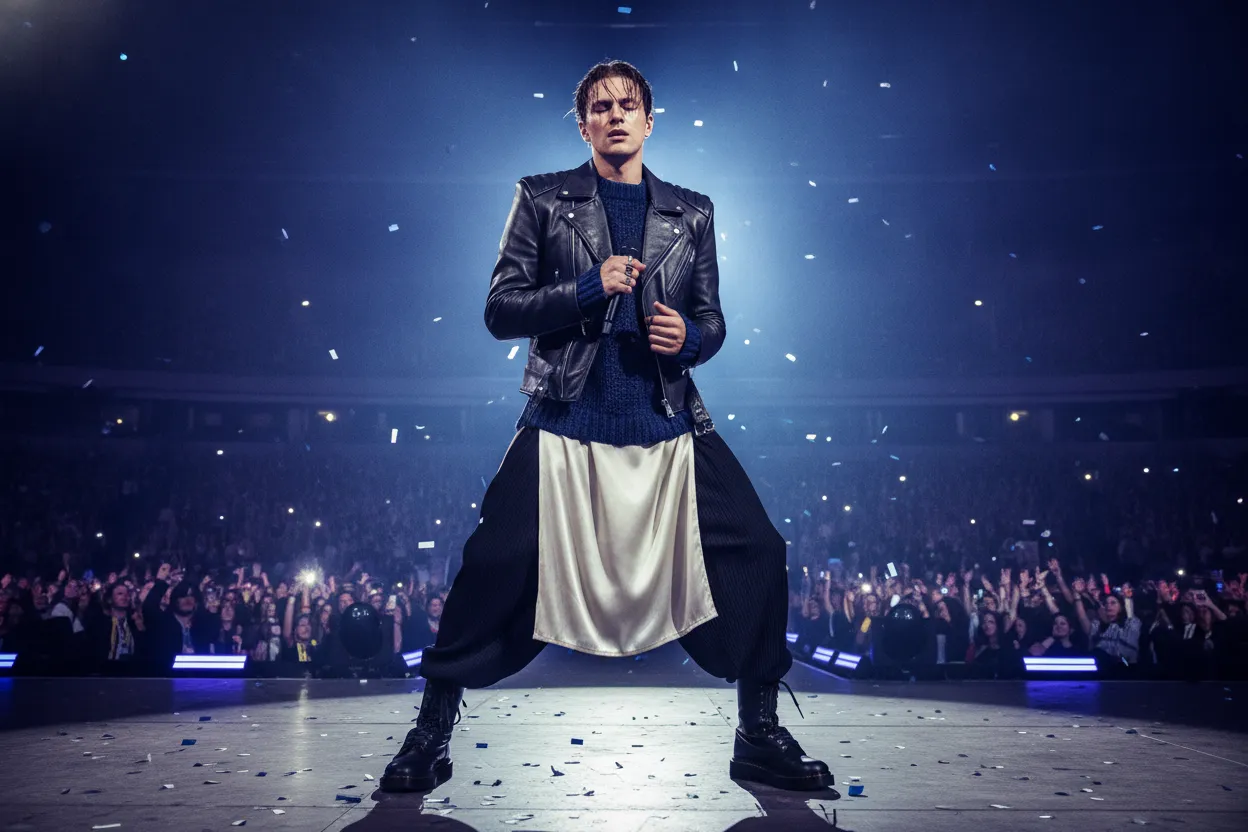
Jay’s strongest fashion quality is the connection between his stage and casual looks. Performance outfits may be more detailed, but they often keep the same foundations seen in his daily wardrobe: strong shoulders, practical layers, dark colors, and clean accessories.
On stage, the styling needs to work under bright lights and fast movement. Coats, harness details, gloves, boots, and metallic accents can make a silhouette visible from a distance. For Jay, these elements often support the music rather than distract from it.
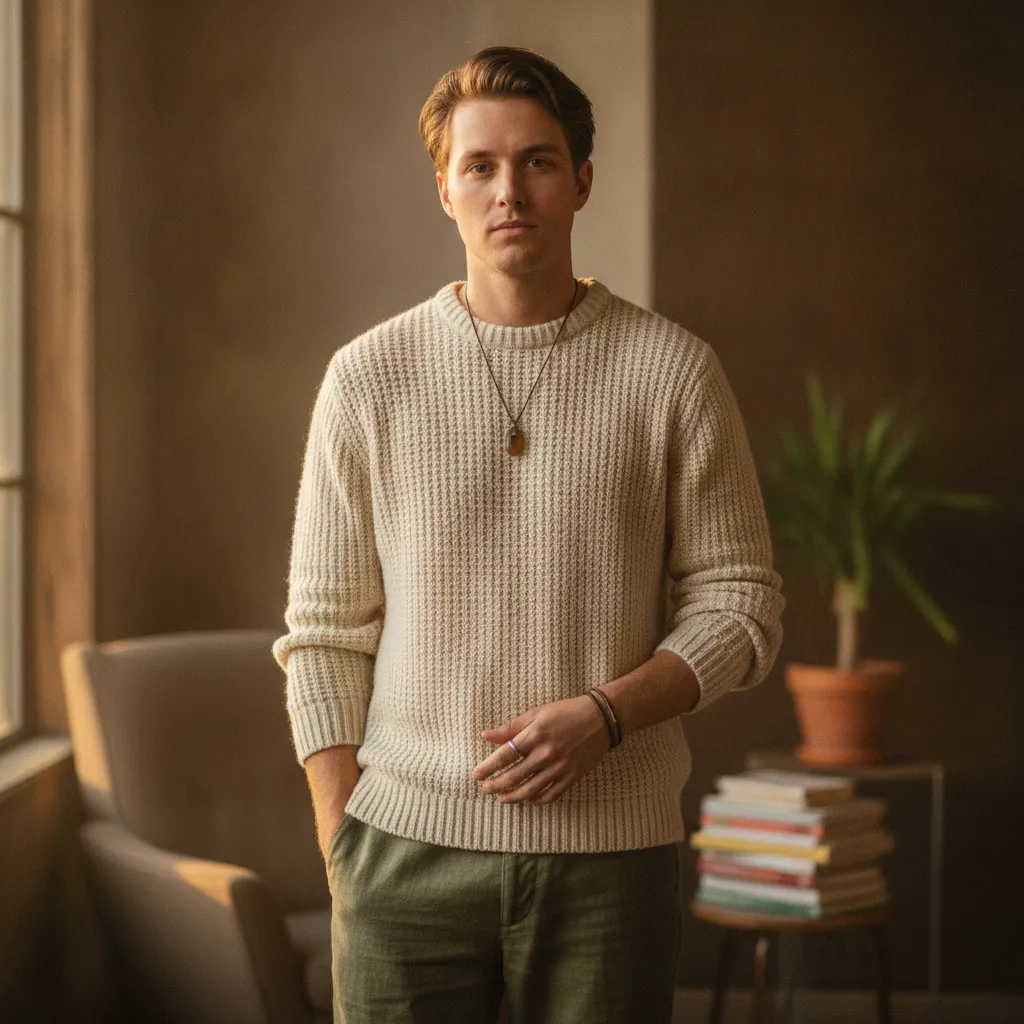
In casual images, the same confidence appears in a quieter form. A long coat replaces a performance jacket. A knit top replaces a decorated shirt. The mood becomes softer, yet the sense of control remains.
Stage language: strong contrast, sharp layers, dramatic textures, and accessories that catch light.
Casual language: relaxed denim, simple tops, practical jackets, sneakers, and natural color combinations.
This balance helps explain his appeal across different audiences. Fans can enjoy the transformation of each new concept while still recognizing Jay beneath the styling. His identity does not disappear when the clothes change.
Magazine Images, Global Trends, and Personal Taste
Jay’s fashion image has also grown through editorial photography. Magazine work allows a performer to show a different dimension from music videos and group promotions. The pose, lighting, and styling can become more experimental.
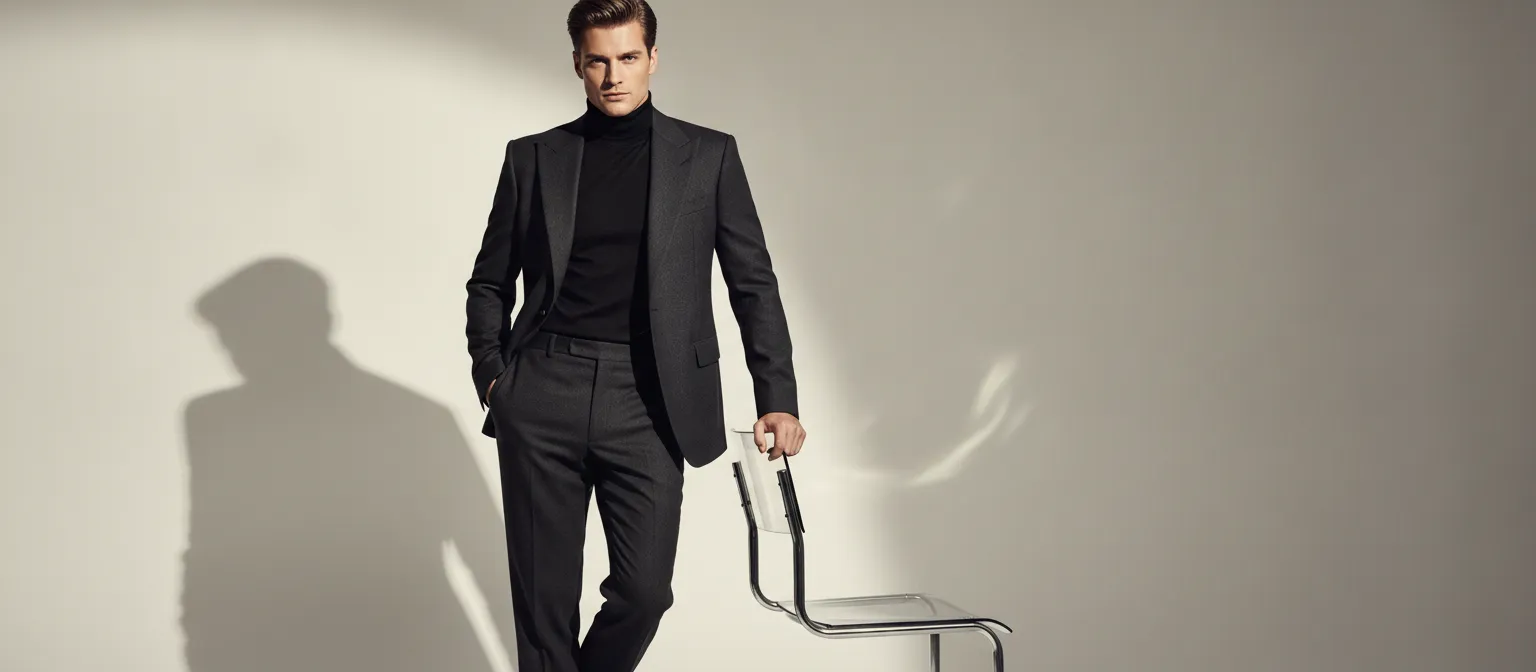
His visual appeal suits both classic and modern fashion. A tailored suit can highlight his refined side, while denim or leather can bring out a more rebellious edge. This range gives photographers and stylists room to build a fresh image each season.
Features connected with publications such as ELLE Japan also place his look within a wider fashion conversation. The focus is not only on clothing. It includes posture, expression, grooming, and the way a person carries a silhouette.
Jay’s influence comes from this complete approach. Fans often study an outfit for its jacket cut, color mix, or accessory choice. They may not copy the full look, but they can borrow one detail and make it their own.
To explore another visual discussion of his changing wardrobe, visit the reference article on Jay’s style evolution. Different photo archives may emphasize different eras, but together they show a clear pattern: his fashion grows more relaxed, confident, and intentional over time.
Jay’s Lasting Place in K-Pop Fashion
Jay’s style evolution is meaningful because it feels gradual. He has not abandoned his early polish. He has expanded it through street fashion, wider silhouettes, darker textures, and stronger personal details.
His best outfits often share three qualities:
- Balance: formal and casual pieces work together.
- Clarity: each outfit has a visible shape and mood.
- Adaptability: the same styling ideas work on stage and in daily life.
That combination has helped Jay become one of the memorable fashion figures among his generation of performers. His clothing supports the group’s concepts, yet it also communicates his individual taste.
From neat debut tailoring to confident street fashion, Jay’s wardrobe shows how a K-pop image can develop without losing its core. Every new season adds another dimension, but the central idea remains steady: clean structure, thoughtful detail, and confidence in the way each outfit is worn.