Swedish scientists have replaced chlorine in tap water with harmless predatory bacteria
A Swedish research team has tested predatory bacteria as a possible alternative to chlorine in tap water. The approach, described as replacing chlorine in tap water with harmless predatory bacteria, uses one microorganism to consume certain others. The reported experiment is promising enough to justify further study, but it does not establish a ready replacement for every public drinking water system.

According to the report cited by Phys.org, the scientists examined whether Bdellovibrio could reduce selected microorganisms in water without added chlorine. The six-month experiment found that the bacteria multiplied in the samples and consumed other microbes over time. This result suggests a possible biological treatment, not proof that municipal water providers can immediately stop chlorination.
The findings should also be interpreted narrowly. The study reportedly compared the method with chlorine under the tested conditions; saying that it performed “no worse” does not mean it controls every contaminant, pathogen, or waterborne disease. The result does not show that the process works at every chlorine concentration, microbial level, temperature, or flow rate. Further testing would be needed to determine whether it can protect people throughout a distribution network.
“Chlorine effectively inhibits the growth of bacteria, but there is a risk of negative effects from its by-products on health. Chlorine has been discussed in connection with cancer and fetal damage during pregnancy, so researching alternatives is relevant,” said study co-author Catherine Paul.
This statement describes the research rationale and possible concerns about disinfection by-products; it should not be read as evidence that ordinary chlorinated water causes these outcomes. Health questions may also involve taste, odor, skin, exposure, chemicals, or contaminants, and they require context rather than broad claims.
Other water-treatment methods already exist, including ultraviolet lamps, biofilters, activated carbon, and boiling. Their performance, cost, energy use, maintenance needs, and environmental effects differ. A carbon filter may address taste and odor, while ultraviolet treatment targets susceptible microorganisms; neither option should automatically be treated as a universal substitute for municipal chlorine. Reverse osmosis, gas-related contaminants, surface conditions, and the treatment goal may require separate evaluation. The next section explains how the proposed biological method is intended to work.
How replacing chlorine in tap water with harmless predatory bacteria is described
Chlorine is used in many drinking-water treatment systems because it can inhibit the growth of certain bacteria and help control microorganisms as water moves through pipes. This continuing protection is important because water can encounter new contamination after it leaves a treatment plant. A complete treatment method must therefore address more than water at the plant outlet. It must support safe delivery through storage tanks, distribution lines, and household taps, while meeting applicable public-health requirements.
The reported approach uses a different mechanism. Instead of relying only on a chemical disinfectant, it uses Bdellovibrio, a type of predatory bacteria that enters and consumes certain other bacteria. In plain English, these organisms act as biological predators of selected microbial hosts rather than as a chemical added to the water. The source describes them as harmless in the context of the experiment, but that description should not automatically be extended to every water source, treatment system, or exposure scenario.
The proposed role of Bdellovibrio is biological control. The organisms multiply under suitable conditions and may reduce some target bacteria over time. That does not mean they remove chlorine, dissolved chemicals, viruses, parasites, or every type of contaminant. It also does not establish control of all pathogens or waterborne diseases. A method can reduce selected bacteria in a test sample without meeting the regulatory requirements for complete municipal drinking-water treatment.
This distinction matters when people compare chlorine tap water with other options. Chlorine water treatment is designed to manage microorganisms, including during movement through a distribution network. By contrast, a home filter may address a narrower goal, such as taste, odor, or a particular chemical. Activated carbon, carbon filters, surface carbon, reverse osmosis, boiling, ultraviolet treatment, and other systems each have different functions. None should be described as a universal way to remove chlorine or replace municipal disinfection without evidence for the specific use.
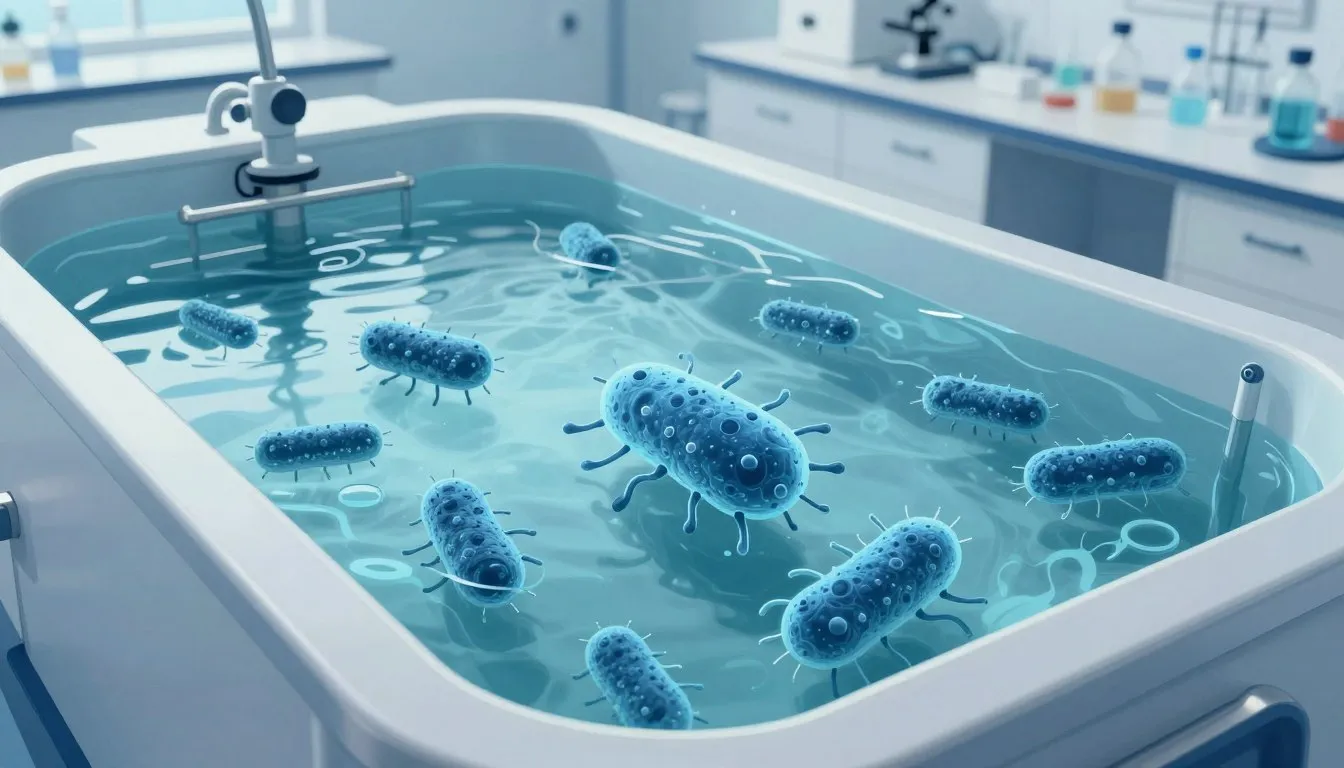
The reported experiment lasted six months. According to the supplied report, samples without added chlorine were observed over a period of months, during which Bdellovibrio multiplied and consumed other microbes. The report also describes the use of small filters alongside the biological process. The important finding is that microbial activity by the introduced organisms was observed under the tested conditions. It is more precise to describe this as a reduction or consumption of certain microorganisms than to say that the bacteria purified all the water.
The exact meaning of the result depends on what the researchers measured. A full assessment would need to identify the target organisms, the sampling schedule, the starting microbial level, the chlorine concentration, the number of days between samples, and the final results. It would also need to show whether the observed changes involved disease-causing pathogens or a broader group of environmental bacteria. The available article does not provide enough technical detail to determine whether the test measured viable organisms, total microbial counts, specific contaminants, or another endpoint.
Time is a significant part of the claim. A process that changes as bacteria multiply may behave differently from a treatment step designed to act quickly. Water temperature, nutrient availability, flow, storage conditions, pipe materials, and the starting level of contaminants could all affect performance. Seasonal changes, interruptions, maintenance, and the presence of other chemicals may also alter the process. Factors such as gas exchange, surface materials, and the surrounding environment could be relevant, but the available report does not explain how each variable was controlled.
The approach also raises practical questions about filters. The small filters may have removed some organisms or particles, supported the treatment process, or helped researchers maintain the test conditions; their precise role should be confirmed from the original study. A household filter is not automatically equivalent to the reported experimental equipment. Activated carbon and carbon filters can serve different purposes from biological treatment, while reverse osmosis relies on membrane separation rather than predation. Maintenance is important for all systems because a filter may lose effectiveness when it is not replaced or operated as specified.
The wording requires care. Saying that the bacteria performed “no worse” than chlorine refers only to the reported comparison in the experiment. It does not mean the biological method has been shown to control every pathogen, contaminant, or waterborne disease under every operating condition. Nor does it show that people should change a household treatment system, remove chlorine from tap water, or assume that chlorine tap water is unsafe. Claims about health, skin, exposure, or possible disease effects require separate evidence and should not be inferred from this experiment.
Before a biological method could be considered for public drinking water, researchers and authorities would need to test its stability, define its operating limits, and establish procedures for detecting failure. They would also need to examine interactions with other bacteria, effects on pipes and filters, performance against relevant pathogens, and the treatment’s behavior during changes in flow or contamination. These checks would determine whether the process can provide reliable protection rather than only reproduce a result in a controlled setting.
- The reported experiment ran for six months.
- The tested water did not contain added chlorine during the described observation.
- Bdellovibrio multiplied and consumed certain other microbes in the samples.
- Small filters were used alongside the proposed biological treatment process.
- The reported comparison does not establish control of every pathogen, contaminant, or waterborne disease.
- The method remains a possible alternative for communal services, not an approved universal replacement for chlorine.
How household filters compare with municipal chlorine treatment
Household filtration and municipal drinking water treatment address related but different needs. A person may want to improve the taste or odor of tap water, reduce a known contaminant, or understand possible health concerns. A public utility, however, must control microorganisms throughout its distribution system and maintain safe water from the treatment plant to every tap. The right method depends on the water source, treatment goal, test results, maintenance requirements, and applicable local rules.
People searching for ways to remove chlorine from chlorine tap water should first identify what they want to change. Reducing taste or odor is not the same as removing a disinfectant residual that helps protect water while it travels through pipes. A home filter may address a specific concern, but it does not automatically replace municipal treatment or make every source of water safer.
The main options have different roles. Activated carbon and carbon filters are commonly used for chlorine taste and odor and may reduce some chemicals, depending on the product and operating conditions. Reverse osmosis uses a membrane to separate selected dissolved substances and may require pressure, maintenance, and management of reject water. Boiling can be useful as a short-term household measure for some microbial risks, but it does not remove most chemicals and is not a solution for an entire municipal distribution network. Ultraviolet treatment can inactivate susceptible microorganisms at the treatment point but generally does not leave a persistent protective residual in pipes.
| Method | Primary role | Important limitation |
|---|---|---|
| Chlorination | Controls susceptible microorganisms and can protect water through distribution. | Requires regulated dosing, monitoring, and management of disinfection by-products. |
| Activated carbon and carbon filters | May reduce chlorine taste, odor, and some selected chemicals. | Requires replacement and does not automatically provide ongoing microbial disinfection. |
| Reverse osmosis | Separates selected dissolved substances through a membrane process. | Needs pressure and maintenance and may produce reject water. |
| Boiling | Short-term household microbial-risk reduction in appropriate situations. | Does not remove most chemicals and cannot treat a municipal distribution system. |
| Ultraviolet treatment | Inactivates susceptible microorganisms at the treatment point. | Usually does not provide a continuing residual in pipes and depends on correct operation. |
| Predatory-bacteria approach | Experimental biological control of selected bacteria. | Requires further testing, monitoring, safety evidence, and regulatory review. |
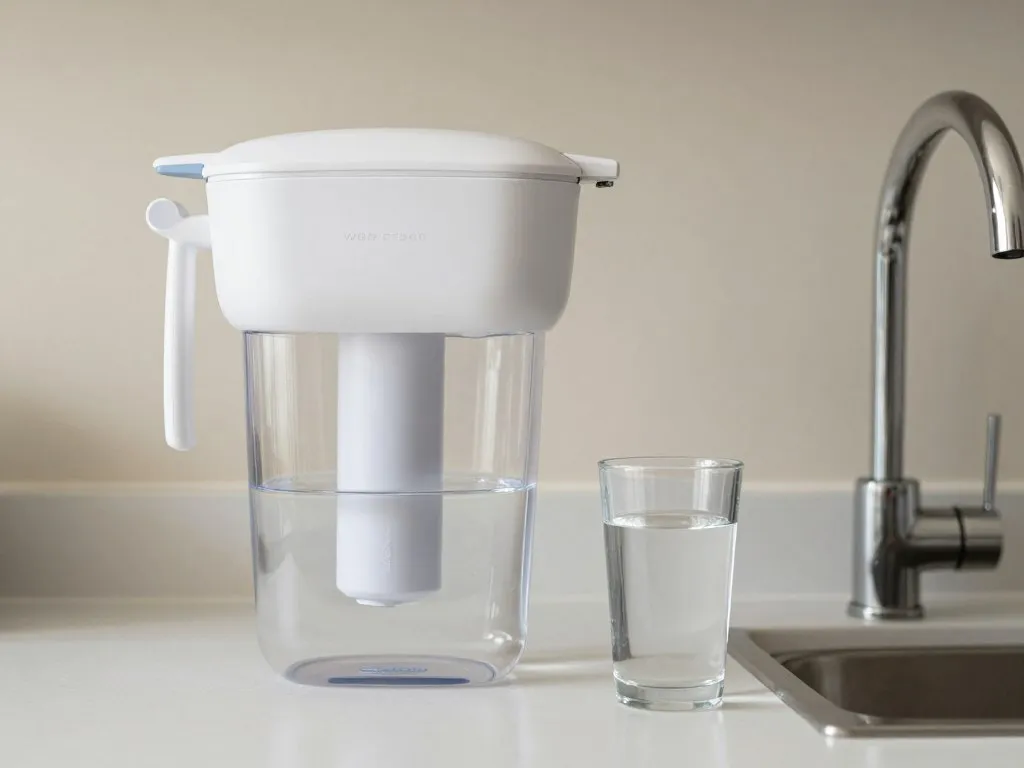
The comparison shows why no single product or process is suitable for every water source. A carbon filter may reduce chlorine in a glass of tap water, while a municipal system uses chlorine to manage microbial risks over time. A household device may also affect the concentration of a selected substance without addressing bacteria, viruses, parasites, or other contaminants. The performance of any filter depends on its carbon or membrane design, contact time, flow rate, replacement schedule, and the level of contaminants in the water.
Health questions should be handled separately from treatment claims. People may ask whether chlorine water affects the skin, gut bacteria, or general health, but those questions require evidence about dose, exposure, duration, and individual circumstances. Chlorinated tap water is not automatically unsafe, and removing chlorine is not automatically beneficial. Claims about cancer, fetal development, skin effects, or disease should not be inferred from taste, odor, or a single test.
Readers can take a neutral approach before changing a system. First, identify whether the concern involves taste, odor, a specific chemical, bacteria, or another contaminant. Next, review the local utility’s water-quality information. People using a private well or facing a known concern should arrange appropriate test results from a qualified laboratory. A professional can then help interpret the results and compare treatment systems without promising to remove every contaminant.
The most useful next step is continued evaluation of the evidence. Researchers would need to compare the biological process with existing systems across different water conditions, flow rates, temperatures, microbial communities, and operating periods. They would also need to assess environmental effects, interactions with pipes and filters, failure detection, and the response time available if the treatment stopped working. Until those questions are answered, the predatory-bacteria approach remains an interesting research direction rather than an established replacement for chlorine in public drinking water.
The central implementation question is whether this biological process can remain reliable outside a controlled experiment. A laboratory or pilot system can monitor samples closely, but a municipal drinking water system must manage changing flow, seasonal conditions, interruptions, maintenance, and variable contamination levels. It also needs reliable procedures for detecting failure, protecting public health, and responding quickly when results fall outside the required range.
The available source does not provide enough information to judge the method’s complete safety profile. It describes Bdellovibrio as harmless in the reported context, but wider use would require evidence about long-term stability, interactions with other bacteria, effects on pipes and filters, and performance against relevant pathogens. Authorities would also need regulatory standards for routine monitoring, sampling, recordkeeping, public communication, and emergency response. A six-month observation is useful evidence, but it does not establish that the process will work for years across every water system.
This distinction matters to people searching for ways to remove chlorine from tap water. Someone at home may want to reduce chlorine taste or odor, while the Swedish research concerns a possible system-level treatment process. These are related subjects, but they involve different risks and decisions. Reducing chlorine in a glass of chlorine water is not the same as eliminating the disinfectant residual that can protect water as it moves through a public distribution network.
- Define the goal: taste, odor, microbial control, or a specific contaminant.
- Review utility information, and test the source water when using a private well or investigating a known concern.
- Compare treatment options using measured test results, not broad health claims.
- Check maintenance, monitoring, replacement, and failure-response requirements.
- Separate early research from methods approved for routine drinking water treatment.
Testing can provide useful information, but a single result does not prove that all water is safe or identify the best treatment by itself. A qualified laboratory or water-treatment professional may need to consider the source, chlorine concentration, microbial level, chemicals, flow, storage, and the intended use. People should not spend money on a filter simply because an article mentions a possible health concern. A filter should be selected for a verified treatment goal, and its performance should be checked over time.
Health claims also require careful language. Questions about cancer, fetal development, gut bacteria, skin, exposure, or disease should be supported by appropriate evidence and should not be presented as established effects of ordinary chlorine tap water. The concentration and duration of exposure matter, as do differences between public water, stored building water, private wells, and water treated at home. Neutral wording helps readers understand the limits of the evidence without turning an unresolved research question into a medical claim.
The proposed approach may eventually be relevant to communal water services, but the source supports only a narrower statement: a six-month experiment reported microbial activity by Bdellovibrio in water without added chlorine, with small filters included in the process. The reported results do not show that the method controls every contaminant, pathogen, or waterborne disease. They also do not show that people should change an established treatment system or remove chlorine from tap water.
For readers comparing home treatment options, activated carbon, carbon filters, reverse osmosis, boiling, ultraviolet treatment, and biological processes have different roles and limitations. A carbon filter may reduce selected substances, while boiling can serve as a short-term measure in specific situations; neither is a universal replacement for regulated municipal treatment. The correct method depends on the water source, target contaminant, test results, maintenance schedule, environmental effects, and local requirements. A household filter can also lose effectiveness if it is not replaced according to the manufacturer’s instructions.
The most useful next step is to review local utility information, obtain appropriate laboratory results where necessary, and consult a qualified professional before changing a water system. Any product or assessment recommendation should explain what it evaluates, what it costs, how long the process takes, and which contaminants it can address. It should not promise to remove every chemical or imply that chlorine water is automatically unsafe.
Conclusion: a promising experiment, not a universal chlorine replacement
The reported Swedish experiment presents Bdellovibrio as a possible biological alternative to chlorine, based on observations collected over six months and combined with small filters. The approach is scientifically interesting, but its suitability for widespread municipal drinking water treatment remains a separate question requiring additional evidence, testing, monitoring, and operational standards. The available findings do not yet establish a universal replacement for chlorine.