The largest rocket in history, the "Starship", exploded after launch

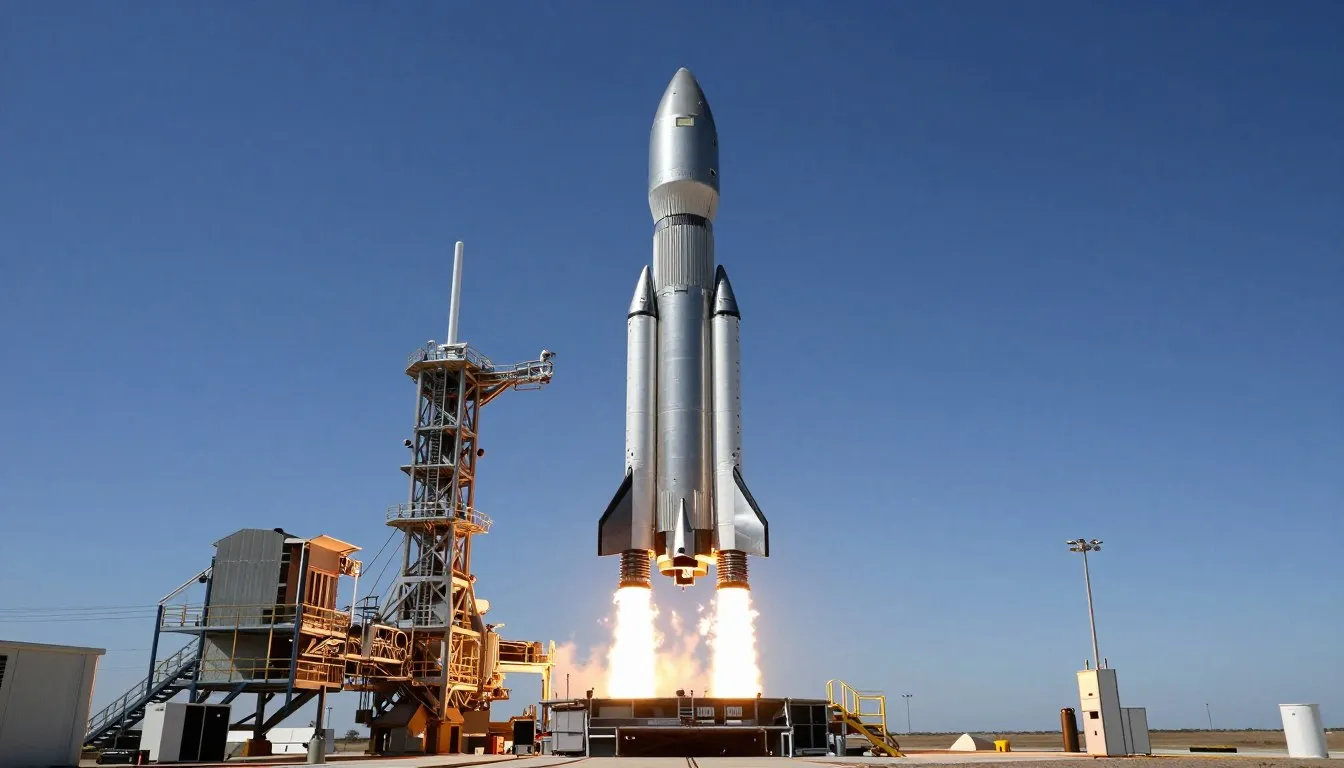
On April 20, 2023, SpaceX Starship lifted off from Boca Chica, Texas, in front of a global audience. The rocket climbed into the sky, but the mission ended in an explosion about four minutes into flight. The failure was dramatic, yet the test produced valuable data for one of the most ambitious programs in spaceflight.
The launch sequence and the planned flight path
Starship is made of two main parts: the Super Heavy booster and the upper-stage spacecraft, often called Ship. Together, they form the largest and most powerful rocket ever flown at the time of the test.
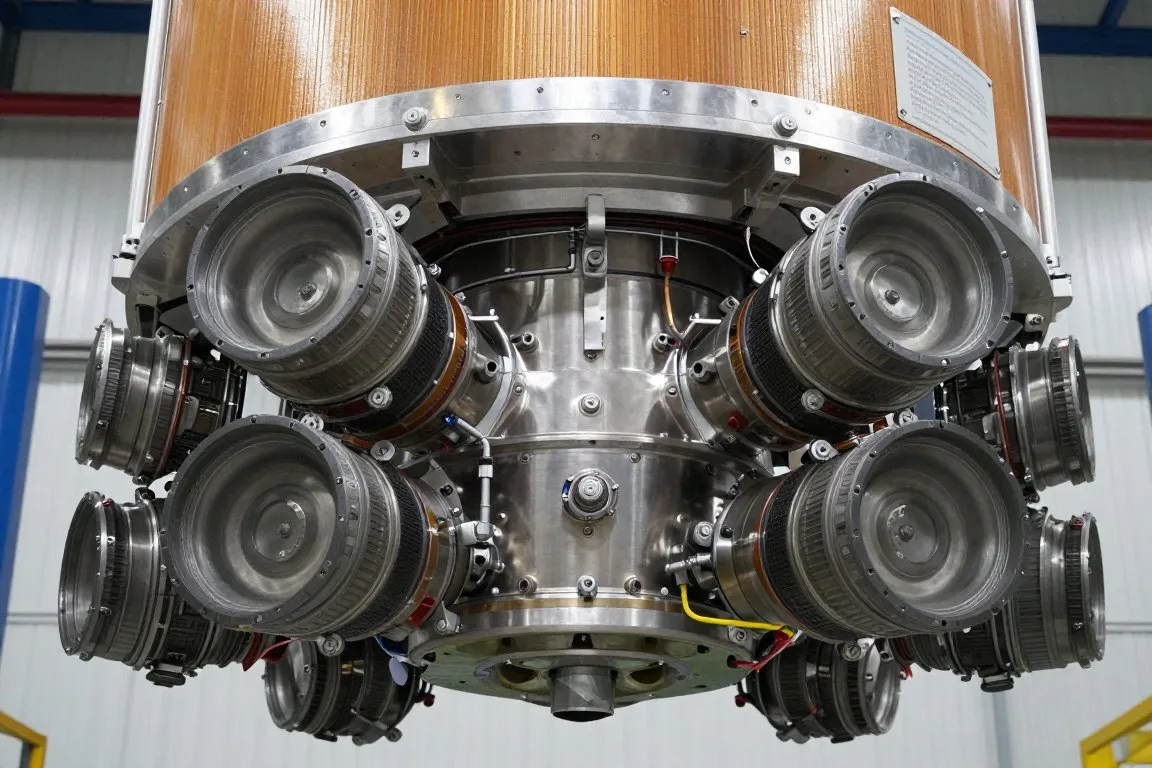
The Super Heavy booster used 33 Raptor engines. These engines burned liquid methane and liquid oxygen, known as methane-oxygen propellant. The booster was intended to separate from the spacecraft and eventually make a controlled landing in the Gulf of Mexico.
The upper stage would then continue toward space. It was not expected to reach orbit on this flight. Instead, the test called for a partial trip around Earth before the spacecraft would enter the atmosphere over the Pacific Ocean near Hawaii.
| Flight phase | Planned action | Observed result | Test value |
|---|---|---|---|
| Liftoff | All major systems begin powered flight | Rocket cleared the launch site | Confirmed basic launch capability |
| Ascent | Climb under engine control | Starship reached the sky with several engines affected | Provided engine and vehicle data |
| Stage separation | Super Heavy separates from Ship | Separation did not occur as planned | Exposed control and sequencing risks |
| Flight termination | Vehicle continues its test path | Vehicle entered an uncontrolled spin and broke apart | Supported later investigation and redesign |
The incident in the sky
The rocket began to experience trouble during ascent. Public flight data and video showed that some engines were not operating normally. The vehicle also appeared to lose a clean flight attitude as it moved higher above the ground.
Instead of separating into two vehicles, the stages remained connected. The rocket then began to rotate. After several minutes, SpaceX ended the flight by activating the flight termination system. The vehicle broke apart over the Gulf, creating a large cloud of debris.
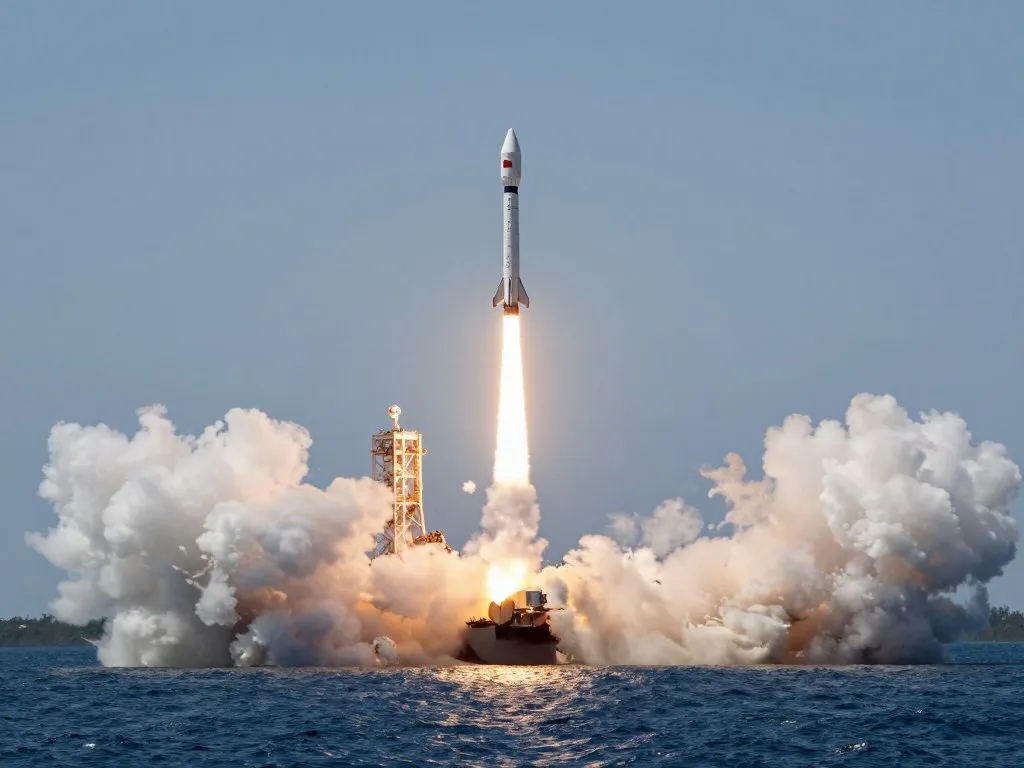
The phrase rapid unscheduled disassembly became widely associated with the event. It is an informal aerospace expression for an unplanned breakup. It does not identify a single technical failure. A complete explanation required a formal investigation of the engines, vehicle structure, flight-control system, and launch site.
SpaceX said the flight achieved several important objectives before the explosion. The rocket left the ground, generated useful flight data, and tested the interaction between the Super Heavy booster and the spacecraft. The company also said that the next test would benefit from lessons gathered during the failure.
“Learned a lot for next test launch in a few months.” — Elon Musk, commenting after the flight test
Technical context behind the failure
The first integrated flight test combined two new vehicles in a single operation. That made the mission more complex than a test of a standalone rocket. The engines had to start and operate together, the control system had to manage a very large vehicle, and the stages had to separate at the correct time.
Reports also described damage around the launch facility. The force of liftoff scattered concrete and other material across the surrounding area. Debris reached nearby land and water, raising concerns about environmental effects and site protection.

It is important to separate confirmed facts from interpretation. The explosion was confirmed. The loss of stage separation was visible. However, the exact chain of events could not be established from video alone. Officials and engineers needed inspection records, telemetry, and recovered debris to determine the primary cause.
- Confirmed: the rocket launched and flew for several minutes.
- Confirmed: the stages did not separate normally.
- Visible: the vehicle entered a rotation before breakup.
- Uncertain: which failure began the sequence of problems.
The larger meaning for reusable spaceflight
Starship was designed for repeated use. The Super Heavy booster would return to Earth, while the spacecraft would support future flights to orbit, the Moon, and Mars. Reusability could reduce launch costs and allow more frequent missions, but it also creates demanding engineering requirements.
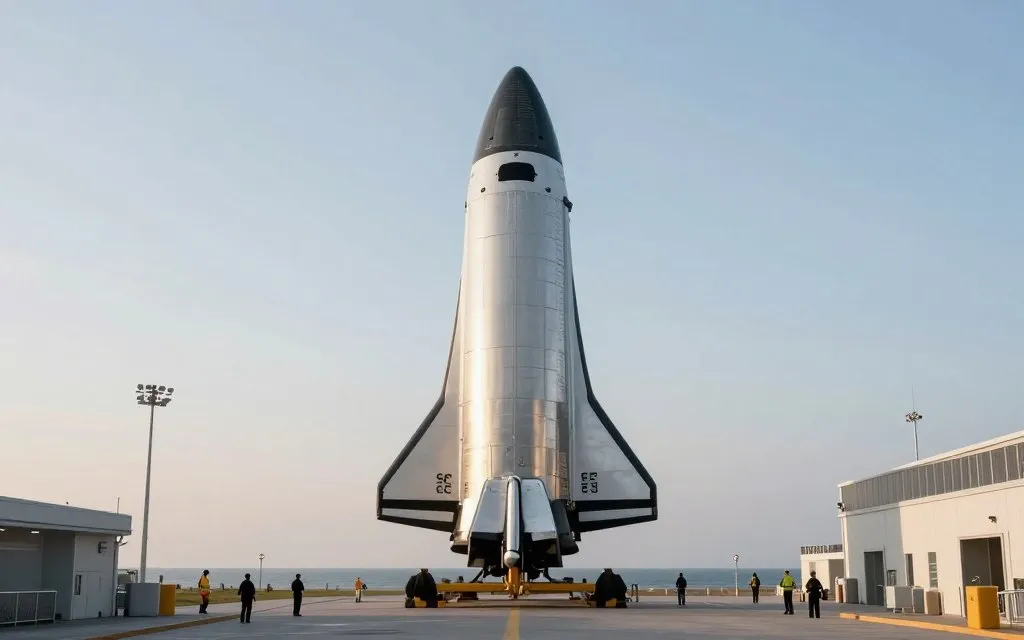
A reusable rocket must survive launch loads, intense heat, engine vibration, staging, reentry, and landing. Each successful test reduces uncertainty. Each failure can reveal weaknesses before astronauts or expensive payloads are placed aboard.
The 2023 mission was not a commercial delivery flight, and no crew were aboard. Its purpose was to test the complete system in real conditions. For SpaceX, the result was a setback, but not the end of the program.
The event also showed the value of controlled testing. Ground systems, flight control, engine performance, and debris management all became part of the development challenge. Future flights would need stronger site protection, improved vehicle control, and a more reliable separation sequence.
Starship’s first flight test ended with an explosion, but it also marked a major step in heavy-lift development. The mission demonstrated the power of the Super Heavy booster and exposed the risks of combining a new rocket, spacecraft, and launch site. In reusable spaceflight, progress often comes through repeated flights, careful investigation, and steady design changes.
