The first ever methane-powered rocket launched in China

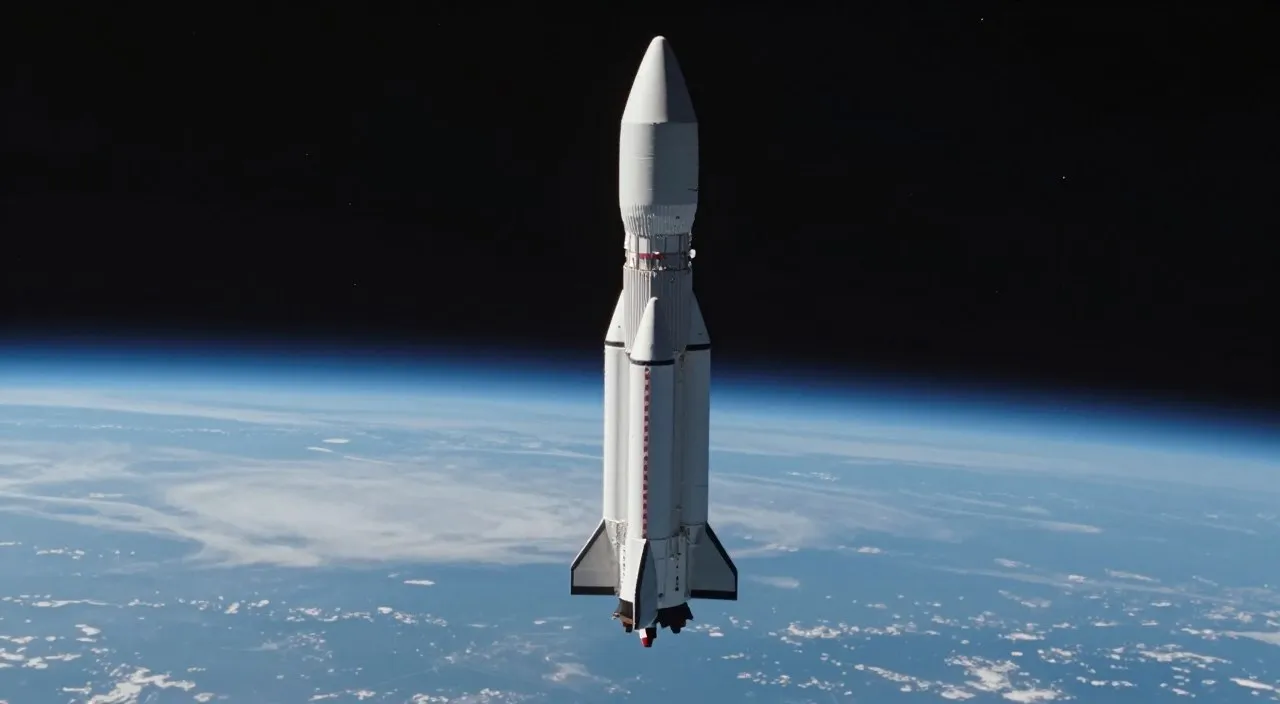
China’s first-ever methane-powered rocket launch marked a turning point in the race for cleaner and more flexible access to space. On July 12, 2023, LandSpace sent its Zhuque-2 carrier rocket into orbit from the Jiuquan Satellite Launch Center in northwest China.
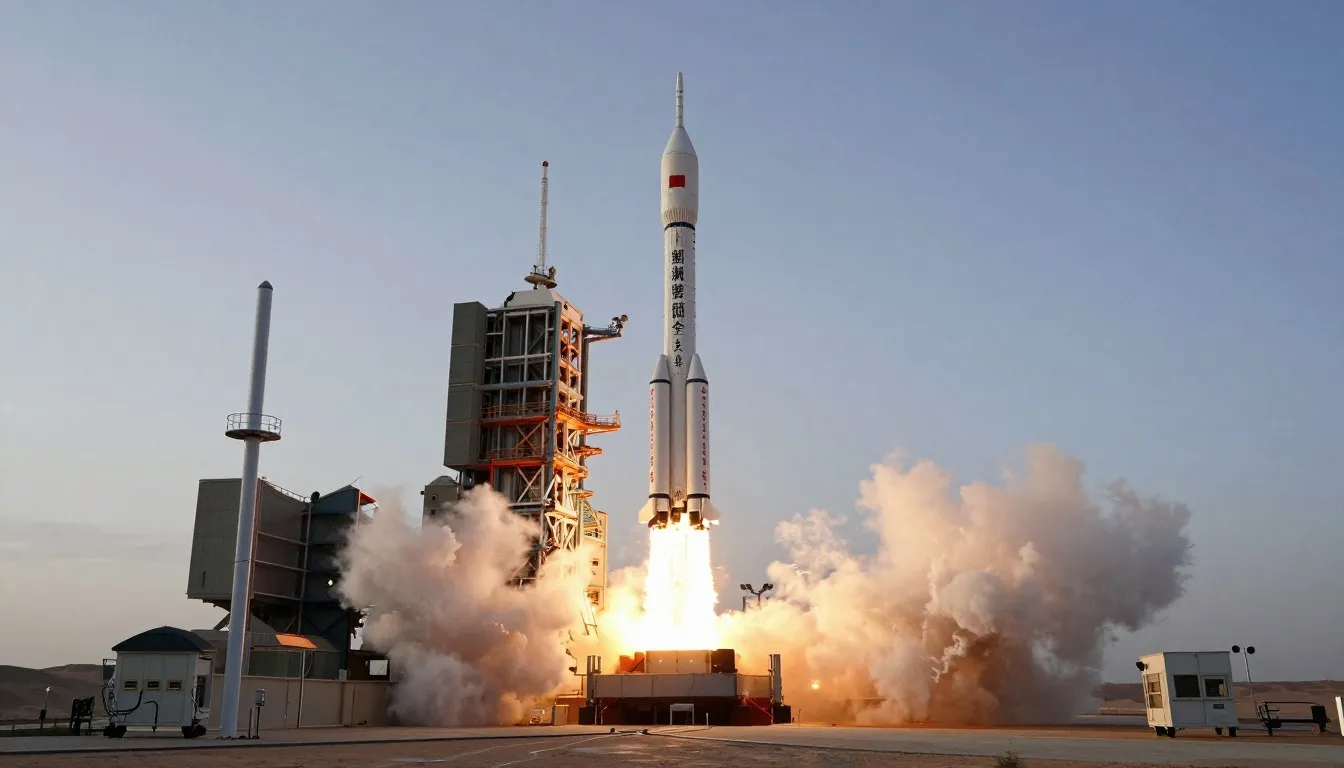
The flight succeeded after an earlier test failed in December 2022. That second attempt made Zhuque-2 the world first methane-fueled rocket to reach orbit. The achievement placed China LandSpace among the companies shaping the next generation of commercial spaceflight.
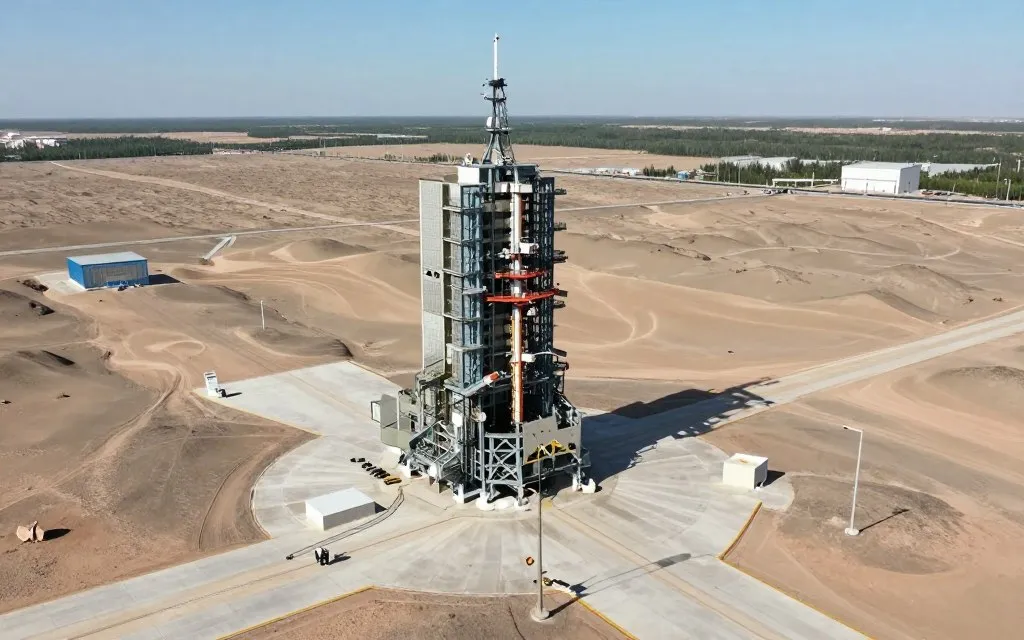
Rocket design and flight Zhuque-2
Zhuque-2 measures about 49.5 meters in length and weighs roughly 216 tons. Its engines burn liquid methane and liquid oxygen. Together, these propellants create the energy and thrust needed to lift a heavy carrier rocket from Earth.
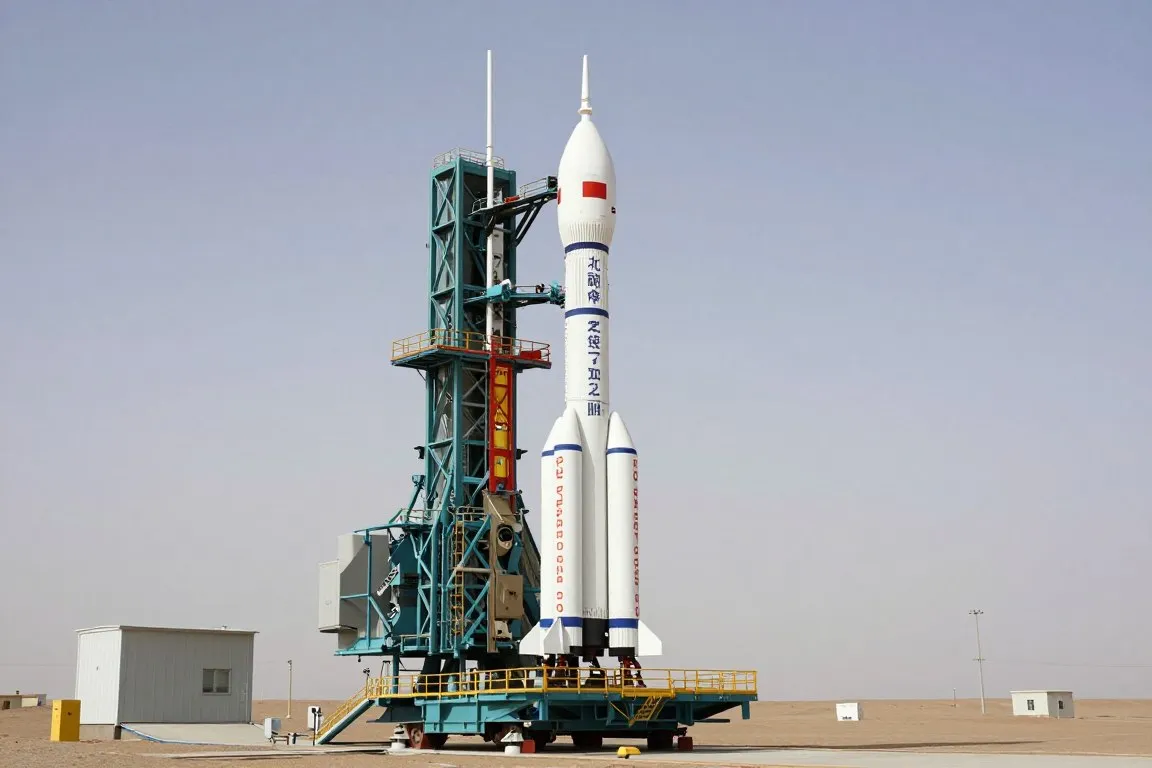
The mission carried no major commercial satellite payload. Its primary purpose was to test the rocket’s propulsion system, guidance systems, stage separation, and ability to complete an orbital flight. Reaching orbit was the central goal.
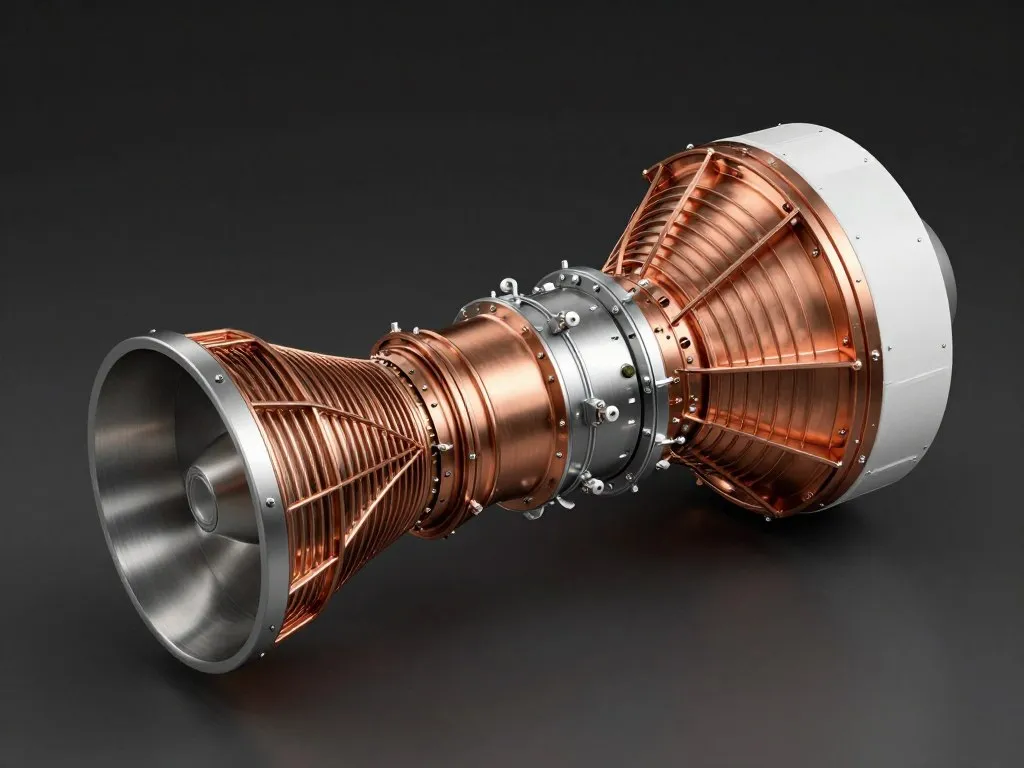
The successful launch showed that methane engines can move beyond laboratory demonstrations. It also gave LandSpace valuable flight data for future development. In aerospace, a single test can reveal problems that ground trials cannot fully reproduce.
| Feature | Zhuque-2 2023 mission | Reusable rocket direction | Reader takeaway |
|---|---|---|---|
| Primary fuel | Liquid methane | Methane or other low-residue fuels | Fuel choice affects engine maintenance |
| Oxidizer | Liquid oxygen | Liquid oxygen is widely favored | Oxygen supports high-performance combustion |
| Mission focus | Orbital test flight | Frequent launches and recovery | Orbit was proven before reuse |
| Payload role | Technology demonstration | Commercial satellites and cargo | Future flights can target paying customers |
Methane fuel and the shift toward cleaner spaceflight
Methane has attracted attention from rocket companies across the world. It burns with less soot than kerosene, which can reduce residue inside an engine. Cleaner combustion may simplify inspection and maintenance between launches.
Methane can also be produced from several sources. That may help companies control fuel supply as their launch schedules grow. The propellant is not automatically cheap or simple to handle, but it offers a useful balance between performance, storage, and engine cleanliness.

SpaceX has developed the methane-fueled Starship system, while Blue Origin is working on methane engines for its New Glenn program. These projects show that the technology is part of a broad international trend, not a development limited to China.
“The successful launch of the Zhuque-2 represents a remarkable step forward in the development of commercial spaceflight.” — Summary of the significance reported by coverage of the LandSpace mission
- Lower residue: methane combustion can leave fewer deposits than kerosene.
- Long-term supply potential: methane is available through established energy networks.
- Reusable rocket designs: cleaner engines may support faster inspection cycles.
- Technical challenge: cryogenic fuel systems require advanced insulation and control.