Zuckerberg launches Twitter alternative
When Meta launched Threads in July 2023, it entered a market unsettled by Twitter’s ownership change and rebranding as X. The new app used Instagram’s network to attract users at remarkable speed. Its simple design focused on text posts, public conversations, and familiar creators.

What Threads is and how the app works
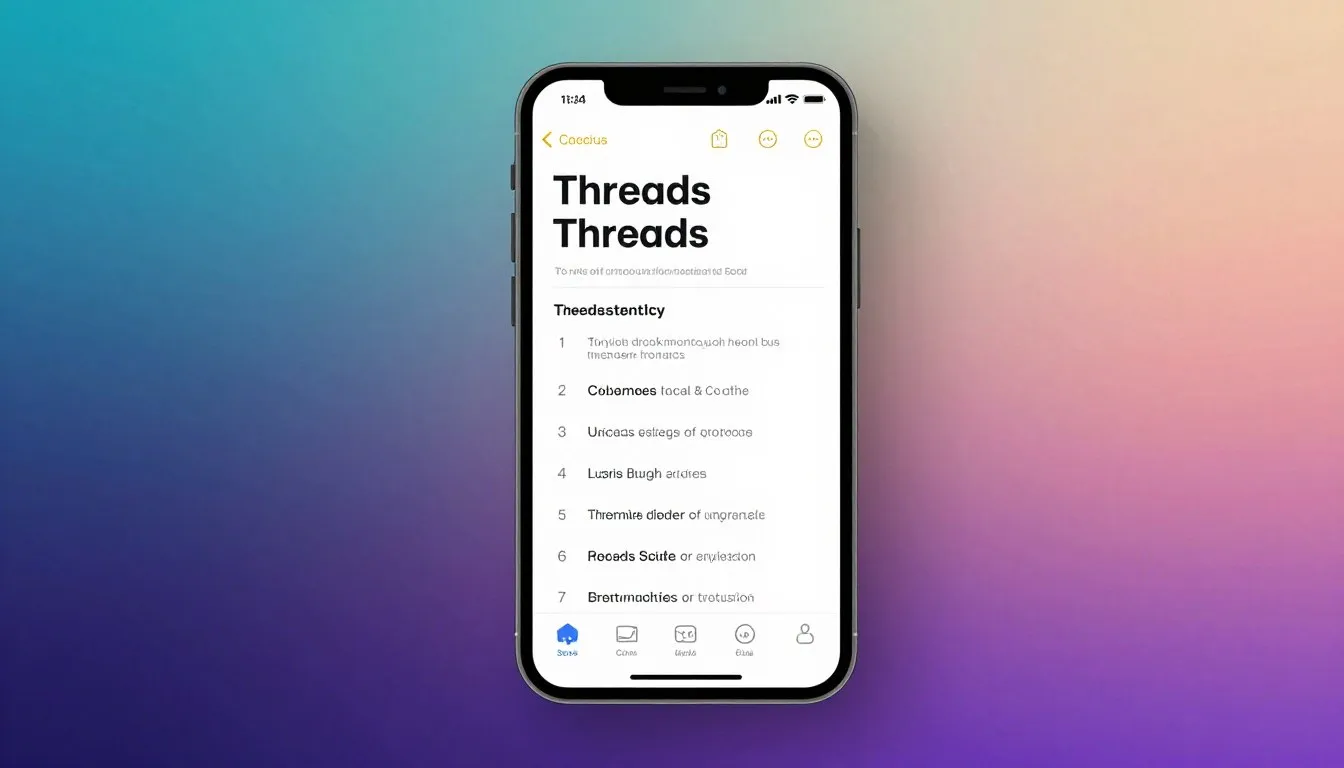
Threads is a text-based social media service created by Meta’s Instagram team. Users sign in with an Instagram account, choose whether to follow the same accounts, and publish short posts. The service launched with a 500-character limit, which gave users more room than Twitter’s original 280-character format.
Posts can include photos, links, and videos. Users can reply, repost, quote, and like content. The platform also supports mentions and controls for limiting replies, hiding offensive words, and managing unwanted interactions.
That Instagram connection is central to the product. New users can quickly find familiar accounts instead of starting with an empty feed. The connection also gives Meta a large built-in audience and a clear identity system.
Why Meta introduced Threads
Meta launched Threads during a period of uncertainty around Twitter. Elon Musk had acquired Twitter in 2022, and the service experienced major changes to verification, moderation, staffing, and advertising. Those shifts created an opening for competitors.
Meta already had the technical systems, advertising knowledge, and creator relationships needed to launch quickly. The company could also promote Threads through Instagram, where billions of people already had accounts.
For Meta, the opportunity was larger than copying a rival’s interface. A successful service could strengthen its social media portfolio, give creators another publishing channel, and create a future space for advertising. However, Meta initially said Threads would not carry ads while it focused on growth and user experience.
Early growth and the changing competition
Threads created immediate buzz. Meta said the app reached 10 million sign-ups within its first seven hours. It passed 30 million users by the following day and reached 100 million in less than a week. These figures counted sign-ups, not necessarily daily active users, so they should not be treated as proof of long-term engagement.
Growth later became more measured. Meta reported that Threads had more than 350 million monthly active users in early 2025. The figure showed lasting interest, although monthly activity does not reveal how often users post or read content.
The main competitors include X, Bluesky, Mastodon, and, in some areas, LinkedIn. Each platform serves a different culture. X remains important for breaking news and live commentary. Bluesky emphasizes user choice and a developing decentralized structure. Mastodon uses independent servers and a more technical model.
| Factor | Threads | X | Bluesky |
|---|---|---|---|
| Account entry | Instagram account | Standalone X account | Standalone account |
| Core advantage | Large creator network | Real-time news culture | User-controlled platform design |
| Post length | Up to 500 characters at launch | 280 characters for standard posts | 300 characters |
| Network model | Centralized Meta service | Centralized X service | Decentralized features in development |
“Threads reached 100 million sign-ups in less than a week.” — Meta, reporting its early launch milestone
Privacy, moderation, and the platform’s future
Threads benefits from Meta’s existing safety systems, but moderation remains a difficult task. A large public platform must manage harassment, spam, misinformation, impersonation, and coordinated abuse. Its rules and enforcement choices can shape whether journalists, brands, creators, and ordinary users stay active.
Privacy is another important consideration. Threads is connected to Instagram and operates within Meta’s wider data practices. Apple’s App Store privacy label identified categories of data that may be linked to users, including contact information, browsing history, identifiers, purchases, and usage data. The exact collection and use can vary by region and product setting.
The Instagram connection also created a notable account issue. At launch, deleting a Threads profile required deleting the linked Instagram account. Meta later introduced a way to deactivate a Threads profile and announced a separate deletion option. Users should still review account settings before joining or posting.
Meta also moved Threads toward the fediverse. In 2024, it began testing and expanding sharing with compatible ActivityPub services in selected locations. The feature allows some Threads posts to reach other participating services, but it does not make the entire platform fully decentralized.
Will Threads replace X?
There is no confirmed winner. Threads has scale, Instagram integration, and Meta’s financial resources. X has a deep archive of users, communities, journalists, and live-event conversations. Competitors such as Bluesky may appeal to people who want more control over identity and moderation.
Advertising will be a major test in the coming months. Meta has experience turning large audiences into revenue, but moving too quickly could damage the calmer culture that helped Threads gain attention. The company must balance growth, safety, creator incentives, and commercial pressure.

Conclusion
Threads gave Meta a strong entry into text-first social media and showed the power of an existing user network. Its launch figures were exceptional, but lasting success depends on daily engagement, useful conversations, privacy choices, and fair moderation.
The platform is best understood as a serious competitor rather than an instant replacement for X. Its future will depend on whether Meta can preserve user trust while expanding features, supporting creators, and deciding when advertising belongs in the experience.