Geneticists have explained why snakes have a slender body and no limbs

A snake looks simple at first glance: a long body, a narrow head, and no visible legs. Yet this shape reflects a complex history of gene activity, developmental change, and natural selection. The answer to why snakes have a slender body and no limbs is not that evolution removed one feature in a single step. It is a story of many small changes that reshaped the body plan.
How Evolution Built the Snake Body
Snakes are reptiles, but their ancestors were four-legged animals related to lizards. Over time, the snake body became longer while the limbs became smaller and less useful. The spine gained many vertebrae, giving the animal flexibility along its full length.
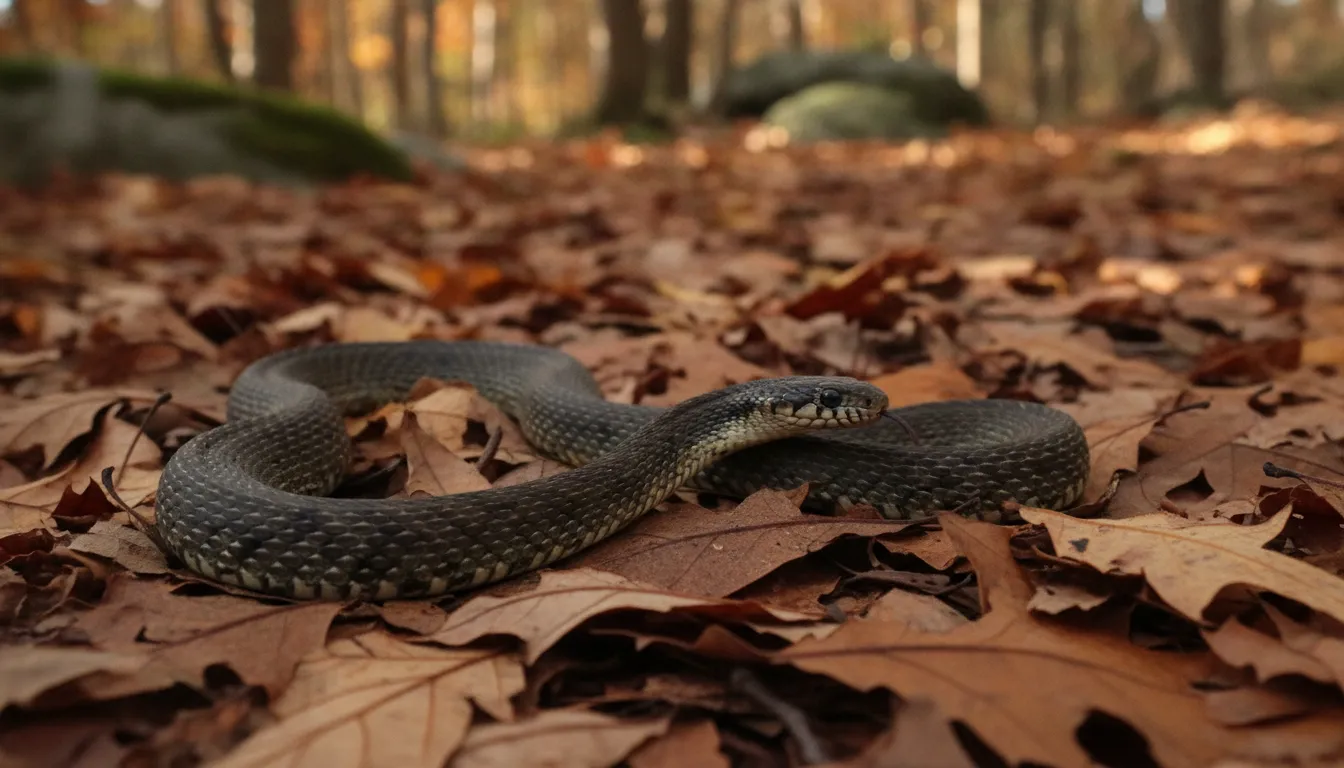
This design helped snakes enter narrow spaces. A long, slender body can pass through cracks, dense plants, loose soil, and underground tunnels. It also creates a large surface for muscles and scales that push against the ground. These benefits mattered to animals that hunted in habitats where ordinary legs were less effective.
| Body feature | Developmental or structural change | Likely advantage |
|---|---|---|
| Long trunk | More vertebrae and extended torso growth | Greater flexibility and reach |
| Reduced limbs | Changed limb development and enhancer activity | Better travel through tight spaces |
| Belly scales | Broad, patterned scales under the body | Traction during forward movement |
| Flexible ribs | Many ribs attached to an elongated spine | Support for muscles and locomotion |
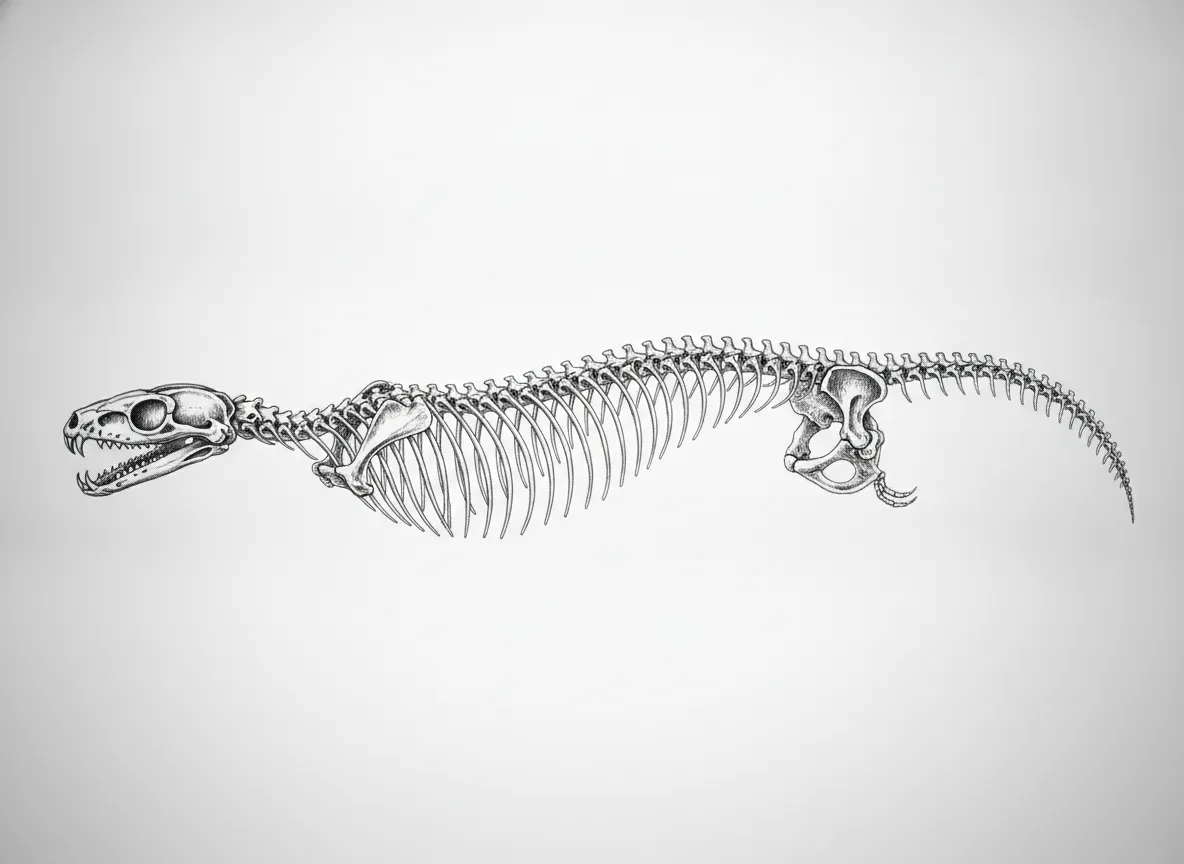
Not every snake has the same body. Some species are short and thick, while others are extremely narrow. A python may be muscular and heavy, whereas a tree snake can be thin and agile. Marine snakes often have flattened tails that help them swim. Evolution shaped the same basic plan in different ways.
What Genes Reveal About Limb Development
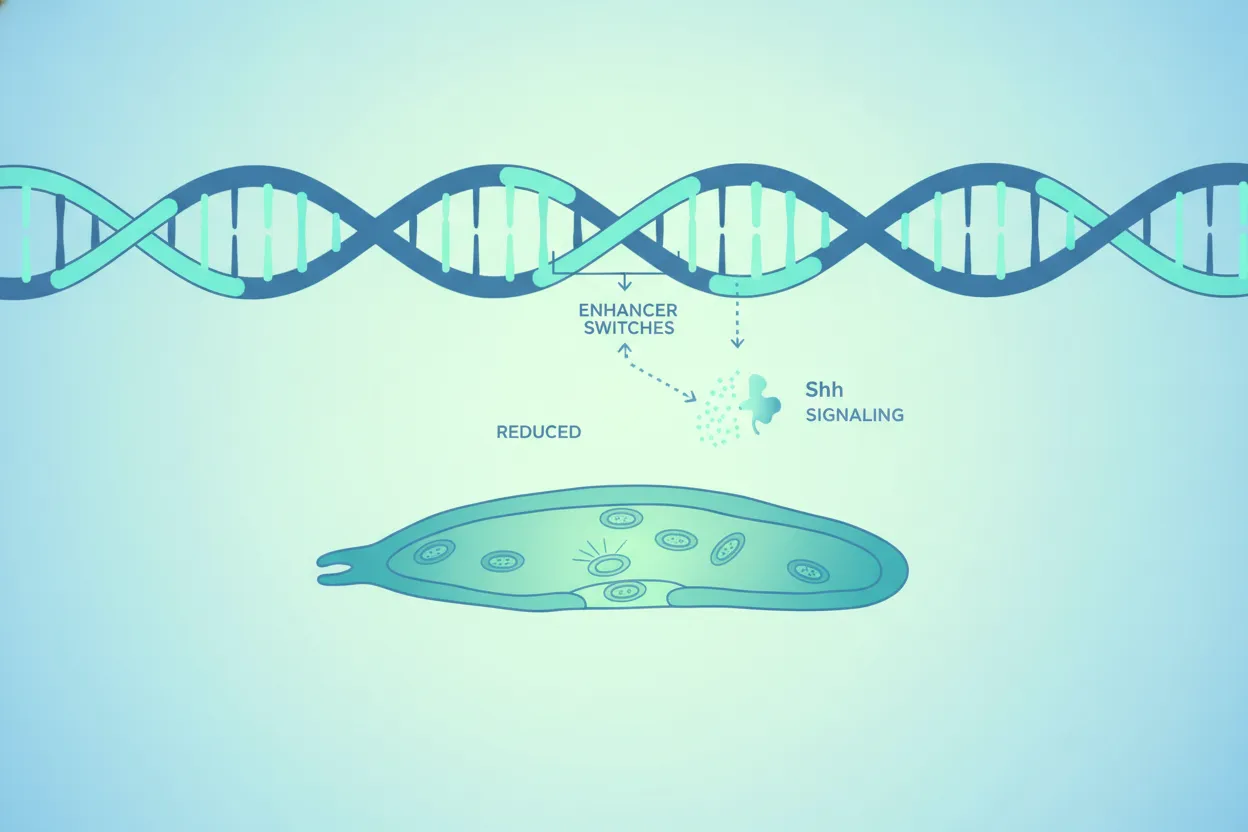
Genes do not work alone. Many are controlled by small stretches of DNA called enhancers. An enhancer acts like a switch or volume control. It helps turn a gene on in a particular tissue at a particular time.
One important pathway in limb development involves the Sonic hedgehog, or Shh, gene. In four-legged animals, Shh helps organize the growing limb bud, including the pattern of the fingers and toes. The gene must be activated in the right place and for long enough.
Researchers found that snakes retain much of the Shh gene itself, but their limb enhancer, often called the ZRS enhancer, has changed. In many snakes, this altered enhancer cannot activate Shh normally in a developing limb. As a result, the limb bud fails to grow in the usual way.
Laboratory studies support this interpretation. When researchers placed a snake version of the enhancer into mice, it produced little or no normal limb activity. When a working lizard enhancer was supplied in comparable experiments, limb development signals were restored more effectively. This evidence points to regulatory DNA, not simply the loss of an entire gene.
Important distinction: Scientists have strong evidence that altered enhancers affect limb development. They are still studying how those changes interacted with other genes and body-wide changes during snake evolution.
Some snakes still show traces of their former limbs. Boas and pythons have small hind limbs near the tail. These structures include tiny bones and external spurs. They are not useful walking legs, but they are valuable clues about snake evolution.
This pattern shows that evolution often modifies an existing system. A feature may shrink, change position, or stop developing before it disappears completely. The same principle explains why some animals retain small bones that no longer serve their ancestral function.
Fossils, Movement, and the Advantage of Limbless Travel
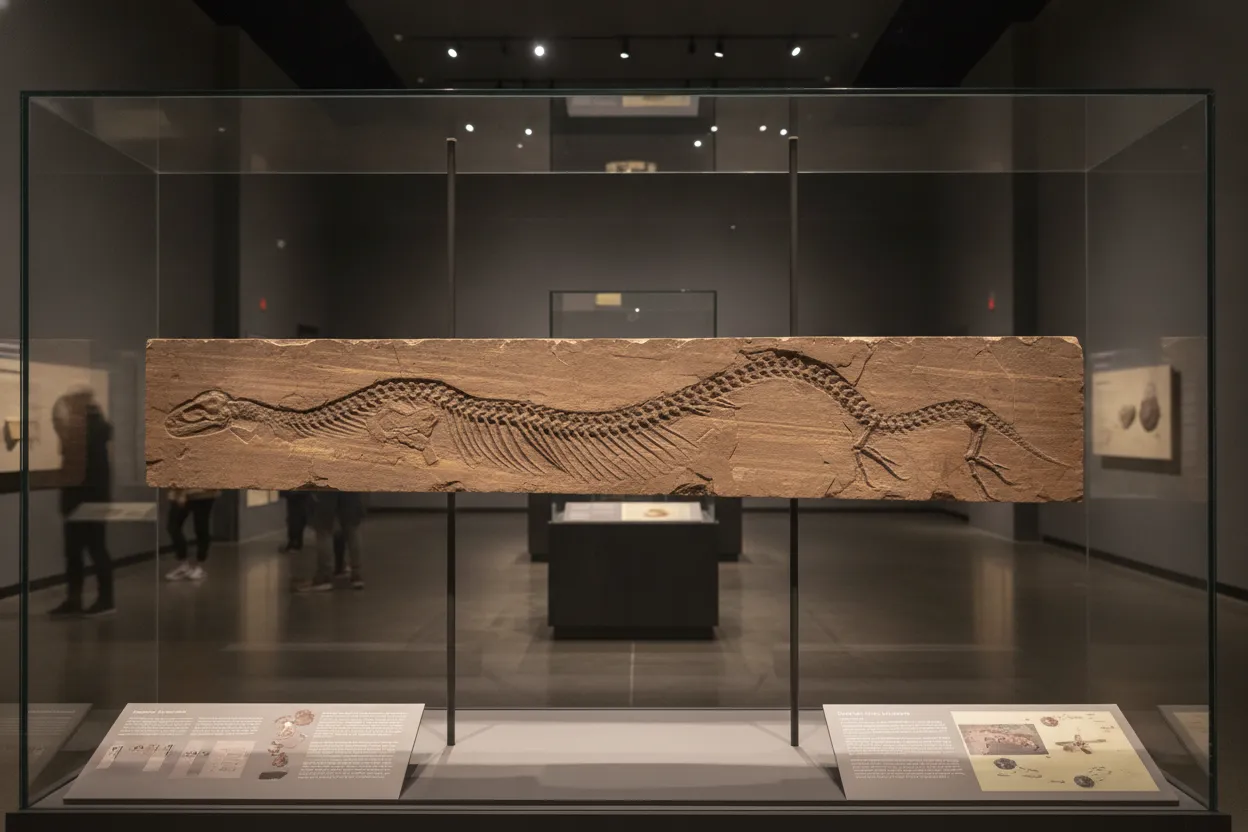
The fossil record helps place genetic findings in time. Fossil snakes from roughly 90 to 100 million years ago show that early snakes had a mixture of modern and ancestral traits. Some had small hind limbs, and a few had robust pelvic bones. These fossils suggest that limb loss was gradual across snake evolutionary history.
The famous four-legged snake fossil, often discussed as Tetrapodophis, remains controversial because its identity and interpretation have been debated. Other fossils, including the four-legged snake Najash, provide clearer evidence that early snakes could have limbs while already showing a long body. Researchers therefore rely on several lines of evidence, not one specimen.
Modern snakes move without legs by coordinating muscles, ribs, skin, and scales. The best-known method is lateral undulation. The snake forms side-to-side curves and presses parts of its body against rocks, plants, or uneven ground. Those contact points push the animal forward.
Other forms of snake locomotion suit different surfaces:
- Concertina movement: the snake anchors sections of its body, gathers the front portion, and extends forward.
- Rectilinear movement: large snakes use muscles and belly scales to glide forward in a nearly straight line.
- Sidewinding: desert snakes lift parts of the body from hot, loose sand and move in a series of angled tracks.
- Arboreal movement: tree snakes use muscular control and curved body positions to cross branches.
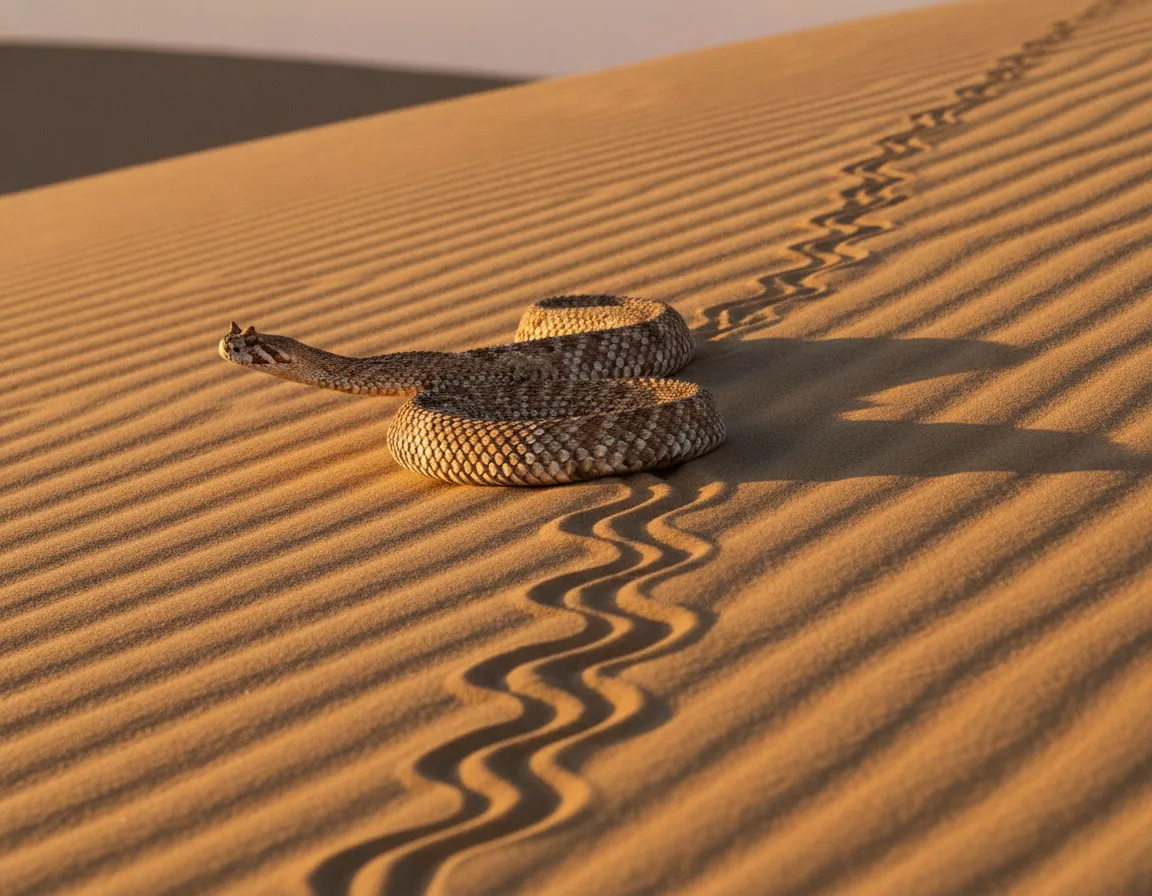
Belly scales are central to this process. Their edges catch the ground while muscles shift the body in waves. On water, snakes use similar waves to push against resistance. A marine snake may have a paddle-shaped tail, showing how movement changes with habitat.
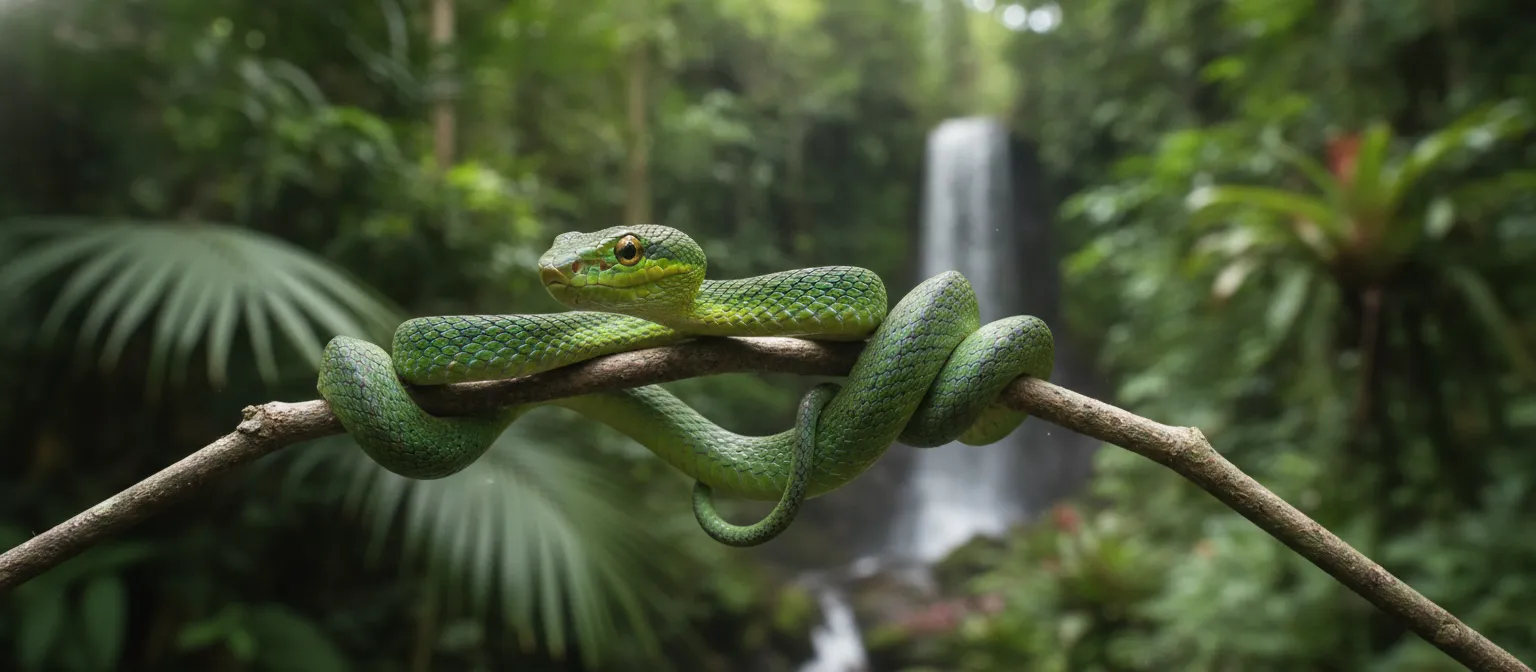
“The snake body plan is not a failed version of a four-legged animal; it is a highly specialized solution to movement and survival.” — Plain-language summary of evolutionary biology
What the Evidence Tells Us
Snakes became slender and limbless through linked changes in body growth, gene regulation, and natural selection. Modified limb enhancers reduced the usual developmental signal, while an elongated spine and powerful muscles improved movement. Fossils with partial limbs connect ancient reptiles to modern snake species.
The result is a body that works exceptionally well in narrow spaces, forests, deserts, rivers, and oceans. Snakes did not simply lose legs. They evolved a different way to move, hunt, and survive on every continent except Antarctica.
For readers who want to explore more animal evolution, a short genetics-focused science guide is a natural next step after this explanation.