Who aged better, Brad Pitt or George Clooney
The question of who aged better, Brad Pitt or George Clooney, has no single objective answer. Both actors have remained visible across several decades, but they have taken different paths through film, fashion, interviews, and public life.
Brad Pitt has often been associated with changing screen images, physical roles, and a relaxed approach to celebrity. George Clooney has built a public identity around polished style, controlled visibility, political awareness, and work behind the camera. A fair comparison must consider more than appearance alone.
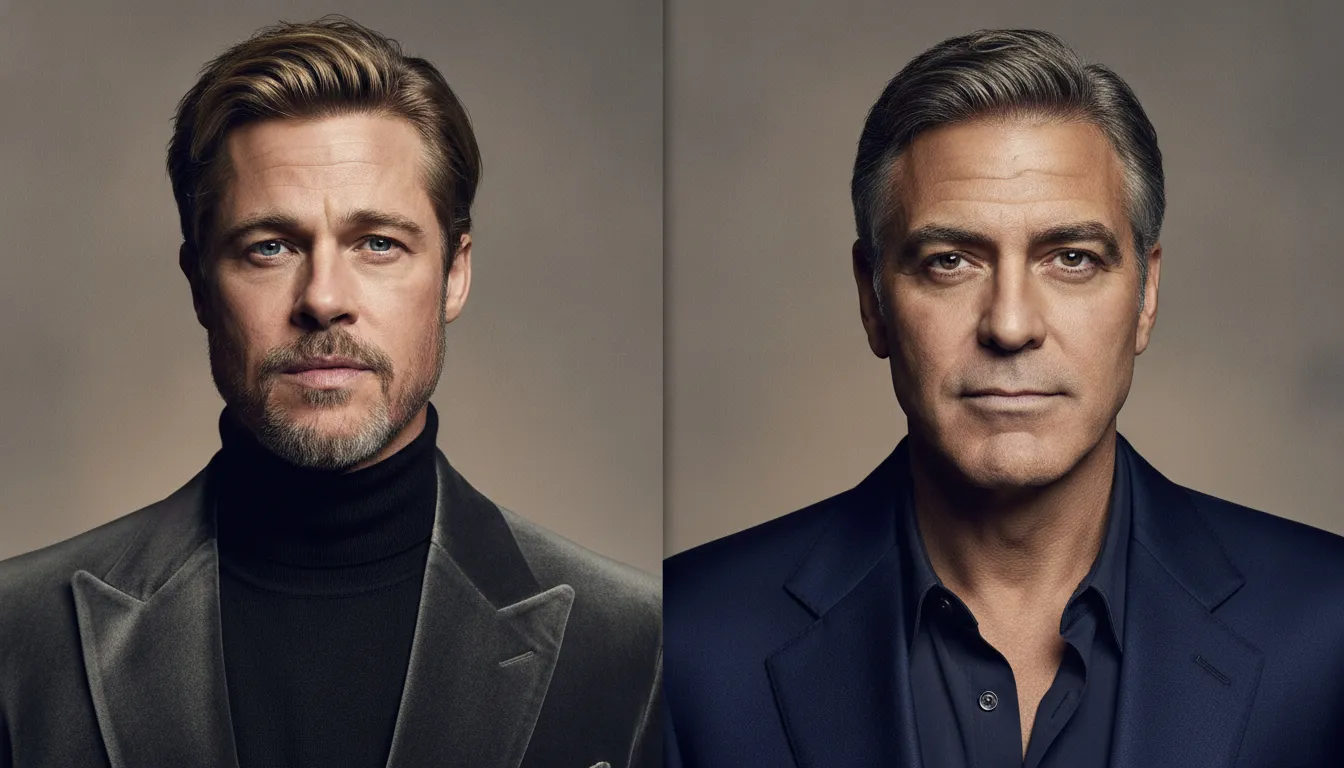
How to judge who aged better
“Aged better” can refer to several different standards. It may describe a person’s appearance, but it can also refer to career strength, public image, personal style, cultural influence, or the ability to remain relevant without appearing overexposed.
Appearance is the most immediate standard, yet it is also the most subjective. Lighting, styling, makeup, photography, and film roles can change how a celebrity looks from one day to the next. A red-carpet image is not a complete record of a person’s life or health.
Career longevity offers a more measurable area of comparison. Both actors began working in the late twentieth century and continued to receive major film roles many years later. Their careers also expanded beyond acting into producing, directing, and other forms of professional work.
Public visibility creates another difference. One actor may appear frequently in entertainment news, while another may limit interviews and public events. Lower visibility does not necessarily indicate less success. It can reflect a deliberate approach to celebrity and privacy.
The most balanced answer depends on the category being judged. George Clooney may appeal more to readers who value classic presentation and controlled public visibility. Brad Pitt may appeal more to readers who value flexibility, physical ease, and varied screen identities.
Career longevity and screen presence
Brad Pitt became widely known through major film roles in the 1990s. His work during that decade established him as a leading actor with strong commercial appeal and a recognizable screen presence. He moved between romantic drama, crime films, historical stories, dark comedy, and large-scale studio productions.
That variety has remained an important part of his career. Pitt has played characters who are physically confident, comic, damaged, detached, or morally uncertain. His image has therefore shifted more often than the image of an actor whose public identity is built around one familiar type.
George Clooney also became a major star during the 1990s, first gaining broad attention through television before moving into leading film roles. His film career has included dramas, political stories, comedies, thrillers, and ensemble productions. His acting style is often linked with timing, calm delivery, and an ability to project authority without excessive movement.
One important difference is the way each actor has used professional control. Clooney has directed and produced films, including projects connected to political and social subjects. Pitt has also worked as a producer and has participated in production through his company. Both careers show that their value to the industry has not been limited to acting.
The Ocean’s Eleven films offered a clear example of their different screen qualities. Clooney played a central organizing figure whose appeal came from composure and leadership. Pitt brought a more relaxed and lightly comic energy to the group. Their contrast made the partnership effective and helped the films remain part of popular celebrity discussion years later.
In later years, both actors have appeared more selectively than they did during the peak of their early stardom. This can be read as a sign of career maturity rather than decline. Established stars often have greater control over which projects they accept, how they are promoted, and how often they appear in public.
Screen presence is difficult to measure with a number. Clooney’s appeal often rests on consistency. Pitt’s appeal often rests on variation. A viewer who prefers a stable, recognizable persona may choose Clooney. A viewer who values transformation and tonal range may choose Pitt.
- Known for moving between leading-man roles and character-driven parts.
- Has worked across drama, comedy, action, crime, and historical film.
- Has developed an established role as a producer as well as an actor.
- Often uses a relaxed screen manner that can shift between charm and intensity.
Brad Pitt
- Known for controlled delivery, dry humor, and understated authority.
- Has worked in comedy, drama, political stories, thrillers, and ensemble film.
- Has directed and produced projects in addition to acting in them.
- Often maintains a polished and consistent public screen identity.
George Clooney


Appearance, style, and grooming over time
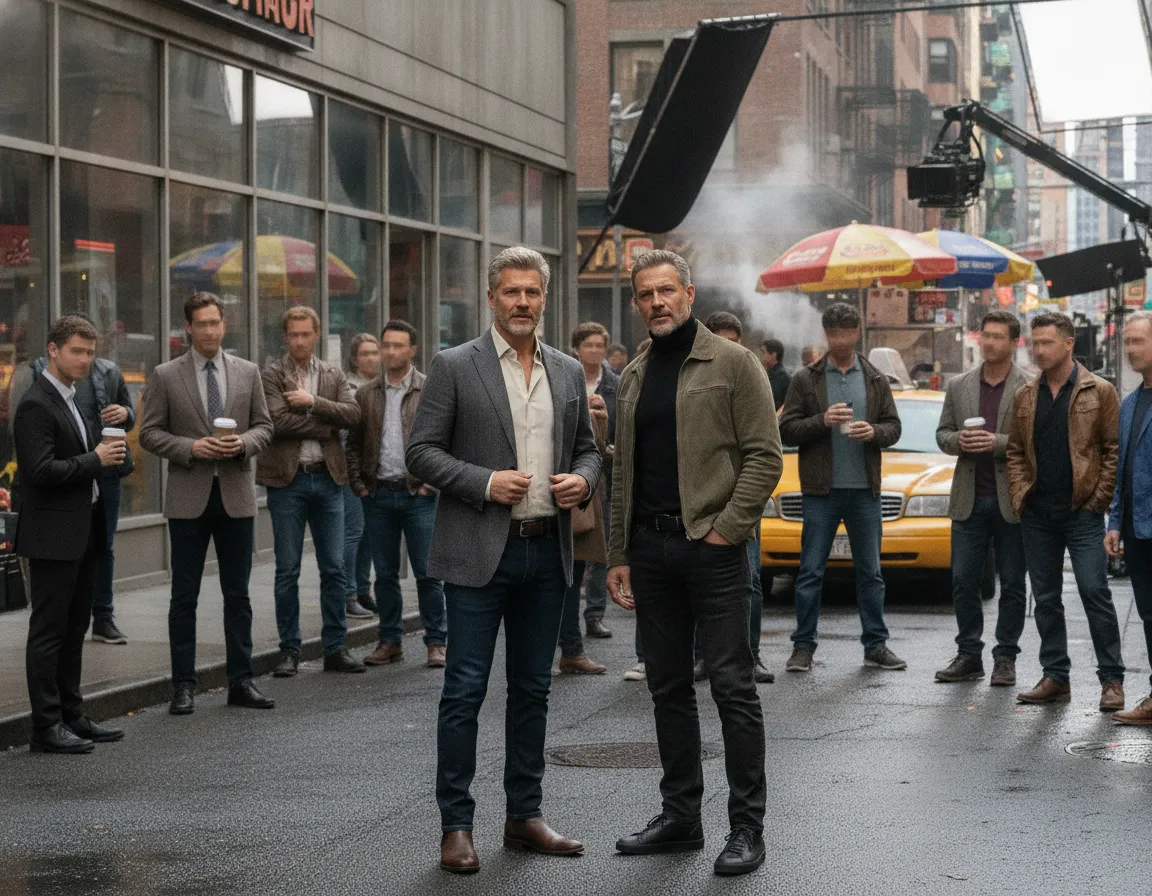
Brad Pitt and George Clooney have both maintained strong visibility in fashion photography and entertainment coverage. Their appearance has changed across different years, but their public styling has followed distinct patterns.
Pitt has often appeared comfortable with changes in hair length, facial hair, clothing, and overall presentation. At some events he has chosen a formal suit, while at others he has favored a less rigid look. His style can appear deliberately casual even when the clothing is carefully selected.
Clooney has generally maintained a more consistent visual identity. Well-fitted suits, classic colors, short hair, and facial hair used in a controlled way have formed a recognizable part of his public appearance. That consistency supports the image of a traditional leading man.
Neither approach can be described as objectively better. A changing look may suggest flexibility and ease, while a stable look can create a stronger sense of identity. Fashion preference influences the answer more than age alone.
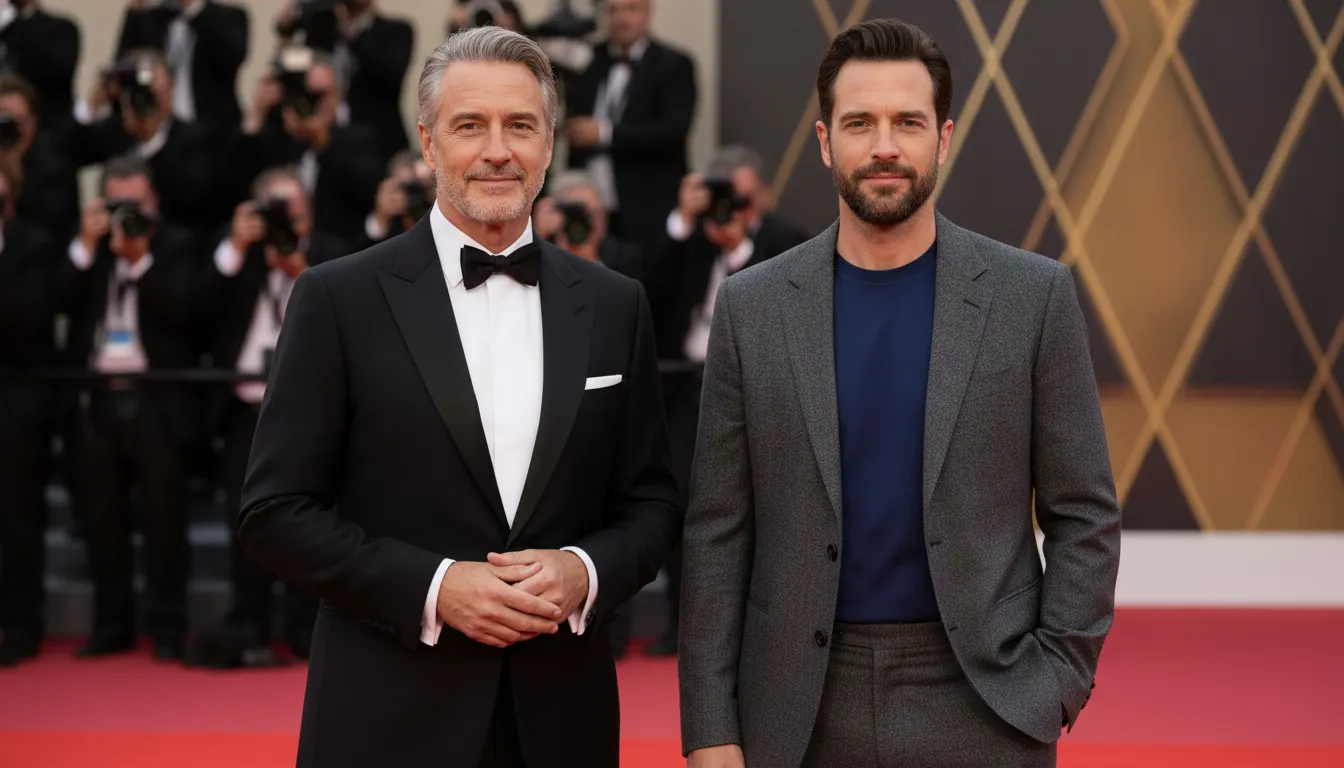
Photographs also need context. A premiere, an award ceremony, a film set, and a casual street appearance involve different clothing and grooming decisions. The same actor may look very different across those settings. Editorial images can also be selected to support a particular narrative about aging.
It is also important to avoid unsupported assumptions about cosmetic procedures, health, or private routines. Public photographs cannot establish medical information. A careful article can describe visible styling choices without turning them into claims about personal life.
In broad terms, Clooney’s style has remained closer to classic Hollywood presentation. Pitt’s style has allowed more variation. Readers who associate aging well with elegance and consistency may prefer Clooney. Readers who associate it with adaptability and informality may prefer Pitt.
Public image, interviews, and life outside film
Public image is shaped by interviews, news coverage, family life, professional causes, and the frequency of appearances. It is not simply a reflection of personality. Media outlets choose which moments to publish, and readers often see only a small part of an actor’s daily life.
George Clooney has often presented himself as articulate, informed, and comfortable discussing public issues. His marriage and family life have also received sustained attention. The presence of his wife and twins in entertainment news has contributed to a public image that combines celebrity with a more settled domestic identity.
Brad Pitt’s public image has been more closely connected with film roles, personal relationships, and periods of intense media attention. His work has remained a major part of the coverage, but news stories have also examined private matters that are not directly related to acting.
These different patterns affect the way aging is perceived. Clooney’s controlled and polished presence can make his career appear steady. Pitt’s greater variation in roles and public coverage can make his public image feel less fixed. Neither pattern is automatically more successful.
Interviews provide useful context, but they also have limits. An interview is a managed conversation with a particular purpose. It may promote a movie, discuss a production, respond to current news, or present a carefully chosen personal detail. It should not be treated as a complete account of someone’s life.
The same caution applies to reports about lifestyle. Publicly documented professional choices can be discussed, such as directing, producing, accepting fewer roles, or appearing at selected events. Private habits should not be inferred from photographs or brief comments.
Public perception is not a precise measurement. It is influenced by image selection, publicity, film marketing, fashion, interviews, and the different expectations placed on male stars as they grow older.



Conclusion
George Clooney has the stronger case for classic style and controlled public presentation, while Brad Pitt has the stronger case for visible variation in roles and appearance. The answer to who aged better depends on whether the standard is elegance, career range, screen presence, or public image.
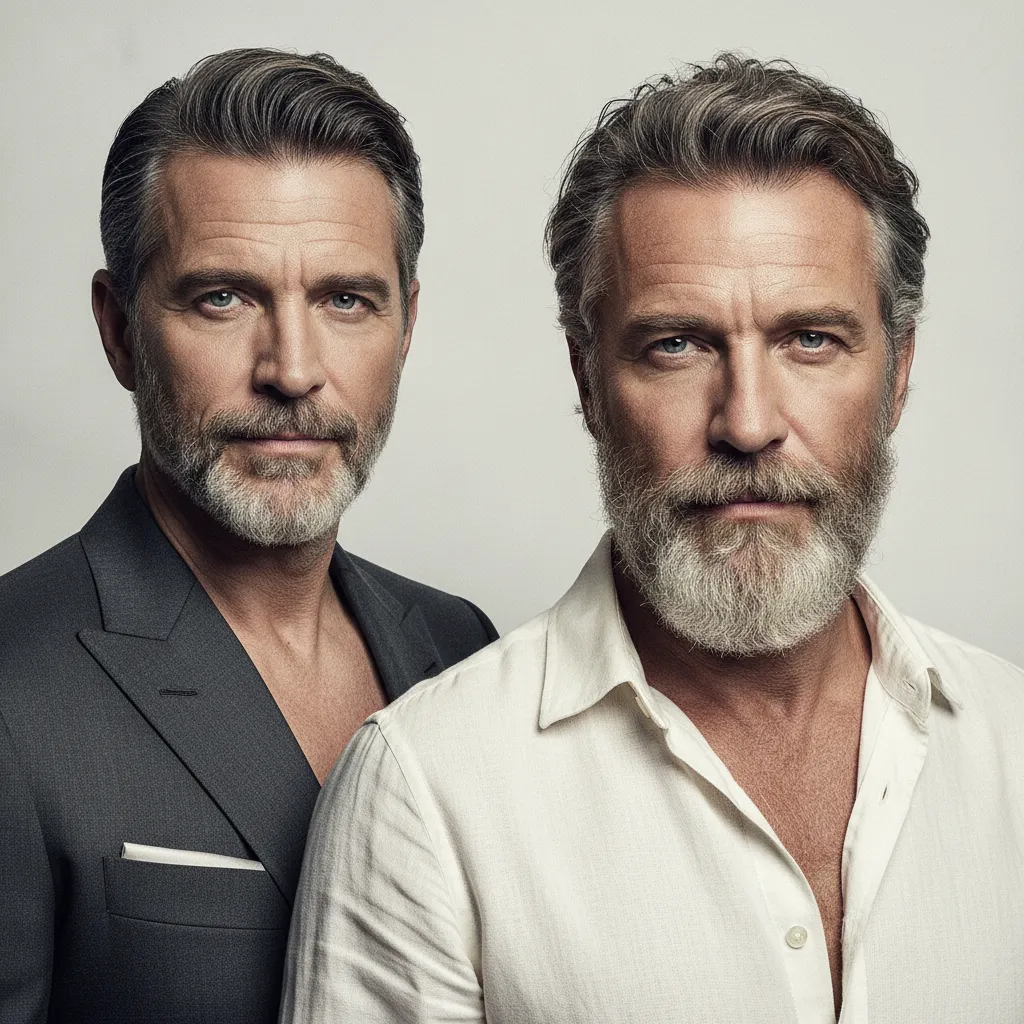
Additional photos are available in the gallery below.