Jennifer Lawrence sold her Malibu house. What the new owners got
The Jennifer Lawrence Malibu house became notable because it combined a private coastal setting with the design language of a high-end California home. Public reports describe a property shaped by light, restrained materials, indoor-outdoor living, and strong privacy.
The sale transferred more than a celebrity-associated address. The new owners acquired a finished home with carefully arranged rooms, a pool area, outdoor space, and details intended for quiet daily living rather than display alone.
What is publicly known about the Jennifer Lawrence Malibu house
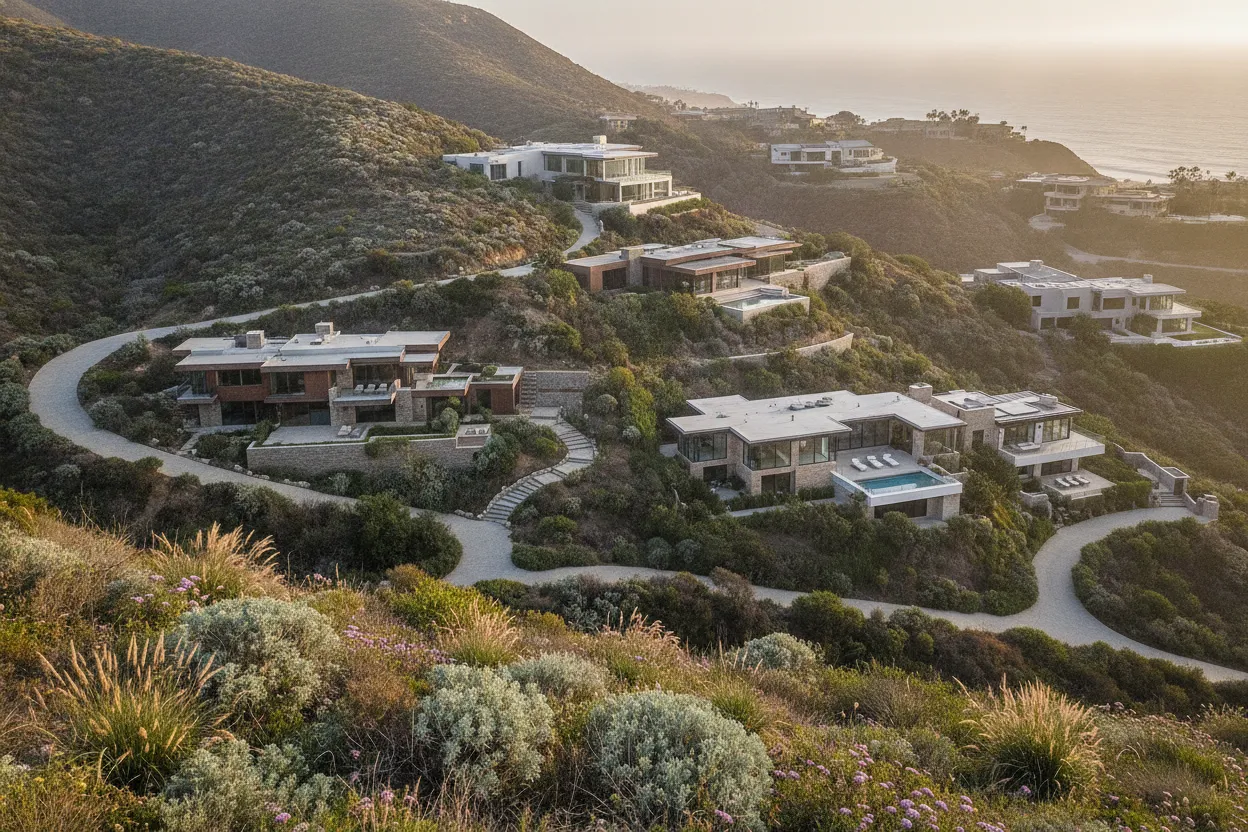
Reports about the Jennifer Lawrence Malibu house have focused on its architecture and interiors rather than on a complete public record of the transaction. The available coverage describes a home in Malibu, a coastal community west of Santa Monica known for ocean views, private roads, and large residential estates.
Celebrity property coverage often presents a home through selected photographs. Those images can show a living room, kitchen, bedroom, bathroom, pool, and exterior areas. They do not always provide a full floor plan or a complete list of what remained with the property after the sale.
That distinction matters when describing what the new owners got. Fixed elements such as flooring, marble surfaces, fireplaces, built-in lighting, cabinetry, and landscaping are normally part of a home sale. Loose furnishings, art, electronics, and personal objects may be removed unless they are specifically included in the agreement.
The house was presented as a private retreat rather than a formal mansion designed for large public events. Its value came from the combined effect of location, architecture, materials, room planning, and privacy. Each element supported the wider purpose of the property: comfortable living in a high-value coastal market.
Publicly reported descriptions identify design features and broad property characteristics. They do not establish every item included in the sale, the final contract terms, or the precise condition of every room at closing.
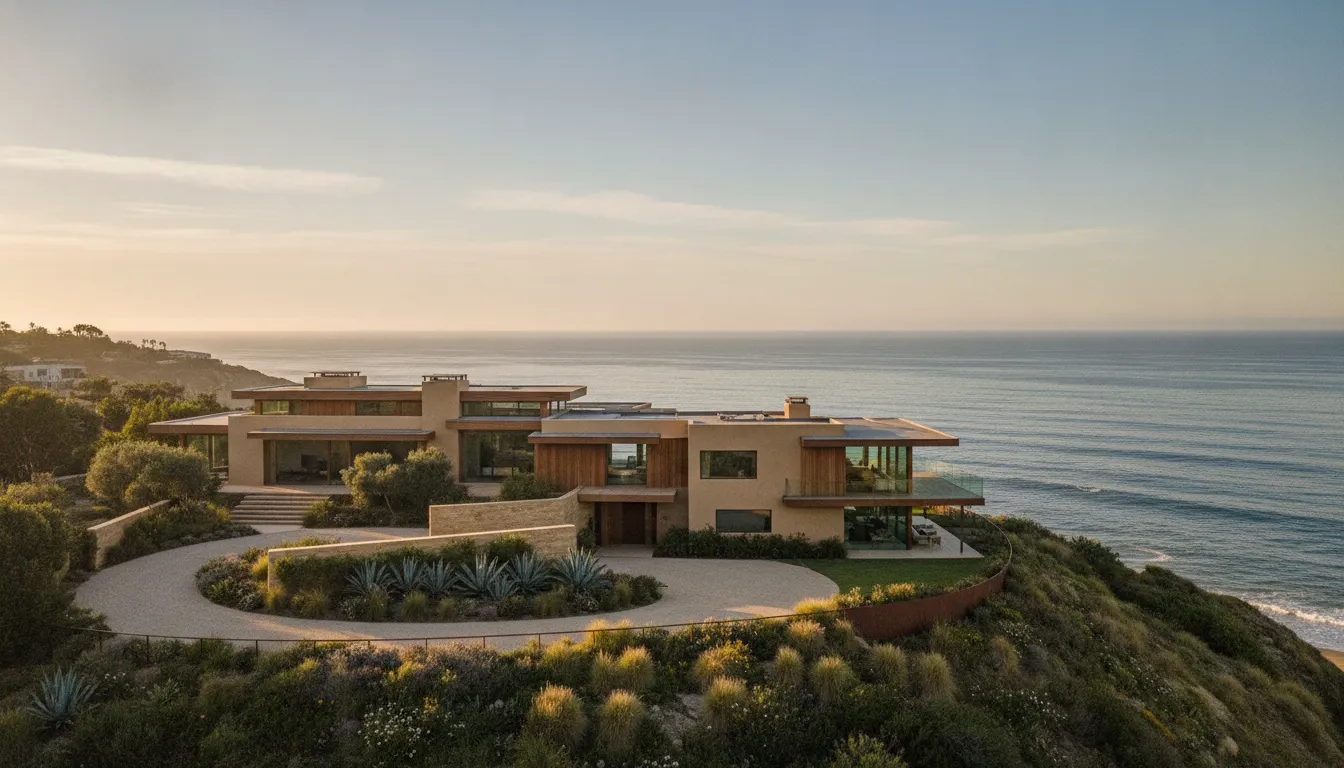
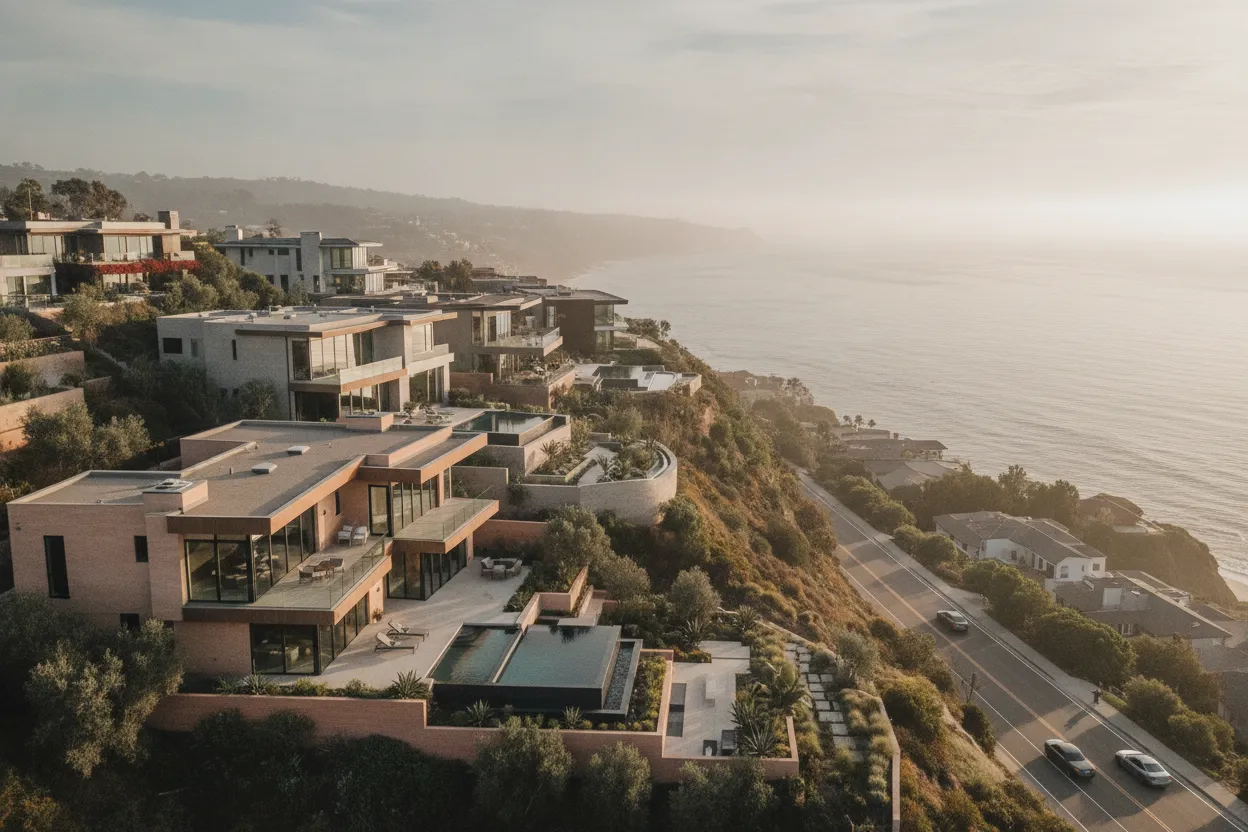
The location also shaped the way the home was marketed. In Malibu, buyers commonly assess access, privacy, views, outdoor usability, and the relationship between the house and the surrounding landscape. A well-designed room can be valuable, but its appeal increases when it connects naturally to the exterior.
For the new owners, the acquisition therefore included a complete residential environment. The house offered a base for living, entertaining, resting, and enjoying the climate. The celebrity connection attracted attention, but the lasting value rested on the property itself.
The rooms, materials, and lifestyle features the new owners acquired
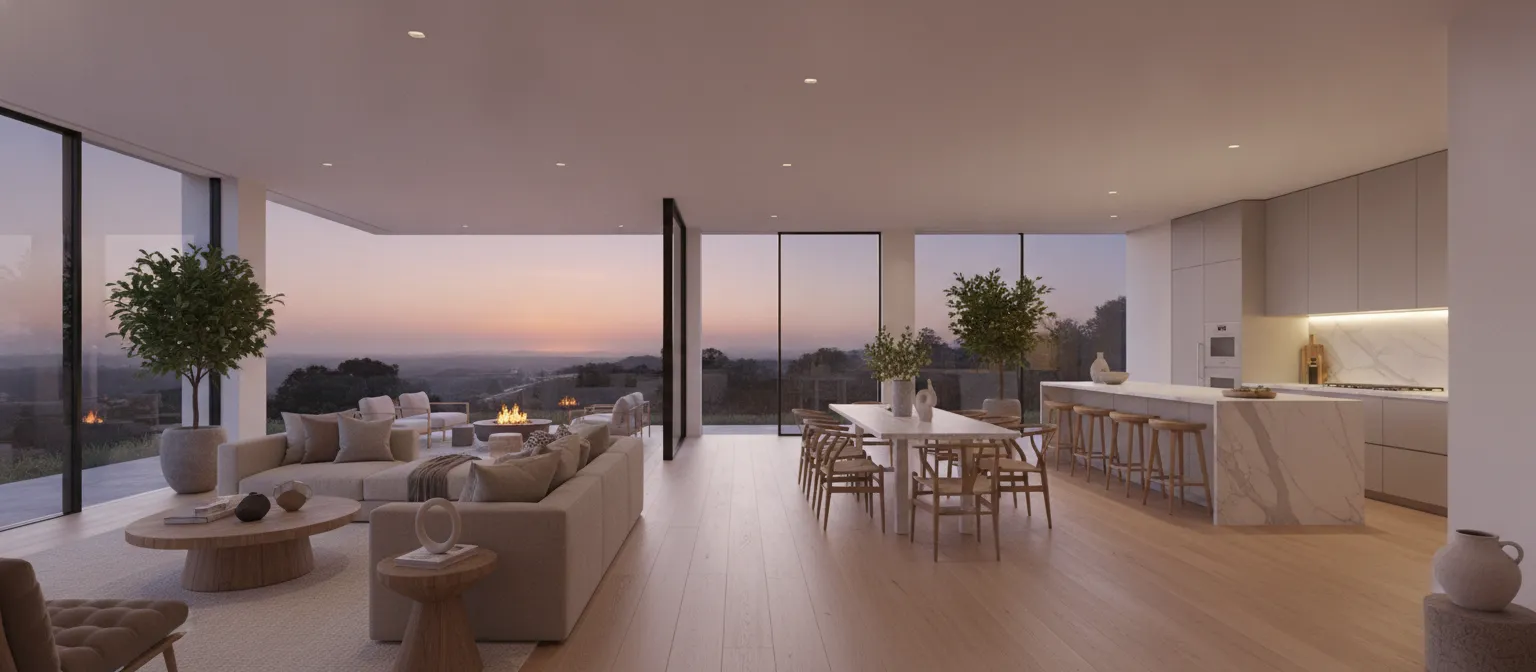
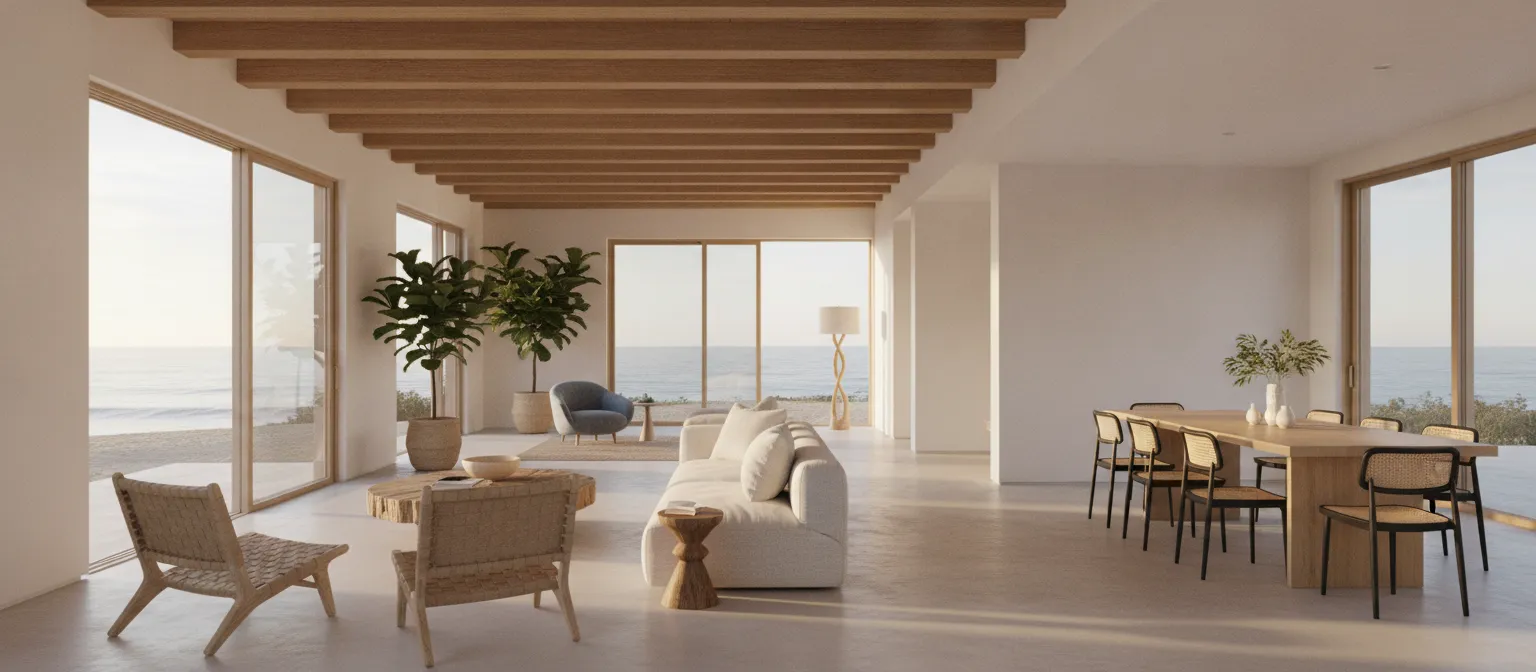
The reported interior appears to follow a calm, modern California approach. Rather than relying on heavy ornament, the home uses open sightlines, neutral finishes, natural textures, and broad connections between the interior and exterior. This approach can make a home feel larger without requiring every room to be oversized.
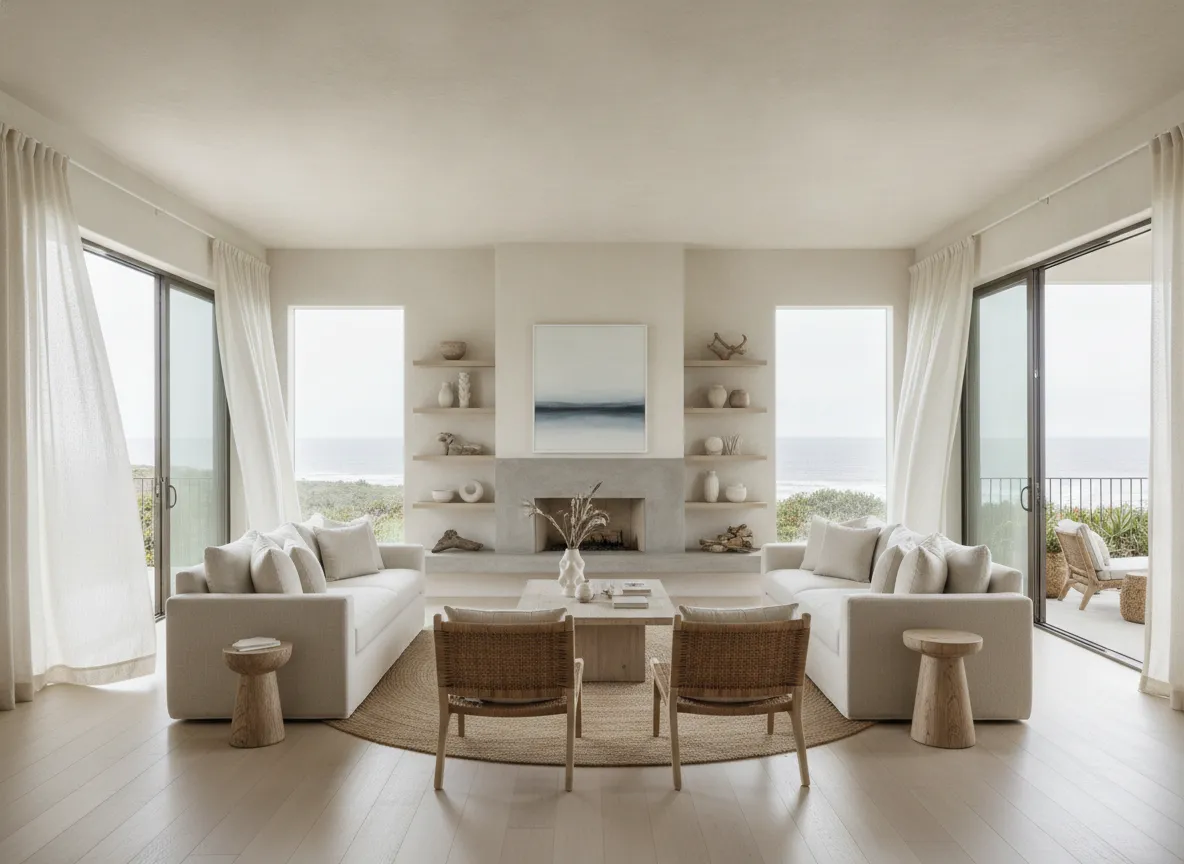
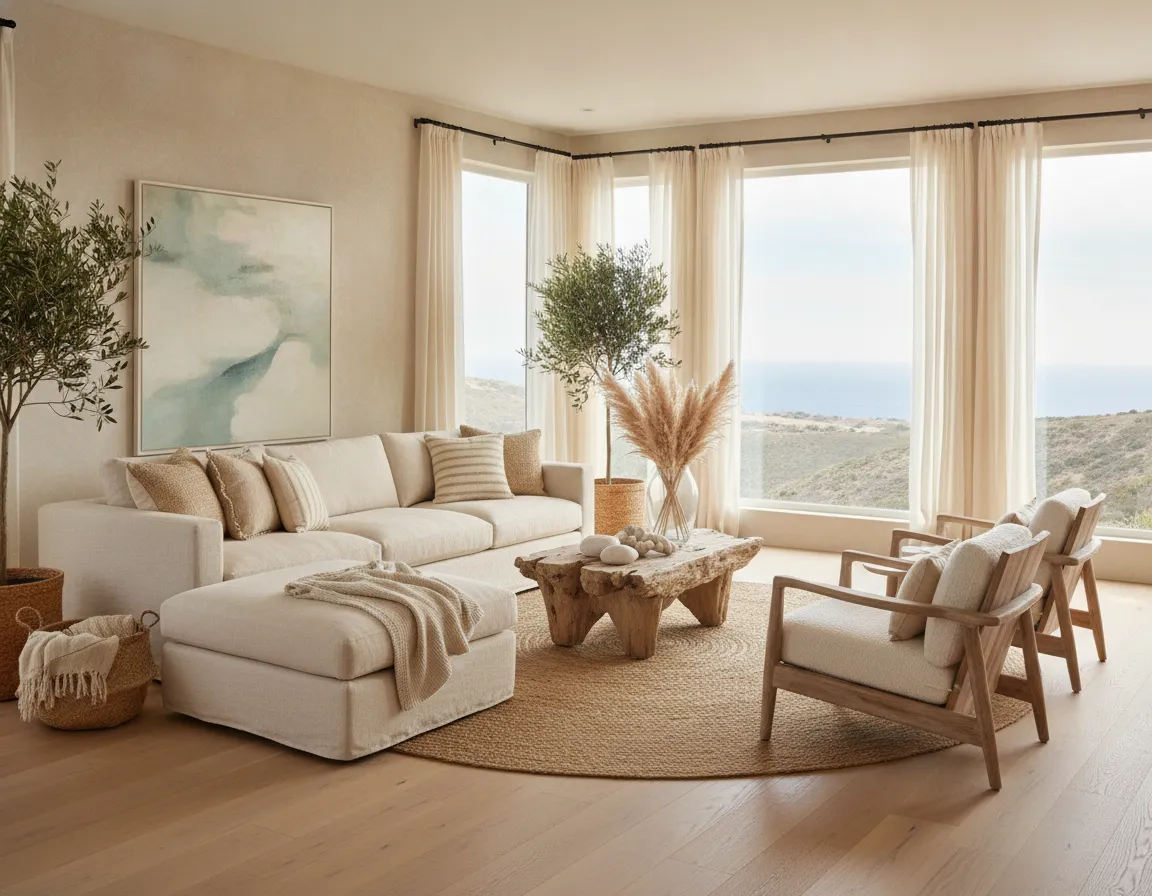
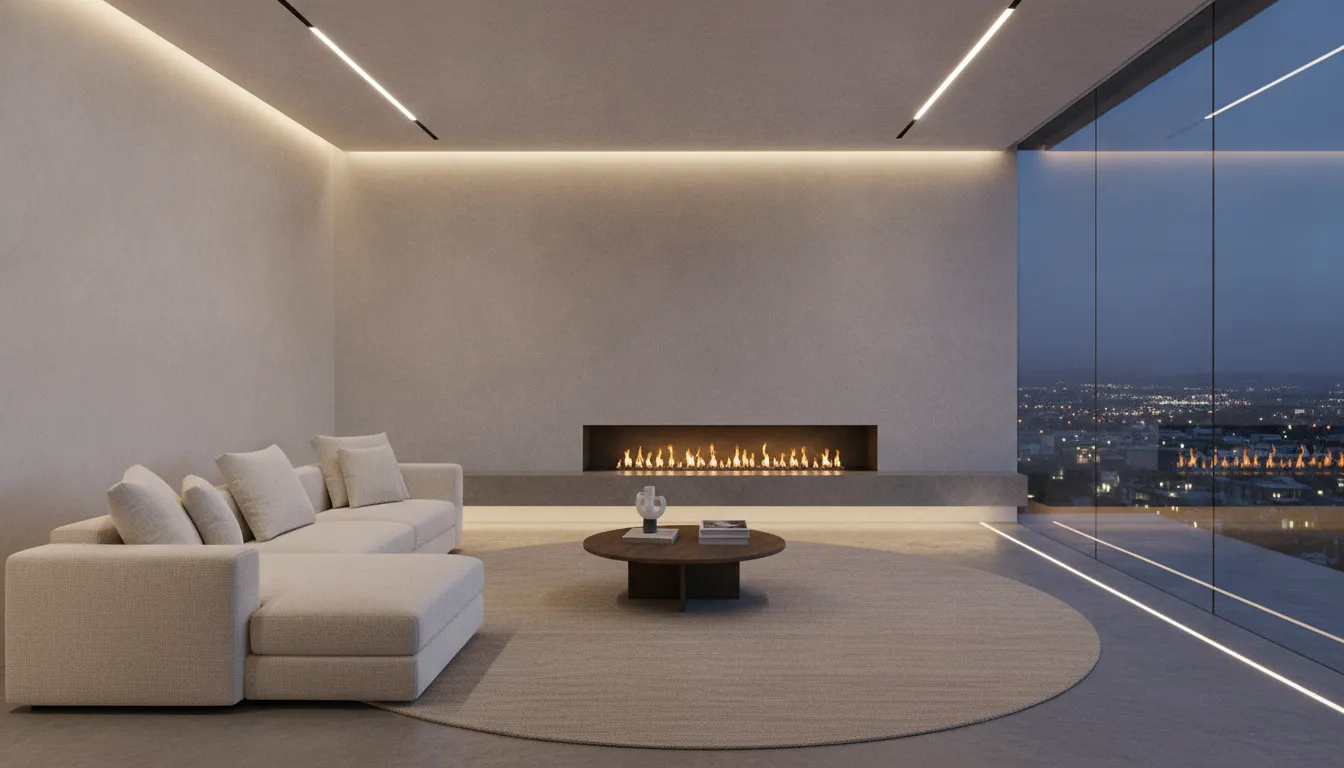
The living room is one of the most important spaces in any property presentation. In coverage of celebrity homes, the living room often provides the clearest view of the home’s design language. Here, the room was shown as a relaxed area with a strong connection to light and outdoor space.
A living room of this type can serve several purposes. It may provide space for everyday living, informal sitting, and gatherings with guests. The design is usually kept flexible, allowing furniture to face a fireplace, a view, or a conversation area.
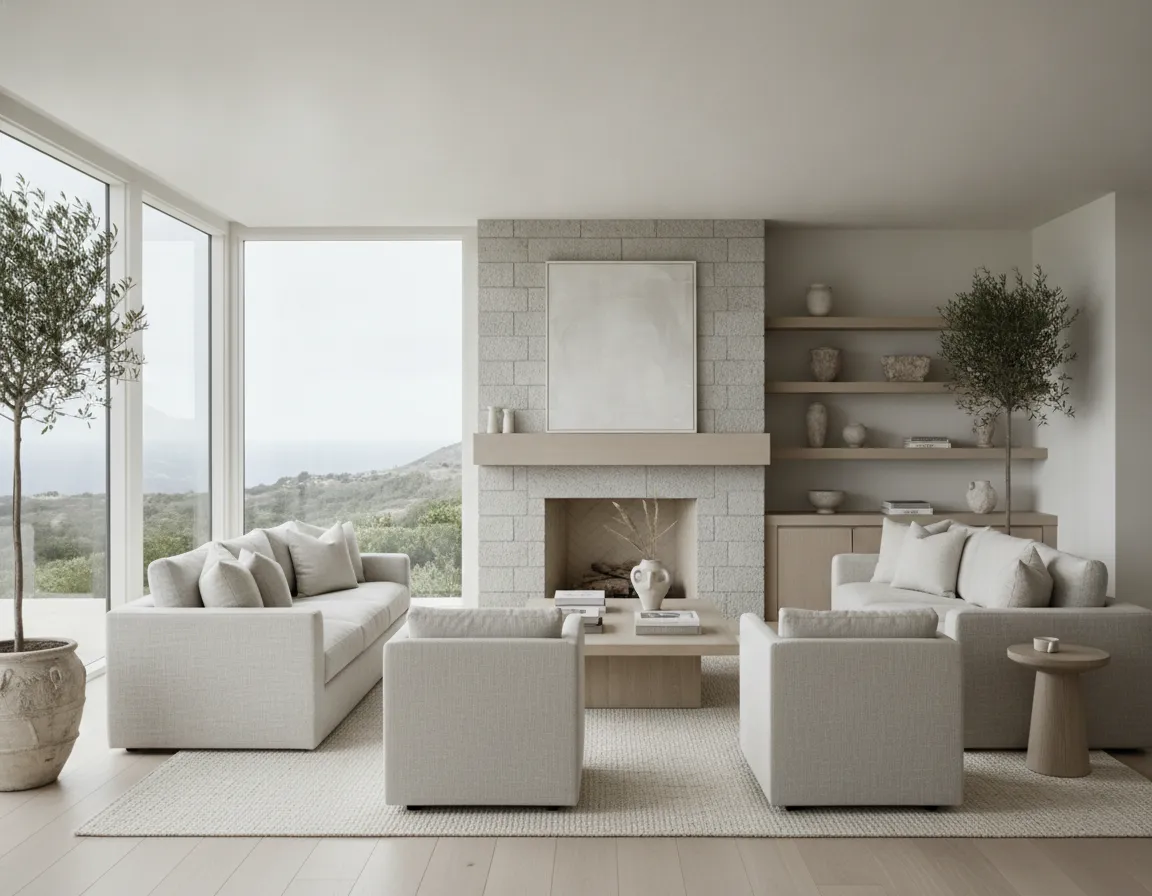
The fireplace added a focal point to the room. In a coastal home, it can provide visual warmth even when the climate does not require frequent heating. Its role is both practical and architectural, helping organize the sitting area and giving the room a clear center.
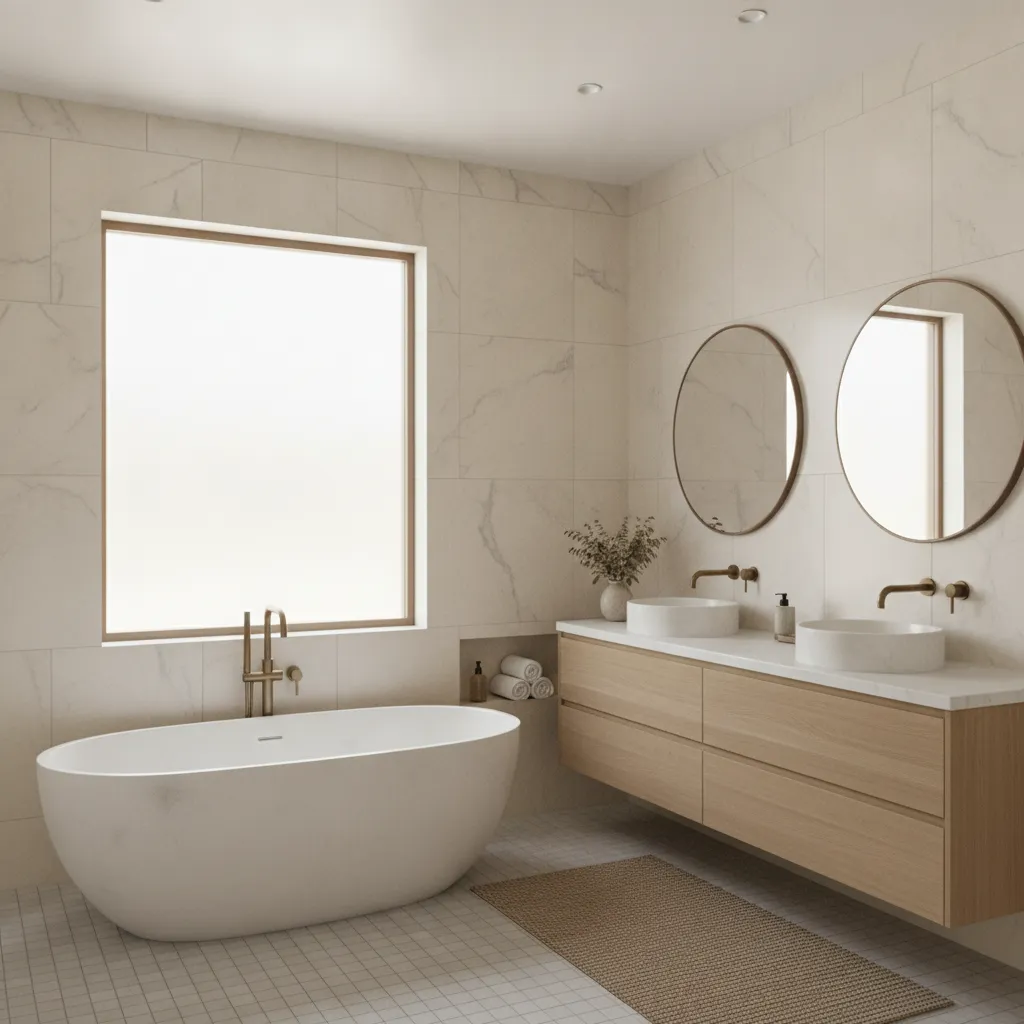
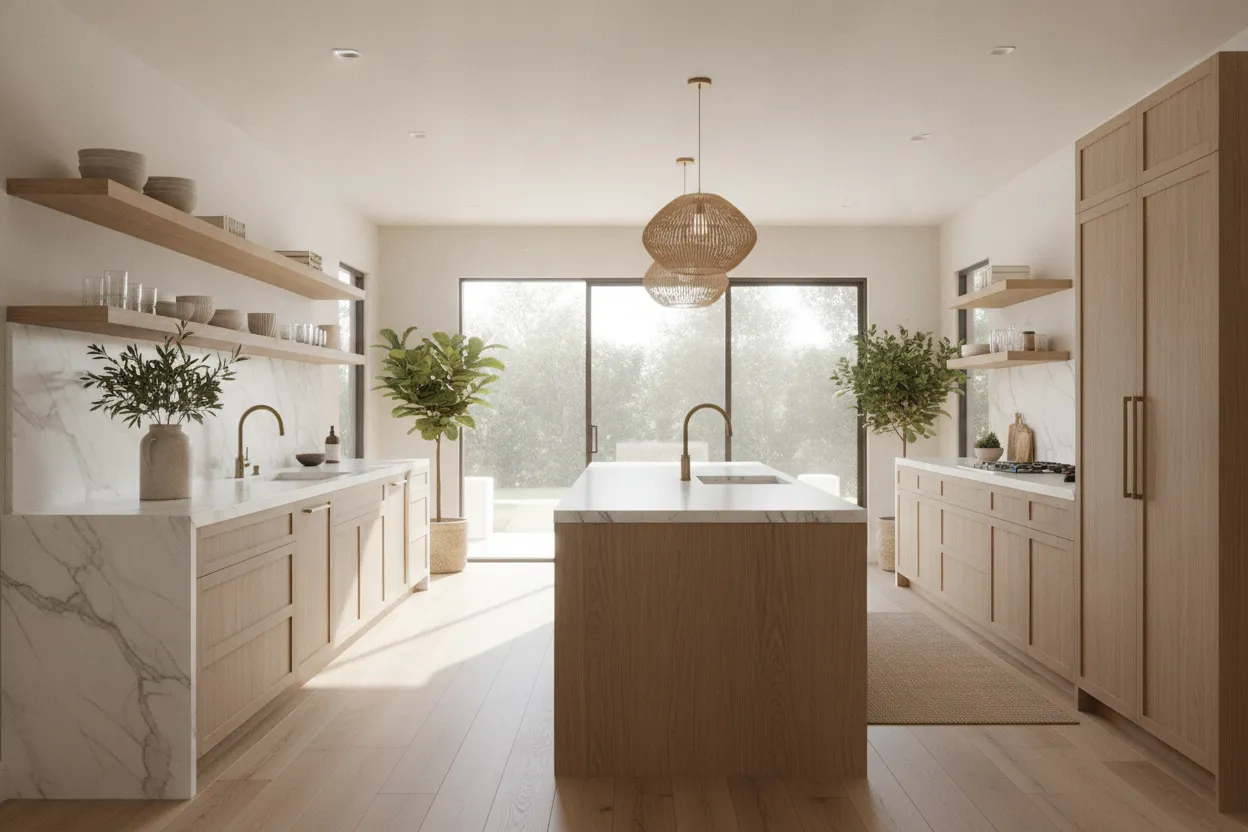
Materials were also central to the property’s presentation. Marble appeared in selected areas, including surfaces associated with the kitchen or bathrooms. Marble is valued for its natural variation, but it requires care because it can stain, scratch, or react to acidic substances.
The kitchen was presented as part of the home’s usable living space rather than as an isolated service area. Open or visually connected kitchens are common in contemporary California homes. They allow cooking, conversation, and informal dining to occur within one shared zone.
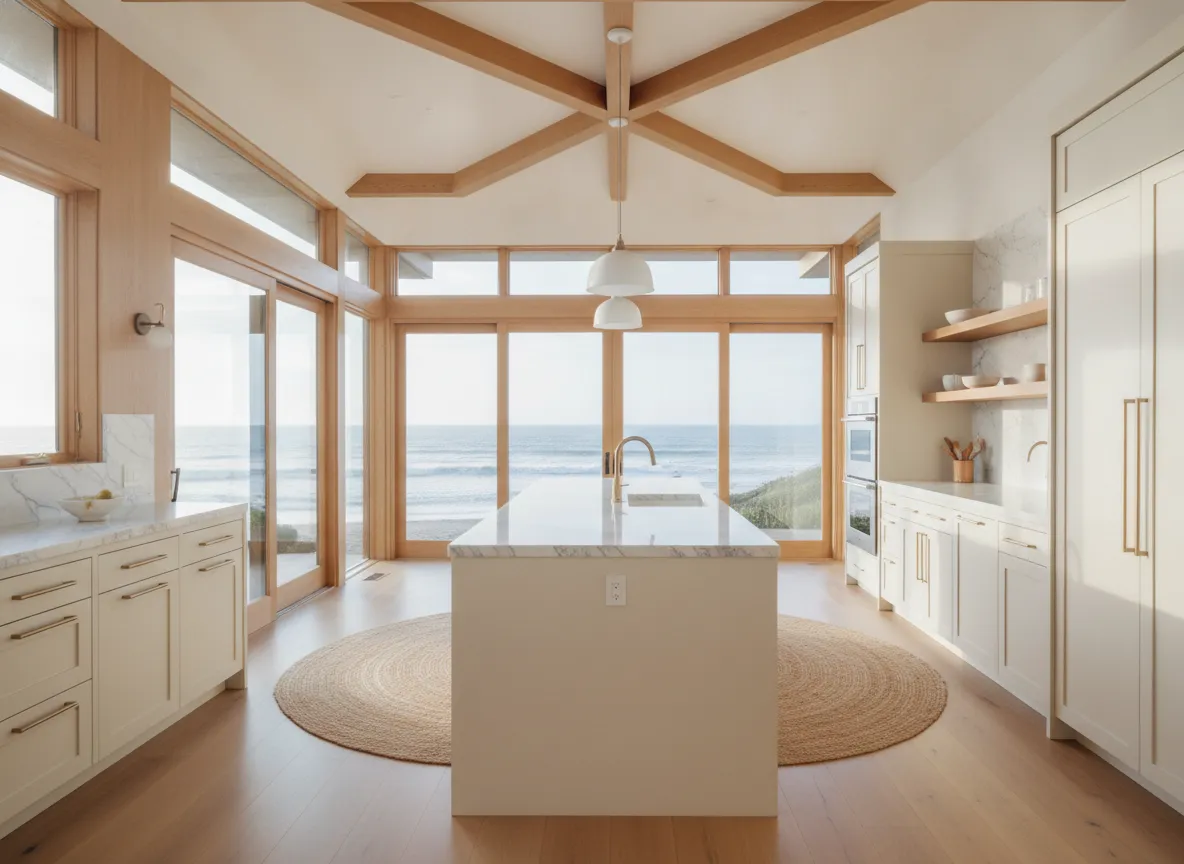
The new owners also acquired the practical infrastructure behind the visible design. That includes the kitchen’s fixed cabinetry, installed surfaces, built-in appliances if included in the contract, plumbing, electrical systems, and lighting. Public images alone cannot confirm which appliances or movable pieces transferred with the house.
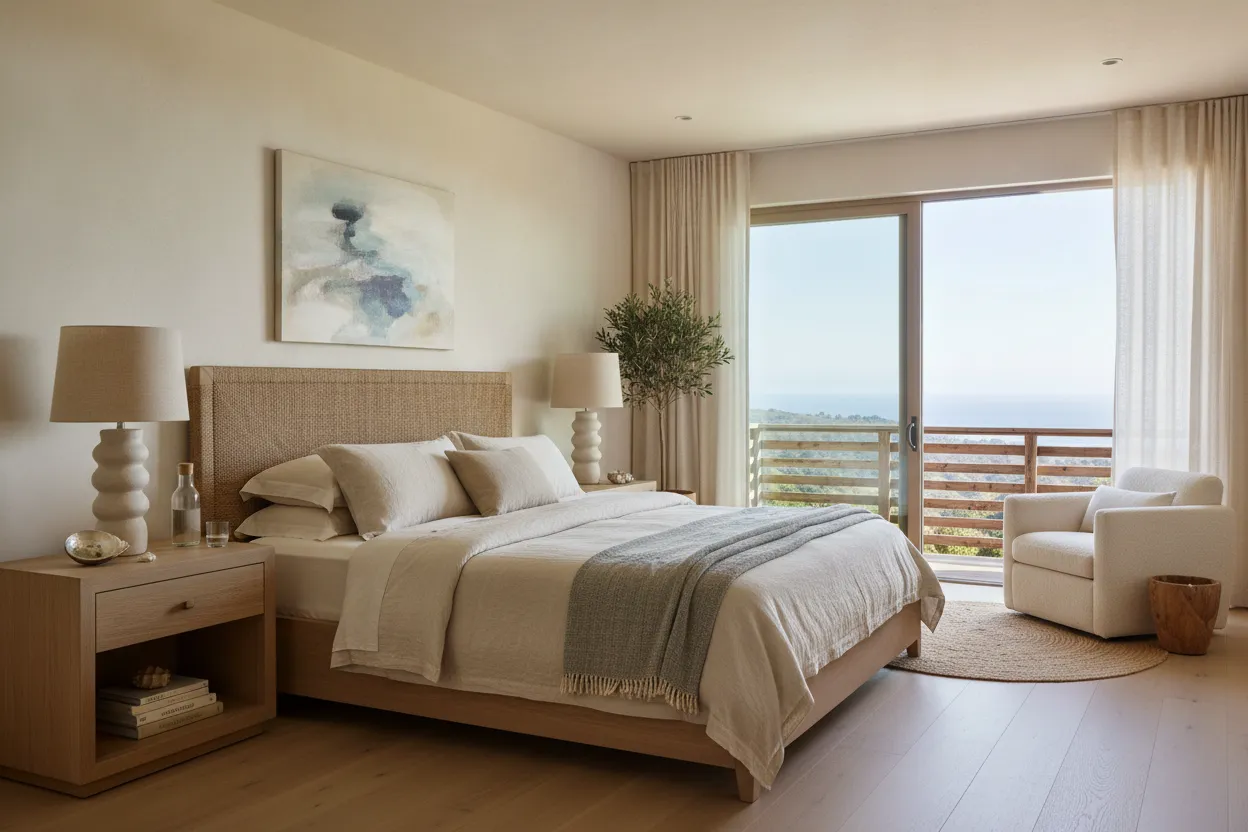
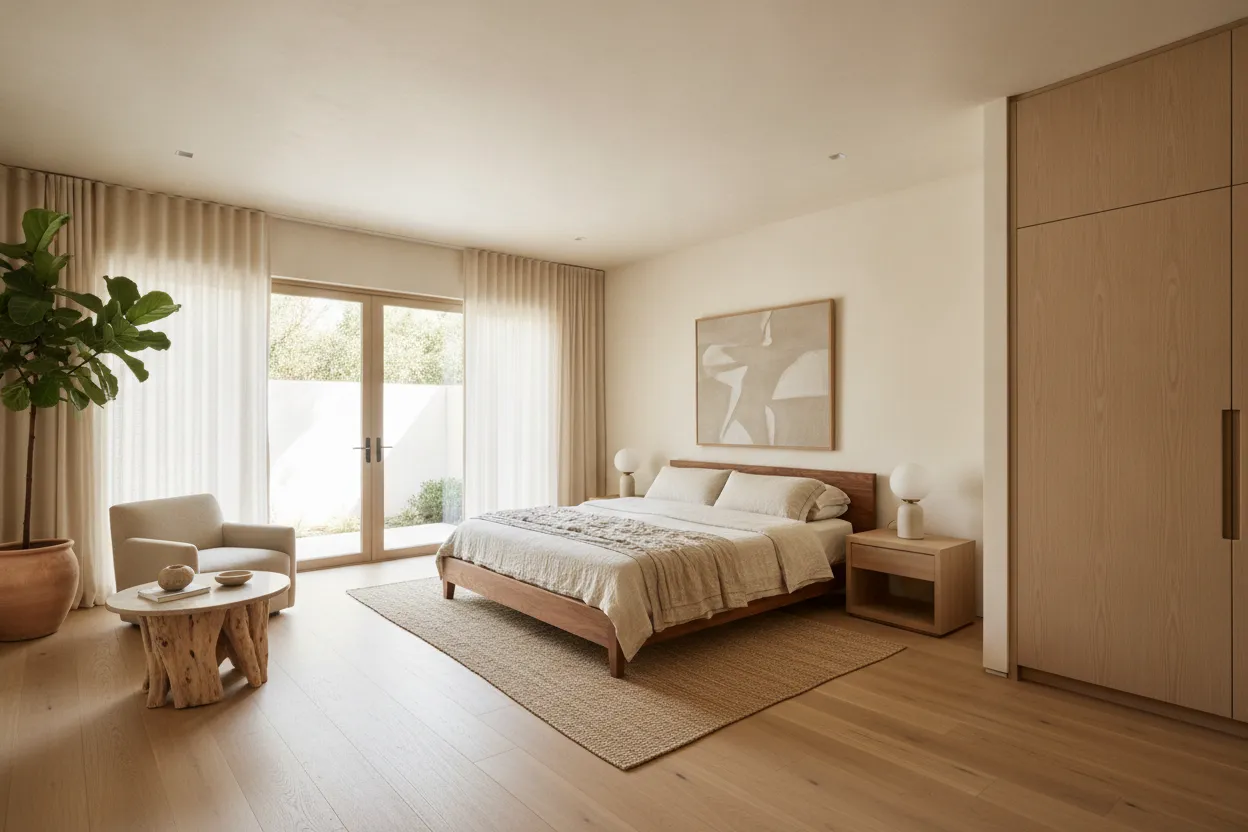
Bedrooms and bathrooms extended the same approach. The primary suite was designed as a private zone within the home, separated from the more social rooms. A well-planned suite can include a bedroom, bathroom, closets, and sitting space, although public reports should not be read as confirmation of every internal arrangement.
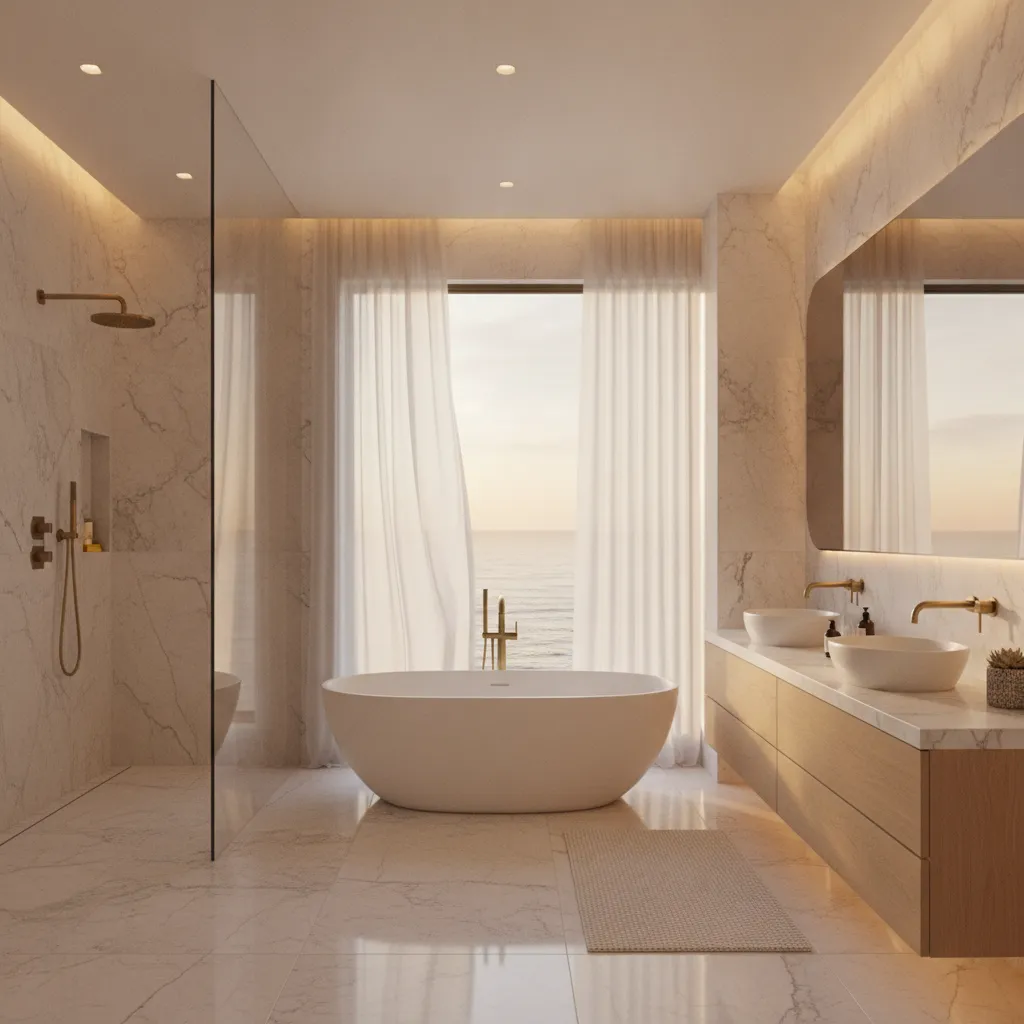
Bathrooms used hard-wearing surfaces and clean lines. Tile and marble can create a durable finish while also giving a room a strong visual identity. The quality of installation, drainage, ventilation, and maintenance is as important as the material itself, though those technical details were not fully documented in the public coverage.
Lighting shaped the mood throughout the home. Natural light entered through windows and glazed openings, while installed fixtures supported evening use. In a property near the ocean, lighting must also work with changing weather, glare, and strong afternoon sun.
The floor surfaces were another important part of the interior. Wood flooring or other continuous materials can visually connect rooms and reduce the sense of separation between spaces. The precise flooring used in every room cannot be established from selected photographs alone.
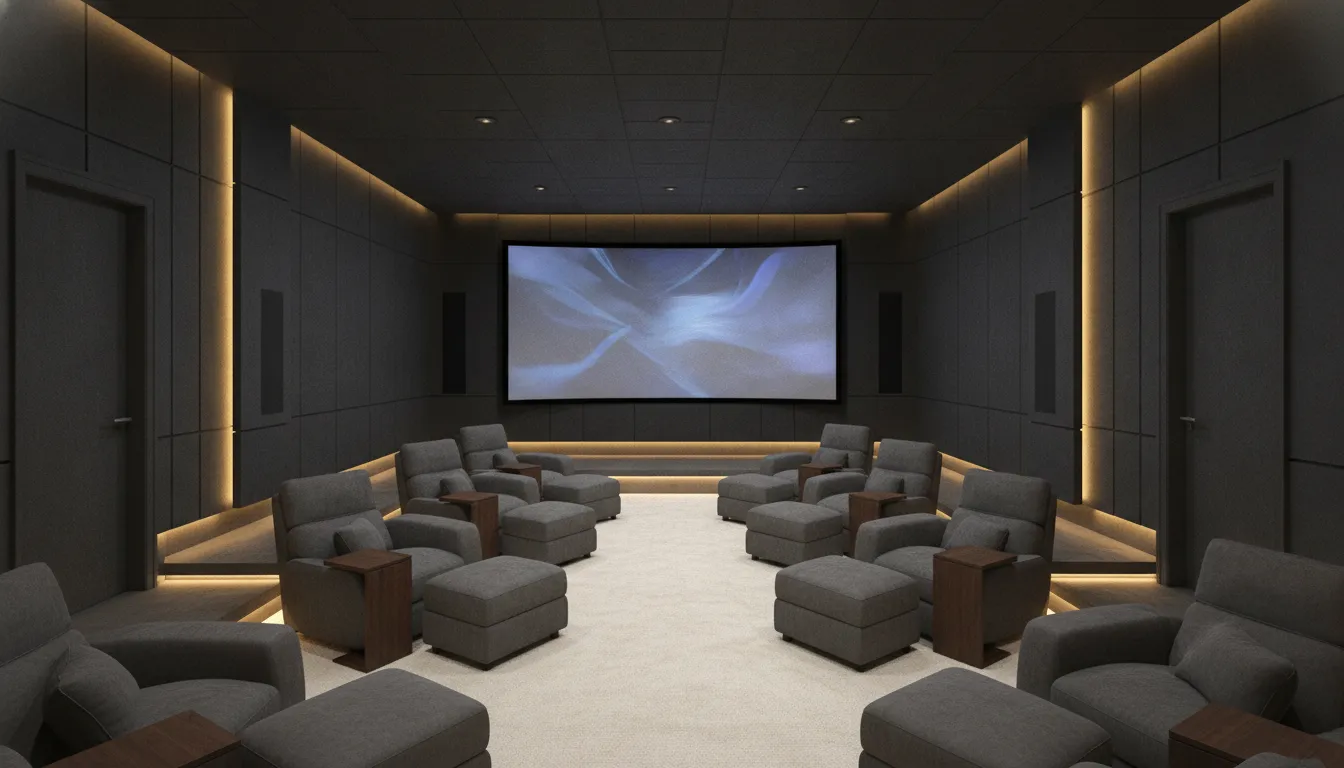
Entertainment areas were also part of the home’s appeal. A theater or media room, when included in a high-end residence, gives occupants a dedicated place for films and television. Unlike a living room, such a room can be designed around controlled lighting, comfortable seating, and sound management.
- Fixed interior elements such as flooring, cabinetry, fireplaces, installed lighting, tile, and marble generally form part of the physical home.
- Outdoor improvements may include a pool, terraces, planted areas, privacy landscaping, and built-in exterior features.
- Movable furniture, art, electronics, and personal possessions require specific confirmation in the sale agreement.
- Public photographs can show design intent but cannot establish a complete inventory of transferred items.
Outdoor space, pool design, and privacy for the new owners
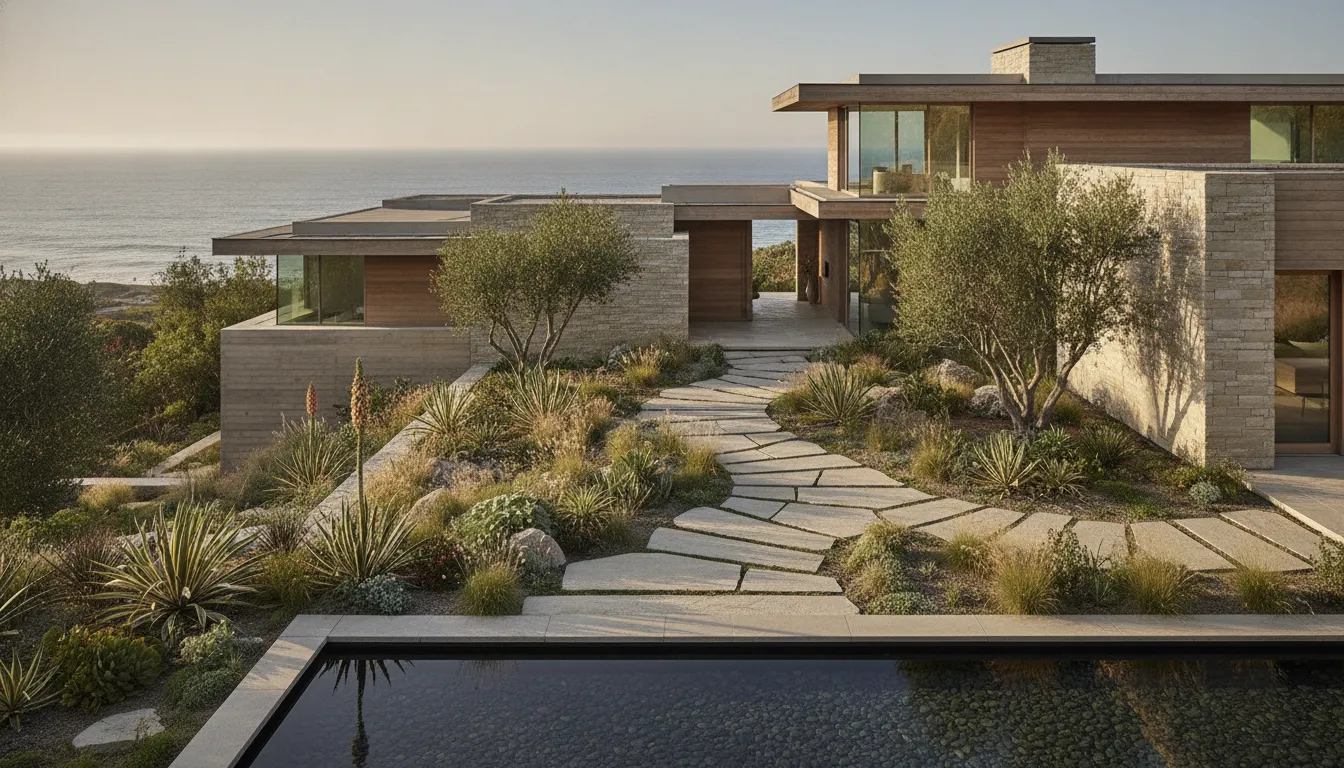
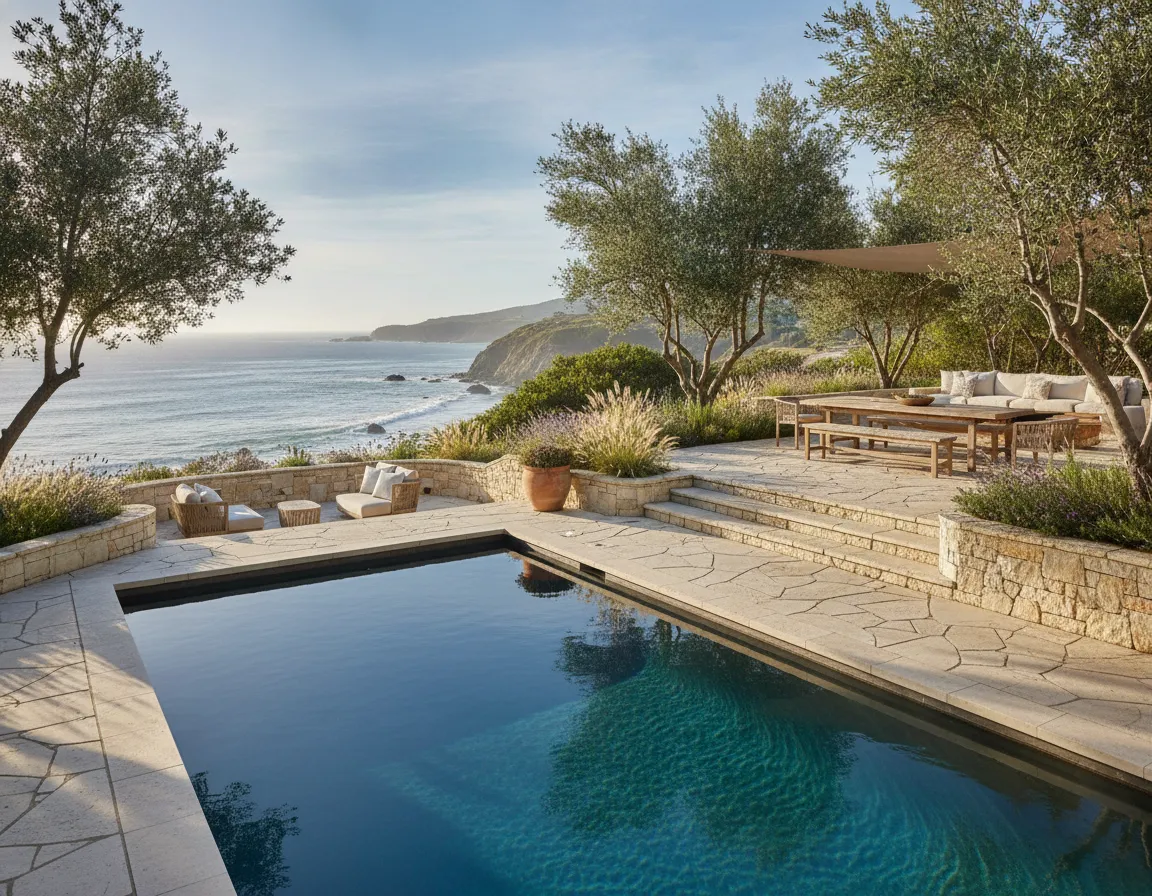
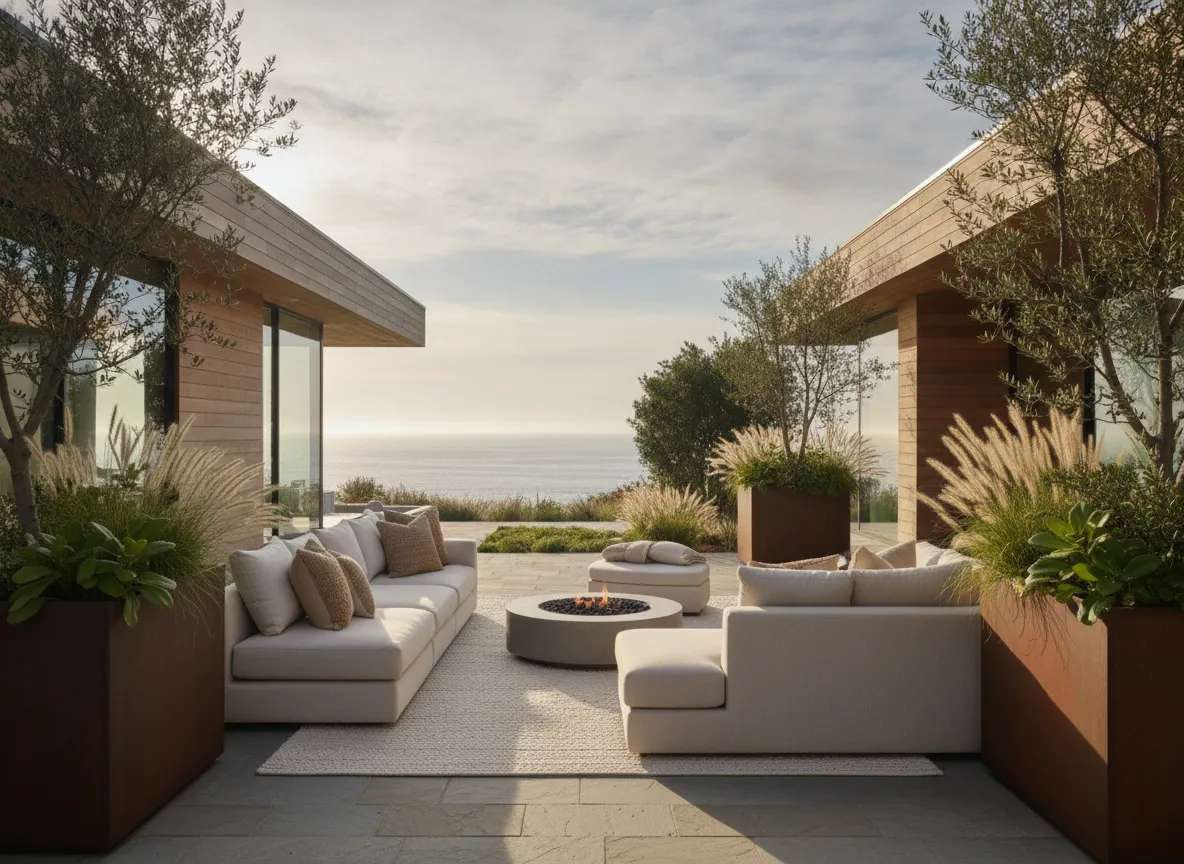
The outdoor areas were a major part of the property’s identity. Malibu homes are often valued for their relationship to the landscape, and outdoor rooms can function as extensions of the interior. Terraces, patios, gardens, and pool areas allow residents to use the property across much of the year.
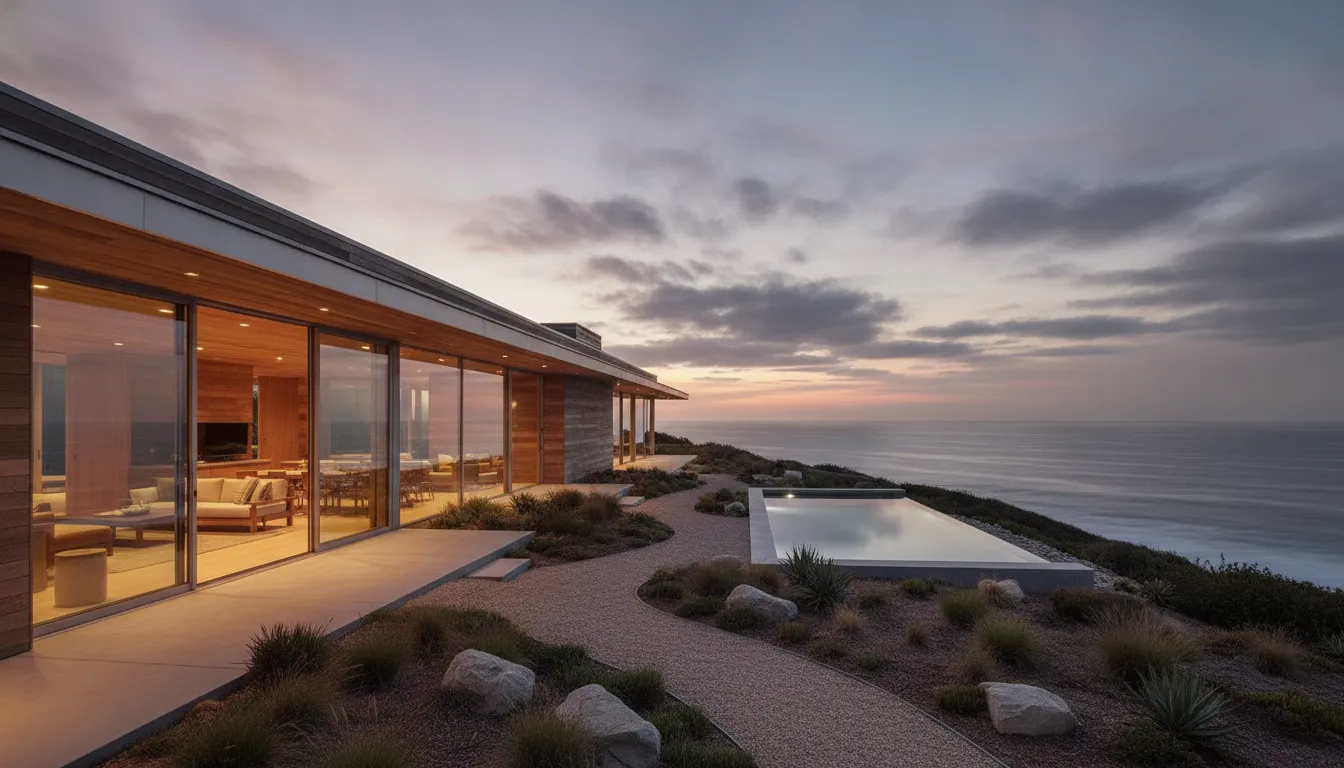
The pool provided a central recreational feature. It also influenced how the surrounding space was arranged. A pool area may include a paved deck, lounge furniture, planting, lighting, and routes connecting the house to the yard. Only fixed or specifically included features would necessarily transfer to the new owners.
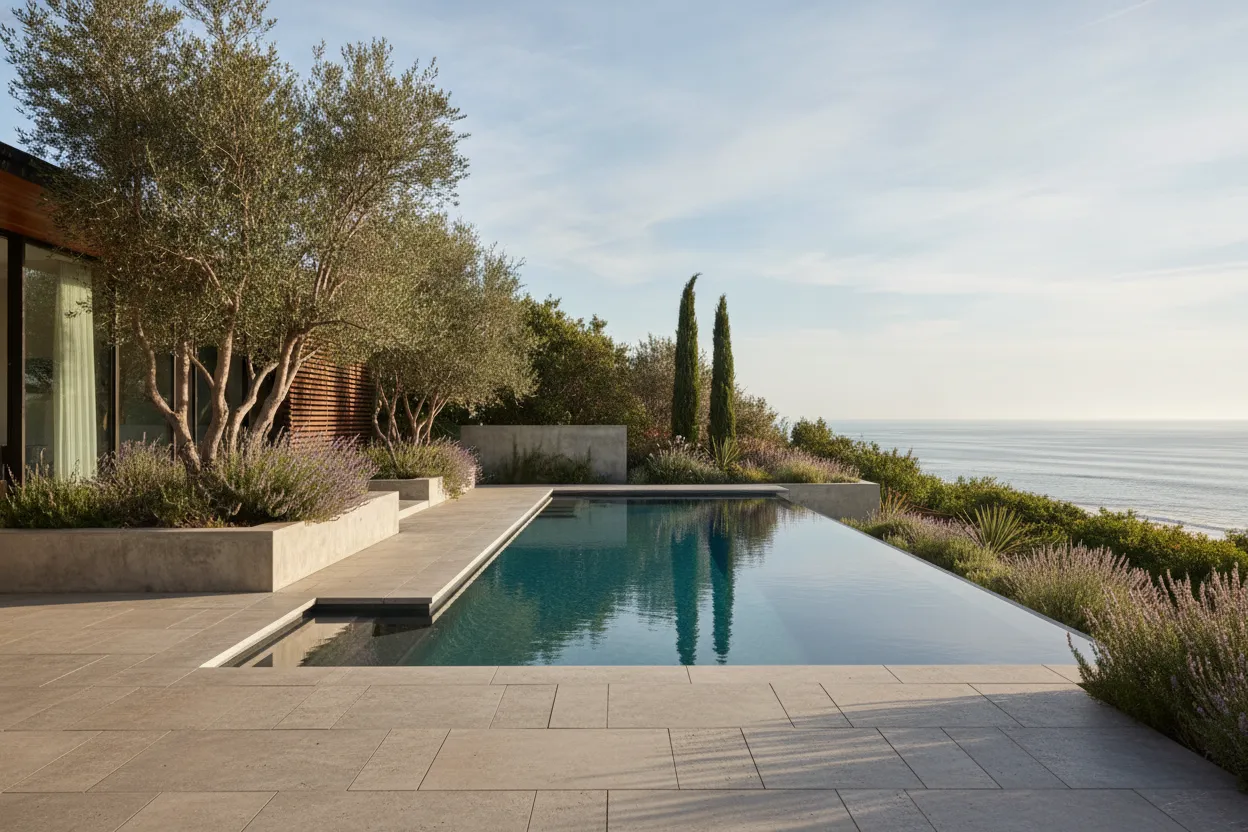
Privacy was equally important. A celebrity-owned home draws public interest, so walls, gates, landscaping, setbacks, and controlled sightlines can become practical assets. These features do not make a home completely invisible, but they can reduce direct views from nearby properties and public areas.
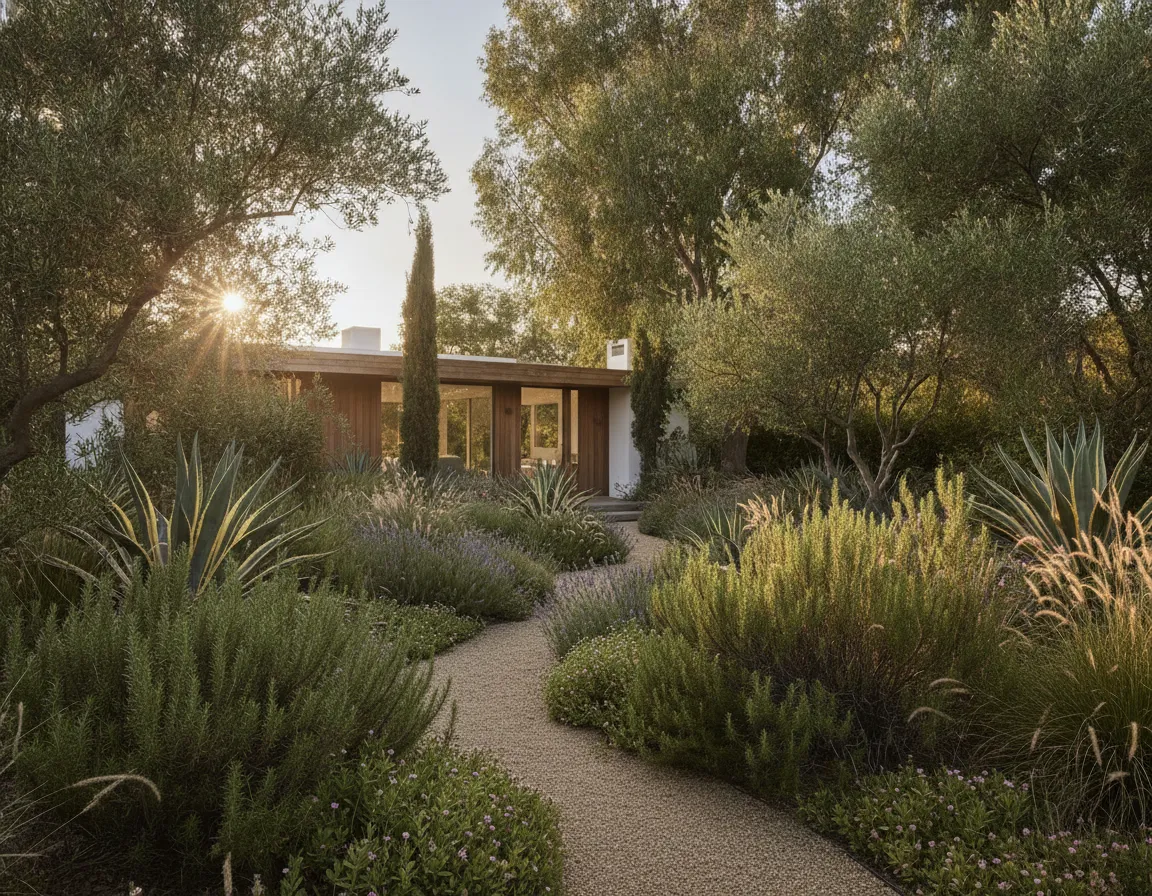
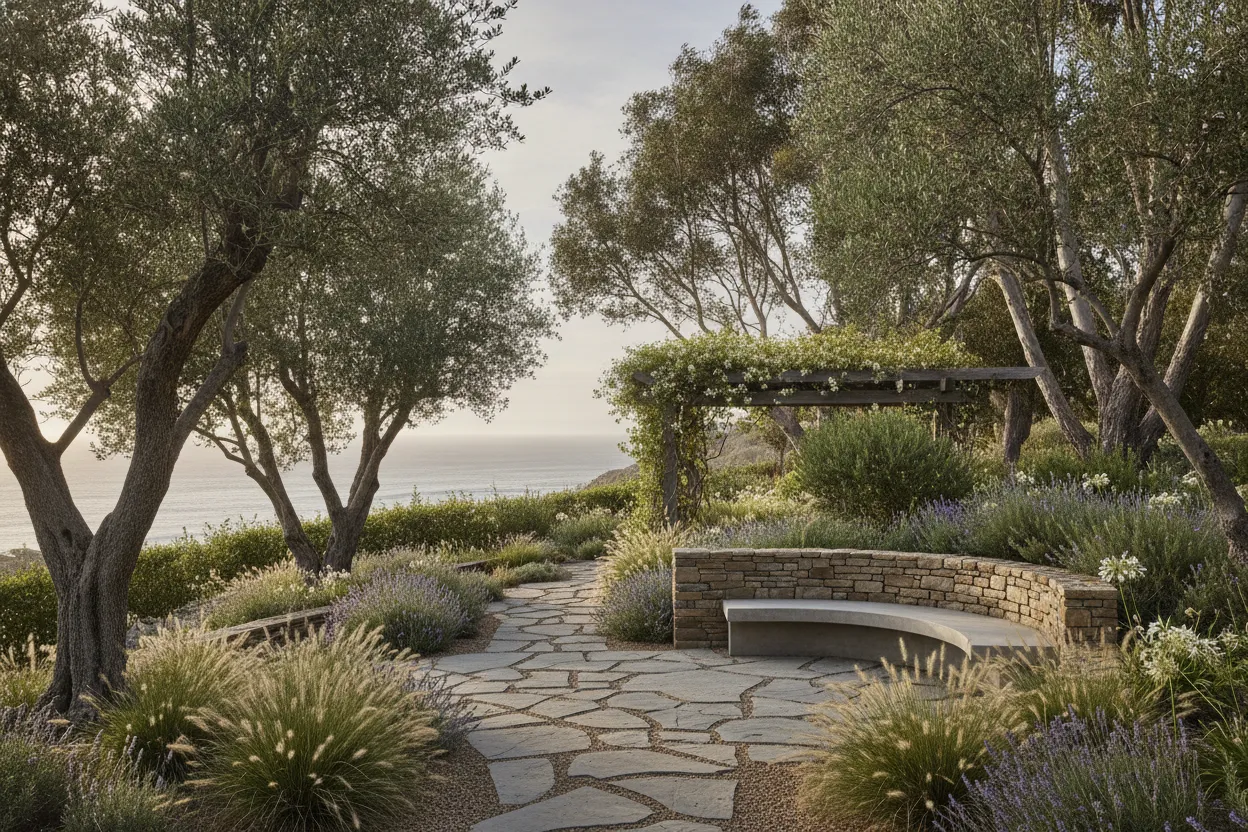
The new owners acquired the existing relationship between the home and its surroundings. That relationship can be difficult to recreate after purchase. Mature trees, established planting, built terraces, and carefully positioned windows may reflect years of planning and maintenance.
Outdoor living also changes the practical demands of a property. Pools require filtration, cleaning, water management, and safety controls. Decking and exterior stone need maintenance. Landscaping must be managed in a dry climate, while coastal air can affect metal, paint, windows, and other exposed materials.
The home’s outdoor space therefore represented both an amenity and an ongoing responsibility. The property offered privacy and recreation, but the new owners also took on the costs and decisions involved in preserving those features.

For buyers in this segment of the market, the surrounding environment can be as important as the number of bedrooms or bathrooms. A house may have attractive rooms, but its long-term appeal depends on access, privacy, maintenance, and the usability of the exterior.
Why the sale attracted attention in the Beverly Hills and Los Angeles market
The property’s association with Jennifer Lawrence placed it within a broader celebrity real-estate conversation. Reports about homes connected to actors, musicians, and television personalities often receive attention beyond ordinary market coverage. The public tends to focus on ownership history, design choices, reported prices, and comparisons with other notable properties.
That coverage can create confusion between different residences. Jennifer Lawrence has been linked in public reporting to more than one California property, including homes discussed in Beverly Hills and other Los Angeles areas. A Beverly Hills house, a Malibu property, and a residence in another neighborhood should not be treated as the same asset.
Similar confusion can arise when articles mention other public figures. Jessica Simpson, Ellen DeGeneres, and other celebrities have appeared in separate real-estate reports connected to Beverly Hills, Beverly Hills Estates, Hidden Valley, Santa Monica, and the West Village. Those references describe different transactions and should not be merged into the Malibu sale.
Some coverage has also mentioned Tatia Lee in connection with a separate Los Angeles-area property report. The name belongs to that reported transaction, not necessarily to the ownership history of the Malibu house. Careful reading is needed when several celebrity property stories appear in the same search results.
The same issue applies to phrases such as “back on the market.” A property returning to the market may have changed owners, been relisted, or been offered under different conditions. The phrase does not by itself establish that the Malibu home was part of a separate Beverly Hills sale.
Reported prices can also be difficult to compare. An asking price is not the same as a confirmed sale price. A listing at $11.5 million, for example, would describe an offer to the market unless a completed transaction at that figure was separately confirmed. Taxes, renovation costs, furnishings, and transaction expenses can further affect the economic result.

Celebrity ownership can influence attention, but it does not replace ordinary property analysis. A buyer still needs to examine title, permits, systems, insurance, coastal conditions, maintenance records, and the legal terms of the purchase. Public interest may raise visibility without changing the physical qualities of the house.
The new owners also inherited the property’s place in the public record. Future coverage may continue to refer to the former owner, even though the house has changed hands. That association can be valuable for media attention, but it can also create privacy concerns for people who did not seek public recognition.
Gallery: rooms and features associated with the reported home

Conclusion
The new owners acquired a private Malibu residence with reported living spaces, a primary suite, marble and tile finishes, a pool, landscaped outdoor areas, and established privacy features, while the exact sale inventory remains private.
Additional photos are available in the gallery below.