A Minecraft Movie: How Fans, Memes, and Box Office Momentum Made It a Hit
A Minecraft Movie turned a block-built video game into one of 2025’s biggest movie events. The film arrived with a famous cast, a huge fan base, and a trailer that sparked instant debate. It also created something rare in modern theaters: audiences treated screenings like live events.
Teenagers shouted, applauded, threw popcorn, and filmed their reactions. Some theaters called police to remove disruptive guests. At the same time, the movie earned far more money than most industry experts expected. Its success came from a mix of brand power, smart timing, social media energy, and a story that welcomed both dedicated players and casual viewers.
Record Results From an Unexpected Opening Weekend
The minecraft movie opened in the United States on April 4, 2025. Its first weekend produced a remarkable $314 million worldwide. The total included about $163 million in North America and $151 million from international markets.
That result placed the film above major recent releases such as Barbie and The Super Mario Bros. Movie in terms of opening-weekend revenue in North America. The result was especially striking because early forecasts were much lower. One optimistic estimate placed the domestic opening near $70 million. The final figure was more than twice that amount.
The box office performance showed the strength of the Minecraft name. The game had already built a global audience across many age groups. Its simple blocks and open-ended rules made it easy for new players to understand. Its creative tools gave longtime fans a reason to stay involved for years.
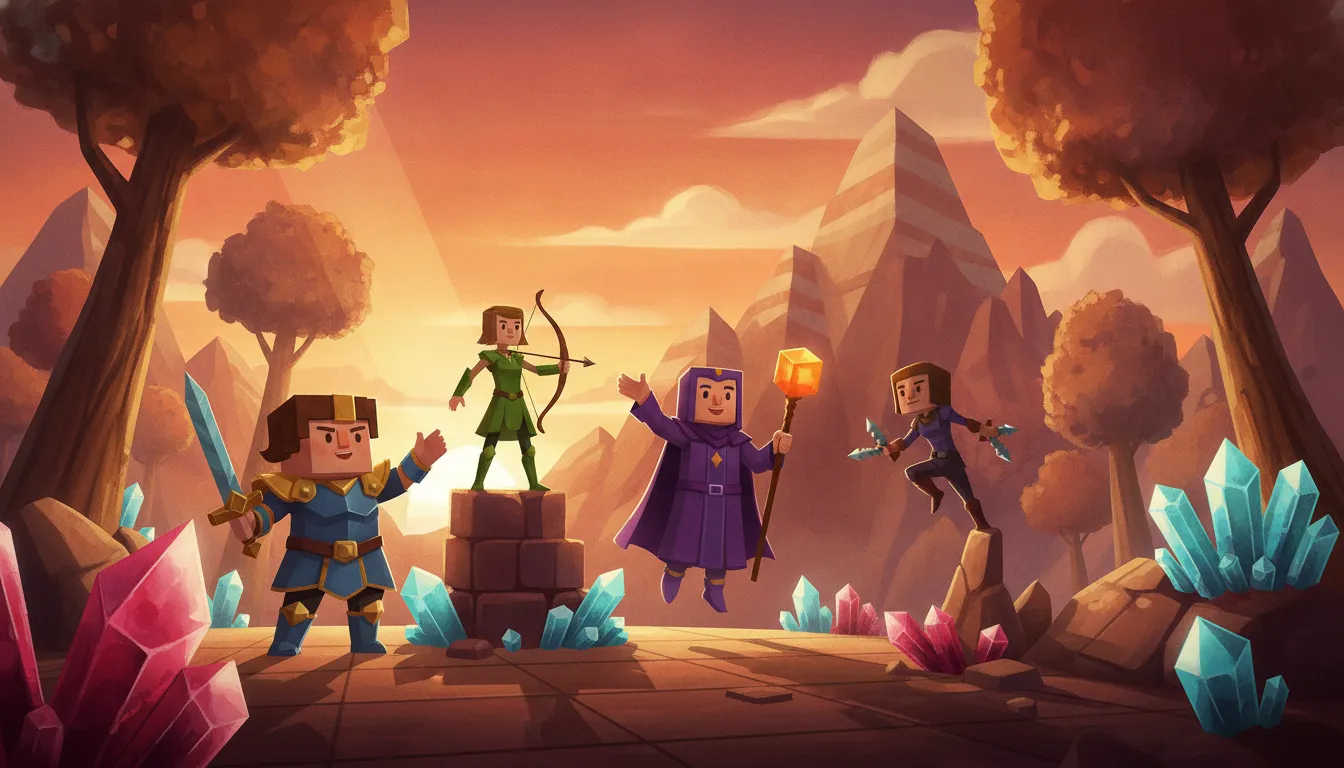
The timing also helped. The release arrived during school and college vacations in the United States. Younger viewers had more free time, and families were looking for a large-scale movie experience. That schedule gave the film several strong advantages:
- Kids and teenagers could attend in large groups.
- Parents could recognize the game and join the experience.
- Fans had more time to create videos and memes after watching.
- The movie filled a gap between major theatrical releases.
The opening was not driven only by critics or traditional advertising. It grew through conversations between fans. A short reaction video could encourage another group to buy tickets. A funny line could become a meme before the weekend ended. A single scene could turn into a reason to see the film in a crowded theater rather than wait for home viewing.
That pattern is important. The minecraft movie did not behave like a normal family release. It became a shared event. The box office benefited from repeat conversations, group attendance, and the feeling that viewers needed to see the film before social media spoiled its most talked-about moments.
Fans Turned Screenings Into Loud Public Events
The strongest cultural story around the minecraft movie was not found in the plot. It happened inside theaters. Many young fans reacted to the film with the energy of a concert. They shouted at funny scenes, clapped, stood in their seats, and celebrated familiar references.
The biggest response centered on chicken jockey, a strange game enemy that appears as a baby zombie riding a chicken. In the game, the combination is unusual and memorable. In the movie, the moment became a trigger for loud audience reactions.
Videos posted online showed crowds yelling when the chicken jockey appeared. Some viewers raised their friends into the air. Others threw popcorn toward the screen. The reactions became part of the film’s identity, even for people who had not yet bought a ticket.
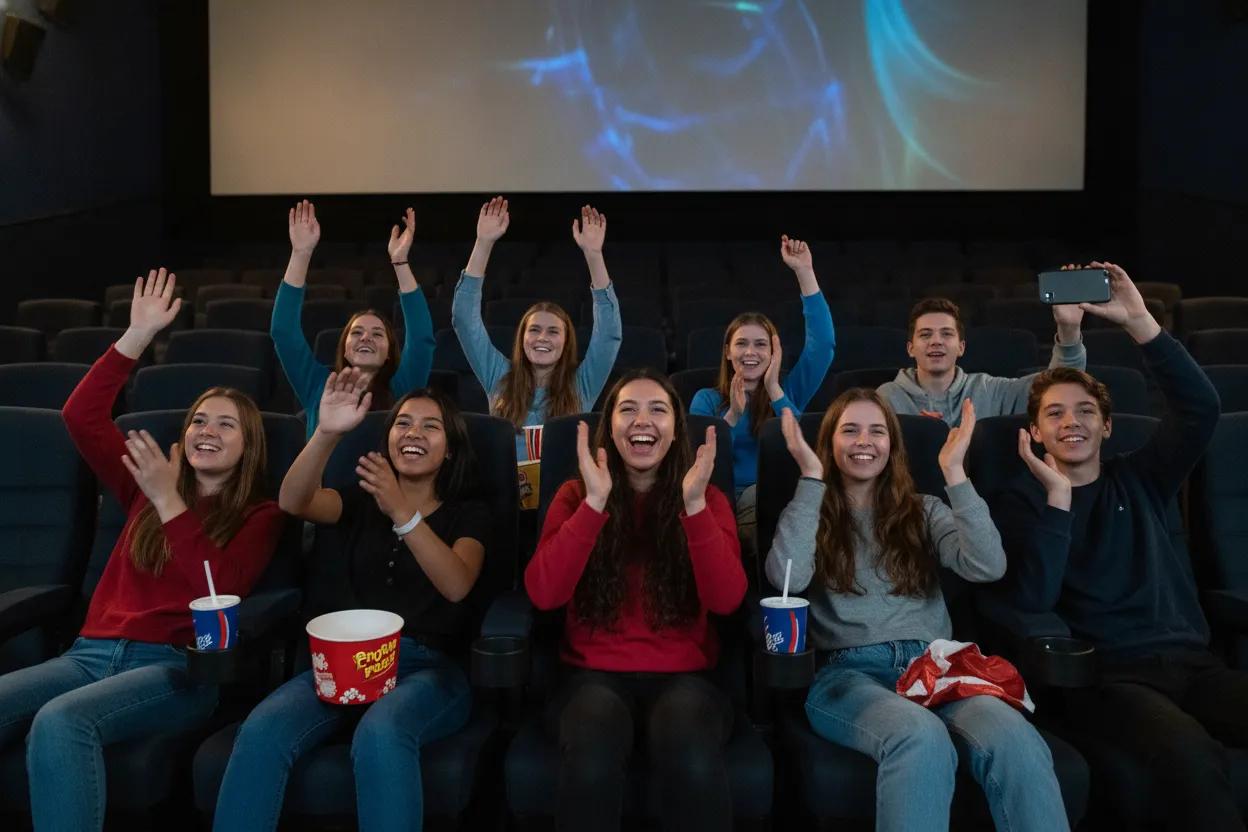
Some theaters struggled to manage the noise. Reports described warnings asking guests not to scream, clap, participate in TikTok trends, or disturb other people. In a few locations, police officers were called to help remove the most disruptive guests. Those viewers often lost their tickets without a refund.
The behavior created a clear divide. Many younger fans saw the noise as part of the fun. Some adults saw it as rude and distracting. People who expected a quiet film had a very different experience from those who arrived hoping to celebrate with a crowd.
That tension helped the movie receive even more attention. News stories and social posts discussed the theater behavior as much as the film itself. The debate reached people who had never played the game. They wanted to understand the excitement, the memes, and the sudden appearance of the phrase “chicken jockey” across social platforms.
“The most optimistic forecast for the first weekend in the United States was around $70 million. In reality, American theaters brought in more than twice that amount.” — Vasily Goverdovsky, film critic quoted by Afisha Daily
The reaction also showed how younger audiences use movies. A screening can be a social performance. Viewers do not always want to sit silently and leave. They may want to quote lines, record a reaction, rank scenes, and build an online identity around the experience.
That does not mean every viewer enjoyed the behavior. Some adults called the film weak and described the theater trend as exhausting. Others praised young people for supporting entertainment that felt meaningful to them, rather than following older generations’ tastes.
Both responses helped the minecraft movie. Praise created enthusiasm. Complaints created debate. Together, they kept the film visible in news feeds and search results.
Jack Black and Jason Momoa Give the Adventure a Human Center
The minecraft movie needed more than familiar blocks. It needed characters who could carry a feature-length story. The cast gave the production a strong comic identity, led by Jack Black and Jason Momoa.
Jack Black plays Steve, a character connected to the game’s creative spirit. Black brings physical comedy, unusual energy, and a sense of playful confidence to the role. His style fits a world where the rules can change quickly and a simple object may become part of a large adventure.
Jason Momoa plays Garrett “The Garbage Man” Garrison. The character is far removed from Momoa’s serious action roles. That contrast became part of the movie’s appeal. Audiences recognized the actor, but they saw him in a colorful comedy instead of a traditional heroic drama.
The pairing of Jack Black Jason Momoa became a major marketing asset. Their different screen personalities created a useful rhythm. Black leans into wild comic timing, while Momoa can play the straight man, the reluctant hero, or the oversized personality. Their scenes give the movie a recognizable tone before the story reaches its largest set pieces.
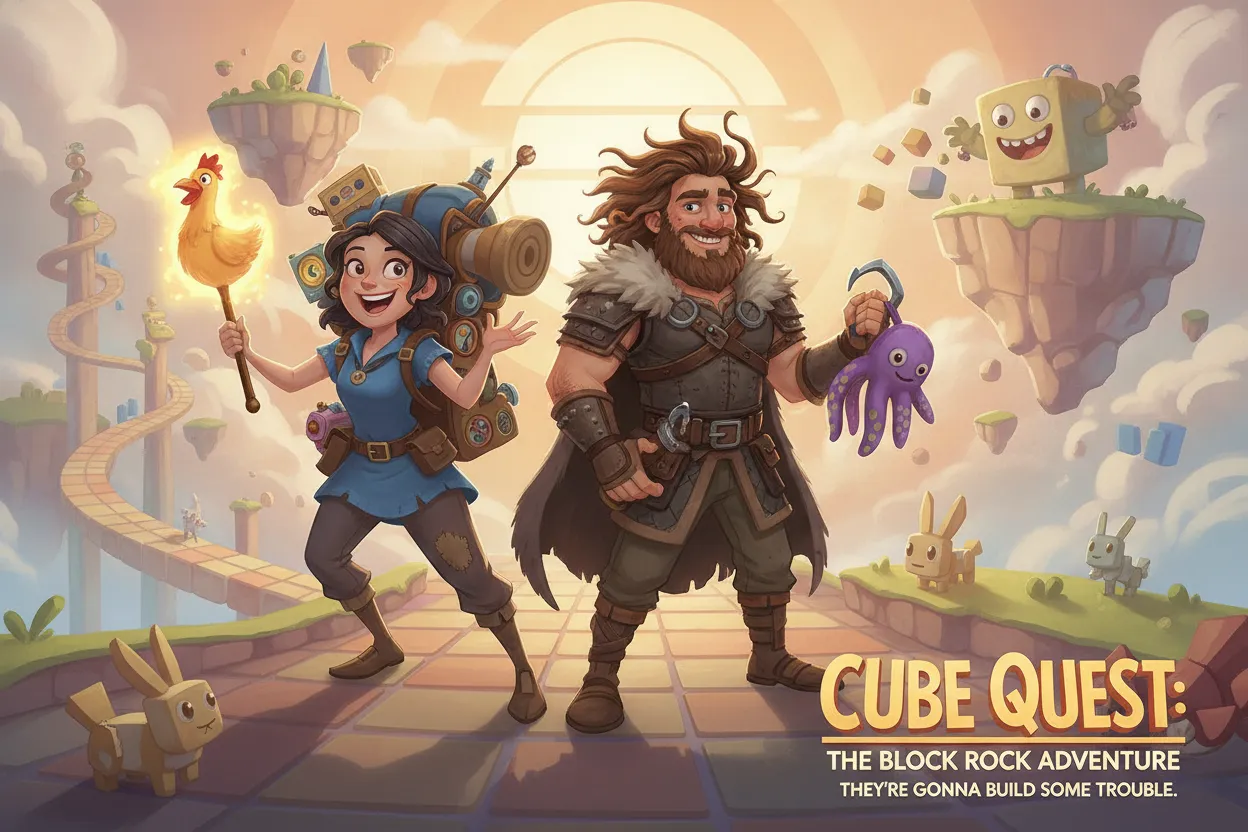
The wider cast includes Emma Myers, Danielle Brooks, Sebastian Eugene Hansen, and Jennifer Coolidge. Together, the performers create a group of outsiders who must work together after entering a strange new world.
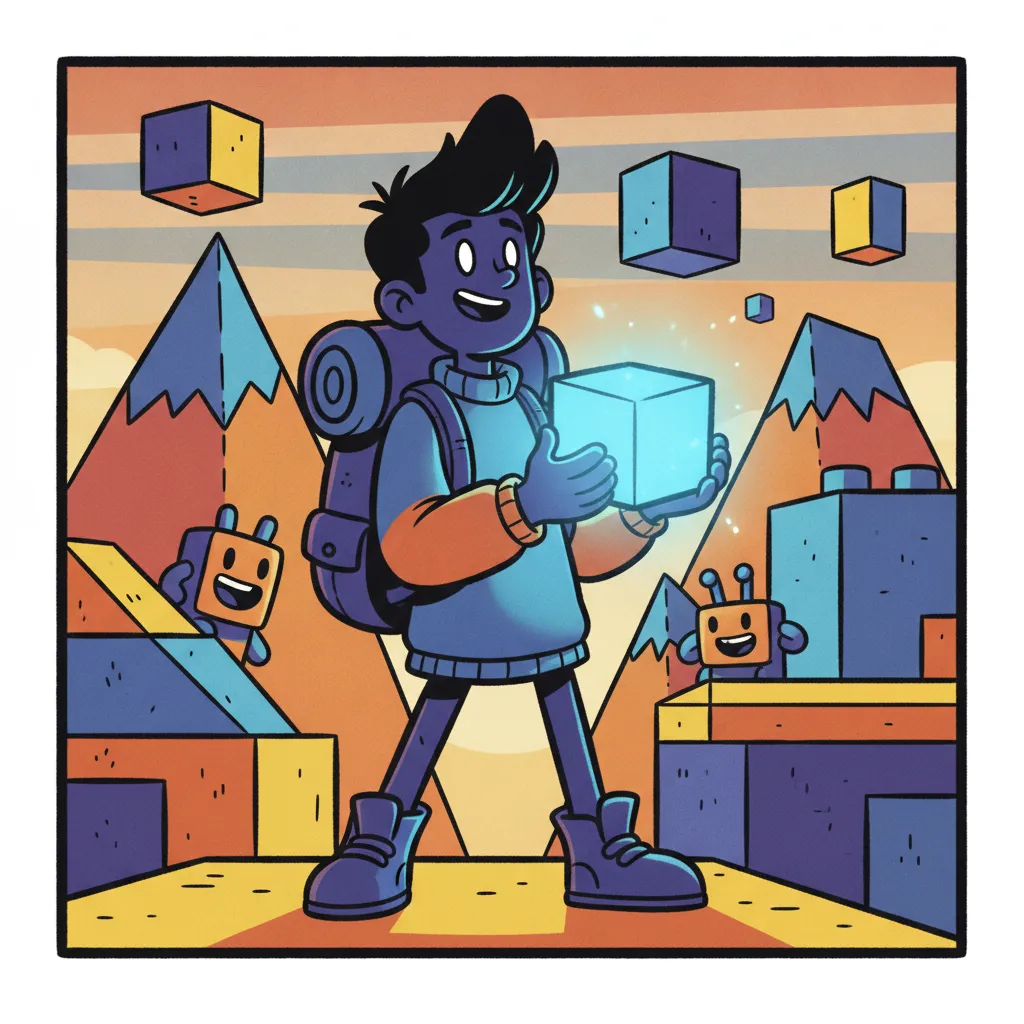
The story follows four misfits who are suddenly pulled through a mysterious portal into the Overworld. They must learn how the cubic wonderland thrives on imagination, gather the courage to face danger, and find a way to get back home.
That basic setup is easy to understand. It also reflects the game’s open structure. Players begin with limited resources, explore an unfamiliar world, build tools, and deal with threats. The film turns those actions into a conventional quest while keeping the feeling of discovery.
The characters are not presented as expert heroes from the start. They are confused, imperfect, and forced to learn. This makes the adventure accessible to viewers who know little about the video game. Fans can recognize familiar objects and creatures, while newcomers can follow the emotional journey without reading a guide.
The movie’s comedy also lowers the barrier to entry. A serious fantasy story may ask audiences to memorize history, magic systems, and political factions. The minecraft movie uses a simpler route. It places ordinary people in a strange setting and lets their reactions provide much of the humor.
A Familiar Game World With Room for New Viewers
Video game adaptations have improved their reputation in recent years. Movies and television shows based on games now receive more attention from studios, critics, and fans. The success of The Super Mario Bros. Movie, Sonic the Hedgehog 3, and Five Nights at Freddy’s showed that game-based stories can reach beyond their original players.
The minecraft movie benefited from that trend. It arrived after audiences had already shown interest in video game adaptations. Viewers were more willing to believe that a game could become a successful movie, even if the original experience had little traditional plot.
Minecraft is also an unusually flexible property. The game does not force players to follow one story. They can build homes, explore caves, fight monsters, farm, trade, or create large machines. That freedom gave filmmakers a wide creative space.
| Feature | Game experience | Movie translation | Audience benefit |
|---|---|---|---|
| Open exploration | Players choose where to travel and what to build. | The characters move through a changing Overworld. | New viewers discover the setting alongside the heroes. |
| Crafting | Resources become tools, shelter, and weapons. | Objects and materials support jokes and action scenes. | Fans recognize details without long explanations. |
| Survival threats | Players face hostile creatures and dangerous environments. | The group must cooperate against creatures and villains. | The quest has clear stakes and forward motion. |
| Creative freedom | Players shape the world through building and imagination. | Imagination becomes part of the solution. | The film connects its fantasy setting to a human theme. |
The movie does not need to recreate every part of the game. It only needs to capture the feeling of entering a world where anything can be built. That idea gives the film a strong visual identity and supports its family-friendly appeal.
The cubic design is simple, but it is not empty. A block can be a wall, a tool, a joke, or a threat. The visual style also made the trailer easy to recognize. A viewer could identify the project from a few shapes, colors, or creatures.
At the same time, the film had to avoid becoming a collection of game references. A story made only from cameos and objects might satisfy players for a few minutes but fail as a movie. The four misfits provide a reason to move from one set piece to the next. Their relationships create an emotional path through the spectacle.
This balance helped the minecraft movie serve two groups. Experienced players could search the screen for details. Casual viewers could focus on the comedy, friendship, and quest. Neither group needed to understand every reference to enjoy the central story.
Warner Bros. Built a Campaign Around Recognition
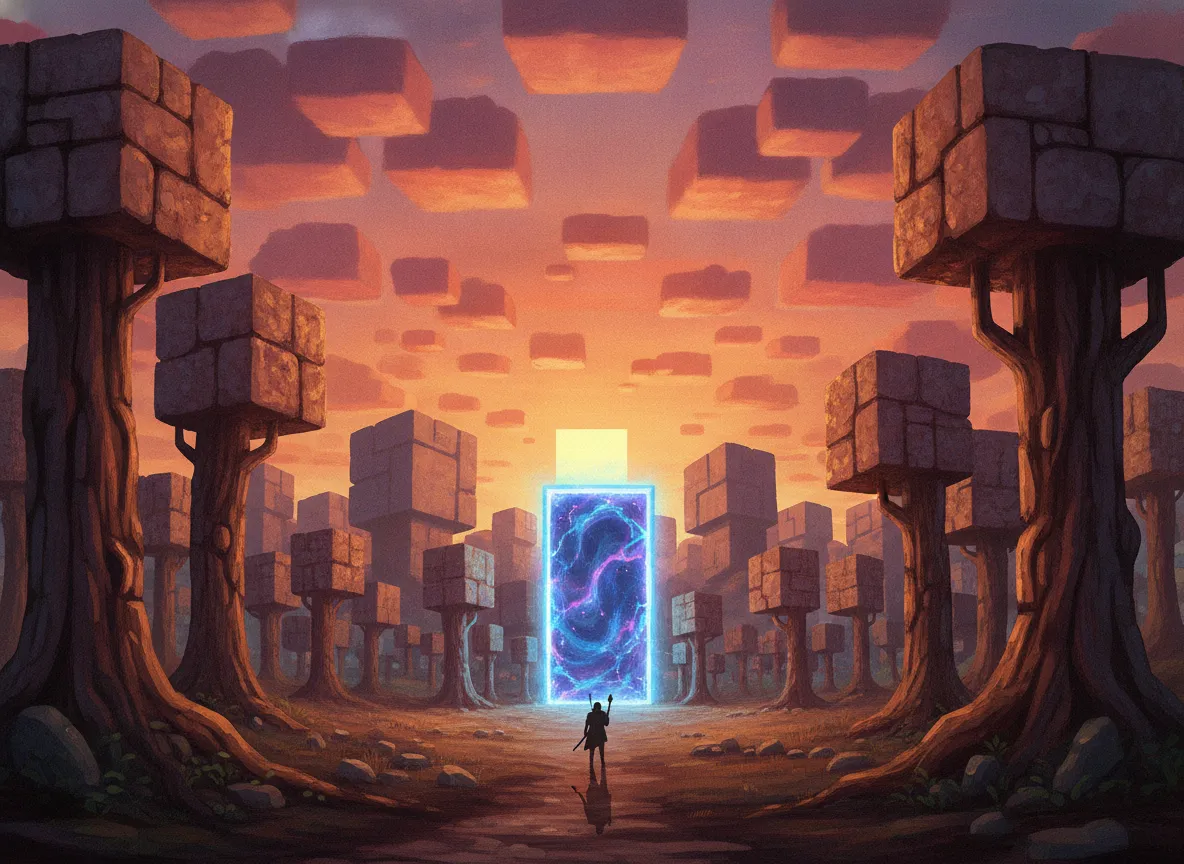
Warner Bros. supported the movie with a broad campaign that reached gamers, families, and people who simply enjoy large comedy adventures. The marketing did not rely on one message. It used the game’s name, the cast, recognizable creatures, and a stream of colorful promotional material.
Brand partnerships also expanded the film’s reach. Campaigns linked to companies such as McDonald’s, Doritos, and Oreo placed Minecraft imagery in everyday spaces. These promotions made the movie visible outside theaters and entertainment websites.
The strategy worked because the game already had strong recognition. A person did not need to understand every plot detail to know what the film represented. The word Minecraft carried memories of building, exploration, online play, and childhood creativity.
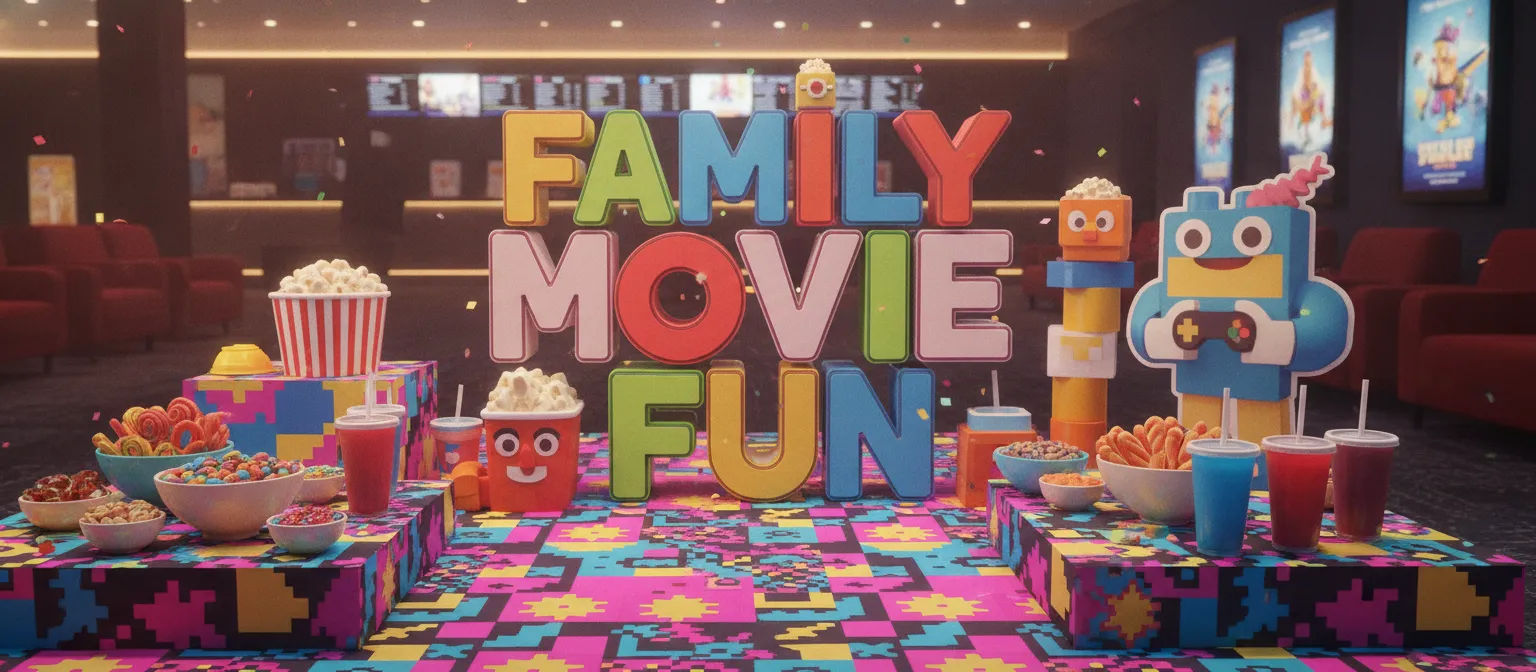
The trailer played an important role. It introduced the portal, displayed the unusual visual style, and highlighted the chemistry between Jack Black and Jason Momoa. It also showed enough strange creatures and action to invite speculation.
Some viewers were skeptical after seeing the trailer. The tone looked loud and intentionally silly. Others responded positively because the movie appeared to understand the game’s playful nature. Either way, the trailer created a strong reaction instead of fading into a crowded release schedule.
Social media turned that reaction into free promotion. Fans edited clips, repeated lines, created parody videos, and debated whether the film was brilliant or terrible. The conversation was not always positive, but it was active. For a movie aimed at younger audiences, that activity mattered.
Marketing also benefited from a simple visual system. The movie could appear in a poster, a short video, a restaurant display, or a phone screen and remain recognizable. Cubic landscapes, familiar creatures, and bright colors made the campaign easy to share.
The most effective campaigns do not merely tell people that a film exists. They give audiences something to repeat. In this case, fans had character names, strange creatures, short jokes, and memorable scenes. The chicken jockey became one of the clearest examples. A small moment in the movie became a large part of the online conversation.
Audience Debate Gave the Film a Life Beyond the Screen
The cultural impact of the minecraft movie came from its ability to create different experiences for different viewers. Fans saw a celebration of a game they had played for years. Parents saw a family movie with familiar actors. Online audiences saw a source of jokes, arguments, and reaction videos.
That range helped the film reach beyond a single age group. Children and teenagers formed the loudest part of the audience, but adults also recognized the game. Some had played Minecraft themselves. Others knew it through their children, relatives, or online culture.
Critics were more divided. Some reviews argued that the movie was too simple or too dependent on references. Others appreciated its bright production design, comic cast, and uncomplicated sense of fun. The split did not stop the film from reaching viewers.
This is common with properties that have a strong fan base. Professional reviews are only one part of the decision. Personal connection can matter more. A viewer may accept a familiar character, joke, or game mechanic because it recalls years of play.
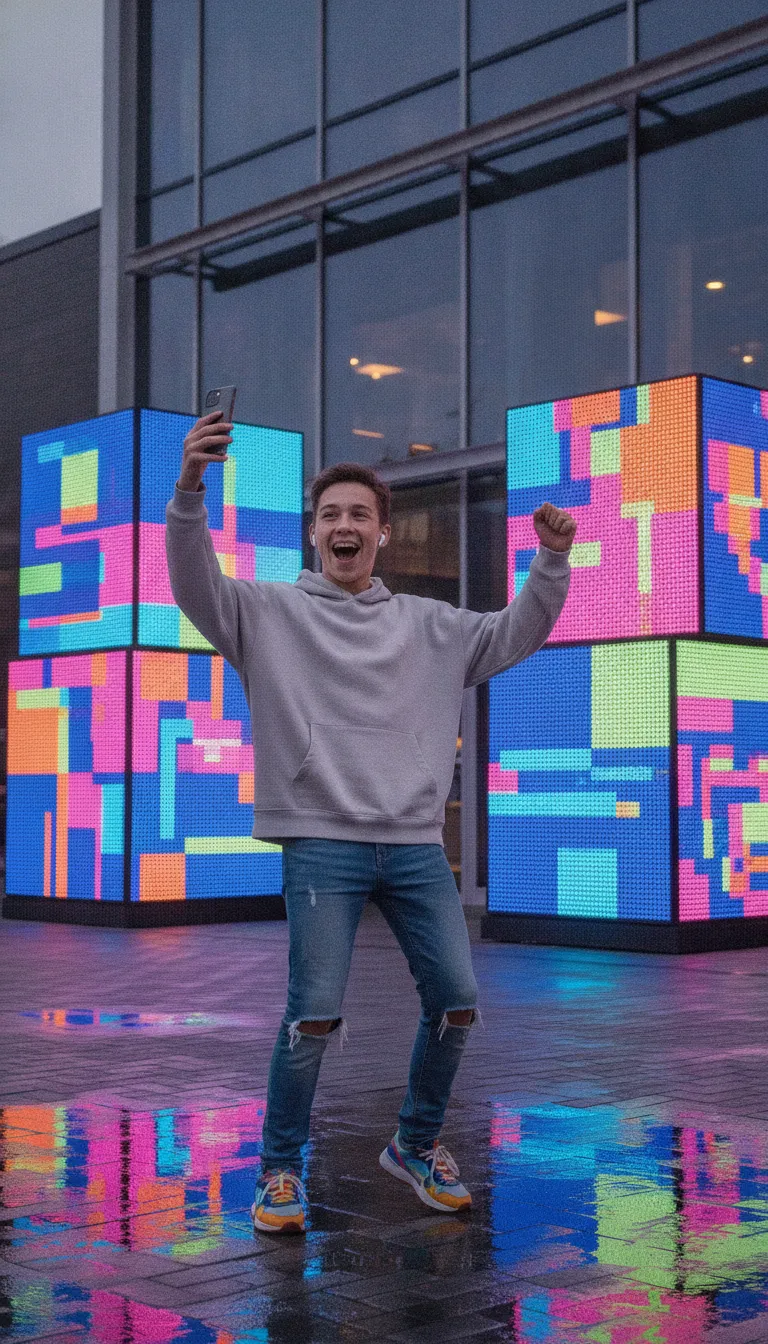
Theater behavior became a symbol of that generational divide. Some people viewed the shouting as a problem that damaged the cinema experience. Others saw it as evidence that young audiences were excited about movies at a time when many releases struggle to create communal energy.
Both views contain some truth. A packed theater can make a comedy feel funnier and a surprise feel larger. But noise can also make it difficult for other guests to hear the story. The controversy showed that modern audiences do not always agree about the purpose of a public screening.
The debate also reflected a larger change in fan culture. Young viewers often move easily between watching, recording, commenting, and performing. A film does not end when the credits begin. It continues through clips, rankings, memes, and discussions about the best scenes.
The chicken jockey became a perfect example of this process. Fans could identify the moment, imitate the response, and compare their theater experience with videos from other cities. The scene became less like a private joke and more like a shared signal.
Even the negative reactions contributed to the movie’s reach. People who disliked the film discussed it in detail. They compared the comedy with other game adaptations. They argued about whether the audience behavior was exciting or embarrassing. Each discussion kept the movie in public view.
The success also sent a message to studios. A current, well-known brand can be more valuable than a familiar celebrity alone. The critic quoted by Afisha Daily compared the film with other releases that had recognizable actors but lacked an equally current connection with younger audiences.
That lesson may influence future adaptations. Studios will probably search for properties with active communities, strong visual identities, and built-in online conversation. Yet copying the surface features will not guarantee success. A meme cannot always be planned. The Minecraft audience had already built years of shared language before the movie arrived.
Creative Confidence Kept the Minecraft Movie Moving
The minecraft movie became a hit because several useful factors arrived at the same time. The game had a massive audience. The cast offered comic recognition. The release date supported family attendance. The marketing created visibility. Social media turned audience reactions into a continuing story.
No single element explains the result. A famous cast could not guarantee success without a strong brand. A popular game could not guarantee a good opening without accessible promotion. Viral videos might create curiosity, but they could not replace the basic appeal of a theatrical adventure.
The film also understood the value of simplicity. Its central story is easy to describe: four misfits enter a mysterious portal, face a dangerous world, and try to get back home. That clear structure leaves room for jokes, action, creatures, and visual surprises.
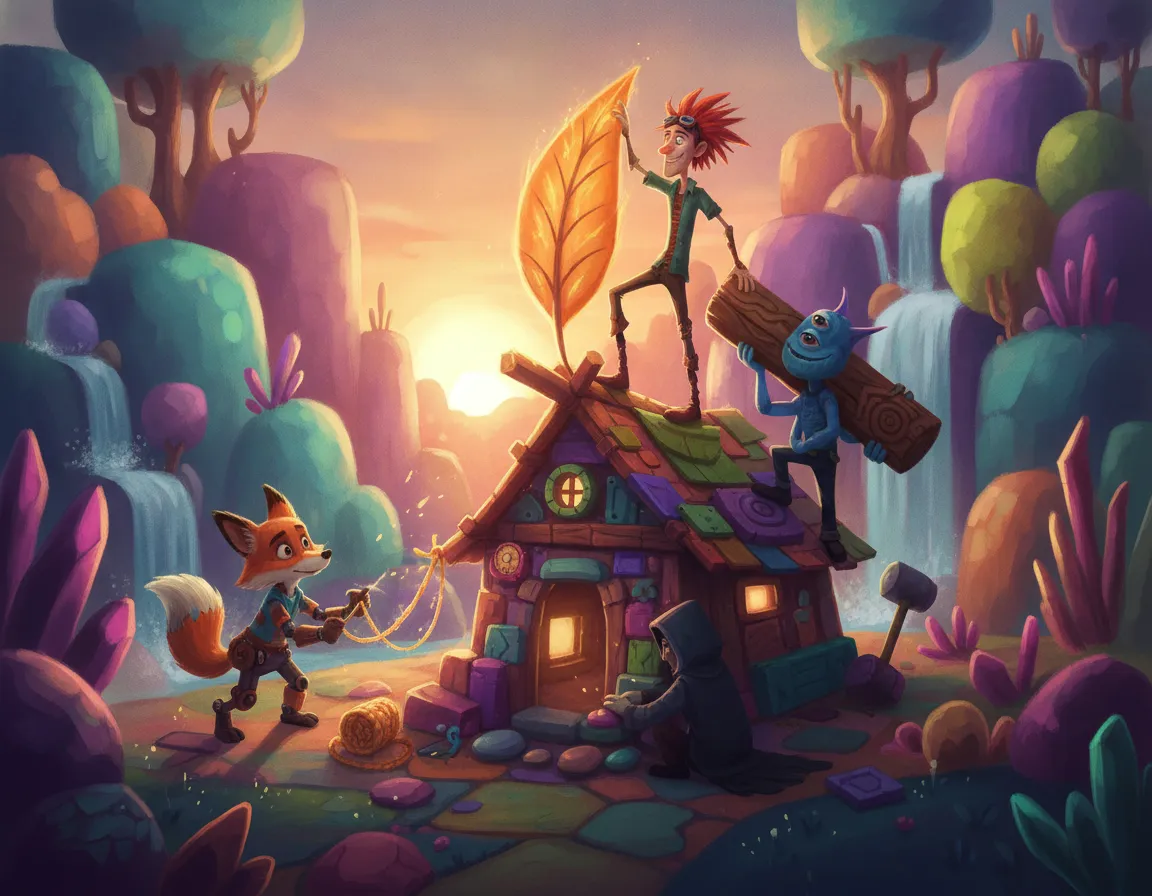
That simplicity is not the same as a lack of ambition. The world is large, colorful, and full of possible threats. The film can move from comedy to action without abandoning its core visual style. It can appeal to children through bright creatures while giving older viewers a familiar cast and a fast comic rhythm.
Jack Black and Jason Momoa also helped make the film feel like a group experience. Their names attracted viewers who might not have been regular Minecraft players. Their performances gave the adaptation a personality beyond its source material.
The project’s success may encourage more unusual video game adaptations. Games without a traditional plot can still support movies if filmmakers understand the emotional promise behind the gameplay. Minecraft is about more than blocks. It is about making a place, solving problems, exploring with friends, and shaping a world through creativity.
The result is a movie that became larger than its reviews. Its audience reactions, box office results, and online debates formed a complete cultural event. People argued about the film, quoted it, filmed it, and returned to it with friends.
That is the lasting lesson of A Minecraft Movie. The strongest adaptations do not simply copy a game’s images. They identify the feeling that made the game important and build a story around it. In this case, that feeling was the freedom to enter a cubic wonderland, create something unexpected, and share the experience with others.
The film’s path from video game to box office phenomenon was unusual, noisy, and sometimes controversial. Yet those qualities were also part of its power. The Minecraft world thrives on imagination, and the movie found a way to bring that imagination into theaters, social feeds, and the wider culture.
For audiences, the experience was never only about watching a movie. It was about recognizing a world they already knew, inviting new viewers inside, and deciding together which scenes deserved to become unforgettable.