The new wireless communication standard, Li-Fi, is 100 times faster than Wi-Fi

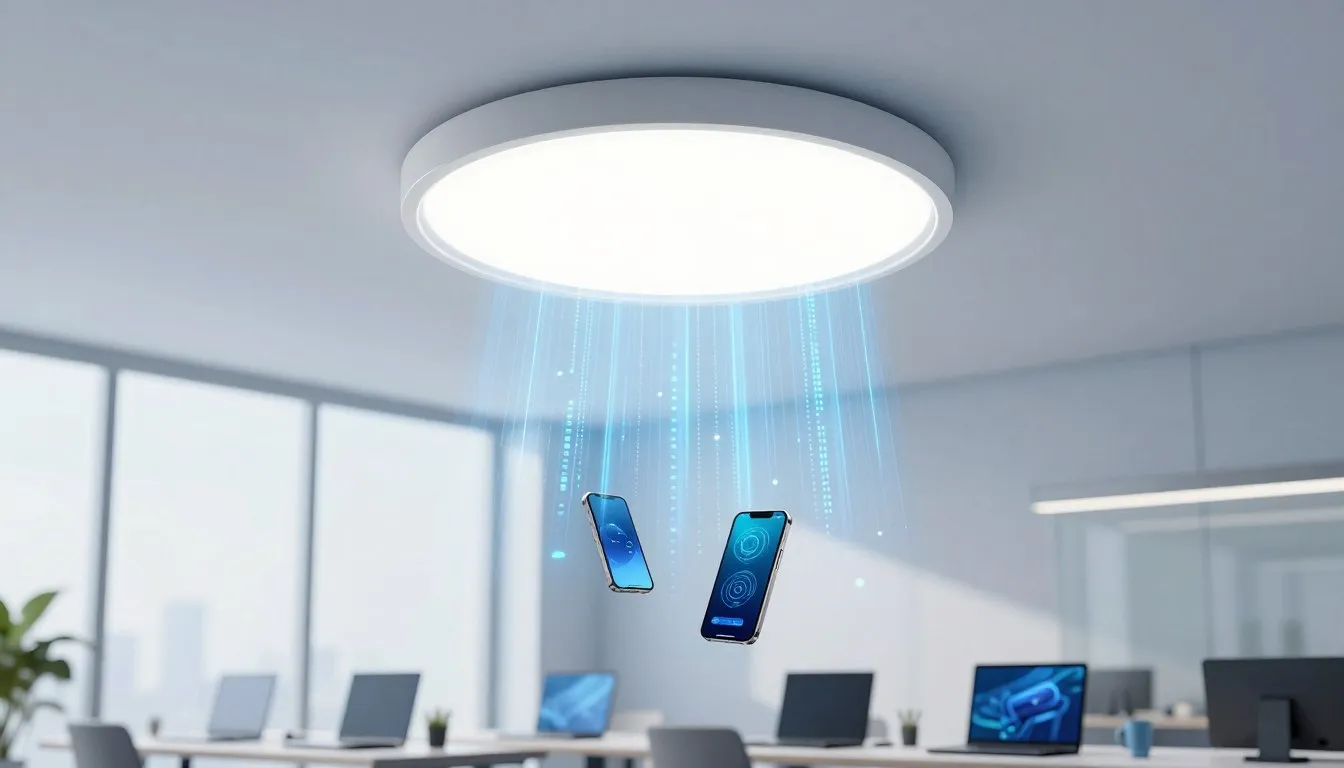
A lamp may soon do more than brighten a room. It may also connect a laptop, sensor, or headset to the internet. Li-Fi uses light instead of radio waves to move data, creating a new path for wireless communication.
How Li-Fi Uses Visible Light for Data Transmission
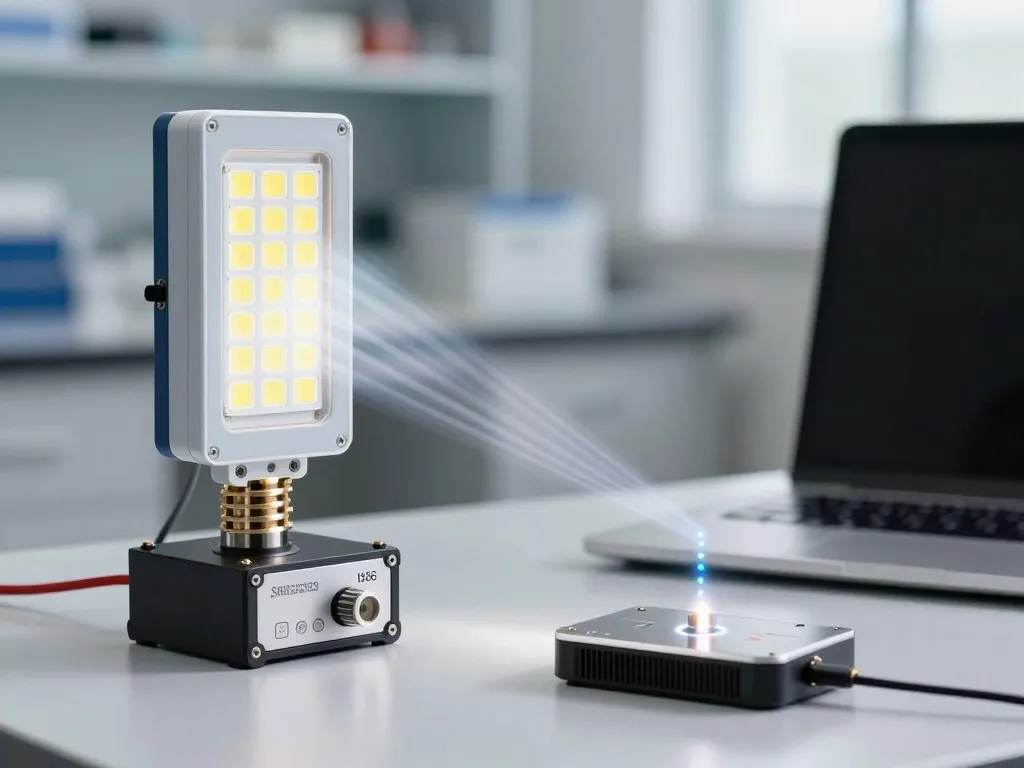
Li-Fi, short for light fidelity, is a form of wireless communication that uses light-emitting diodes, or LEDs. A compatible lamp changes its brightness millions of times per second. These changes are too fast for the human eye to notice, but a receiver can detect them and convert them into data.
The process resembles Morse code, although it is far more advanced. A light signal represents digital information through carefully controlled changes in intensity. The receiver then sends that information to a device, allowing internet access, video streaming, or machine communication.
Professor Harald Haas helped popularize the concept during a 2011 presentation. His research showed that ordinary LED lighting could become part of a high-speed communication system. Today, Harald Haas remains closely associated with Li-Fi research and commercial development.
“The light bulb is going to become the next great platform for wireless communications.” — Professor Harald Haas, describing the potential of Li-Fi
Li-Fi does not use radio waves or radio spectrum. It works through visible light and, in some systems, nearby infrared frequencies. The technology can use ceiling lights, computer monitors, vehicle lamps, or other optical sources. A two-way connection still needs a transmitter and receiver, so both the access point and device require suitable hardware.
Speed, Security, and Reliability Compared With Wi-Fi
Laboratory demonstrations have reported data rates as high as 224 Gbps. This figure supports the popular claim that Li-Fi can be 100 times faster than older Wi-Fi systems. It is not a typical home speed, and it should not be compared directly with every modern wireless network. Actual performance depends on distance, lighting, receiver design, bandwidth, and network traffic.
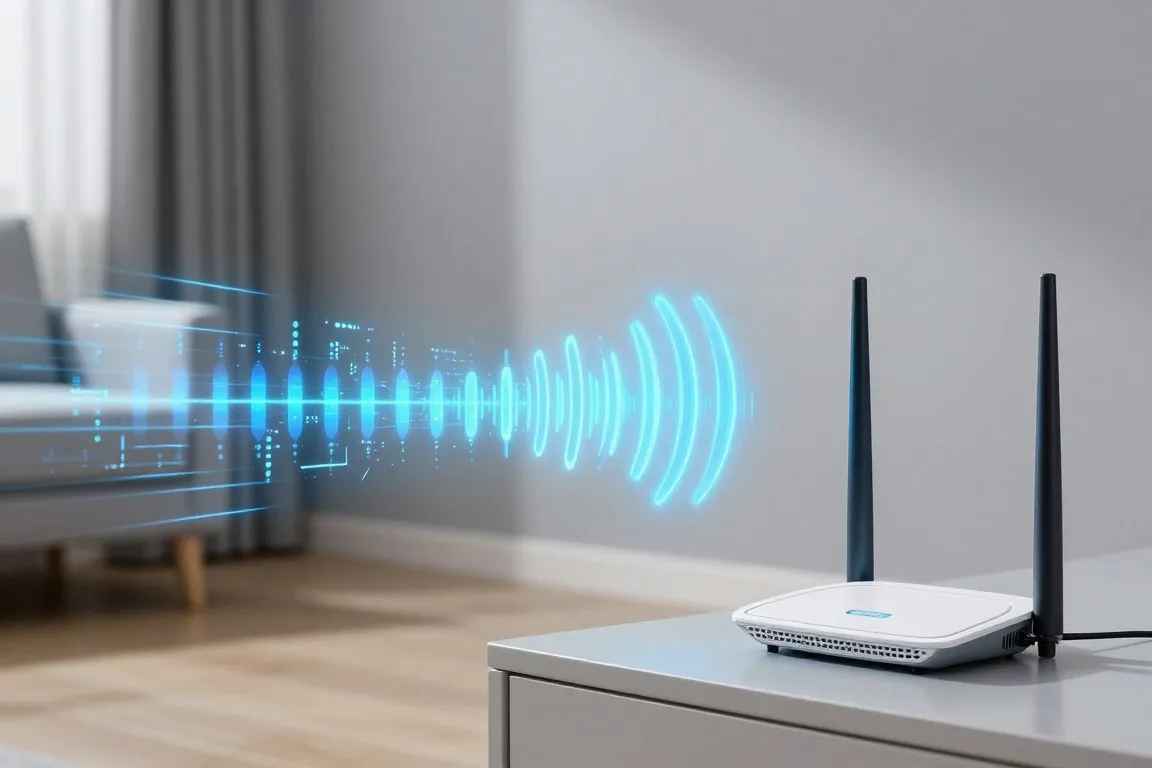
Wi-Fi sends signals through radio waves. Its signals can pass through walls, cover several rooms, and connect a wide range of devices. Newer Wi-Fi generations offer strong speed and capacity, making them practical for homes, offices, and public networks.
| Decision factor | Li-Fi | Wi-Fi | Best practical choice |
|---|---|---|---|
| Peak speed claims | Up to 224 Gbps in laboratory research | Lower than Li-Fi research peaks; Wi-Fi 7 has a theoretical maximum near 46 Gbps | Li-Fi for controlled, high-capacity zones |
| Wall coverage | Blocked by walls and opaque objects | Radio waves can pass through many indoor barriers | Wi-Fi for broad home coverage |
| Signal privacy | Light stays within the illuminated area | Radio signals may extend beyond a room | Li-Fi for contained communication |
| Electromagnetic interference | Does not add radio interference | Uses crowded radio frequencies | Li-Fi in sensitive environments |
| Device compatibility | Usually needs a special receiver | Built into most phones, computers, and smart devices | Wi-Fi for immediate access |
Security is one of Li-Fi’s strongest advantages. Light generally cannot travel through walls, so a signal is easier to contain inside a room. A person outside the space may not receive the transmission. This does not remove the need for encryption, authentication, or secure network settings. It simply adds a physical layer of protection.
Li-Fi can also reduce interference in crowded radio environments. Wi-Fi, Bluetooth, cellular systems, and industrial equipment all compete for radio spectrum. Adding optical communication gives network designers another channel. In practice, Li-Fi and Wi-Fi are more likely to work together than compete as complete replacements.
Practical Applications and Technical Limitations
Li-Fi may suit locations that need high speed, strict signal control, or low radio interference. Possible applications include:
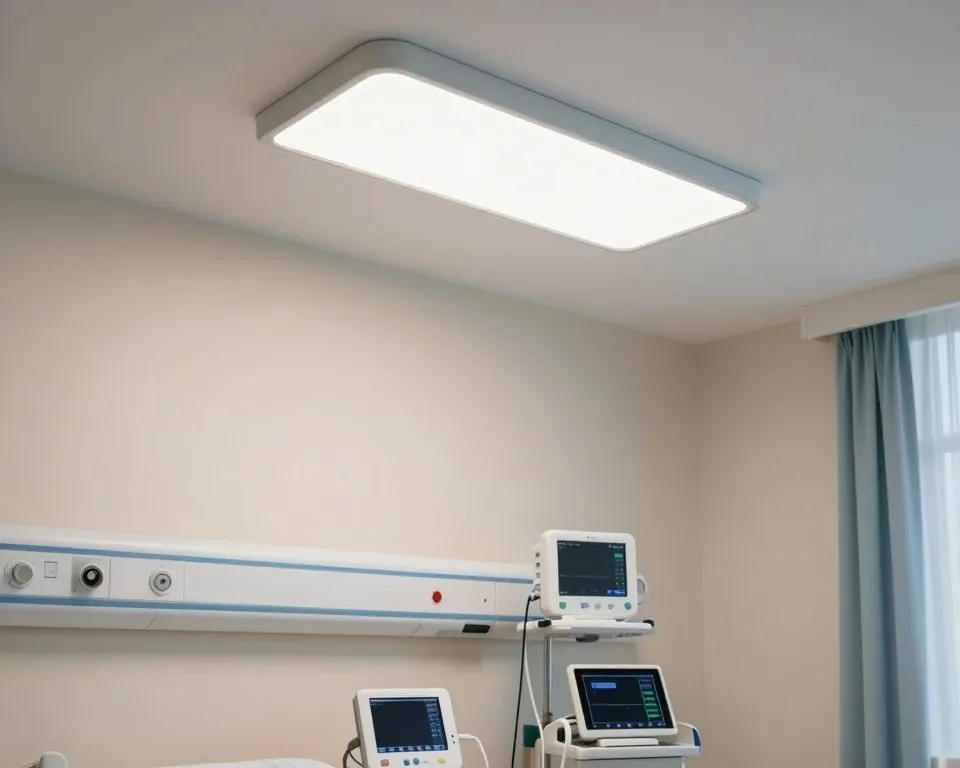
- Hospitals: optical networks could support rooms where sensitive equipment makes radio communication difficult.
- Aircraft: cabin lighting could provide connectivity without adding more radio signals.
- Offices and schools: desks and classrooms could receive fast local access through overhead lighting.
- Industrial environments: factories may use light-based links around machines, robots, and sensors.
- Homes: Li-Fi could support high-capacity links in a study, media room, or gaming area.
Airports, conference centers, and dense urban buildings may also benefit from extra spectrum. Each lamp can create a small service area, allowing networks to reuse frequencies across nearby rooms. This design may help meet rising demand for video, cloud applications, virtual reality, and connected devices.
The main limitation is coverage. A user may need to remain under a Li-Fi light or within the receiver’s optical range. A hand, cabinet, person, or closed shade can weaken the signal. Sunlight and other strong light sources may also affect performance if the system is not designed to reject background noise.
Infrastructure is another barrier. A home or office would need compatible lamps, access points, receivers, and network controls. Most smartphones and laptops do not include Li-Fi hardware as standard. Adapters may solve part of the problem, but they add cost and complexity.
Li-Fi also needs careful movement management. A person walking between light zones should not lose internet access. Handover systems can help transfer the connection from one lamp to another, yet this process must be as smooth as cellular or Wi-Fi roaming.

The Role of Li-Fi in Future Wireless Networks
Li-Fi is best understood as a complement to Wi-Fi, not a simple replacement. Wi-Fi remains more convenient for whole-home coverage, mobility, and device compatibility. Li-Fi offers a valuable alternative where speed, privacy, spectrum capacity, or electromagnetic interference matters most.
Future systems may combine both technologies. A router could provide wide coverage through radio waves, while LED fixtures deliver fast local connections in selected areas. Automatic switching could allow devices to choose the strongest link without user effort.
Research continues in areas such as smaller receivers, better performance in bright spaces, optical handover, and lower installation costs. As standards mature, Li-Fi may move from demonstrations into targeted commercial applications.
The headline speed is impressive, but the larger opportunity is flexibility. By turning light into a communication channel, Li-Fi expands the available spectrum and gives wireless networks another way to carry information. Its success will depend on practical hardware, reliable coverage, and clear value in the environments that need it most.