Caffeine injections have saved newborns experiencing oxygen deprivation
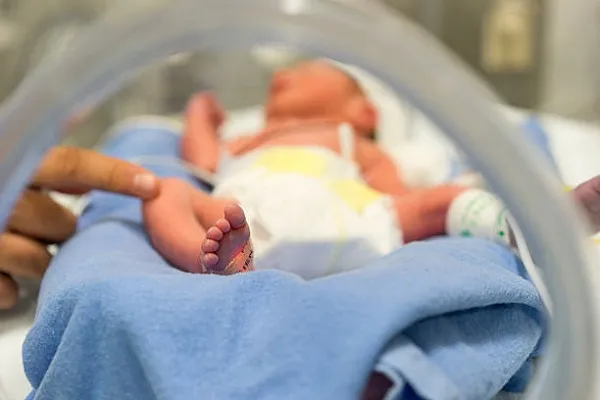
Doctors from Europe and the US have discovered that caffeine injections suppress the massive death of nerve cells in newborns who experience oxygen deprivation. This therapy decreases the likelihood of irreversible damage to the nervous system. This information was reported on Monday by the press office of the German Center for Neurodegenerative Diseases (DZNE).
"Caffeine proved to be the most effective substance we studied in combating the consequences of oxygen deficiency. Our experiments have shown that caffeine not only possesses anti-inflammatory properties but is also a powerful neuroprotector," said Professor Hemmen Sabir of DZNE, whose words are cited by the center's press office.
Researchers note that approximately one in every thousand newborns suffers from neonatal hypoxia: chronic oxygen deficiency in the first minutes and hours of life due to respiratory problems. In many cases, this leads to the development of neonatal encephalopathy, a complex of nervous system disorders. It can lead to the development of cerebral palsy and other serious nervous system impairments.
Currently, various methods of controlled body temperature reduction, known as hypothermia, are used to combat neonatal encephalopathy. This procedure is not widely available in all regions of the world, and it does not always prevent severe damage to the nervous system; hypothermia does not help approximately 40% of newborns. Therefore, scientists are seeking alternative approaches to prevent the development of neonatal encephalopathy.
Questions families can ask the care team
Families may hear about caffeine injections when their newborn has apnea, needs respiratory support, or is enrolled in a study. The same medicine can have different goals in different infants. Parents should ask whether the proposed treatment addresses apnea prematurity, oxygen-related brain injury, or both.
- What is the confirmed cause of the newborn’s breathing or oxygen problem?
- Is caffeine citrate being used as standard care or as part of a research protocol?
- What dose and route are planned, and how will the team monitor effects?
- How does the treatment fit with cooling, supplemental oxygen, ventilation, and seizure care?
- Which short-term signs and long-term neurodevelopmental outcomes will be followed?
A neonatologist can explain the evidence for a specific infant better than a general article can. Urgent symptoms in a newborn require immediate medical attention. Families should not give caffeine products at home, change a prescribed dose, or delay emergency care based on online claims.
Caffeine remains an important medicine for apnea of prematurity, but its use after oxygen deprivation is an emerging area of research. Careful human trials must confirm safety, timing, dosing, and meaningful effects on development before this approach can be considered routine neuroprotective treatment.