Couples who look perfect online fight about money off camera

In 2023, only 63% of U.S. adults said they could cover a $400 emergency with cash or savings. That gap shows how quickly money stress can enter a home, even when photos suggest total calm.
Online, content couples often present polished status photos, matching smiles, and a carefully edited version of daily life. Behind the screen, each partner still makes private choices about bills, debt, spending, and savings. Love does not erase financial pressure.
Merriam-Webster defines a relationship as dealings between people or a romantic attachment. That definition fits real life better than a perfect post. A relationship includes trust, shared duties, and the small things people discuss when no camera is present.
HelpGuide also identifies honest communication and emotional connection as signs of a healthy relationship. Respectful disagreement can be normal. Still, repeated money conflict may test a couple’s trust and reveal how each partner handles responsibility.
This article examines why online perfection can make ordinary tension feel unusual. It also shows why emotional honesty matters more than photographs that make couples appear permanently happy.
- Public image rarely shows household finances.
- Open money talks can protect connection and daily life.
Why Online Perfection Hides Everyday Relationship Struggles

A polished post shows a moment, not the full relationship. A content couple may smile for people online while a partner avoids a hard talk about bills, chores, or time. Love can look visible, yet private needs may stay unheard.
HelpGuide links healthy relationships with emotional connection, respectful disagreement, outside support, and open communication. These qualities require steady attention, not one flattering photo or a cheerful text. A healthy relationship also protects mental health by giving each person room to speak and listen.
People also build different bonds. Acquaintances may share brief contact, while friends offer trust. Family can provide lasting support, and romantic relationships often include intimacy, shared plans, and clear boundaries. Some couples live together; others manage distance or choose a nesting relationship. Each form creates different expectations.
Therefore, visible affection does not prove private stability. Strong communication connects public image with household reality, helping each partner discuss money, attention, and unresolved concerns without blame.
| Bond type | Typical focus | Private need |
|---|---|---|
| Acquaintance | Brief contact | Respect |
| Friendship | Trust and support | Reliability |
| Family | Shared history | Care |
| Romantic relationship | Intimacy and plans | Honesty |
Relationships and the Pressure to Look Happy Online
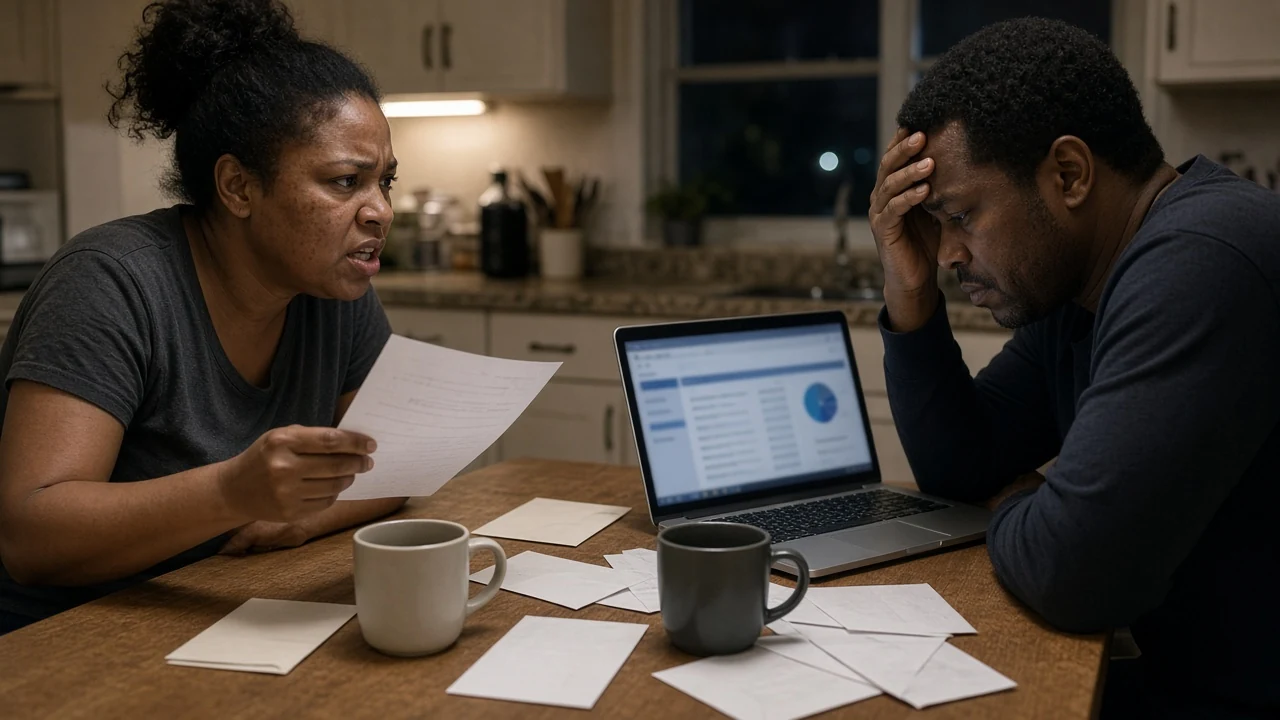
For content couples, a cheerful feed can become a daily performance. Status photos may show gifts, trips, and matching smiles while household stress changes each partner’s behavior. The image feels like proof of love, but it cannot reveal every private concern.
Dr. Gary Chapman describes five love languages: words of affirmation, acts of service, receiving gifts, quality time, and physical touch. A visible gift may look romantic, yet it cannot replace honest conversation or shared time. Strong relationships grow through the way partners meet real needs, not only through things that photograph well.
A warm text can suggest affection, but HelpGuide notes that digital contact does not affect the brain and nervous system like face-to-face connection. Tone, facial cues, and physical presence matter, especially when distance or stress enters daily life.
Needs can change across years. A romantic relationship may require new boundaries, routines, or forms of support. Partners who discuss that change can move forward before resentment grows. A 2020 Pew Research finding that 32% of U.S. adults viewed open relationships as sometimes or always acceptable shows shifting public attitudes, not proof that any specific couple feels satisfied.
Private honesty matters more than a perfect online image.
Private Scorekeeping Can Turn Love Into a Ledger

A couple can look united online while one partner privately counts every sacrifice. Private scorekeeping means tracking money, chores, favors, attention, and old debts instead of stating needs. Over time, it turns love into a silent ledger.
That ledger breeds unspoken resentments. One person may use past contributions to justify control, while the other hears repeated accusations and grows defensive. Soon, ordinary conflict creates distance and anxiety.
HelpGuide names dishonesty, controlling behavior, disrespect, codependency, and abuse as warning signs. Toxic patterns may also include gaslighting, emotional manipulation, love bombing, jealousy, and secrecy. These behaviors can harm relationships even when people present a cheerful image to others.
Fair accountability looks different. Partners can review shared costs, divide tasks, and name unmet needs without keeping score. They allow time for compromise and repair.
When monitoring replaces trust, intimacy suffers. Public couple performance can hide unequal emotional or financial effort. Love should not require a permanent debt record. Healthy relationships value honest dialogue over receipts, tests, or punishment.
Bank-Account Tension Behind the Perfect Couple Image
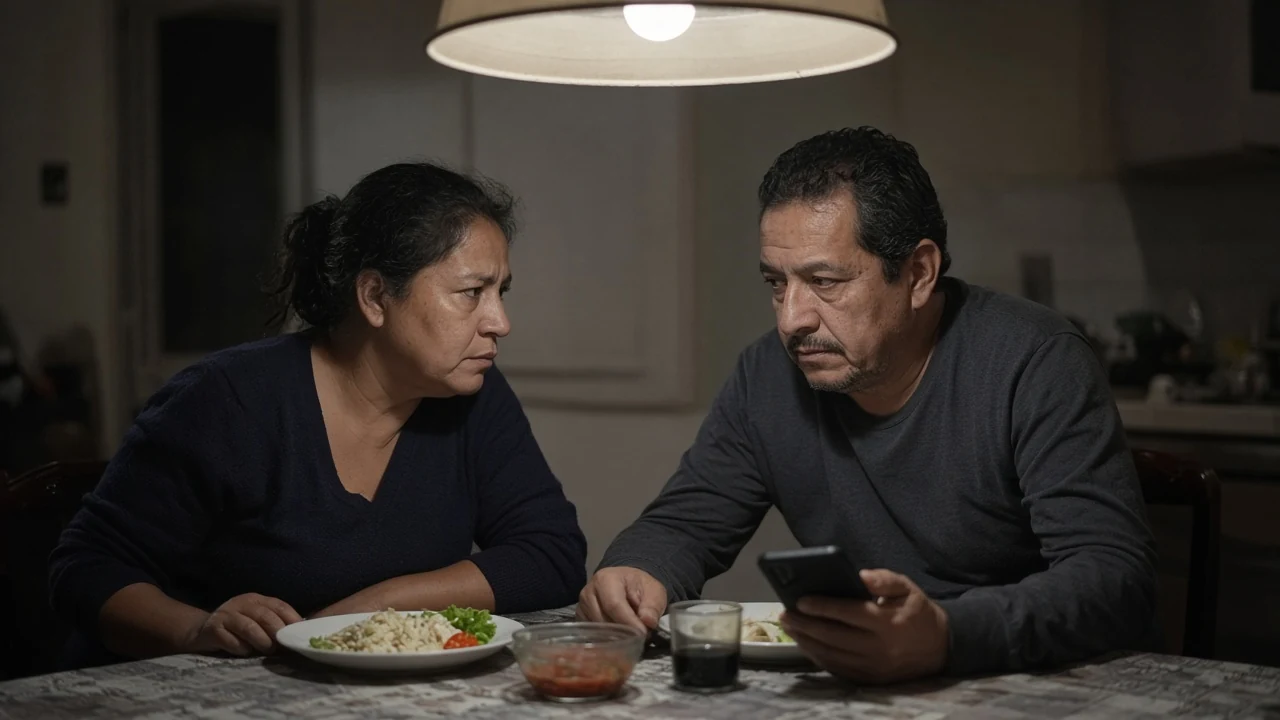
A luxury dinner photo cannot show whether the checking account can cover next month’s bills. Status photos may feature vacations, gifts, restaurants, or a coordinated home while financial security remains uncertain. This gap between appearance and household reality can create quiet tension.
Nesting partnerships include partners who live together, whether they are monogamous, platonic, or polyamorous. Shared rent, groceries, insurance, and repairs make money choices part of daily life. One partner’s income loss or debt can quickly affect both people.
HelpGuide identifies job loss, severe health problems, grief, financial management, and parenting differences as common sources of relationship stress. Different priorities can add pressure. One person may favor savings, while the other values travel or immediate comfort.
- Debt can remain hidden behind expensive-looking posts.
- Unequal contributions may fuel anxiety and resentment.
- Money stress can affect health, trust, sex, and emotional safety.
Some couples project abundance to protect their image or avoid judgment. Yet financial appearance is not financial stability. Honest talks about income, spending, and shared goals give romantic relationships a safer way to manage change over the years.
How Money Conflict Affects Trust and Intimacy
Bank-account tension can make a partner feel unsafe, misunderstood, or blamed for every financial outcome. When bills, debt, or spending stay hidden, anxiety can replace trust. One person may stop sharing feelings, while one partner carries the stress alone.
HelpGuide recommends calm communication during conflict. Each person can use “I” statements, such as, “I feel worried when savings fall,” instead of assigning blame. A short break can help when tempers flare. Later, both people can return to the current issue, forgive mistakes, and seek compromise.
Unresolved stress often reduces connection and intimacy. Affectionate touch may influence oxytocin, a hormone linked with bonding and attachment. Still, love does not replace consent, honest communication, or mutual care.
Ordinary disagreement differs from abuse. Shaming, gaslighting, coercion, and financial control can damage emotional health. A person who feels afraid needs support from trusted others or a qualified professional. Safety must come before saving face online.
| Money pattern | Emotional effect | Healthier response |
|---|---|---|
| Hidden debt | Anxiety and doubt | Share facts without blame |
| Unequal contributions | Resentment | Review needs and duties |
| Financial control | Fear and isolation | Seek safety and support |
Healthy Relationships Make Room for Honest Disagreement
Disagreement can show that a relationship feels safe enough for both people to speak. A partner does not need to hide concerns to protect an online image. Honest communication gives each person room to explain feelings, needs, and values.
HelpGuide notes that strong relationships allow respectful conflict without retaliation, humiliation, degradation, or demands that one person always win. A partner can challenge an idea without attacking character. When tension rises, both partners can pause, listen, and seek compromise.
A healthy relationship also leaves room for life outside the couple. Friends, family, hobbies, and personal interests support health and reduce pressure. No one person can meet every need, and outside support can strengthen connection at home.
- State the problem without insults.
- Listen before offering a solution.
- Protect time for others and individual interests.
- Agree on a fair next step.
Online approval cannot repair hurt feelings, and private scorekeeping cannot create trust. Real connection grows when people face change together while respecting one another. That steady support says more about love than synchronized status photos ever can.
Quality Time and Physical Intimacy Beyond the Camera
Real connection often grows during moments that never reach a feed. A partner may put away the phone, make eye contact, and listen during a quiet household routine. This simple attention can reduce distance and help a relationship feel safe.
HelpGuide recommends regular face-to-face time through daily walks, morning coffee, shared hobbies, and new activities. These habits give couples time together without public performance. They also create space for humor, honest questions, and responsive body language.
Physical intimacy includes more than sex. HelpGuide notes that sex may support mental, physical, and emotional health. Holding hands, hugging, and kissing can also express love and comfort. Each person should communicate preferences and respect consent before reading closeness as proof of relationship health.
- Take a daily walk without notifications.
- Share a hobby or try something new.
- Ask what helps each partner feel connected.
Private attention matters more than camera-ready affection. When people choose presence in ordinary life, intimacy can grow with trust, care, and mutual respect.
Signs That Online Secrecy Is Becoming Relationship Stress
Online secrecy becomes concerning when public content conflicts with private behavior. Hidden accounts, unexplained spending, deleted messages, or status photos may leave a partner unsure what is true. One person may sense that the cheerful image does not match daily life.
A partner may experience anxiety when a loving text appears beside cold household communication. Public affection can also feel confusing when private behavior shows distance, control, or repeated conflict. These mixed signals can weaken trust over time.
Privacy allows personal space. Dishonesty hides facts that affect shared decisions or emotional safety. Warning signs include manipulation, toxic jealousy, codependency, boundary violations, and controlling behavior. Repeated patterns matter more than one missed text or isolated disagreement.
- Emotional distance continues despite polished status photos.
- Spending, messages, or accounts remain hidden.
- One partner uses guilt, silence, or jealousy to gain control.
- Stress begins to affect health, sleep, or daily needs.
Isolation, degradation, sexual abuse, or property damage require serious attention. They go beyond ordinary financial conflict. Safety matters more than content-couple image management. Trusted people, qualified counselors, or local support services can help someone assess the situation and choose a safer way forward.
Practical Ways Couples Can Rebuild Connection and Trust
Repair starts with small choices that make private life more honest. Couples can schedule a calm money meeting to review accounts, goals, duties, and needs. Public images should never serve as evidence in a financial argument.
During conflict, each partner can use “I” statements and active listening. A short break helps when stress becomes too strong. Afterward, forgiveness and fair compromise can help both people move forward. Clear communication protects trust better than silent scorekeeping.
Daily habits also matter. Partners can put away electronic devices for a few minutes, share time together, take a walk, or enjoy a simple activity. Face-to-face attention supports health and strengthens connection over the years.
They can also discuss love languages, affection, physical intimacy, sex, and consent. One gesture may not meet every need. A healthy relationship respects change and personal boundaries.
Repeated abuse, coercion, severe anxiety, or broken trust requires qualified support. A counselor, legal adviser, trusted person, or local safety service can offer a safer way forward. Love should include care, choice, and protection.
Conclusion
Online polish cannot disclose every household conversation, bank-account choice, private feeling, or unresolved conflict. A couple may appear calm while each partner handles stress away from the camera.
Healthy relationships are better judged by emotional connection, respectful disagreement, outside interests, and honest communication. One partner listens, another speaks, and both protect time for direct talks. Love and trust grow through attention, compromise, and shared decisions—not approval from strangers.
Ordinary conflict can strengthen relationships when people address feelings with care. A romantic relationship should never excuse abuse, coercion, or manipulation. If a person feels afraid or controlled, support and safety planning matter.
A strong relationship does not need a perfect feed. People can build lasting connection through mutual respect, steady care, and honesty in real life.