A short nap in the middle of the day may help protect the brain's health

A brief nap can feel like a small luxury in the middle of a busy day. New research suggests it may also be linked with a healthier aging brain. The finding is promising, but it does not mean that napping prevents memory loss or replaces good nighttime sleep.
The most useful lesson is simple: a short, well-timed nap may support daily energy and focus. It should be one part of a wider routine that includes regular sleep, movement, nutritious food, and medical care when problems appear.
Short naps and brain health in the latest study
Researchers from University College London examined data from the UK Biobank. This large resource includes health, lifestyle, and genetic information from people aged 40 to 69. The study explored whether a tendency to nap during the day was connected with brain volume.

The researchers reported a connection between daytime napping and a larger brain volume. Brain volume naturally declines with age, and faster loss can occur alongside cognitive problems and neurodegenerative disease. A larger volume may be a sign of healthier aging, but it is not a direct measure of memory or independence.

“We have found a connection between daytime napping and a larger brain volume.” — University College London researchers
That wording matters. The study found an association, not proof that naps caused the change. People who nap may differ from non-nappers in many other ways. Diet, work patterns, stress, health conditions, and nighttime sleep could all influence the result.
Nap length, timing, and nighttime sleep
The report focused on a short nap of about 30 to 40 minutes. That is longer than a quick 10-minute rest, yet shorter than the longer naps that can leave people groggy. A nap of this length may give the body and brain relief when nighttime sleep has been limited.

Timing is just as important as duration. Early afternoon is often a practical window because alertness naturally dips after lunch. A nap at 2 p.m. or 3 p.m. is less likely to interfere with night sleep than one taken in the early evening.
| Nap pattern | Possible use | Potential drawback | Practical approach |
|---|---|---|---|
| 10–20 minutes | A quick lift in alertness and focus | Limited recovery if a person is very sleep deprived | Set an alarm and rest early in the afternoon |
| 30–40 minutes | The range highlighted by the study | Some people may wake with grogginess | Allow a few minutes to fully wake before driving or demanding work |
| 60 minutes or longer | May help after unusual sleep loss | Greater chance of disturbing nighttime sleep | Use cautiously and discuss frequent need with a doctor |
Longer naps are not automatically harmful. The concern is frequent, late, or unplanned napping paired with poor nighttime sleep. If daytime rest keeps increasing, it may be a sign of insomnia, medication effects, depression, sleep apnea, or another health problem.
Building a brain-friendly daytime rest routine
Napping works best when it is deliberate. Choose a quiet place, reduce bright light, and keep the room comfortable. A consistent nap time can help the body recognize rest without turning the whole afternoon into sleep.
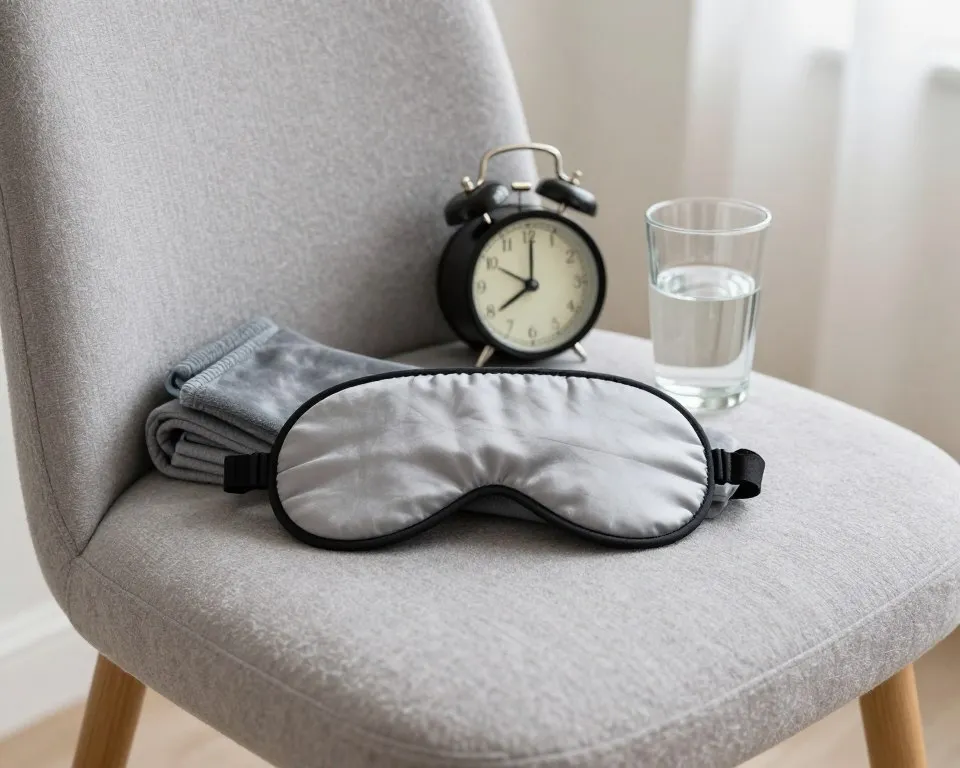
- Keep the nap earlier in the afternoon when possible.
- Use an alarm to protect the planned sleep period.
- Wake slowly before driving, exercising, or making important decisions.
- Track whether naps improve focus or make nighttime sleep worse.
- Protect a regular nighttime sleep schedule first.
People may also benefit from a short walk, water, or a balanced snack when afternoon fatigue arrives. Sleep is not the only answer to low energy. A pattern of tiredness deserves attention rather than repeated longer naps.

Adults should speak with a doctor if they snore loudly, gasp during sleep, wake with headaches, or struggle to stay awake during the day. These signs can point to a sleep disorder that a nap alone cannot fix.
Reading the findings with care

The study adds an interesting connection between napping and brain structure. It does not establish that napping protects against Alzheimer’s disease, improves cognition for everyone, or adds years to a person’s life. More studies are needed to test how nap length, sleep quality, and health conditions interact over time.
For now, a short afternoon nap can be a reasonable tool for some people. Keep it consistent, avoid letting it replace night sleep, and notice changes in energy or memory. The strongest plan for brain health remains broad: sleep well at night, stay active, eat a balanced diet, manage health problems, and seek professional advice when fatigue becomes persistent.