Transitional Age Netflix series: How Adolescence Exposes Violence Against Women
The Netflix drama often searched as the Transitional Age Netflix series is officially titled Adolescence. It begins with a shocking accusation: Jamie Miller, a 13-year-old boy, is arrested for killing his classmate, Katie Leonard. The story then moves beyond the crime itself. It asks how a child can absorb hatred, turn it into a worldview, and believe that violence is justified.
Released on March 13, 2025, the four-part British miniseries quickly became a major topic online. Its subject is disturbing, but its filmmaking is just as striking. Each episode is designed to look as though it was filmed in one continuous take. That choice creates a tense, trapped feeling that stays with viewers long after the credits roll.
The Story Behind the Series
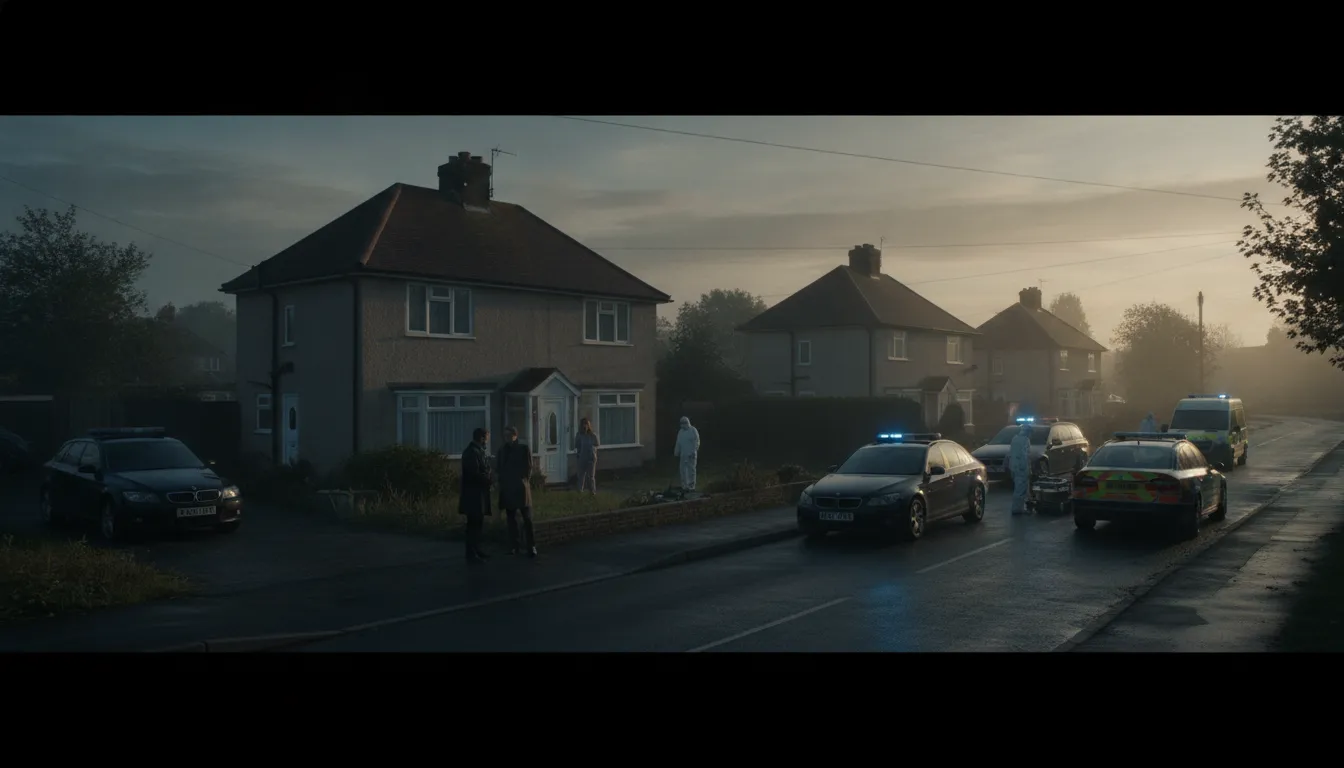
Adolescence follows the Miller family after police arrive at their home early one morning. Jamie is frightened and confused. His father, Eddie, cannot accept that his son could be responsible. The arrest becomes a personal disaster for the whole family, not only for the accused child.
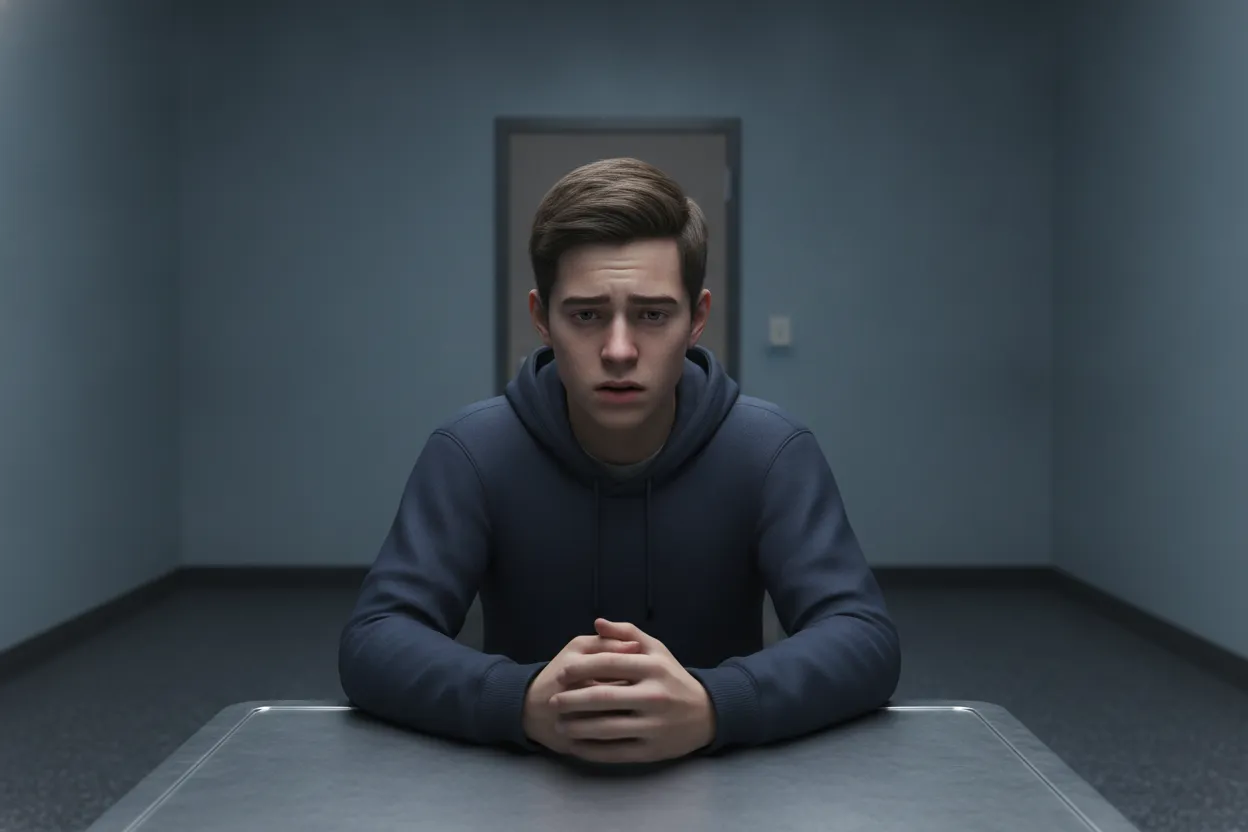
Jamie is taken to the police station, where adults begin to reconstruct the events surrounding Katie’s death. Detectives examine school records, messages, friendships, and small details that once seemed ordinary. The investigation does not move like a conventional mystery. The audience is not simply asked to guess the killer.
Instead, the drama focuses on a harder question: how did Jamie reach this point? The series makes his guilt clear early. The mystery concerns his beliefs, his anger, and the influences that helped shape him.
The show was created by Stephen Graham and Jack Thorne, with Philip Barantini directing. Graham also plays Eddie. Owen Cooper makes his screen debut as Jamie, while Ashley Walters plays detective Luke Bascombe. Erin Doherty appears as Briony Ariston, a child psychologist who tries to understand Jamie’s language and behavior.
Confirmed details- The official title is Adolescence.
- The series has four episodes.
- It was released on Netflix on March 13, 2025.
- The episodes use long, continuous takes.
- Violence against women and girls
- Misogyny in online spaces
- Bullying and social status
- Parenting and digital influence
The format gives every adult decision extra weight. A police officer must remain calm. A parent must face an unbearable possibility. A psychologist must listen for meaning in words that sound defensive, childish, or cruel. The lack of visible cuts makes these encounters feel immediate.
Violence Against Women at the Center
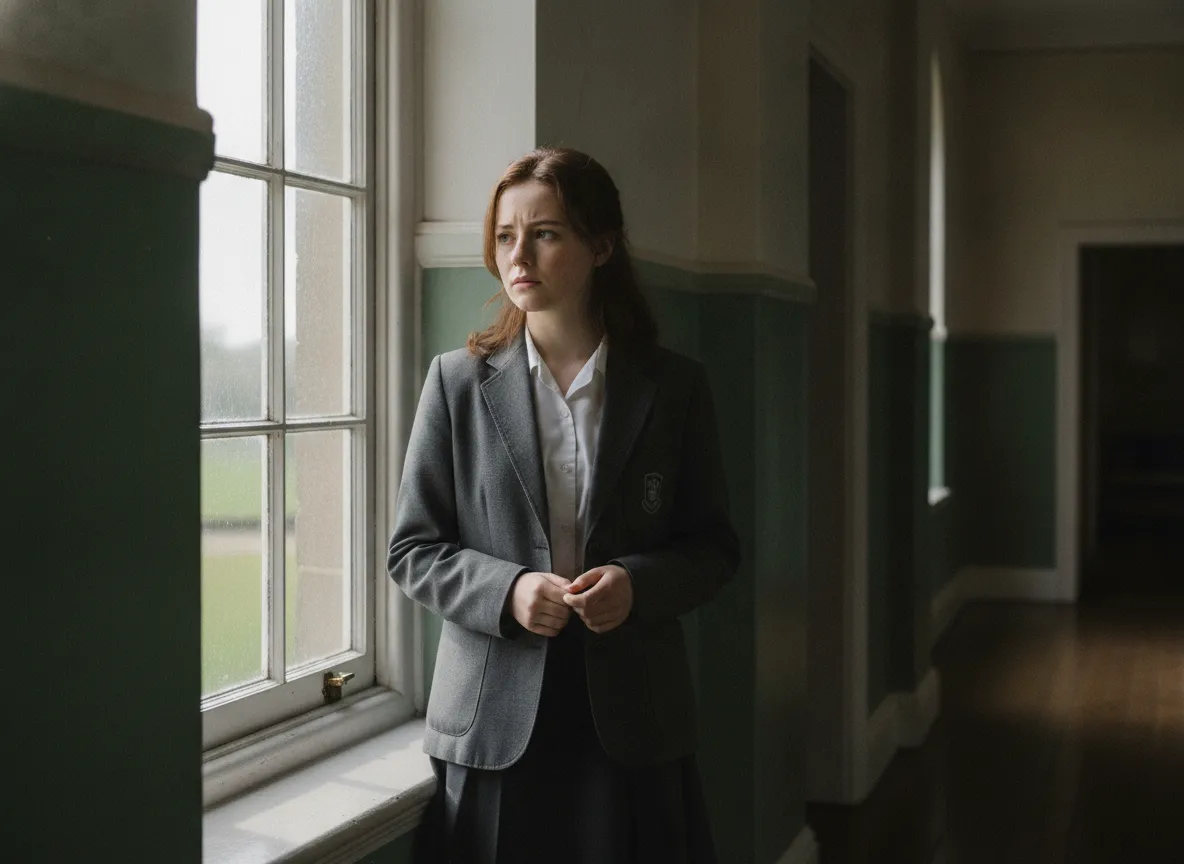
The murder of Katie is not treated as an isolated act. The series connects it to a wider culture in which girls can be reduced to targets, symbols, or objects of resentment. Katie’s death is the most extreme result of that culture, but the story also shows quieter forms of hostility.
Jamie’s behavior toward women becomes important during his assessment. He dismisses female authority and struggles to accept limits from women. His relationship with his mother and sister also reveals an uneven idea of family life. Women are expected to provide care, while men are given more power and attention.
These details are not presented as a simple explanation. A family cannot be blamed for every belief a child develops. The show also avoids suggesting that every boy who watches harmful content will become violent. Its point is more troubling: online messages can become part of a child’s emotional vocabulary when no trusted adult notices them.
“We wanted people to go home, go into their child’s room, give them a hug, and ask if they’re okay.” — Stephen Graham and Ashley Walters, discussing the purpose of the series
The quote captures the emotional direction of the drama. It is not a warning aimed only at parents of troubled children. It is a challenge to anyone who assumes that a quiet home guarantees a safe inner life.
The series also explores the fear experienced by women and girls. Katie’s death is part of a pattern that viewers recognize from real life: harassment, threats, sexual humiliation, and violence are often connected. A social media post may look minor to an adult, yet carry a serious meaning inside a teenager’s peer group.
| Social issue | How it appears in the drama | Effect on the audience |
|---|---|---|
| Online misogyny | Hostile ideas about women move through youth culture and private conversations. | It makes digital influence feel personal rather than abstract. |
| School bullying | Status, humiliation, and exclusion shape how teenagers treat one another. | It shows how adults can miss cruelty that feels normal to students. |
| Family blindness | Eddie loves Jamie but does not understand the changes in his son. | It challenges the belief that love alone prevents harm. |
| Gendered authority | Jamie reacts differently to male and female adults. | It exposes how ideas about power can enter everyday behavior. |
For that reason, the show has been discussed as a story about male anger as much as a crime drama about a murdered girl. Katie deserves attention as a person, not only as a plot device. At the same time, the series is deliberately centered on the people trying to understand the boy who killed her. That tension has led to debate about whose experience receives the most space.
The One-Take Method and Its Emotional Force
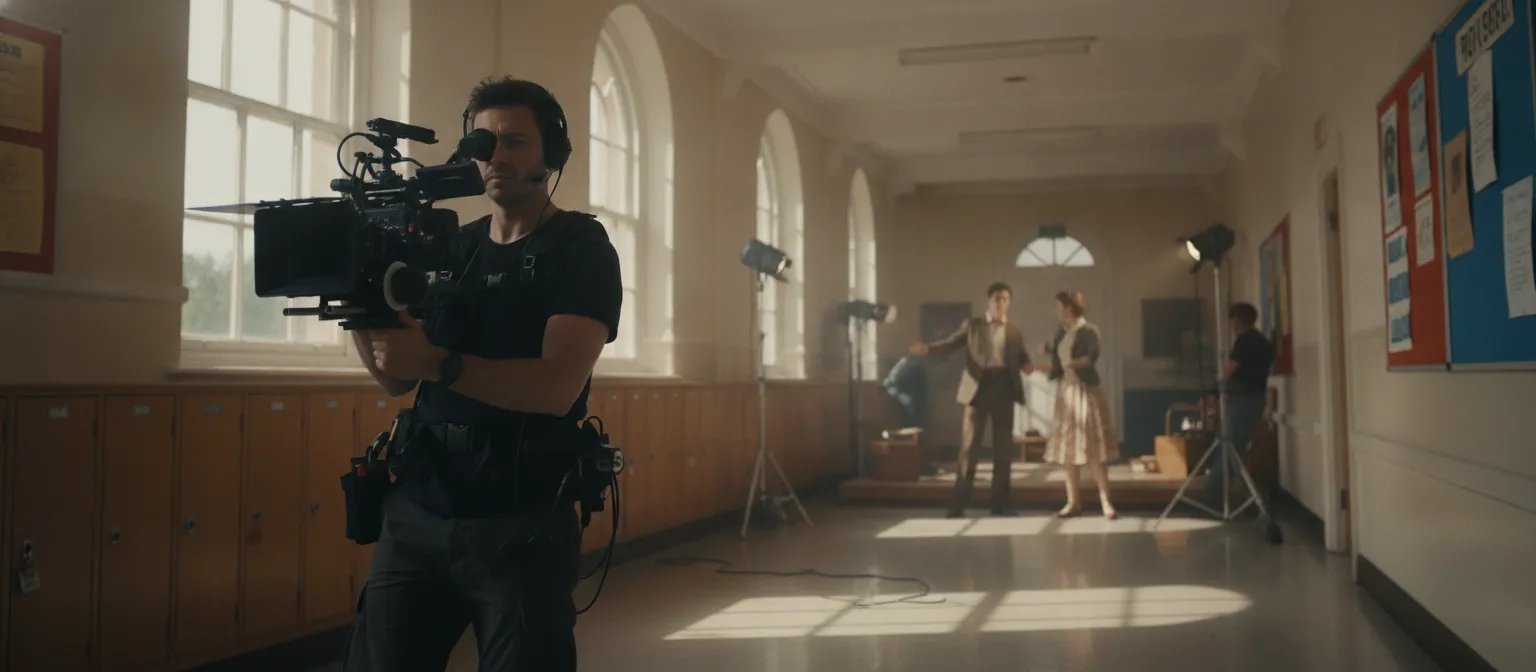
The most visible formal feature of Adolescence is its use of continuous takes. The camera follows characters through homes, police stations, schools, and counseling rooms without obvious cuts. In practical terms, this demands careful rehearsals, precise movement, and exact timing from the cast and crew.
The method does more than display technical skill. It removes the usual escape points for the viewer. In a standard television scene, an edit can shift attention, shorten a pause, or soften a reaction. Here, the camera remains present. Awkward silence has time to grow. Anger cannot be hidden behind fast editing.
The opening episode is especially effective because the camera follows the police into the Miller home. The family has no time to prepare. The viewer enters with the officers and experiences the confusion from close range. The camera’s movement feels almost documentary-like, even though the story is carefully staged.
Each episode has a different emotional rhythm. The police investigation is urgent. The school episode feels crowded and unpredictable. The psychological assessment becomes more contained and uncomfortable. The final episode shifts toward the family and the question of responsibility.
Owen Cooper’s performance has received particular attention because Jamie is not written as a simple monster. He can appear young, frightened, proud, manipulative, and confused within the same conversation. The long takes leave no easy place for a performance to hide.
Stephen Graham brings a different kind of tension as Eddie. His character wants to be a good father, yet his confidence collapses when the evidence becomes impossible to dismiss. Eddie’s shock is not only about the crime. He must also question how well he knew his own child.
The technical design has helped the series spread across social media. Viewers have shared clips and production discussions, trying to understand how the cast managed the movement. Some reports describe only one visible edit across the project, while behind-the-scenes material has focused on the months of rehearsal required to make the method work.
The Social Media Conversation
The series shocked audiences because it combines a familiar setting with an extreme act. Jamie is not introduced as a criminal mastermind. He is a schoolboy from an apparently ordinary family. That contrast makes the story feel close to home.
Online discussion has focused on several themes:
- How boys encounter misogynistic content before adults recognize it
- Whether schools can identify radicalization and bullying early
- How parents can respect privacy while protecting children
- Whether the drama gives enough attention to Katie and her family
- How much responsibility belongs to the child, the family, online platforms, or society
Many viewers have also reacted to Jamie’s language. He does not always speak as though he understands the moral weight of his actions. His statements suggest that he has learned to treat cruelty as a debate. This is one of the show’s coldest ideas: violent beliefs can be repeated in the language of fairness, status, or personal grievance.
The discussion has sometimes connected the series to the manosphere, a loose network of online communities built around male grievance, gender resentment, and hostility toward women. The show does not claim that every online group has the same purpose. It does suggest that vulnerable teenagers can encounter extreme messages while searching for identity or belonging.
That search for belonging matters. Jamie appears lonely and uncertain. He wants recognition, yet he lacks the tools to build healthy relationships. The internet offers quick answers. Instead of teaching him empathy, the content he absorbs gives him someone to blame.

Some online reactions have praised the series as a warning for parents. Others have criticized its focus, arguing that the story risks making a murdered girl secondary to the psychology of her killer. Both responses are useful. The discomfort comes partly from the fact that the series does not offer a clean emotional solution.
There is no single villain who can be removed to solve the problem. The drama points toward several forces: bullying, harmful media, weak communication, gender expectations, school pressure, and the limits of parental knowledge. That complexity is also the reason the show continues to generate discussion.
Questions for Parents, Schools, and Viewers
Adolescence does not work as a parenting manual, but it can begin important conversations. Adults may want to discuss the show before watching it with a teenager because it contains violence, murder, sexual language, bullying, and intense psychological scenes.
The most valuable lesson is not simply to monitor a child’s screen time. Monitoring matters, but it is only one part of the problem. Young people also need adults who can ask direct questions without turning every conversation into an interrogation.
Listen for changesWithdrawal, sudden hostility, extreme resentment, or new language about women may deserve a calm conversation.
Ask about online lifeInvite children to explain the communities, creators, and jokes they encounter rather than assuming adults already understand them.
Set clear limitsFreedom online should exist alongside rules about threats, harassment, private images, and hateful behavior.
Schools face an equally difficult task. A student may hide bullying because reporting it can increase the danger. Teachers may also see only one part of a conflict. Effective support requires cooperation among schools, families, counselors, and safeguarding professionals.
The show raises a difficult question about responsibility without reducing it to a slogan. Jamie is a child, but Katie is also a child. Recognizing Jamie’s age does not erase the harm done to Katie. Understanding influence does not mean excusing a deliberate act.
That balance gives the drama its strongest moral pressure. Viewers are asked to hold two truths together: children can be shaped by forces they do not fully understand, and children can still cause devastating harm.
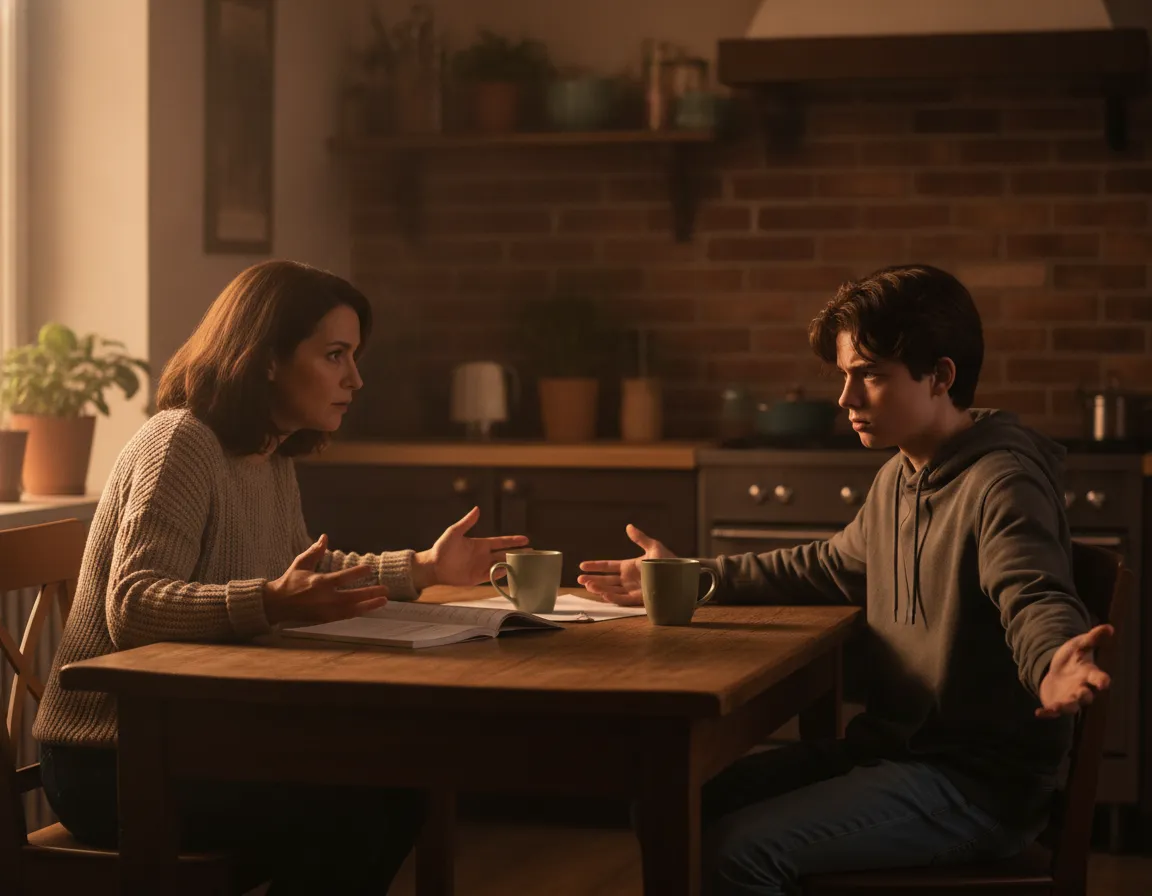
Viewers should also resist treating the story as proof that one film, one influencer, or one platform caused the crime. The drama is fiction shaped by real social concerns. Its purpose is to create a conversation about risk, responsibility, and prevention, not to provide a courtroom verdict on the internet.
A Disturbing Series Built for Discussion
The appeal of Adolescence is not comfort. It is precision. The story takes a shocking crime and studies the conditions around it. It looks at the family that missed warning signs, the school that struggled to see hidden cruelty, and the online culture that can turn insecurity into hatred.
The filmmaking makes the subject harder to dismiss. The one-take structure keeps the viewer close to every pause and reaction. The performances give the characters emotional contradictions. The writing refuses to turn Jamie into either a supernatural villain or a helpless victim.
That refusal explains the strong response on social media. People are debating the ending, the parents, the role of the school, the influence of misogynistic content, and the ethics of telling a story about violence against a girl through the eyes of her killer’s family. The debate is not a side effect of the series. It is part of its design.
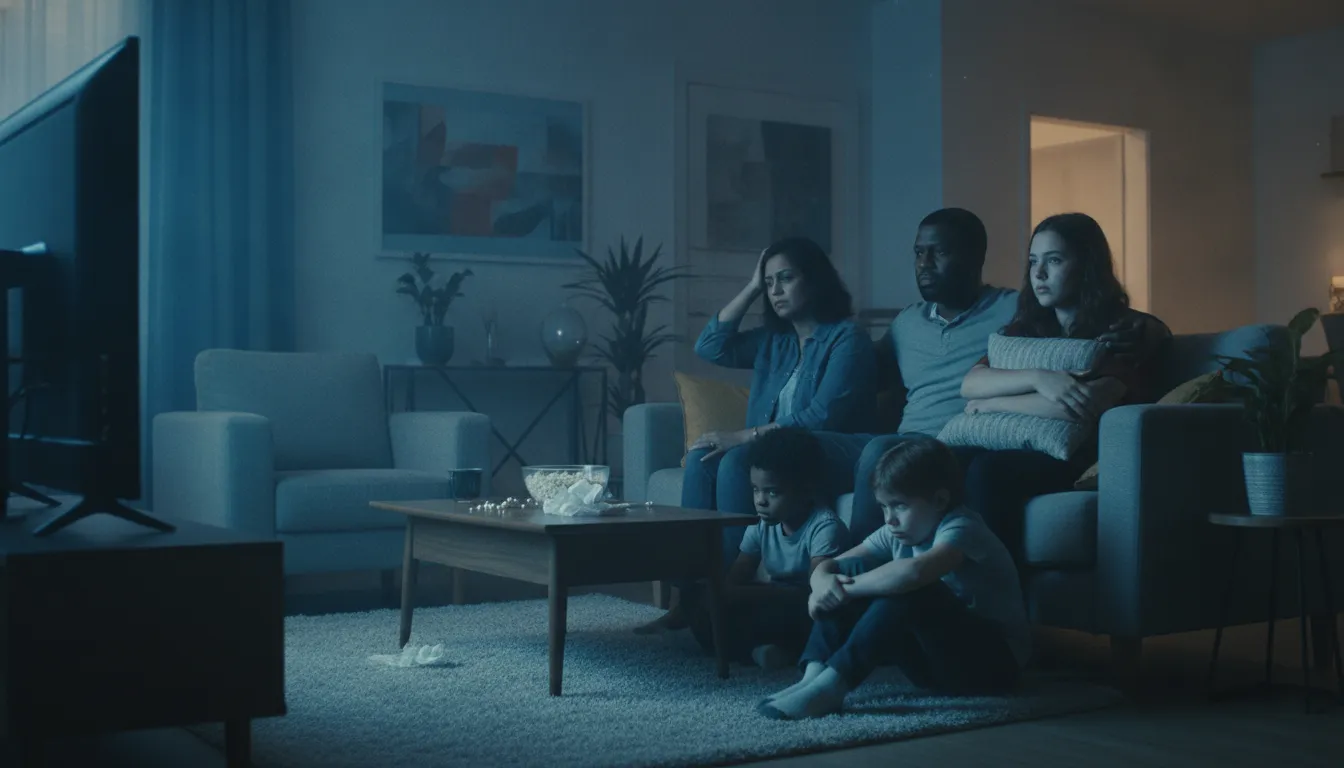
For viewers searching for the Transitional Age Netflix series, the key detail is the title: look for Adolescence on Netflix. It is a four-episode crime drama, not a dating series or a conventional mystery. Its central concern is the path from insecurity to misogyny, and from misogyny to violence.
The series leaves audiences with no easy answer. It asks them to notice more, listen earlier, and take young people’s online lives seriously. Most of all, it insists that violence against women cannot be separated from the beliefs and social habits that make contempt seem normal.